The family of the man with Down syndrome who went missing for six days and was found in a Montgomery County, Maryland, Metro station is suing the company that was responsible for his care and the transit agency, saying their negligence contributed to his lengthy disappearance.
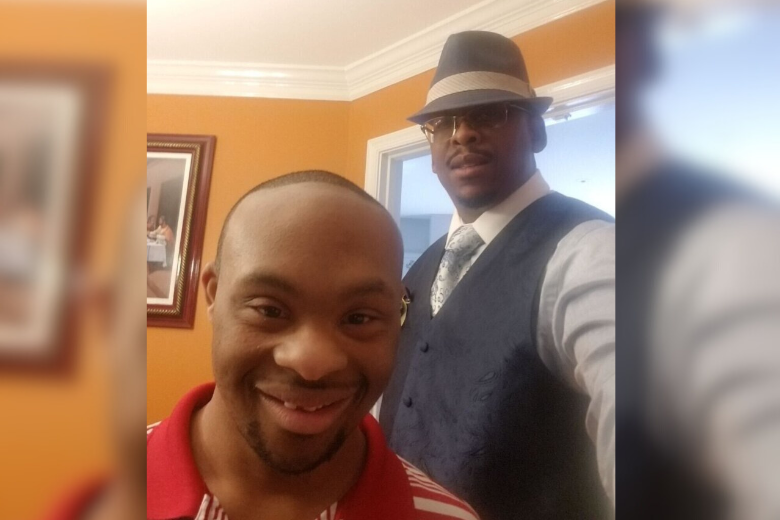
Rashawn Williams, a 31-year-old nonverbal man with Down syndrome, wandered away Oct. 20, 2023, from the Residence Inn on Plum Orchard Drive in Silver Spring, which was serving as a temporary residence provided by his group home, WeAchieve Inc., the lawsuit states.
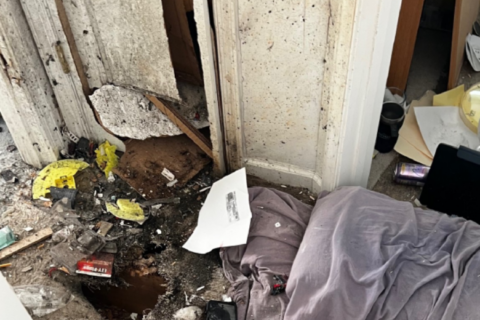
Williams was found in a storage area of the Glenmont Metro station in “horrific conditions” six days later, according to the lawsuit filed in Montgomery County Circuit Court. The lawsuit states Williams had been trapped there without food or water, and was covered in urine and feces.
Earlier this month, a Maryland court denied Metro’s motion to dismiss the lawsuit.
Inadequate supervision contributed to disappearance, filing says
On the day of Williams’ disappearance, one WeAchieve employee was supervising Williams and three other company residents who also had mental or developmental disabilities, according to the lawsuit. Williams’ family states that was a violation of state-required supervision ratios.
When the caregiver left Williams unsupervised to retrieve a bathroom key, the lawsuit states Williams walked down the hallway and into an elevator, left the Residence Inn and boarded a bus headed to Fort Totten.
Williams had only the clothes he was wearing; he wasn’t carrying a phone or any other technology to assist in tracking him.
The lawsuit further states the WeAchieve caregiver called police shortly after Williams went missing, but did not call his parents, who could have provided insight into his patterns and thought processes that may have helped find him.
The company notified Williams’ parents of his disappearance over an hour after he was last seen, according to the lawsuit.
WTOP has reached out to WeAchieve for comment on the lawsuit.
Metro employees accused of failing to help Williams
Williams ended up on the last Metro train to Glenmont, where he arrived at 12:37 a.m. Oct. 21. A Metro employee found Williams, who didn’t understand the train was out of service, and ushered him off the train. According to the lawsuit, that employee did not offer any additional assistance “despite Rashawn’s visible disability and obvious confusion.”
After Williams struggled to get through the fare gate, he stood by the kiosk waiting for assistance.
The station manager in the kiosk, according to the lawsuit, was using the landline phone for a personal call that ultimately lasted more than 30 minutes; he ignored Williams, who “threw his hands up in frustration and walked back further into the metro station,” the suit states.
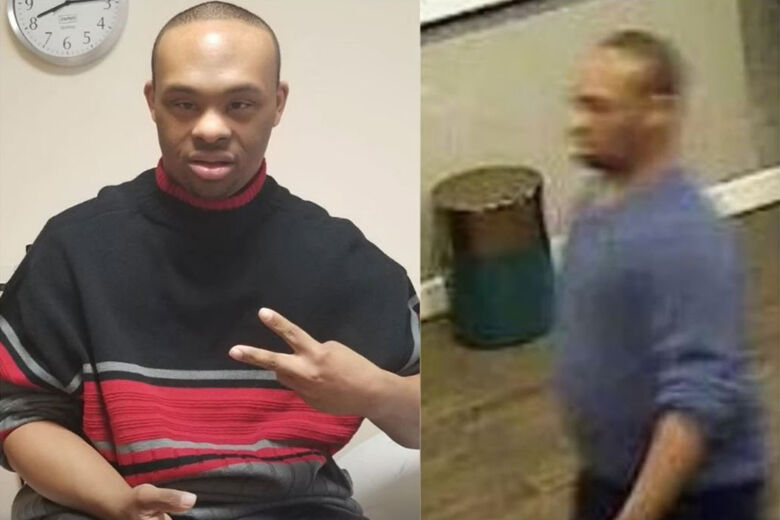
He wasn’t seen again until around 10 p.m. Oct. 26.
In response to a request for comment on the lawsuit, a Metro spokesman told WTOP, “Metro does not comment on ongoing litigation.”
‘Rashawn endured a harrowing ordeal’
The night Williams was found, a Montgomery County police officer was conducting a search of the Glenmont Metro station. A station manager told the officer that emergency exit doors in the station led into a room and locked from the inside upon closing. The officer and station manager went to search the rooms.
The officer pushed the exit door and found an empty storage room with a second doorway leading to another stairway and an emergency exit ladder with access to the street. When the officer opened the second doorway, he found Williams.
Metro refers to the area where Williams was found as an “area of refuge,” or AOR.
He had been trapped in the locked room for nearly six days, according to the lawsuit, without food or water; he was covered in urine and feces and was severely dehydrated.
“The conditions that Rashawn endured were dire, as he spent the entirety of his unnecessary confinement in complete darkness, isolated and vulnerable,” the lawsuit reads. “The lack of light and basic hygiene led to an infestation of insects in his hair, further exacerbating his suffering and deteriorating condition.”
According to the lawsuit, Williams would have been found the same night he went missing, had Metro’s employees adhered to established protocols. Metro’s closing station managers are supposed to visually inspect their stations and “pay special attention to areas of the station where confused customers or customers with diminished capacity might sleep,” the lawsuit states.
The filing also cites protocols that state the opening station manager is supposed to inspect the AOR for door security and that station managers are supposed to inspect the AOR daily.
Williams’ family states the ordeal has had “a profound effect on Rashawn and has significantly impacted his behavior and daily routines,” including staying awake at night, panic episodes and changes to his eating habits.
His family is seeking a jury trial and monetary damages from both WeAchieve and Metro.
Get breaking news and daily headlines delivered to your email inbox by signing up here.
© 2026 WTOP. All Rights Reserved. This website is not intended for users located within the European Economic Area.