As the United States marks its 250th anniversary, WTOP presents “250 Years of America,” a multipart series examining the innovations, breakthroughs and pivotal moments that have shaped the nation since 1776.
The American Petroleum Institute is proud to partner with WTOP to bring you this series.
Before refrigerators became a fixture in American homes, what people ate largely depended on where they lived and the season.
Fresh meat spoiled quickly, fruits and vegetables were available only during harvest periods, and transporting food over long distances was often difficult and unreliable.
That began to change in the late 19th and early 20th centuries as oil- and gas-powered refrigeration transformed the way food was stored and distributed across the country.
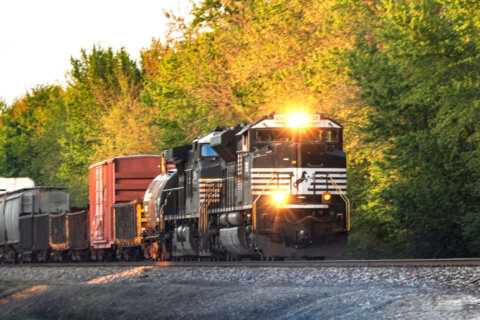
The shift started on the railroads.
By the 1870s and 1880s, refrigerated railcars were carrying meat from Midwestern stockyards to cities along the East Coast. Those early railcars laid the foundation for a nationwide system that would reshape how Americans accessed food.
Building a national food network
As mechanical refrigeration technology improved, cooling systems became more reliable and widespread.
What began as a novel innovation evolved into a national cold-chain network that changed food distribution across the country.
Cities such as Chicago emerged as major hubs. Meatpacking plants operated year-round, processing livestock and shipping beef, pork and poultry nationwide.
Refrigerated transportation expanded the reach of farms and producers, linking rural communities to urban markets in ways that had not previously been possible.
The impact on American diets was significant.
Before refrigeration, many households depended on preserved foods, including salted meats, canned goods and root vegetables that could last through the winter. Fresh produce was often difficult to find outside the growing season.
As refrigerated railcars and later refrigerated trucks became more common, grocery stores were able to stock a wider variety of foods throughout the year.
Refrigeration moves into the home
By the early 20th century, refrigeration technology was making its way into American kitchens.
The introduction of electric refrigerators changed daily life, allowing families to safely store milk, meat and leftovers for extended periods.
Companies including General Electric and Frigidaire produced household refrigerators that helped make food storage safer and more convenient.
The change went beyond convenience. It altered expectations about how food was purchased, stored and consumed.
Foods that once needed to be eaten immediately could now be preserved for later use, changing household routines and meal planning.
Creating a year-round food system
Energy played a central role in the refrigeration revolution.
Maintaining low temperatures required a steady power source, whether in a railcar transporting food across the country or a refrigerator running overnight in a family kitchen.
Oil and natural gas helped support that system by generating electricity and, in some industrial settings, directly fueling refrigeration equipment.
The growth of refrigerated trucking during the mid-20th century further expanded food distribution, helping create a more dependable, year-round supply of perishable goods.
Historians also note that refrigeration contributed to public health improvements. By slowing bacterial growth, it reduced the risk of foodborne illness and improved the safe handling of perishable foods.
Refrigeration did more than preserve food. It expanded consumer choice, improved food safety and connected distant regions through a single national marketplace.
The year-round variety found in today’s grocery stores is built on that foundation, supported by the energy that helps keep food fresh from farm to table.
Get breaking news and daily headlines delivered to your email inbox by signing up here.
© 2026 WTOP. All Rights Reserved. This website is not intended for users located within the European Economic Area.