As the United States marks its 250th anniversary, WTOP presents “250 Years of America,” a multipart series examining the innovations, breakthroughs and pivotal moments that have shaped the nation since 1776.
Delta Dental Federal Government Program is proud to partner with WTOP to bring you this series.
For much of American history, schools have been seen primarily as places for children to learn academics like reading, writing and arithmetic.
Over time, educators, health professionals and policymakers have come to recognize that student success involves more than just academics alone — it also includes the health and well-being of students.
As a result, schools have evolved from places focused primarily on academics into institutions that also promote physical fitness, proper nutrition and preventive healthcare.
Physical education
The rise of physical education in schools evolved from the 19th-century focus on military preparation, with PE being used as a tool to help train and educate soldiers for battle. Following the Civil War, some schools adopted laws requiring physical education programs in public schools to better prepare future generations for war.
In 1855, Cincinnati became the first city to include PE in its public school system. California became the first state to mandate PE in 1866.
Although the aftermath of the Civil War helped shape mandatory physical training laws, the requirements gained traction and became more widespread around World War I and World War II when nearly one-third of military draftees were deemed unfit for combat.
In the 1950s, the Korean War further proved that Americans were not as physically fit as expected, which led to more focus placed on physical fitness. As a result, the President’s Council on Youth Fitness was formed in 1956 to raise public awareness about American children’s declining physical fitness.
Nutrition
The military draft also played a role in shaping nutritional guidance for students. Congress passed the National School Lunch Act in 1946 after lawmakers learned about the number of World War II recruits rejected due to diet-related health problems.
Before the legislation, school lunch programs were scattered and unstable, often relying on local dollars and short-lived federal relief. The creation of the National School Lunch Act established a nationwide, federally funded commitment to ensure that schools across the country had the resources and standardized support to feed students consistently.
Since then, school meals have evolved from providing nationwide funding to also creating nutritional standards in schools.
More recently, the Healthy, Hunger‑Free Kids Act of 2010 — signed by then-President Barack Obama — reshaped the nation’s school nutrition programs by updating meal standards and expanding federal support for child nutrition. The law became a central pillar of Michelle Obama’s Let’s Move! campaign, which aimed to curb rising childhood obesity rates.
Oral health
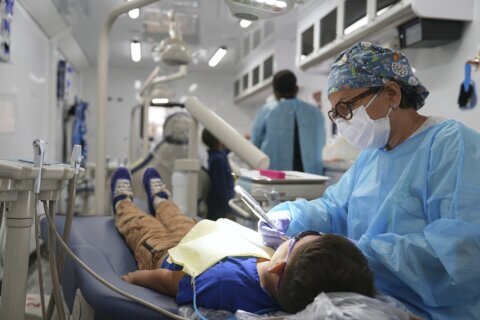
The health of America’s children extends beyond efforts to improve physical fitness and nutritional standards. Oral health became an increasingly important part of school health initiatives as educators and healthcare professionals recognized the connection between dental health and overall well-being.
In 1915, Kansas became one of the first states to enact a dental screening law for school-aged children. Three decades later, Pennsylvania established statewide requirements for oral health assessments in specific grade levels.
National attention to children’s oral health continued to grow throughout the twentieth century. In 2003, the American Academy of Pediatric Dentistry (AAPD) formally adopted a policy encouraging oral health examinations before kids start school.
The recommendation was built on existing concerns noted in the landmark 2000 Surgeon General’s Report on Oral Health — which highlighted the impacts of untreated dental disease on children’s health.
In response, a number of states, including California, Illinois, Kentucky and New York, enacted legislation during the 2000s requiring dental examinations for school-aged children. Today, 16 states and the District of Columbia require dental exams or screenings before or during a child’s school years.
From early dental screenings to more nutritious lunches, these initiatives reflect a broader evolution in American education, where schools have increasingly served not only as places for learning, but also as promoters of children’s health.
Get breaking news and daily headlines delivered to your email inbox by signing up here.
© 2026 WTOP. All Rights Reserved. This website is not intended for users located within the European Economic Area.