A new law scheduled to go into effect next year could help Virginians lower the cost of their utility bill.
Gov. Abigail Spanberger has signed a proposal that will allow homeowners and renters to begin using plug-in solar systems. Introduced by Del. Paul Krizek and Senate Majority Leader Scott Surovell, the plan made its way through the General Assembly earlier this year.
While rooftop solar systems may be unaffordable for some Virginians, plug-in or balcony systems make the concept more accessible. The idea is widely popular across Europe, and Utah passed a similar measure.
“Part of it is the emotional bit about being able to say, ‘I’m doing something,'” said Jamie Bacon, who lobbied Krizek to move forward with the legislation. “I think you can save maybe $20 to $30 a month with a small system, which adds up.”
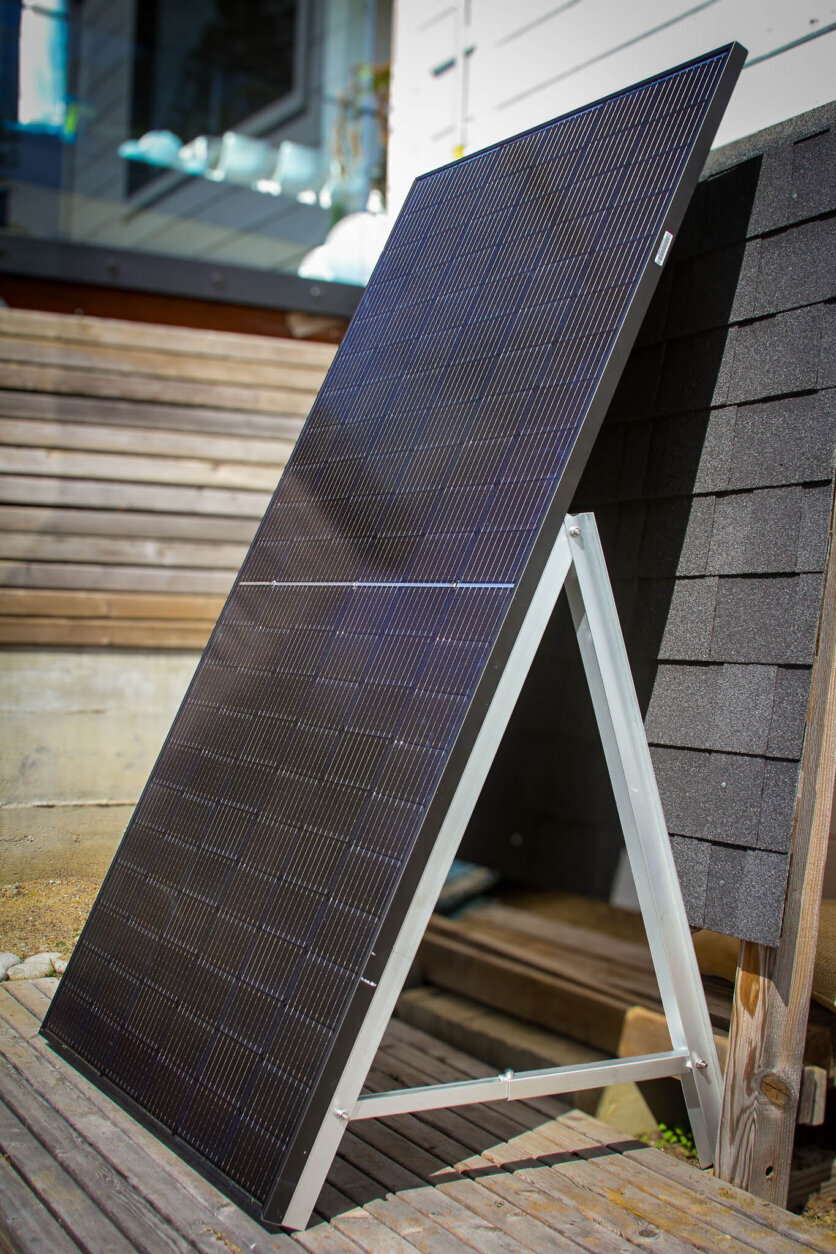
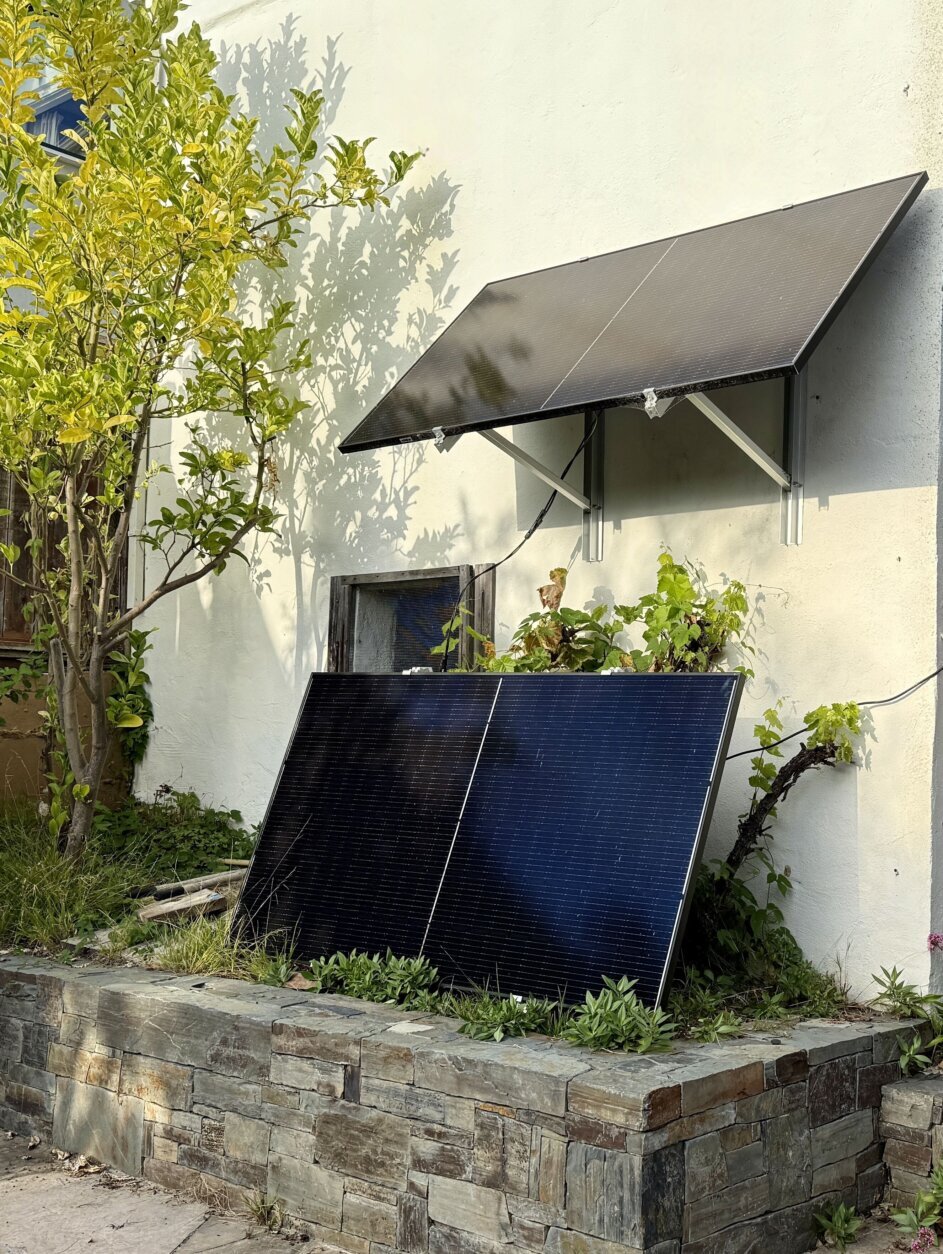
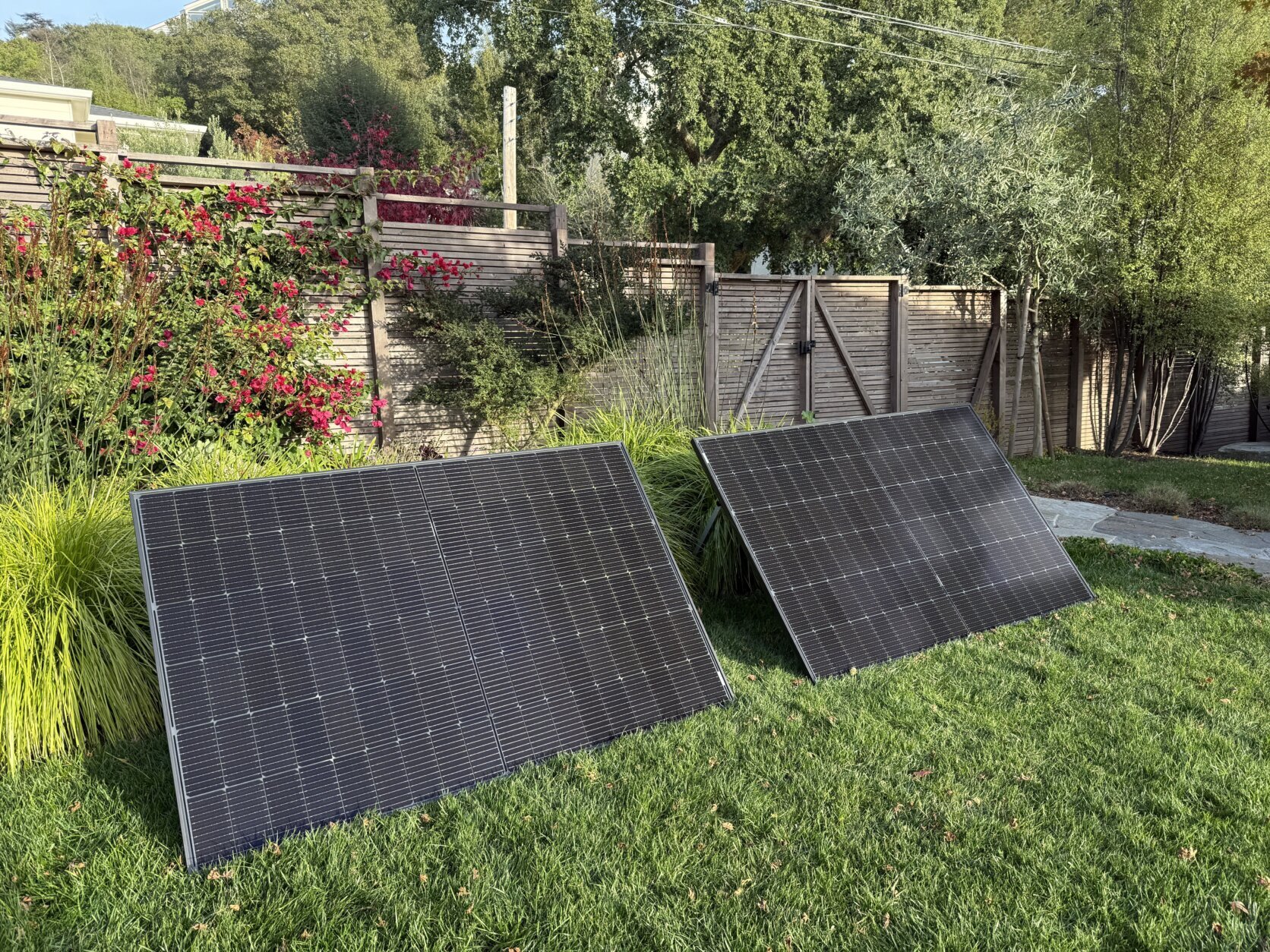
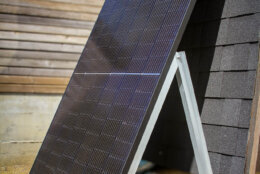
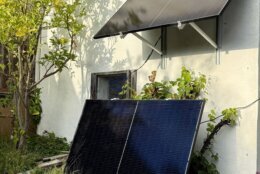
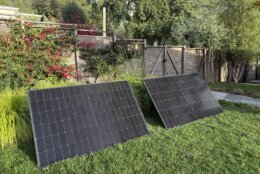
The process usually involves two to four solar panels, making it smaller scale than a rooftop setup.
It gets plugged into an outlet and “it allows you to start producing some of the electricity that you’re using in your home during that period of time when the sun is shining; and therefore, you’re drawing less from the utility and lowering your bill,” said Bob Soule, an electric coach with Go Electric DMV.
The legislation bans companies from creating interconnection requirements, charging fees related to the device or requiring their approval before installing or using the device. The companies aren’t responsible for damage or injury it may cause, the bill said, and the State Corporation Commission will have to develop and publish a notification form for customers to fill out to indicate they’re using plug-in solar.
Bacon, who lives in a condo in Fairfax County, said she knows renters and owners who would be eager to put a solar system on their balcony. During the legislative process, there was “a little pushback from Dominion,” she said.
It does let landlords create “reasonable restrictions” for size and placement of the small devices.
“What these bills do is it establishes the ground rules, make sure they’re safe, it establishes a certain limit on the size, so that it’s not going to overpower the utility, and certain reporting requirements to let the utility know that you’ve got one of these systems,” Soule said.
As the idea becomes more widespread, Soule said the systems should be available online at places, such as Costco, Home Depot or Ikea.
The plan allows for a device that has a maximum power output of 1,200 watts. It’s scheduled to take effect Jan. 1, and Soule is expecting it to be broadly appealing.
“I have a number of relatives who are quite conservative, and they’re really all into the solar stuff,” Soule said. “I think there’ll be a lot of people who might not otherwise be interested in other of these new energy technologies who will say, ‘Hey, this plug-in solar thing appeals to me.'”
Get breaking news and daily headlines delivered to your email inbox by signing up here.
© 2026 WTOP. All Rights Reserved. This website is not intended for users located within the European Economic Area.