Gobble up these surprisingly healthy favorites -- guilt-free
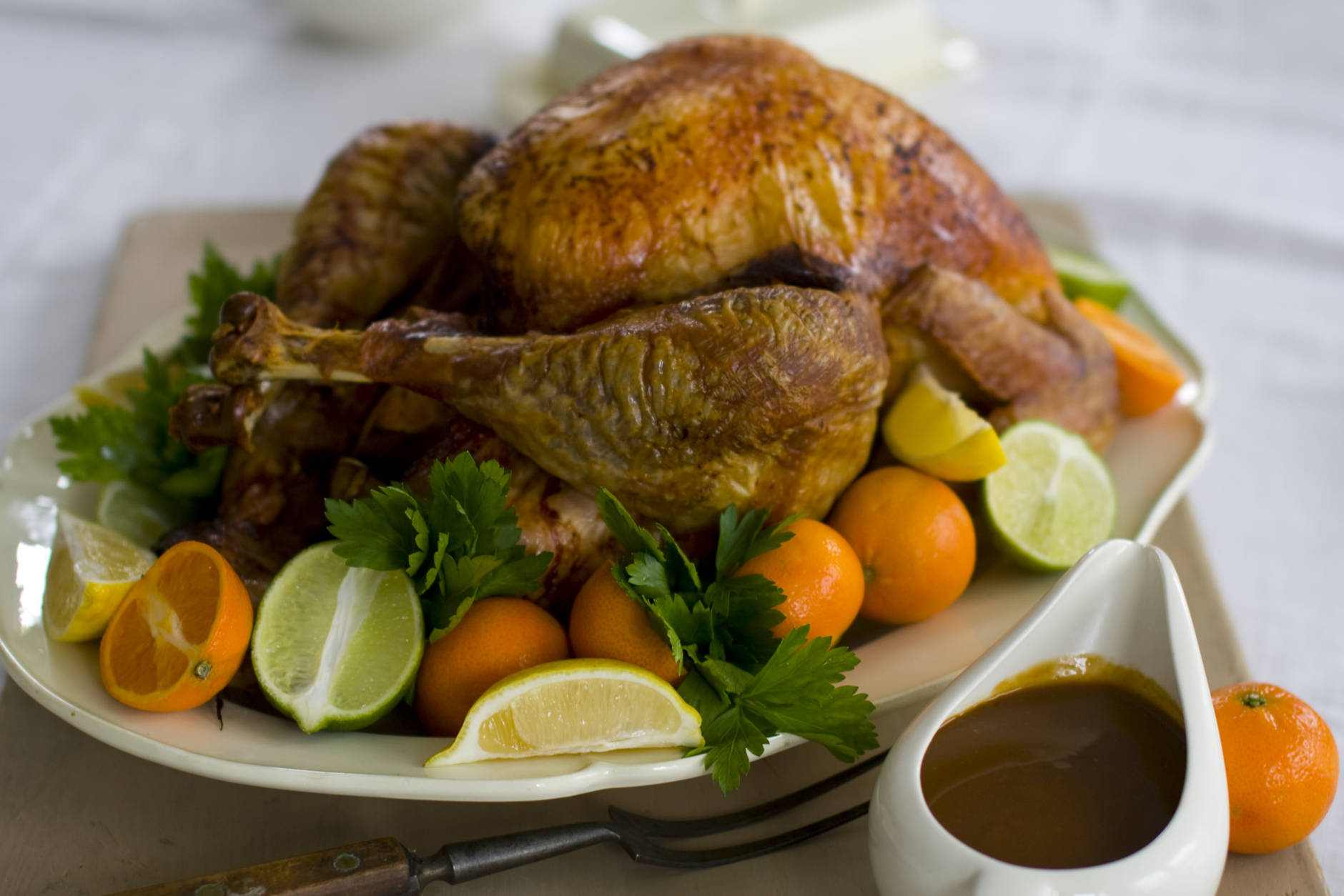
1. Turkey
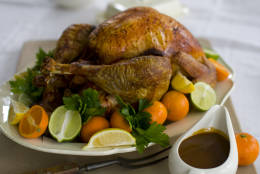
Dark meat or white, turkey is one of the lowest-calorie protein sources you can eat. In fact, skinless turkey breast has one of the highest protein-to-calorie ratios of any food. All that high-quality protein will enhance satiety so you’re less likely to overeat when dessert arrives. A 3-ounce serving of skinless turkey breast has about 120 calories and just 1 gram of fat. The skin is where most of the fat and calories lurk, so if you’re concerned about weight gain, cut it off before eating.
[See: 7 Healthy Ways to Gobble Leftover Thanksgiving Turkey.]
(AP Photo/Matthew Mead)
AP Photo/Matthew Mead
2. Cranberries
At the first Thanksgiving in 1621, Native Americans introduced cranberries to the pilgrims and taught them how to use the tiny berries for food and medicine. Modern research confirms that cranberries may reduce the incidence of certain infections, help maintain a healthy urinary tract, improve heart health and temper inflammation. Plus, cranberries are naturally low in calories and rich in fiber and vitamin C.
Cranberry sauce is a holiday favorite. Since cranberries are naturally very low in sugar (read: tart), it’s OK to sweeten them to your preference. In fact, the Dietary Guidelines for Americans emphasize that a healthy eating pattern can include sugar-sweetened nutrient-dense foods, such as cranberries and rhubarb, as long as you don’t get more than 10 percent of your day’s total calories from added sugars. Need some inspiration? Wow your guests with this cranberry sauce with port and tangerine recipe.
[See: 8 Foods Loaded With Vitamin C.]
(AP Photo/Elise Amendola)
AP Photo/Elise Amendola
3. Pumpkin
Native to North America, pumpkins are nutritional all-stars that are available fresh every fall or canned year-round. One cup of cooked, pureed or mashed pumpkin provides about 50 calories, 2 grams of protein and 3 grams of fiber. This orange winter squash also contains vitamin C, iron, zinc, potassium and beta-carotene. Since most of us fail to get enough deep orange cancer-fighting veggies in our diets, pumpkin can help fight that deficit.
To get the most health benefits from pumpkin, think beyond its use as pie filling. Try roasting it with sage or other spices, such as nutmeg, ginger, cinnamon and cloves, and enjoying it as a side dish paired with cranberries. (AP Photo/Matthew Mead)
[See: Unusual Uses for Pumpkins.]
(ASSOCIATED PRESS/Matthew Mead)
ASSOCIATED PRESS/Matthew Mead
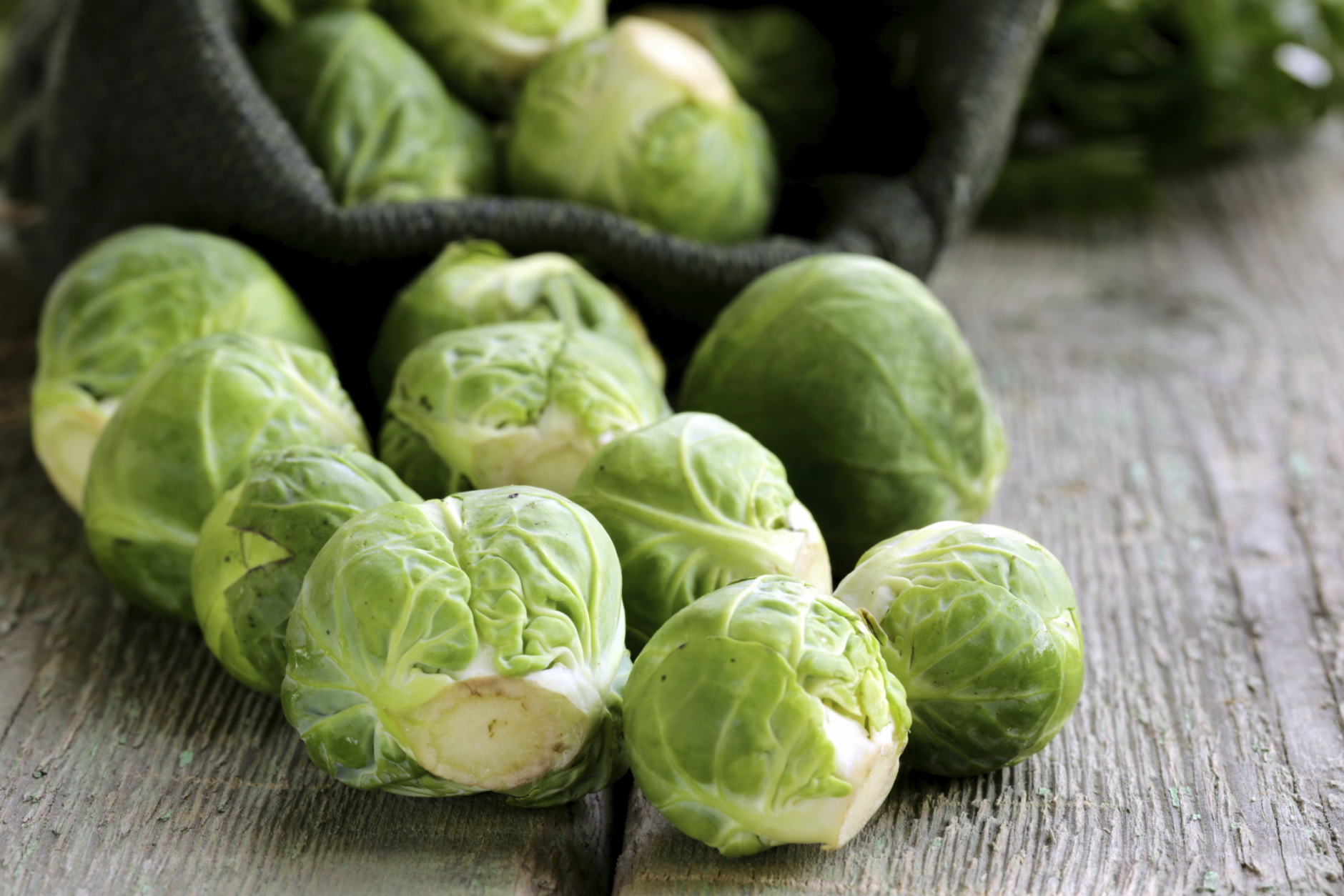
4. Brussels Sprouts
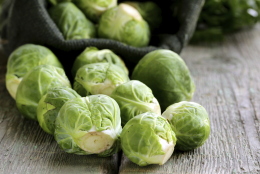
Whether you love or hate them, many families serve these disease-fighting cruciferous veggies at Thanksgiving. This cousin of cabbage is low in calories, yet is a good source of vitamin C, fiber, protein and potassium. Research shows that Brussels sprouts’ phytonutrients help bolster the immune system and act as potent antioxidants.
Brussels sprouts are best when they’re not overcooked, so try roasting or sauteing them rather than boiling or steaming them. If you roast them, try doing so with olive oil and salt, and topping them with freshly grated Parmesan cheese. You could also opt for a classic holiday side dish: roasted Brussels sprouts with pancetta and balsamic vinegar.
(Getty Images/iStockphoto/olgakr)
Getty Images/iStockphoto/olgakr
5. Pomegranates
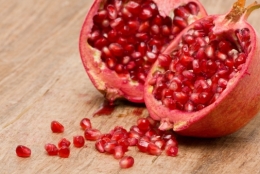
For a sweet and juicy burst of flavor and brilliant ruby red color, add fresh pomegranate arils to your favorite holiday dishes. A half-cup serving of these sweet, tart seeds has 4 grams of filling fiber. They’re also known for their unique antioxidant compounds that may help reduce the risk of some chronic conditions. Pomegranate arils are a great snack on their own, in salads or as part of this delicious pomegranate Brussels sprouts side dish. If you don’t want to open and seed a whole pomegranate, you can buy ready-to-eat pomegranate arils at the store. (Thinkstock)
[See: 6 Fruits and Vegetables You Should Eat This Fall.]
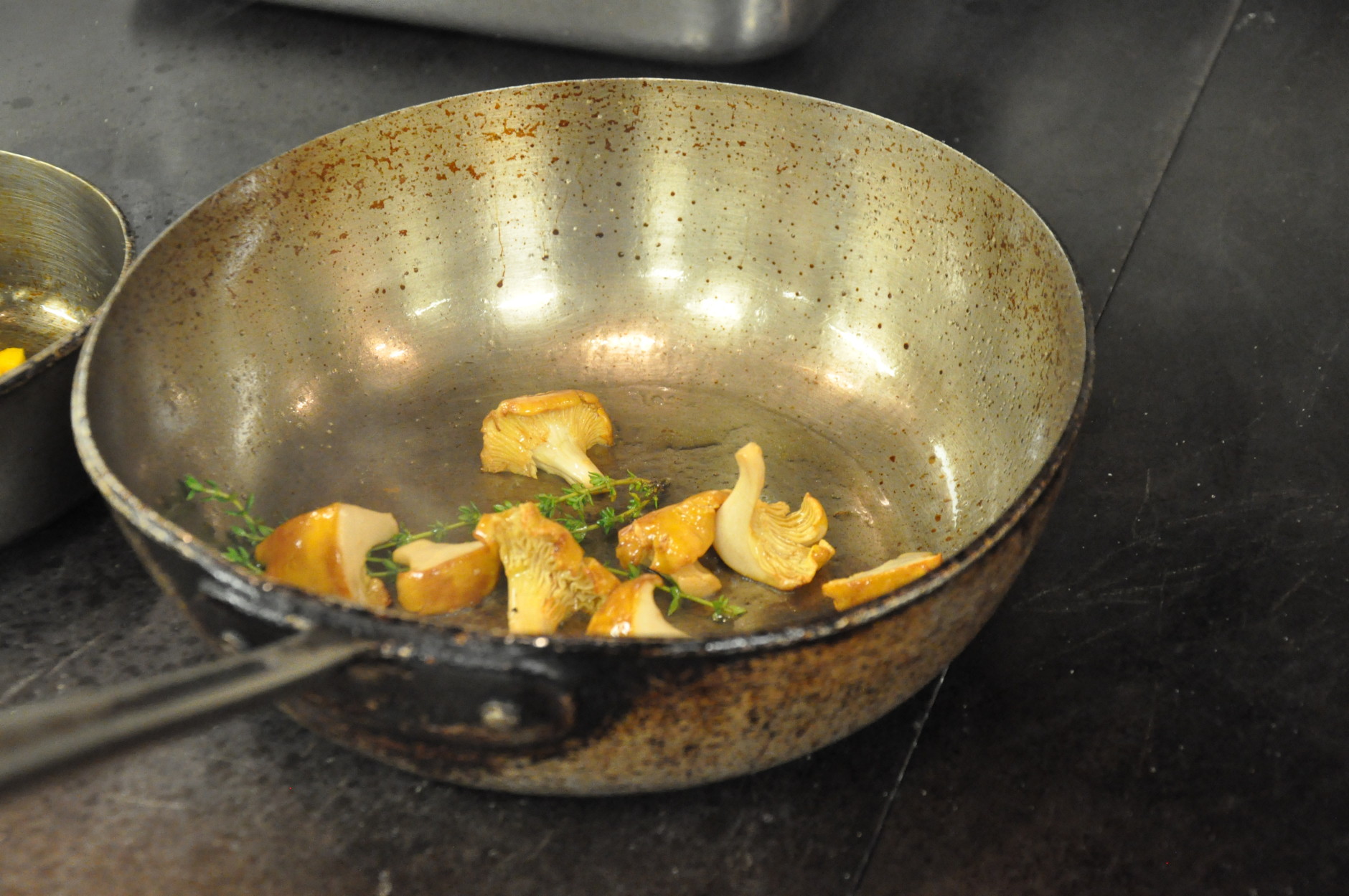
6. Mushrooms
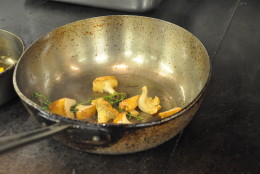
We think of them as veggies, but mushrooms are nutritionally unique because they are actually fungi. Mushrooms are low in calories and a good source of B vitamins and trace minerals. Studies show that mushrooms can bolster immunity and are one of the few foods that naturally contain vitamin D — the sunshine nutrient that many of us don’t get enough of in the winter. Mushrooms are great roasted or in stuffing or rice pilaf. You can also make stuffed mushrooms as an appetizer that will be sure to impress your guests.
(WTOP/Rachel Nania)
A Thanksgiving dinner with turkey and all the trimmings can easily add up to more than 2,500 calories — more than most adults need in an entire day. But don’t let that dampen your merriment. Instead, gobble up these surprisingly healthy favorites — guilt-free: