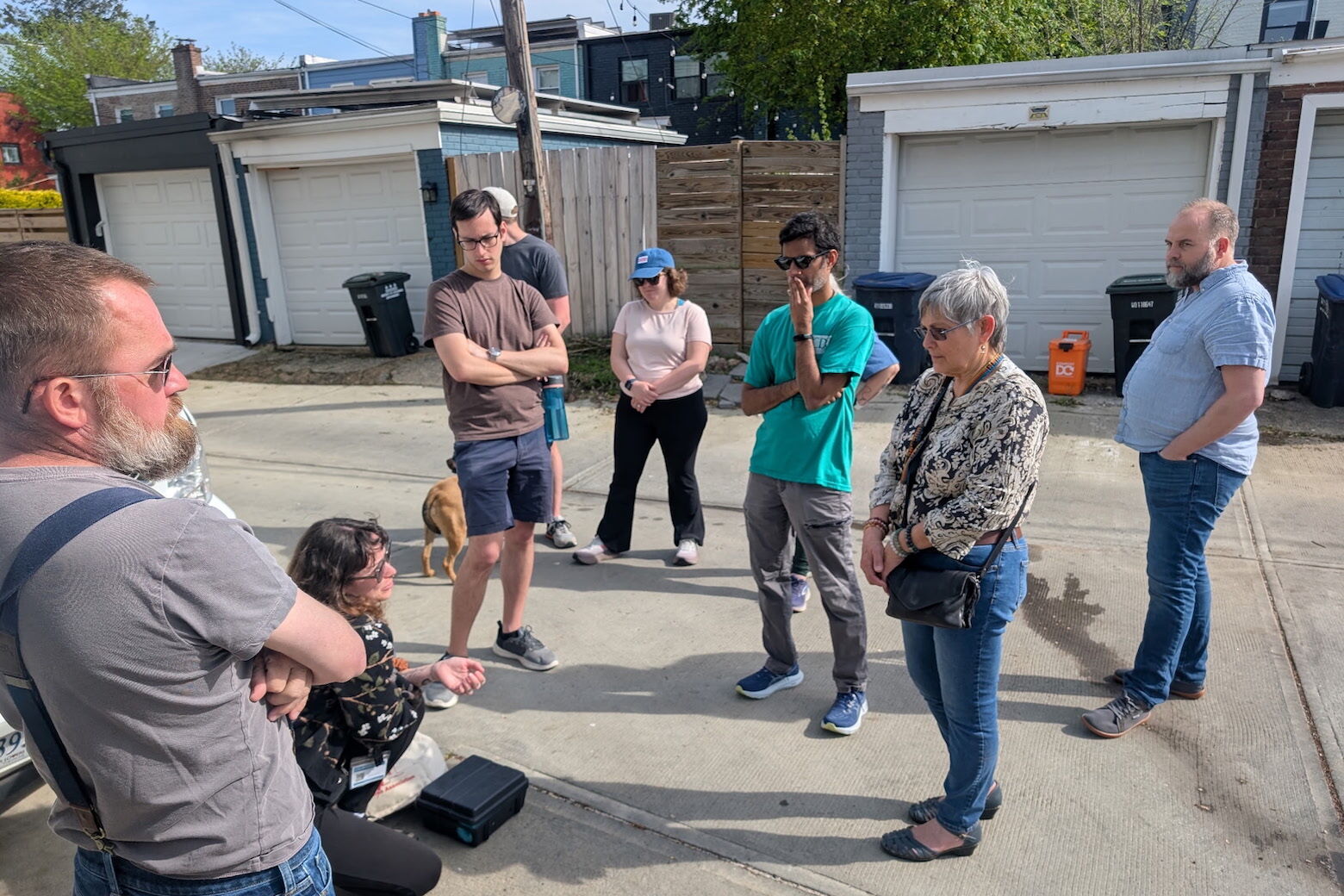
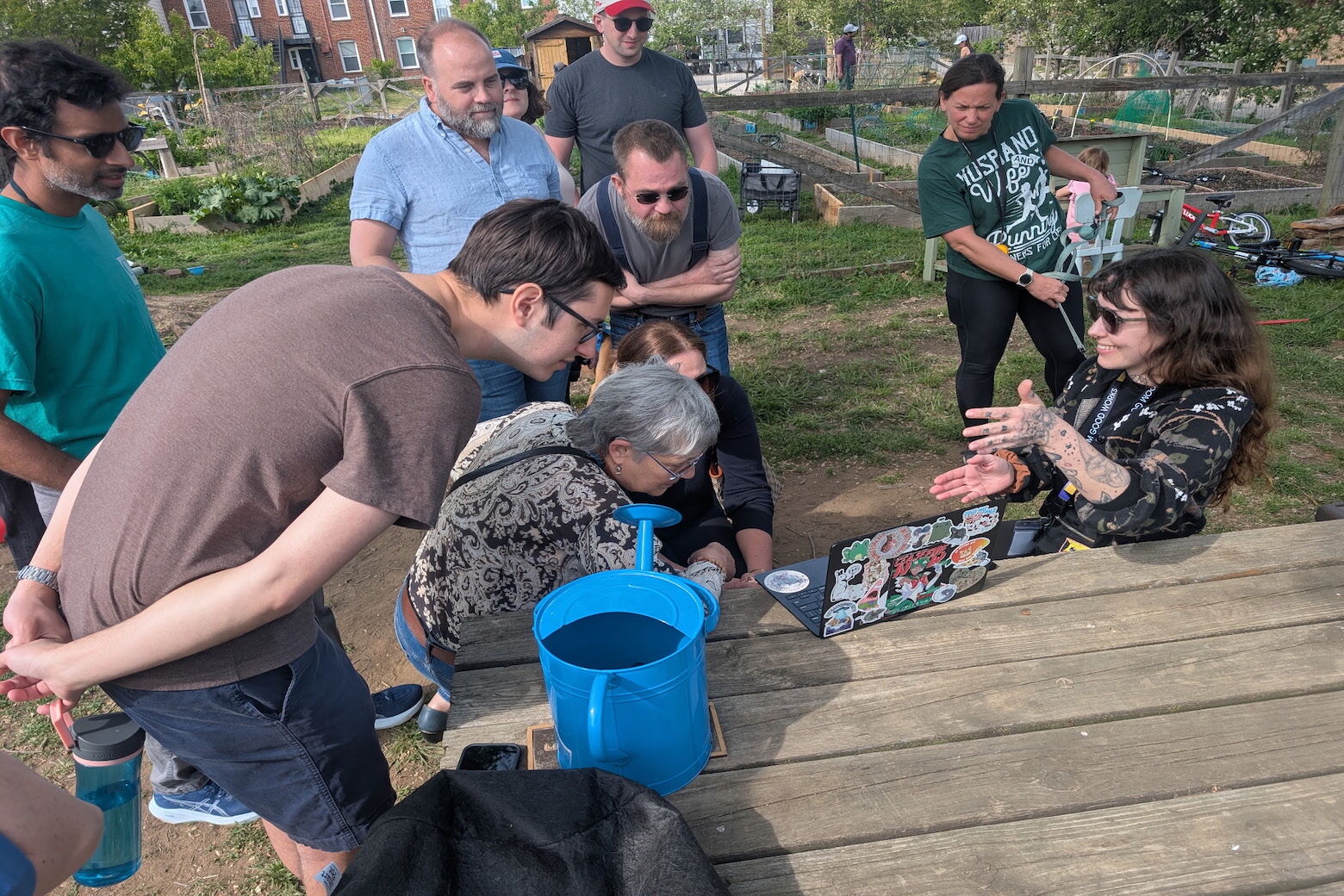
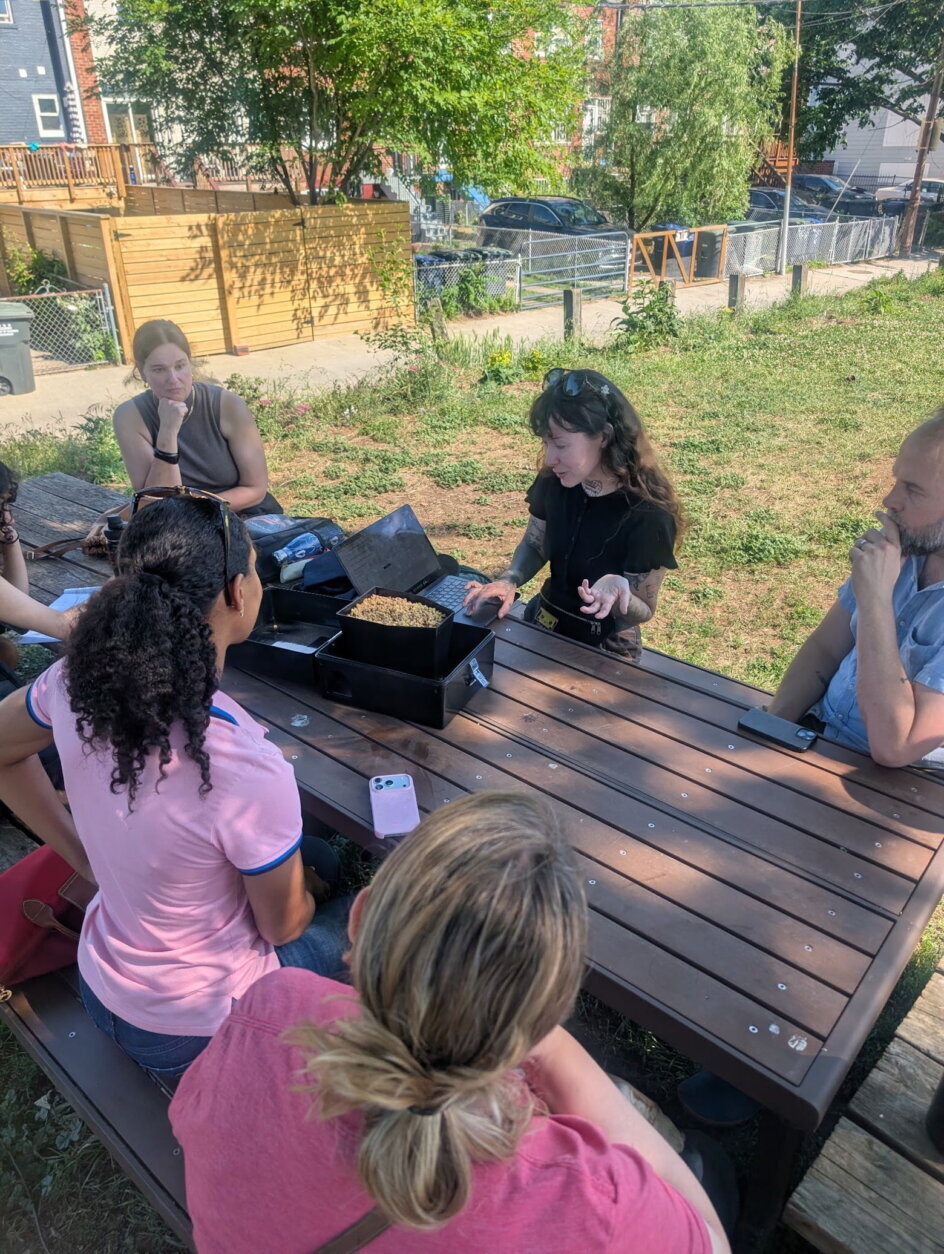



D.C.’s rat problem continues to grow, and one local neighborhood is the site of the latest effort to reduce the rat population.
The D.C. Responsible Rat Management Coalition has launched a yearlong study in the Kingman Park neighborhood. The study will use two methods to try to bring the rodents under control. These include cutting food sources and introducing a new rodent contraceptive.
Trying birth control for rats isn’t completely new. The D.C. Department of Health announced it was piloting the use of a rat contraceptive in its blitz on rats in April. Max Broad, executive director of D.C. Voters for Animals told WTOP, “I do have to applaud them for trying something novel.” But he pointed out that unlike D.C. government’s efforts, the Coalition won’t be employing rodenticides.
“We’re trying a new contraceptive — it’s an edible contraceptive — from the fertility nonprofit called Wisdom Goodworks,” Broad said. How does anyone get a rat to take birth control? Broad explained that it’s been designed with the rat palate in mind — and to be more attractive than the food scraps that rats root around for in and around trash cans across the District.
In terms of whether the contraceptives actually work, Broad said, “We’re still really understanding these contraceptives and how effective they are, and that’s why we’re doing this research study.” But he said, “I’m hopeful that their work shows some positive results.”
Broad said no rat abatement effort is complete without attacking a problem that humans have control over: food waste and how it’s handled. “There are two methods of prevention,” he said. “One is better sanitation and the other is exclusion, excluding rats from getting into trash cans and these buildings where they can take harbor.”
The rat population Broad said, “is going to get bigger and bigger as long as we feed them with food in our trash.” Rats “can produce litters of 8-to-10 pups every couple of months,” and one of the drivers of that is an easy to access food supply, he said.
Among the advice Broad has for residents, he said to try to reduce the amount of food waste you generate, and compost as much as you can using D.C.’s secured composting stations. He also advises “waiting until pickup day” to put any food waste in the trash.
Get breaking news and daily headlines delivered to your email inbox by signing up here.
© 2026 WTOP. All Rights Reserved. This website is not intended for users located within the European Economic Area.