As the United States marks its 250th anniversary, WTOP presents “250 Years of America,” a multipart series examining the innovations, breakthroughs, and pivotal moments that have shaped the nation since 1778.
Window Nation is proud to partner with WTOP to bring you this series.
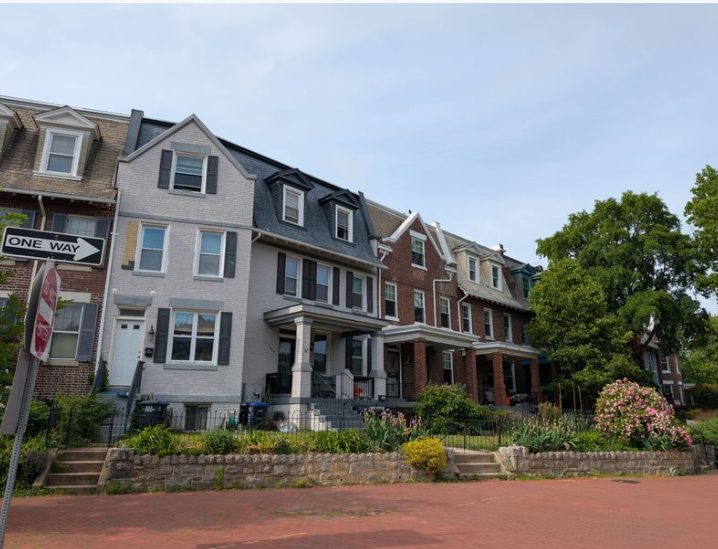
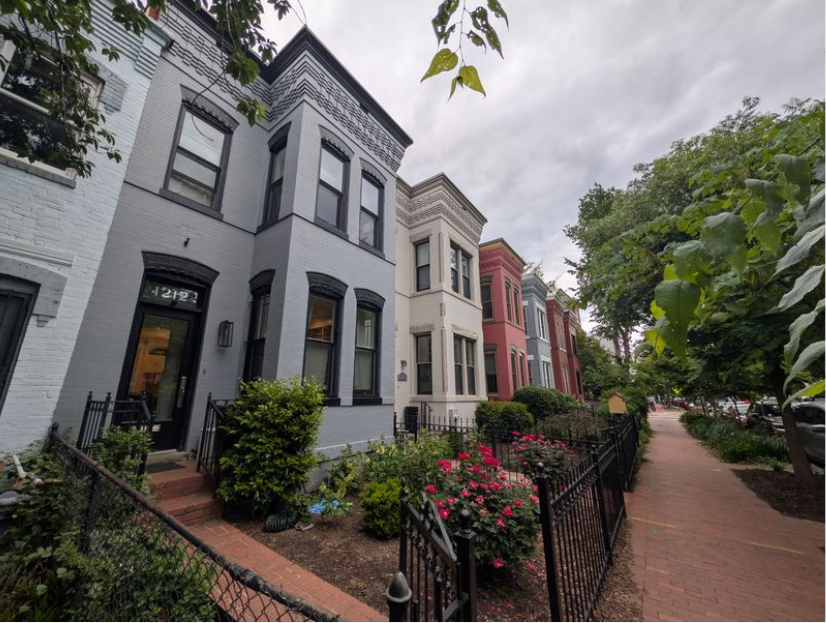
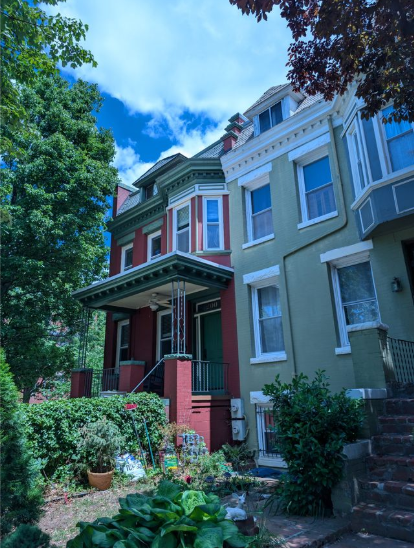
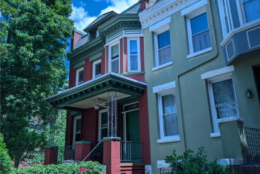
D.C.’s architectural history spans Gothic Victorians, practical Colonials and stately Greek Revivals.
When colonists arrived in the area more than 250 years ago, Georgian architecture was the most common house style. Named for Great Britain’s King George, Georgian homes are symmetrical, with flat-fronted, relatively non-ornamental facades and gable roofs.
“That’s what most people think of when they think of a house. They draw a box [with] the triangle on top. That’s a gable roof,” said Joe Himali, a licensed real estate broker and architecture influencer who leads walking tours in the District. “It is very popular in our area, and you’ll see that specifically in Georgetown. You’ll see it also on Capitol Hill.”
After the American Revolution, however, Georgian became an undesirable name. With the Federal Party in control of the U.S. government, the style became known as Federal. Similar to Georgian architecture, Federal homes were lighter and slightly more decorative.
“The most important difference between Federal and Georgian is generally the front door,” Himali said. “You’ll have what’s called a fanlight, or a window above the door that’s sort of a half arch.”
Federal homes also typically featured sidelights, narrow windows on either side of the front door.
Today, both Georgian and Federal homes are often referred to as Colonial.
“If you’re looking in Northwest D.C., and you see these houses in American University Park, they call them Center Hall Colonials,” Himali said. “That’s actually generally a Georgian or Federal style house, but we just don’t call it that anymore.”
After the Federal style came the Greek Revival movement, which tied back to the earliest democracy. The goal was to connect the history of the new nation to ancient cultures as a way to legitimize the U.S. governmental structure. Greek Revival homes are symmetrical and often white, with large front columns.
One hallmark characteristic of Greek Revival architecture can be seen at the Supreme Court and National Archives buildings.
“Above the columns, there will be a big triangle,” Himali said. “That is called a pediment, and that pediment is a major style choice with the Greek Revival.”
Another detail is dentil molding, small blocks resembling teeth beneath the roofline.
The Industrial Revolution helped usher in Victorian architecture, known for elaborate and decorative elements. Unique curves and shapes could now be machine-made rather than crafted by hand.
“It sort of took a mishmash of different things and mixed it all together in a big pot, and came up with these crazy architectural styles,” Himali said. “Turrets sticking out, conical roofs, and asymmetrical shapes. The front doors on the left, a big tower on the right, and these weird windows all over the place.”
Victorian homes were generally larger houses for the upper middle class. Several styles fall under the Victorian umbrella, including Queen Anne, Italianate and Second Empire.
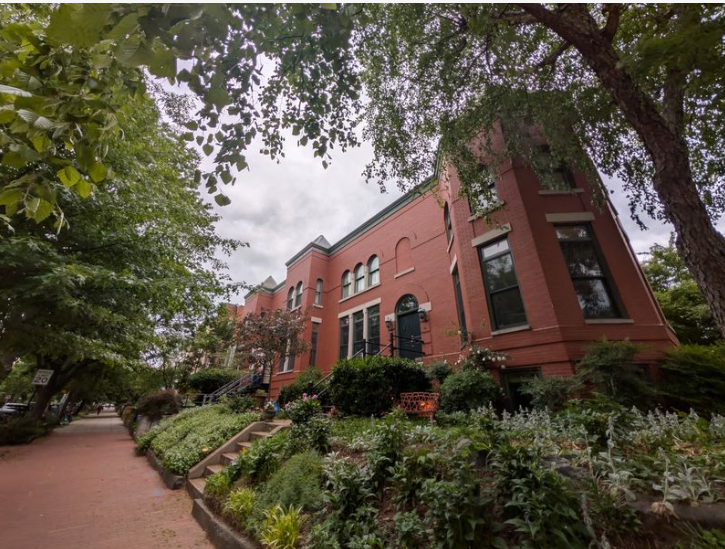
Himali said his favorite is Romanesque Revival, which features a Roman arch surrounded by short columns. One example is the Heurich House Museum in Dupont Circle.
“[It’s] very dark and brooding, but it’s just exuberant on the inside,” Himali said.
The pendulum later swung back toward the Arts and Crafts movement, which emphasized humanity and imperfection in construction. Homes featured exposed natural wood, color, increased light and stronger connections to nature. A popular Craftsman home type was the bungalow, found in Northeast and Southeast Washington.
After World War I, Americans were feeling optimistic, fueling the Art Deco movement. New materials such as stainless steel and chrome symbolized modernity during the machine age. Two well-known Art Deco buildings in Washington are the Kennedy-Warren Apartment Building and the Greyhound bus terminal.
“You’ll see a lot of this machine-look stainless steel,” Himali said. “Sleek lines and then very angular.”
Modernism arrived after World War II and is now commonly referred to as Mid-Century Modern. The movement aimed to strip away decoration in favor of a more egalitarian approach. International Style buildings often featured rows of concrete and glass windows.
“This is also where you get the term ‘form follows function’ or ‘less is more,’” Himali said. “[It’s] almost a socialist point of view, that we don’t need ornamentation.”
But criticism of Mid-Century Modern’s strict, machine-like appearance led to Postmodernism, which reintroduced bold shapes and colors and encouraged homeowners to express personality through design.
“We don’t need to have square walls with 90-degree angles,” Himali said. “Let’s do 30-degree angles, and we’ll drop the ceilings to eight feet, and we’ll popcorn ceilings up.”
Today, architecture in Washington often blends historic character with modern design elements, including high ceilings, open floor plans and large windows. The city stands out for its range of home styles, reflecting centuries of changing tastes and technologies.
To book a walking tour with Himali, visit Best Address.
Get breaking news and daily headlines delivered to your email inbox by signing up here.
© 2026 WTOP. All Rights Reserved. This website is not intended for users located within the European Economic Area.