


As the United States marks its 250th anniversary, WTOP presents “250 Years of America,” a multipart series examining the innovations, breakthroughs and pivotal moments that have shaped the nation since 1776.
Delta Dental Federal Government Program is proud to partner with WTOP to bring you this series.
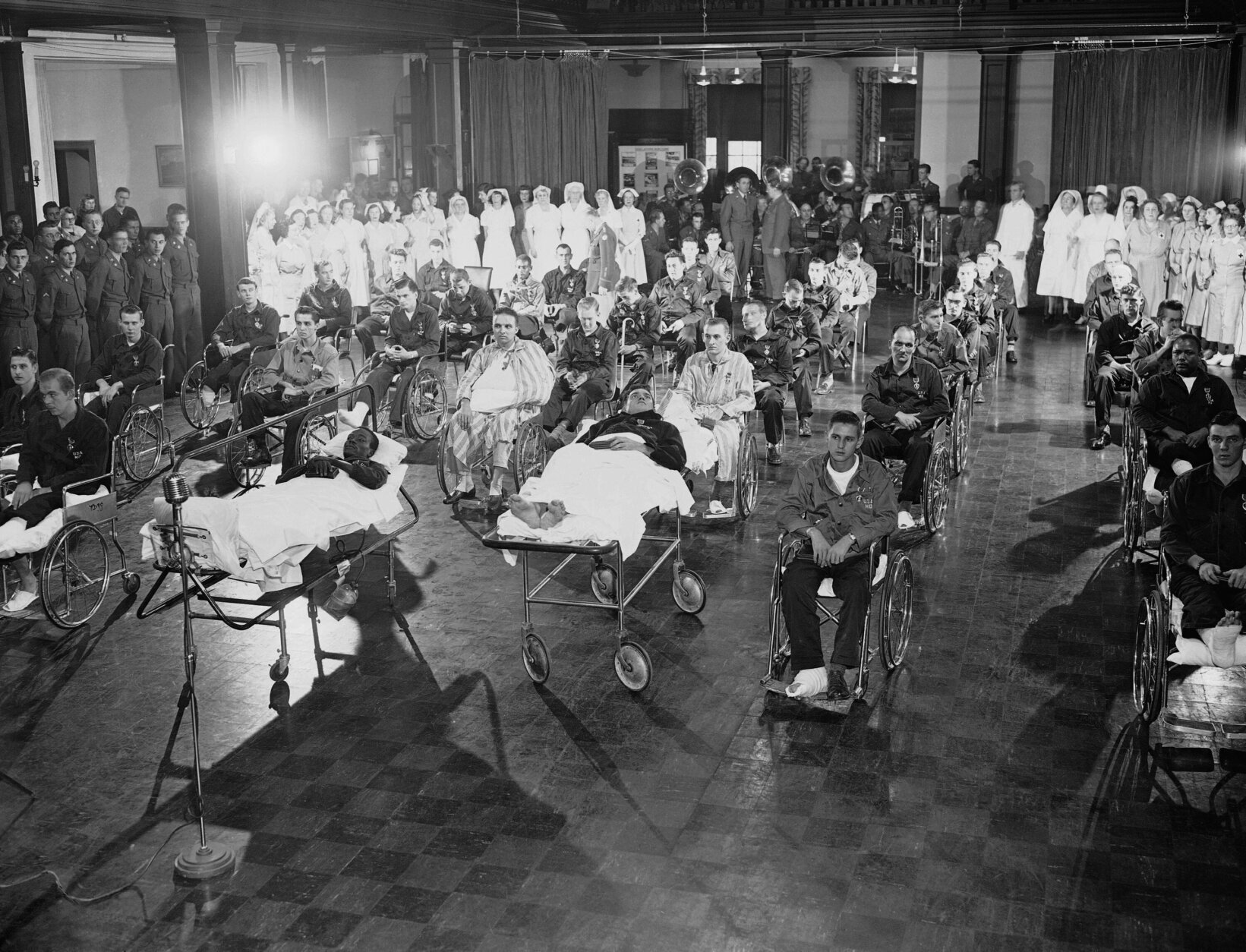
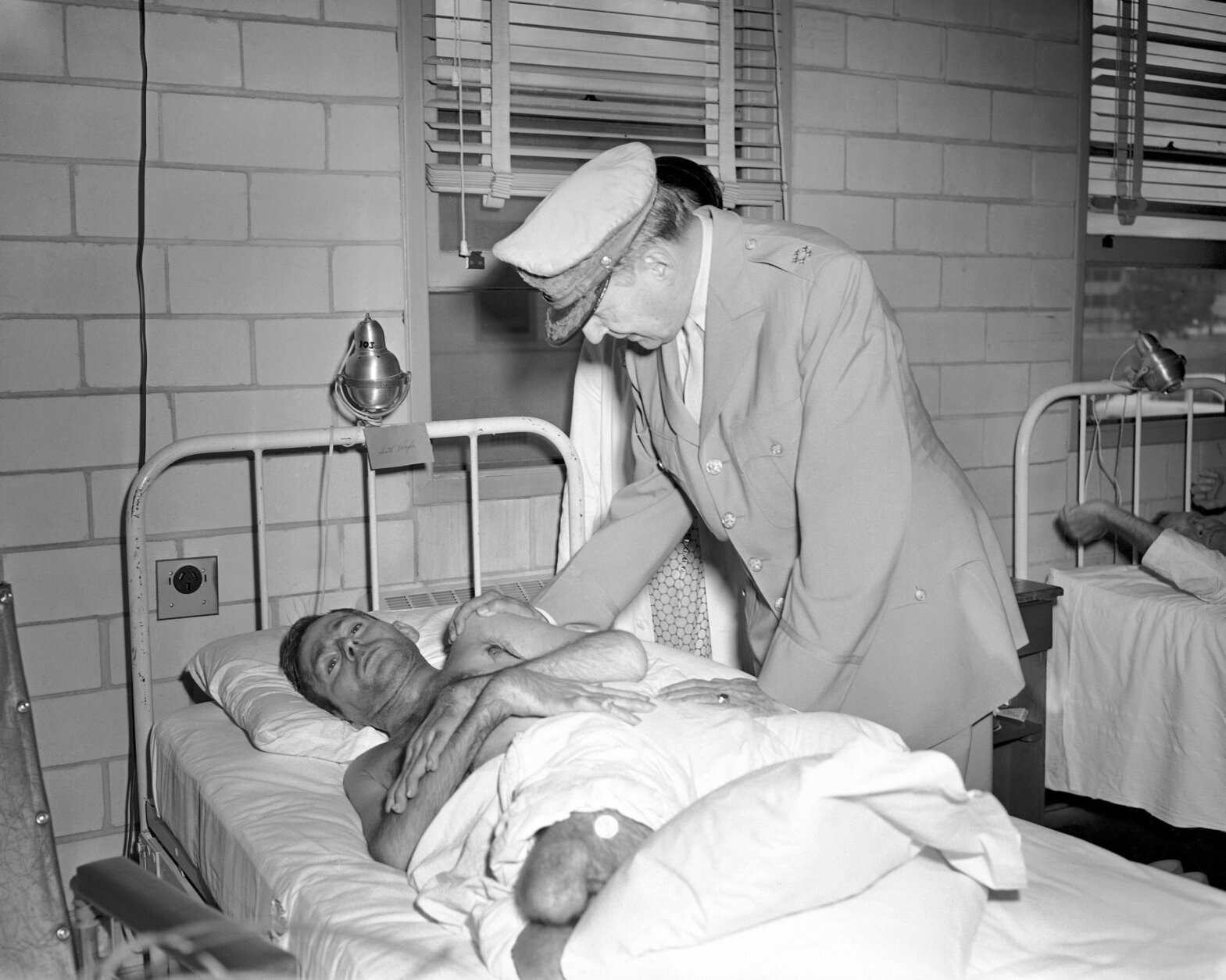
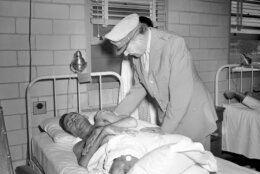
When American troops returned home from World War I, how the country handled veterans’ health was still in its early stages. Healthcare often focused on visible wounds rather than long-term impacts of those who served.
Over the past centuries, however, that approach has transformed dramatically — expanding from basic medical treatment to a more comprehensive approach of health and well-being.
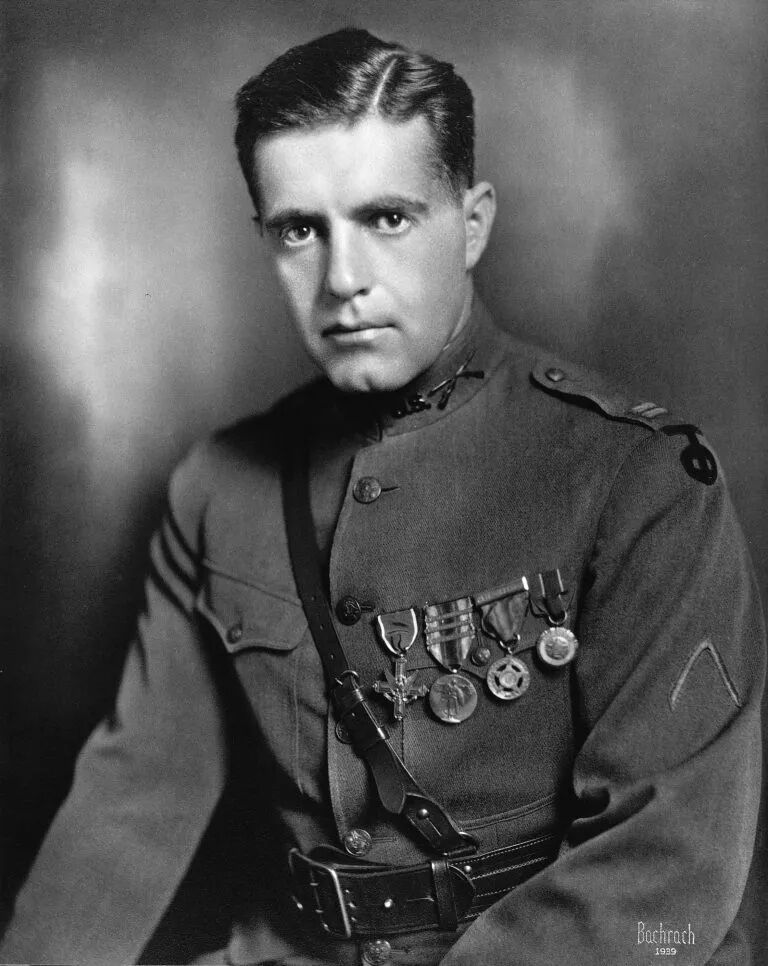
In the years following World War I, growing numbers of injured veterans exposed gaps in federal support systems. This prompted Robert S. Marx, a former Cincinnati judge, to establish the Disabled American Veterans of the World War — now known as DAV (Disabled American Veterans) — in 1920.
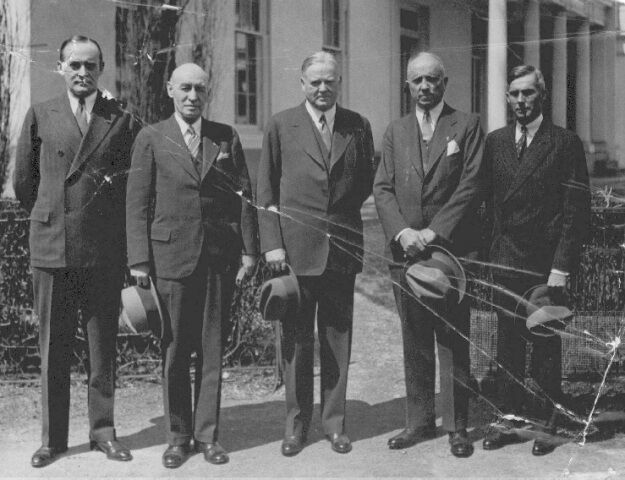
Years later, in 1930, President Herbert Hoover created the Veterans Administration (VA) through an executive order consolidating various programs into a more coordinated effort. This move reshaped how the public and the federal government perceived compensation and other benefits for veterans.
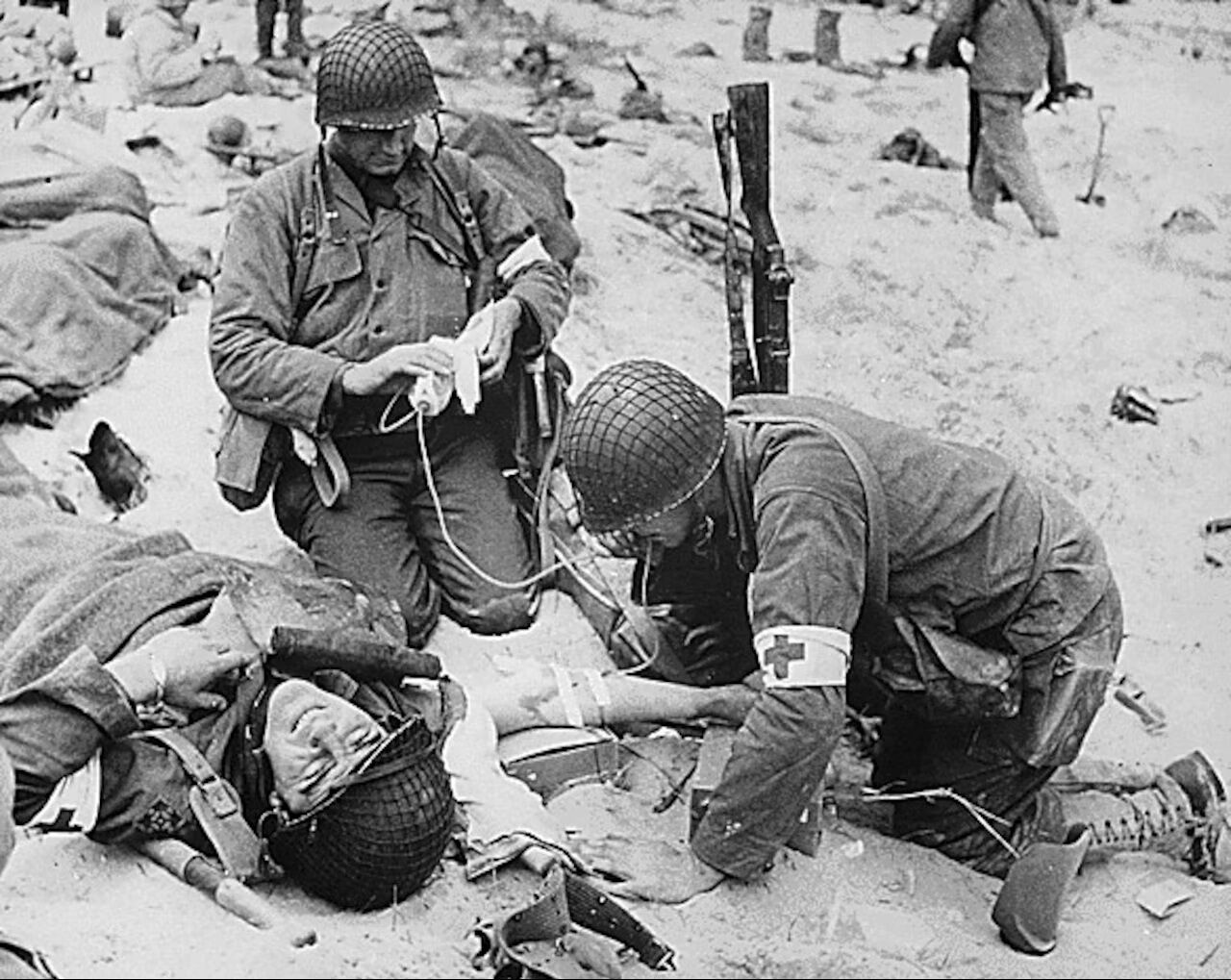
The system broadened after World War II, with more than 16 million Americans serving in the war and becoming eligible for benefits after being discharged, according to the U.S. Department of Veterans Affairs. At the war’s end, 34 new VA facilities were operating.
By the late 20th century, the scope of veterans’ health had widened again. Conditions like post-traumatic stress disorder and long-term rehabilitation needs reshaped how care was delivered, emphasizing overall well-being.
In 1978, the VA expanded access to healthcare services by introducing specialized programs, including comprehensive physical examinations.
The following year, the VA initiated Operation Outreach, which led to the creation of community-based Vet Centers designed to offer accessible mental health and readjustment counseling for veterans who were hesitant to seek care in traditional VA hospital settings. The VA took another step to address veterans’ mental health needs by establishing the National Center for Post-Traumatic Stress Disorder (PTSD) in 1989.
Yet even as the system grew more comprehensive, some aspects of care remained limited. Dental coverage, in particular, has historically been restricted to veterans meeting specific eligibility criteria, such as those with service-connected dental disabilities. In 2014, a new initiative aimed to address this need: the Veterans Affairs Dental Insurance Program (VADIP).
VADIP allows eligible veterans, as well as certain family members and survivors, to purchase discounted dental insurance through private carriers. Among those providers is Delta Dental, one of two national insurers participating in the program.
Leaders today still continue their efforts in ensuring quality healthcare for veterans. In 2014, President Barack Obama signed the Veterans Access, Choice, and Accountability Act in response to a wait-time scandal at VA facilities in Phoenix. The legislation expanded veterans’ ability to seek care outside the VA system when needed. During his first term in 2018, President Donald Trump signed the VA MISSION Act, further broadening access to community care and streamlining existing programs.
The evolution of veterans’ care mirrors a larger American story. What began as a system focused on immediate medical needs has grown into one that recognizes the importance of prevention, accessibility and quality for those who fought for the country.
Get breaking news and daily headlines delivered to your email inbox by signing up here.
© 2026 WTOP. All Rights Reserved. This website is not intended for users located within the European Economic Area.