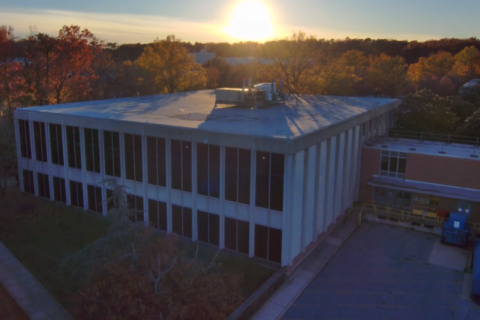
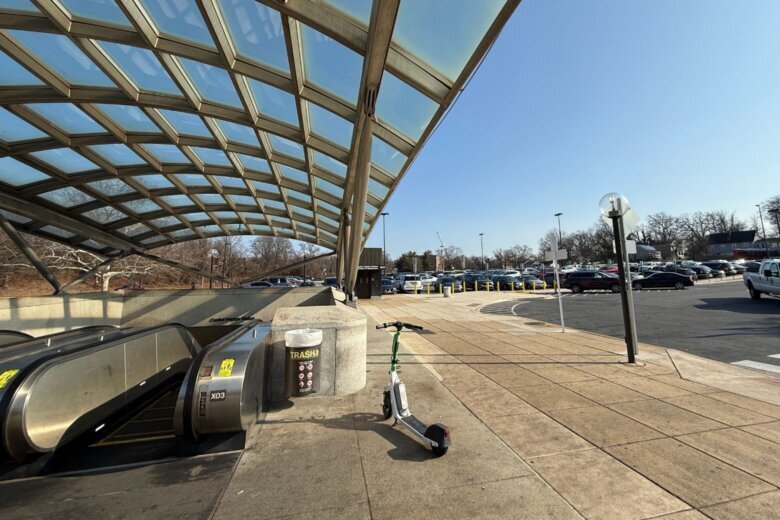
Compared with other Metro stations around the D.C. region, the area surrounding the Capitol Heights Metro station is unremarkable at best.
“Four acres of asphalt — a parking lot that just sits empty,” Maryland Gov. Wes Moore said, describing the stop on Central Avenue, which sits right on the Maryland side of the D.C. line.
But in the future, state, local and transit leaders said it will be radically different.
Local leaders announced Tuesday that Atlantic Pacific Companies will lead the redevelopment of the land surrounding the Metro station.
It’s one of a long list of projects tied to Prince George’s County’s efforts to revamp what’s known as the Blue Line Corridor, which runs near and along Central Avenue from the D.C. line to just outside the Capital Beltway.
“This station is the heartbeat of the Blue Line Corridor,” Moore said.
The state is investing $17 million into this redevelopment project, with plans for more than 300 affordable housing units and about 10,000 square feet of new retail space when it’s completed. For this particular project, the rents will be priced for those who make 60% or less of the area median income.
During the announcement, Moore also touted his support for three bills that lawmakers will consider when they return to Annapolis next week. One would see over 300 acres of state-owned land that sits adjacent to transit stations in Maryland be made available for further redevelopment. Moore said that could lead to more than 7,000 new housing units and nearly $1.5 billion in new tax revenues.
Another bill the governor announced his support for is called the Maryland Department of Housing and Community Development’s Starter and Silver Homes Act. That bill would supersede local zoning laws and make it easier to build smaller, less-expensive starter homes and townhomes.
Built on smaller housing lots, the new homes could be up to 30% less expensive than the homes being built now, according to Jake Day, Maryland’s secretary of housing and community development.
A third bill backed by the governor aims to ensure regulatory certainty during the construction approval process.
Get breaking news and daily headlines delivered to your email inbox by signing up here.
© 2026 WTOP. All Rights Reserved. This website is not intended for users located within the European Economic Area.