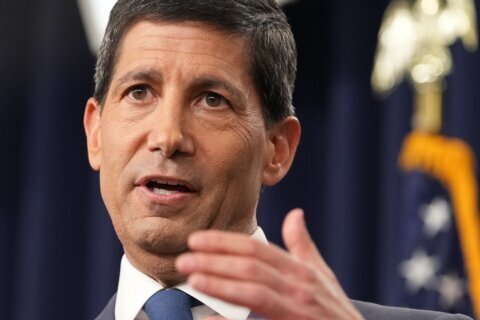
Credit card spending in the United States is “through the roof,” according to White House National Economic Council Director Kevin Hassett’s recent interview with Fox Business. Hassett also predicted a “very, very strong” job market, while studies show household debt at an all-time high as consumers use credit cards to cover everyday living expenses.
[Read: 0% Introductory APR Credit Cards]
[Read: Gas Credit Cards]
Household Debt at an All-Time High
“Rising credit card usage does not signal financial strength. For many, it’s a coping mechanism to make ends meet,” says Austin Kilgore, analyst for the Achieve Center for Consumer Insights. “Increasingly, we’re seeing Americans rely on revolving debt not for discretionary spending, but to manage the rising cost of everyday necessities.”
According to survey data from the Achieve Center for Consumer Insights, nearly 1 in 5 Americans, or 19%, report carrying credit card debt tied to essential living expenses for more than a year.
Household debts remained on the rise in the fourth quarter of 2025, reaching a 20-year high, according to the Quarterly Report on Household Debt and Credit from the Federal Reserve Bank of New York. Consumers owe $1.28 trillion on their credit cards, up 5.5% from the previous year, after credit card balances increased by $44 billion during the fourth quarter of 2025.
“The labor market may still appear relatively resilient, but household finances are telling a more nuanced story,” Kilgore says. “Consumers can be employed and still financially stretched. When people increasingly depend on credit to afford essentials, it suggests affordability pressures remain deeply entrenched.”
Delinquency rates also continued to rise, while serious delinquencies went from 1.7% to 3.26% year over year, particularly among “young, low-income consumers” as they struggled amid the economy. This was prior to current economic stresses, some due to the war with Iran, including import tariffs and soaring gas prices.
[Read: Best Grocery Credit Cards.]
The Cost of Credit Card Spending
With higher use of your credit card, it’s easy to use up more of your available credit than you should, leading to debt. This not only negatively affects your credit score, but also how lenders perceive you.
Credit utilization refers to the ratio of the amount of debt you have divided by your total credit limit and is responsible for a good amount of your credit score. Typically, you want to aim to not use more than 30% of your total available credit. Data has shown that people who have high credit utilization levels have a higher probability of defaulting on payments.
When you have a low amount of debt, you are also likely to receive low, fixed interest rates. This puts you in a better position to repay the debt faster, which can reduce your interest cost.
“Credit card spending can look strong on the surface, but the underlying question is what consumers are actually putting on those cards,” Kilgore says. “For many households, higher balances are less a sign of economic optimism and more a sign that wages and savings are struggling to keep pace with essential expenses like groceries, utilities and housing.”
More from U.S. News
AmEx Gold Announces Special Perks to Celebrate 60 Years
Is the New Chase Disney Credit Card the Best for Your Summer Disney Plans?
Earn Up to 185,000 IHG Points: Big Limited-Time Offers on Premier and Traveler Cards
Trump Official Touts High Credit Card Spending. Is That Good for Consumers? originally appeared on usnews.com