As cases of the parasite that can cause watery, explosive diarrhea continue to rise, health officials say you shouldn’t avoid fresh fruits and veggies where the parasite can be found, but you should take precautions.
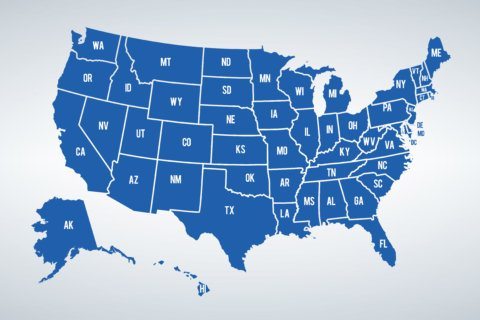
More than 30 states have reported cyclospora infections this year, and current data from them show the number of infections surpassing the record U.S. mark of about 4,700 set in 2019.
No deaths resulting from cyclosporiasis have been reported.
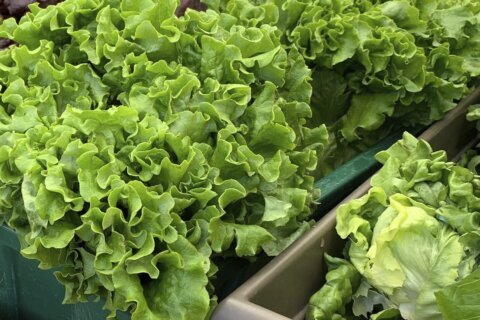
There is still no clear source of the cyclospora parasite, but Montgomery County Health Officer Kisha Davis said it can be found in cilantro, leafy greens, blackberries and raspberries.
“The type of foods that we typically eat in the summer, and it likes to hide in those nooks and crannies,” Davis said.
In an attempt to avoid symptoms of the illness — watery diarrhea, cramping and nausea — some consumers may try to cut fresh fruits and vegetables from their diet, which Davis said isn’t a good idea.
“It’s still important to eat those fruits and vegetables. Don’t stop doing it. We want people to stay healthy, and one of the best ways to do that is eating your fresh fruits and vegetables.”
Instead of cutting those fresh foods altogether, Davis suggested an extra wash of produce.
However, according to the CDC’s website, “Routine chemical disinfection or sanitization of food or water is unlikely to kill Cyclospora.”
Cooking can kill the parasite, and incorporating more cooked fruits and vegetables (think spinach or kale) can reduce your risk. Cooking fruits or veggies to a temperature at or above 158 degrees is recommended.
When the illness does strike, it can be difficult to determine its source, since symptoms may not show up until one to two weeks after consuming contaminated food.
“It can be important to just try and be mindful, pay attention. If you’re having, if you’re eating out, eating a lot of fresh fruits and vegetables, to try and think about where they came from,” Davis said.
Outbreak data from Centers for Disease Control and Prevention are significantly lagging state reported totals. On the CDC’s cyclosporiasis surveillance website, the agency said it is “aware that states are likely to report higher case counts of cyclosporiasis than reflected in CDC data and is working closely with states to update numbers as additional cases are confirmed.”
The CDC made its Foodborne Diseases Active Surveillance Network (FoodNet) reporting on all pathogens except Salmonella and Shiga toxin-producing E. coli (STEC) optional as of July 1, 2025.
“FoodNet’s active surveillance activities were not designed to detect outbreaks of foodborne illness,” the program’s website said.
The Associated Press contributed to this report.
Get breaking news and daily headlines delivered to your email inbox by signing up here.
© 2026 WTOP. All Rights Reserved. This website is not intended for users located within the European Economic Area.