4 best nutrients for a healthy brain

Lately I’ve been doing The New York Times crossword puzzle daily. OK, it’s not the regular one; it’s a mini version available through the publication’s app, but it’s still a puzzle, right? I am also hooked on the app Lumosity, which provides a variety of cognitive games. You might say I’m obsessed with brain health. After all, I want to be like my grandmother who, in her late 80s, was still killing it when she watched “Wheel of Fortune.”

[See: 13 Ways to Improve Your Memory.]

As a nutritionist, I can’t help but also look for foods to keep my mind sharp. Science supports a strong connection between certain nutrients and cognitive function, and I would be foolish to ignore it. So starting today, I am aiming to consume the following four nutrients on a regular basis. You should join me.

Click through the gallery below for four nutrients that can help keep your mind sharp, and foods that contain those nutrients.
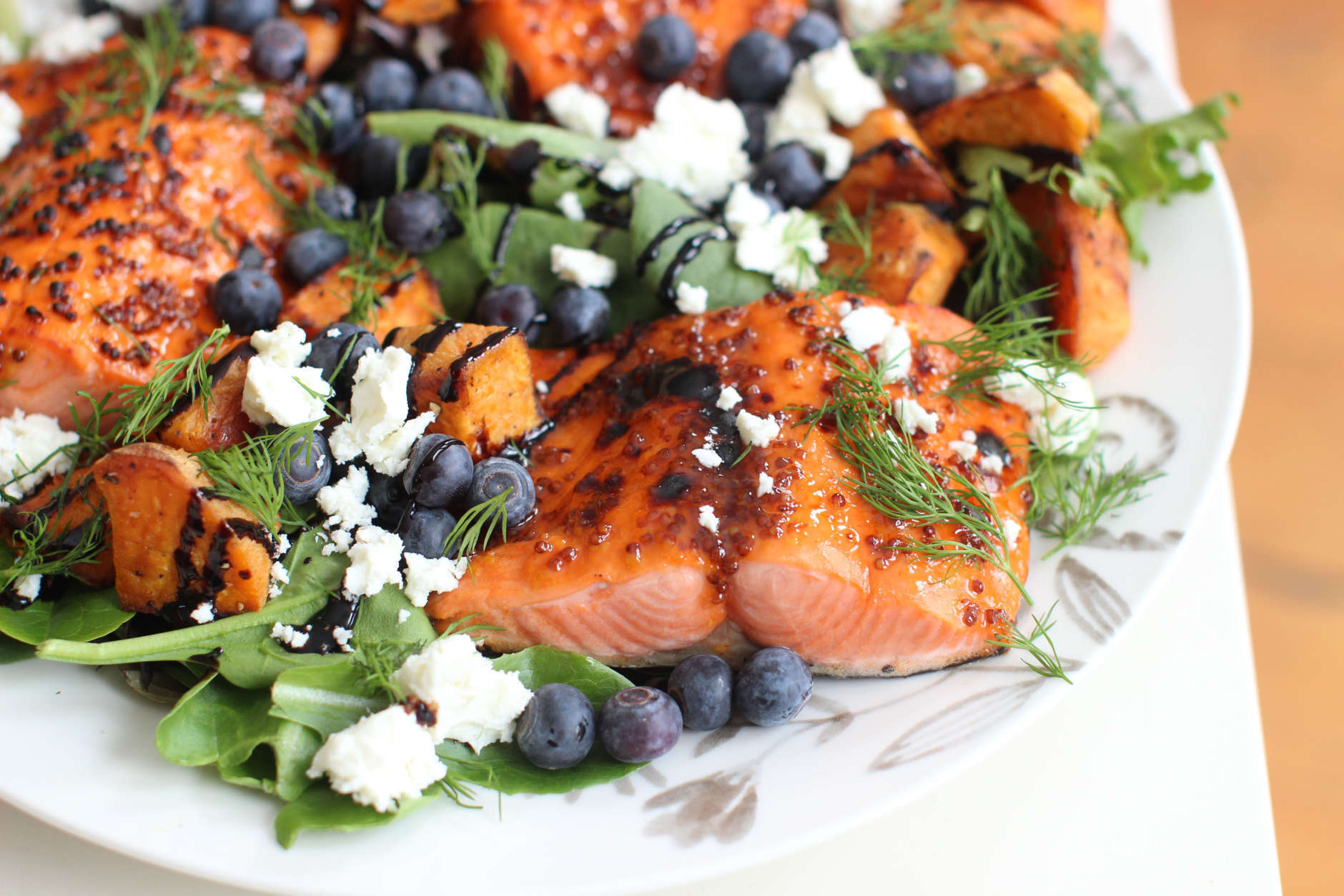

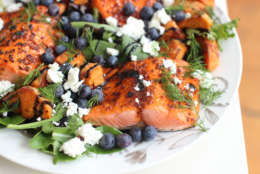
This March 16 2015 photo shows broiled sockeye salmon with blueberries and sweet potatoes in Concord, NH. (AP Photo/Matthew Mead
1. Omega-3 Fatty Acids EPA and DHA omega-3s are nutrients that play a key role in brain health . Neurons in the brain, which are rich in DHA, process and transmit electrical and chemical messages that enable our bodies to function normally. Low levels of DHA may hinder the brain’s ability to function at its best. What you have to keep in mind is that the body does not efficiently produce EPA and DHA on its own, so these nutrients must come directly from food. There are three simple ways to get the recommended amounts of EPA and DHA: eating fatty fish (salmon or sardines), eating EPA- and DHA-fortified foods and beverages (eggs) or taking omega-3 supplements. (AP Photo/Matthew Mead)
Salmon is a good source of omega-3 fatty acids. (Melissa d’Arabian via AP)
Researchers from George Washington University took a very close look at some seafood items at some D.C. restaurants. (Thinkstock)
Tuna is another good source of omega-3 fatty acids. (Thinkstock)
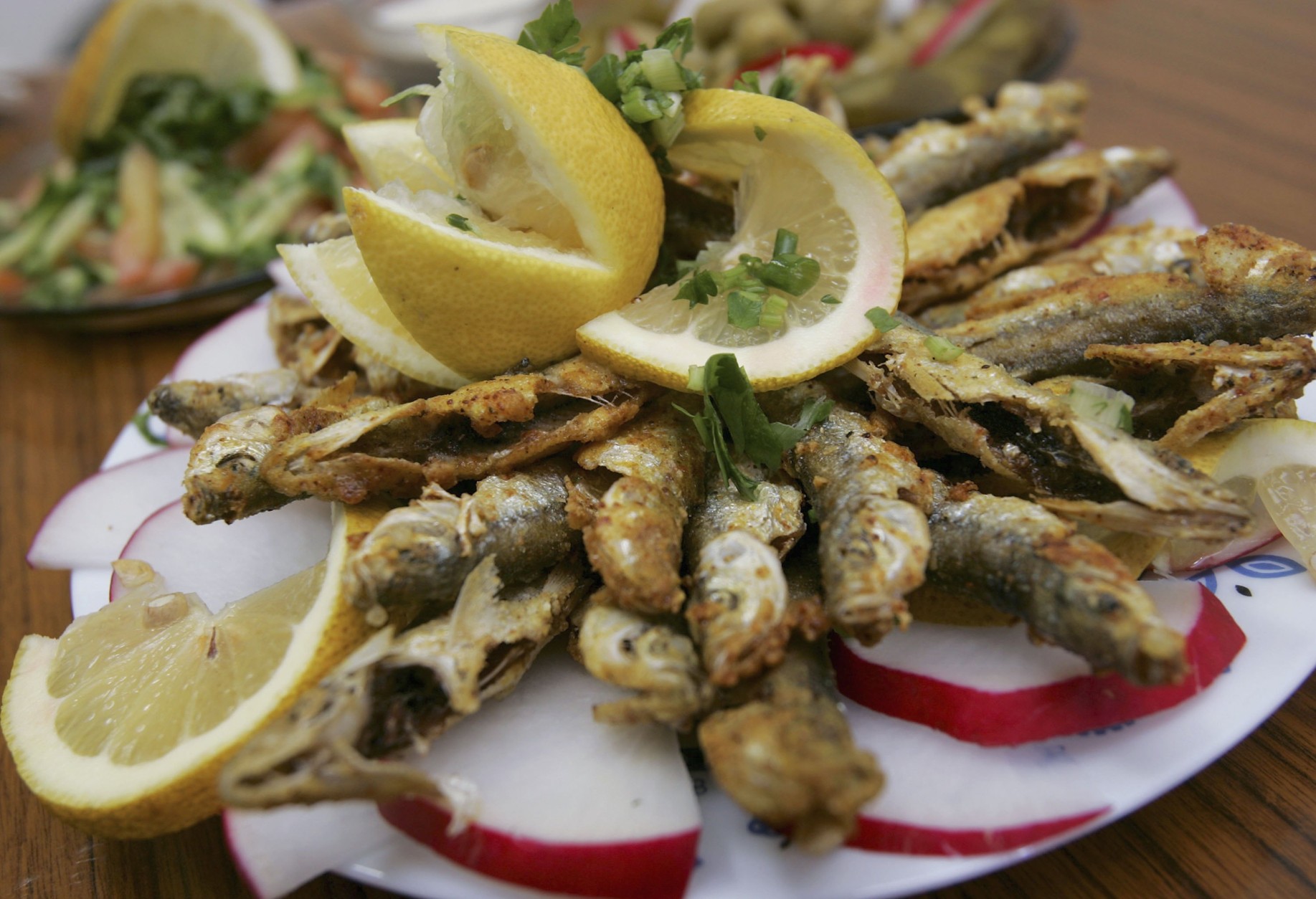
Fatty fish such as sardines are high in omega-3 fatty acids. Other options include mackerel, herring and lake trout.   (Photo by David Silverman/Getty Images)
Foods that are fortified with EPA and DHA, such as eggs, are another good source of key nutrients that are good for the brain. (AP Photo/Charlie Neibergall, File)
Yogurt, milk, bread and even chocolate are also fortified with EPA and DHA. (Thinkstock)
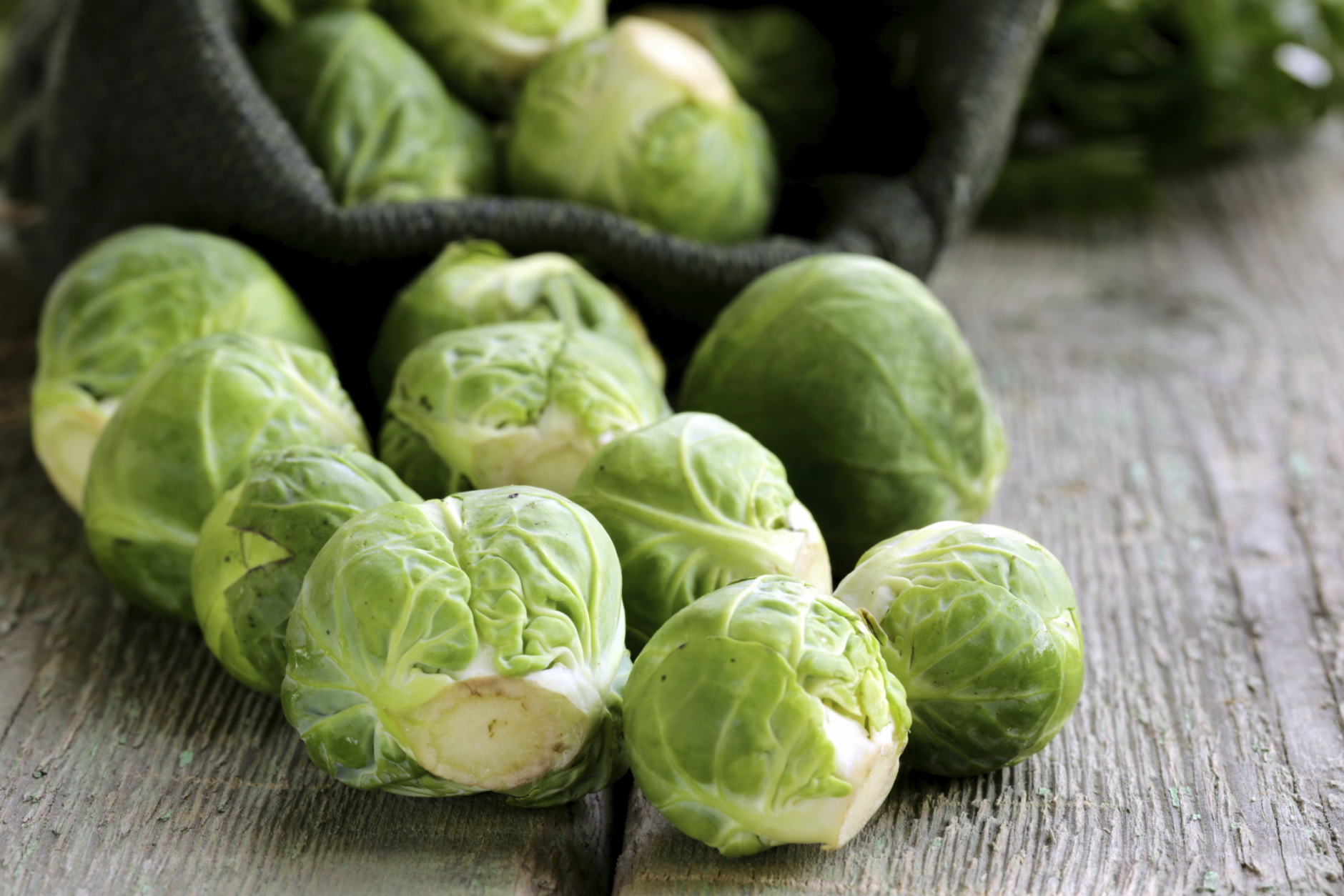
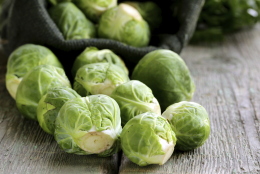
Don't limit Brussels sprouts to the bowl. Roast them and stick them on skewers with  chunks of roasted butternut squash and roasted red grapes for a tasty appetizer. (Thinkstock)
2. Choline
 As the brain’s instant messenger, choline provides a connection between the brain and muscles, helping to support memory and retention. Choline is especially critical to visual memory; the kind adults employ to remember a new route after driving it only once. (In other words, more choline might equal less reliance on GPS.) The best sources of choline are Brussels sprouts, liver, lima beans, eggs and wheat germ. Unfortunately, these foods are not everyone’s favorites, except maybe the eggs and, for me, the Brussels sprouts. So in order to meet the U.S. Food and Drug Administration’s recommended daily allowance of 500 milligrams of choline daily, a supplement might be a good idea.
(Thinkstock)
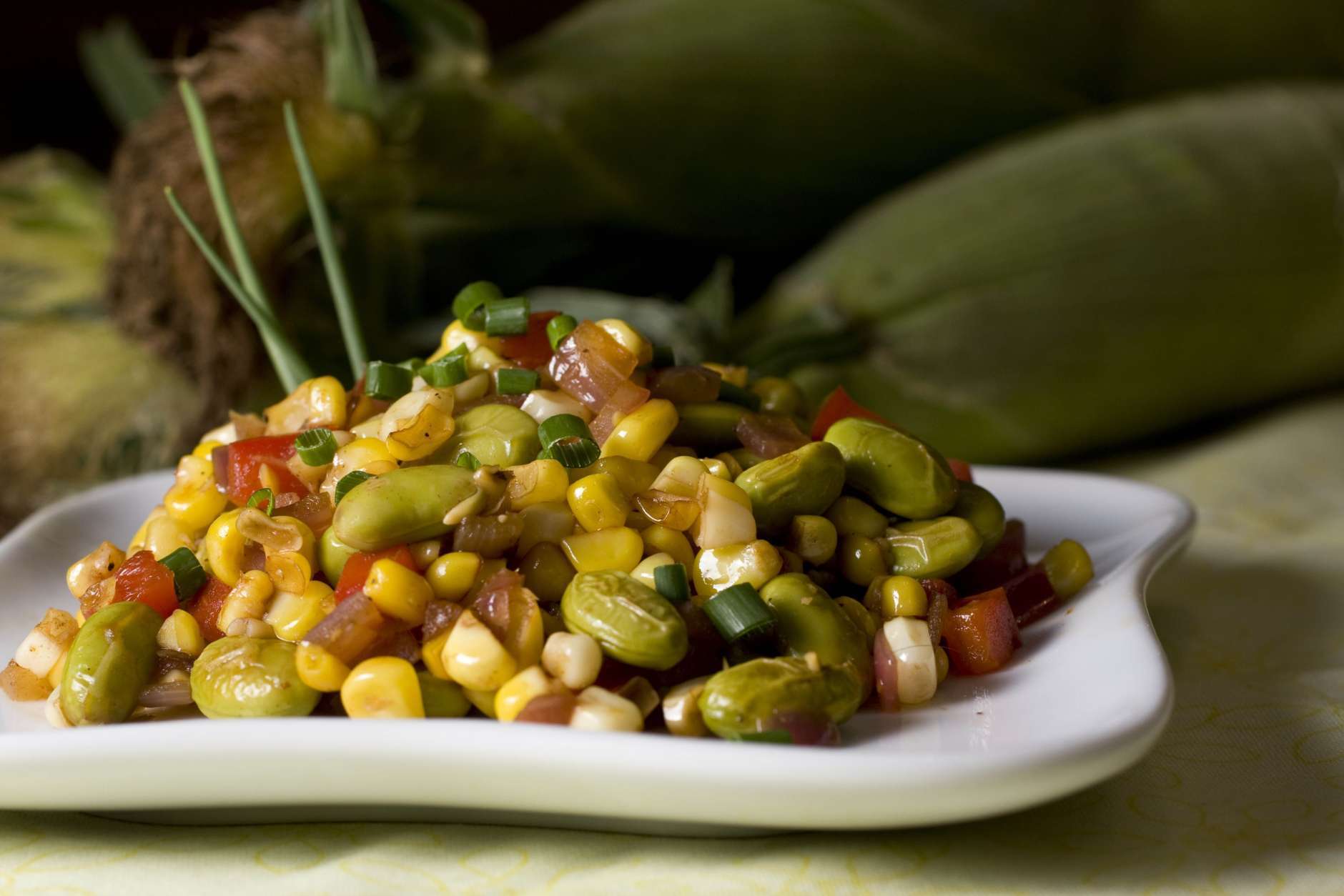
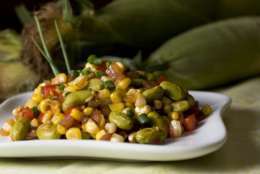
This photo taken May 25, 2009 shows Grilled Corn and Edamame Succotash. If tofu is not welcome on your plate but you want the health benefits try using edamame, a young soybean that has a nutty flavor and firm, but not hard, texture. Substituting edamame for the traditional lima beans this Grilled Corn and Edamame Succotash is a good side to your evening?s grilled entree. (AP Photo/Larry Crowe)
Lima beans are another good source of choline. (AP Photo/Larry Crowe)
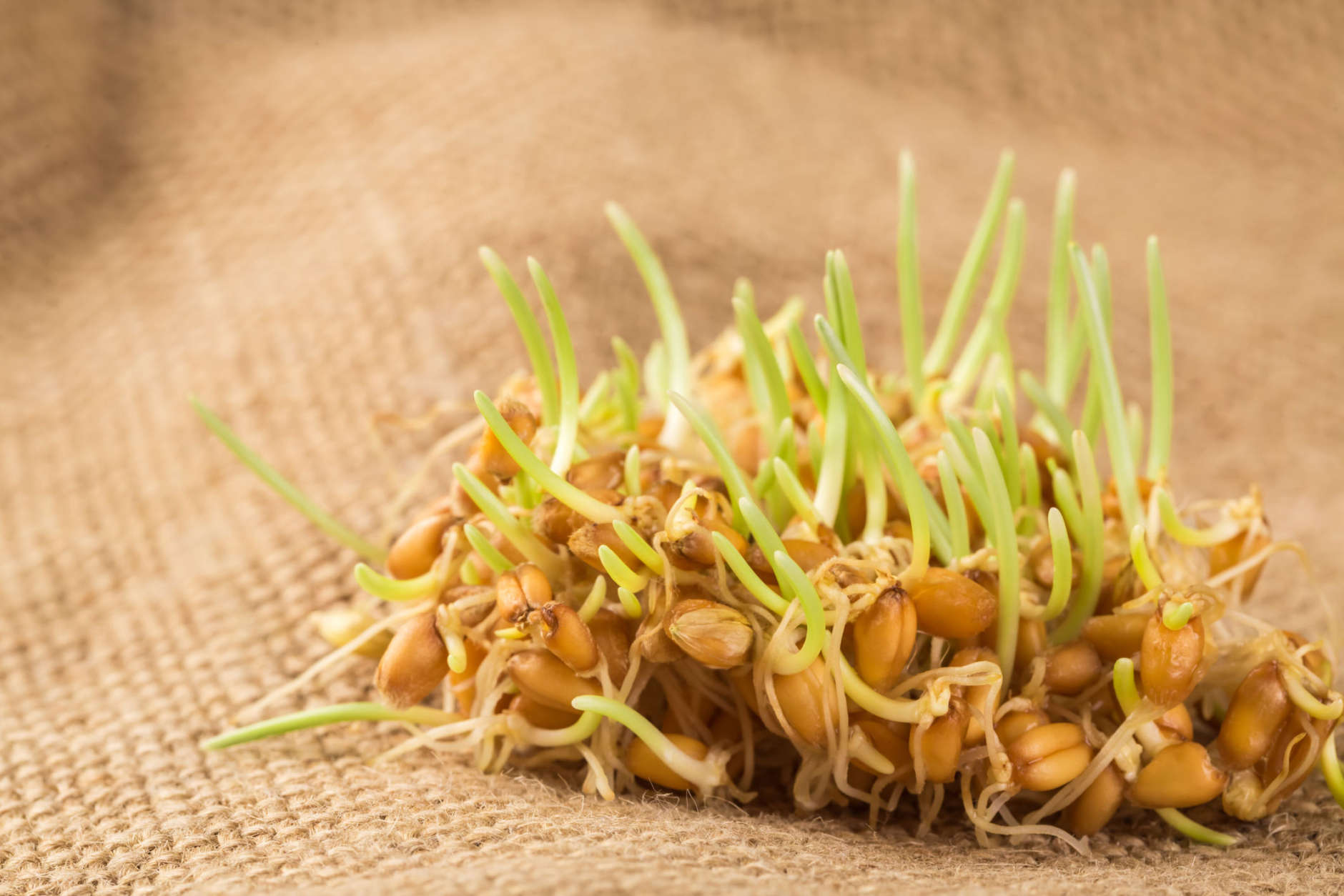
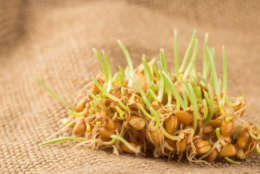
Handful of wheat germs on the burlap background
Wheat germ, another source of choline, can be eaten fresh. It can be added to any dish including cereals, salads, smoothies and breads. (Thinkstock)
3. Vitamin E Vitamin E is an antioxidant, which is known to help protect the cells in your body against free radical damage. There has been some promising research on the relationship between vitamin E and Alzheimer’s, and how it may slow the progression of the disease. Some may argue that it makes sense to consume adequate amounts of this vitamin before any onset of the disease even begins. Vitamin E-rich foods include nuts and seeds, dark leafy greens, olive oil and whole grains. Research on the benefits of supplementing with vitamin E is not conclusive. (Thinkstock)
Nuts and seeds, which are a good source of Vitamin E, can easily be incorporated into your daily diet. (Thinkstock)
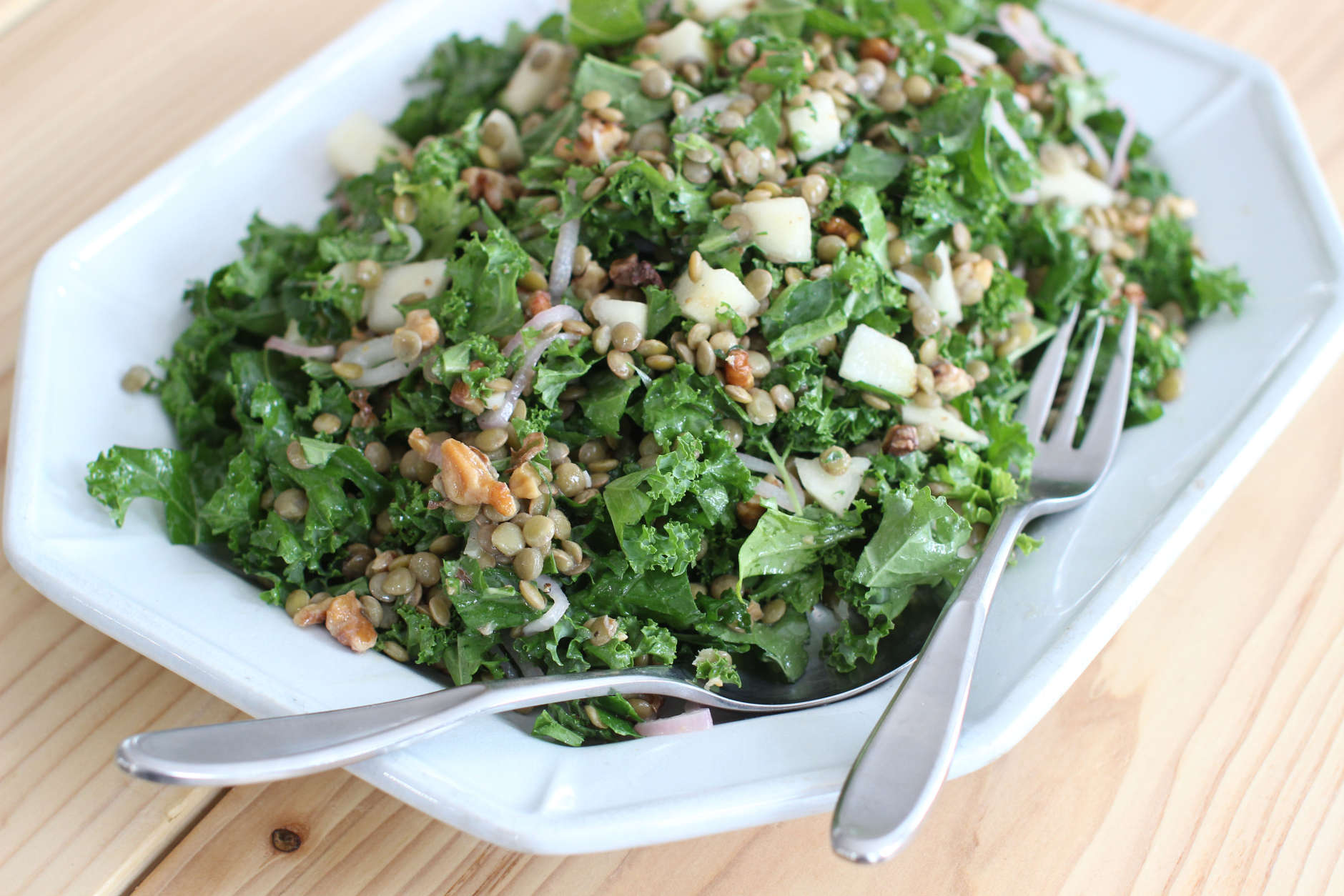
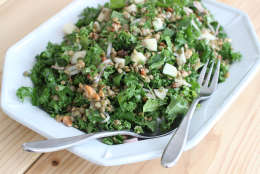
This Feb. 2, 2015, photo shows chopped kale and lentil winter salad in Concord, N.H. This winter salads manages to feel both energizing and comforting at the same time. (AP Photo/Matthew Mead)
Dark leafy greens such as kale are a source of Vitamin E, as well as Vitamin K and Vitamin A. Kale is also high in fiber and full of antioxidants. (AP Photo/Matthew Mead)
4. Flavonoids Flavonoids, another type of antioxidant, have also been found to be beneficial to an aging brain. Its anti-inflammatory properties are especially beneficial for memory recall. Specific studies have shown improvements in cognitive function and blood flow to the brain specifically with the consumption of cocoa. And who doesn’t love chocolate? Other food and beverages sources include tea, red wine, grape juice, blueberries, raspberries, tomatoes, and kidney and black beans. Since it’s so easy to consume adequate amounts of flavonoids through the diet, supplementation is probably not needed. (Thinkstock)
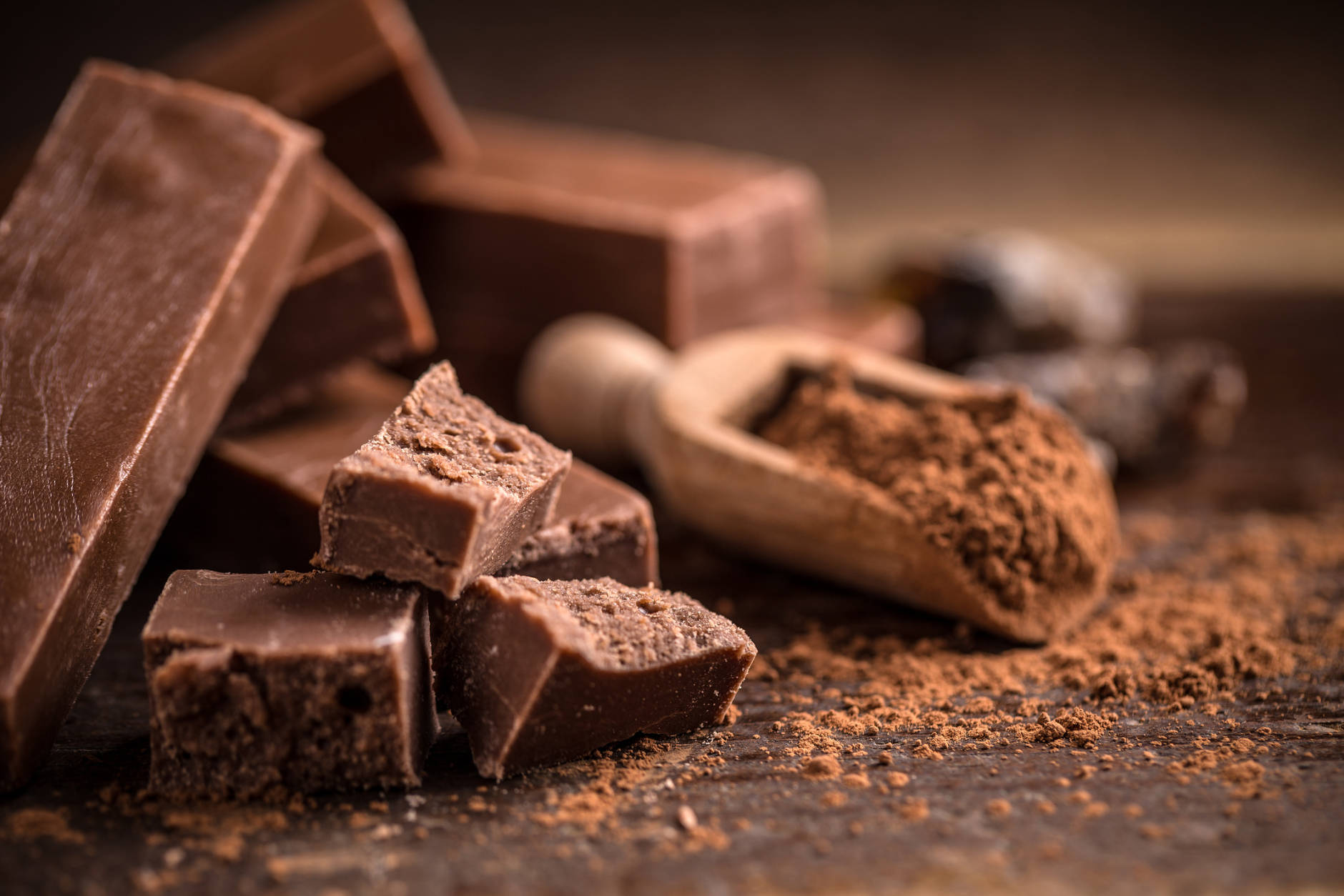
Shattered homemade chocolate with cocoa powder
Who doesn’t love chocolate? Specific studies have shown improvements in cognitive function and blood flow to the brain specifically with the consumption of cocoa. (Thinkstock)
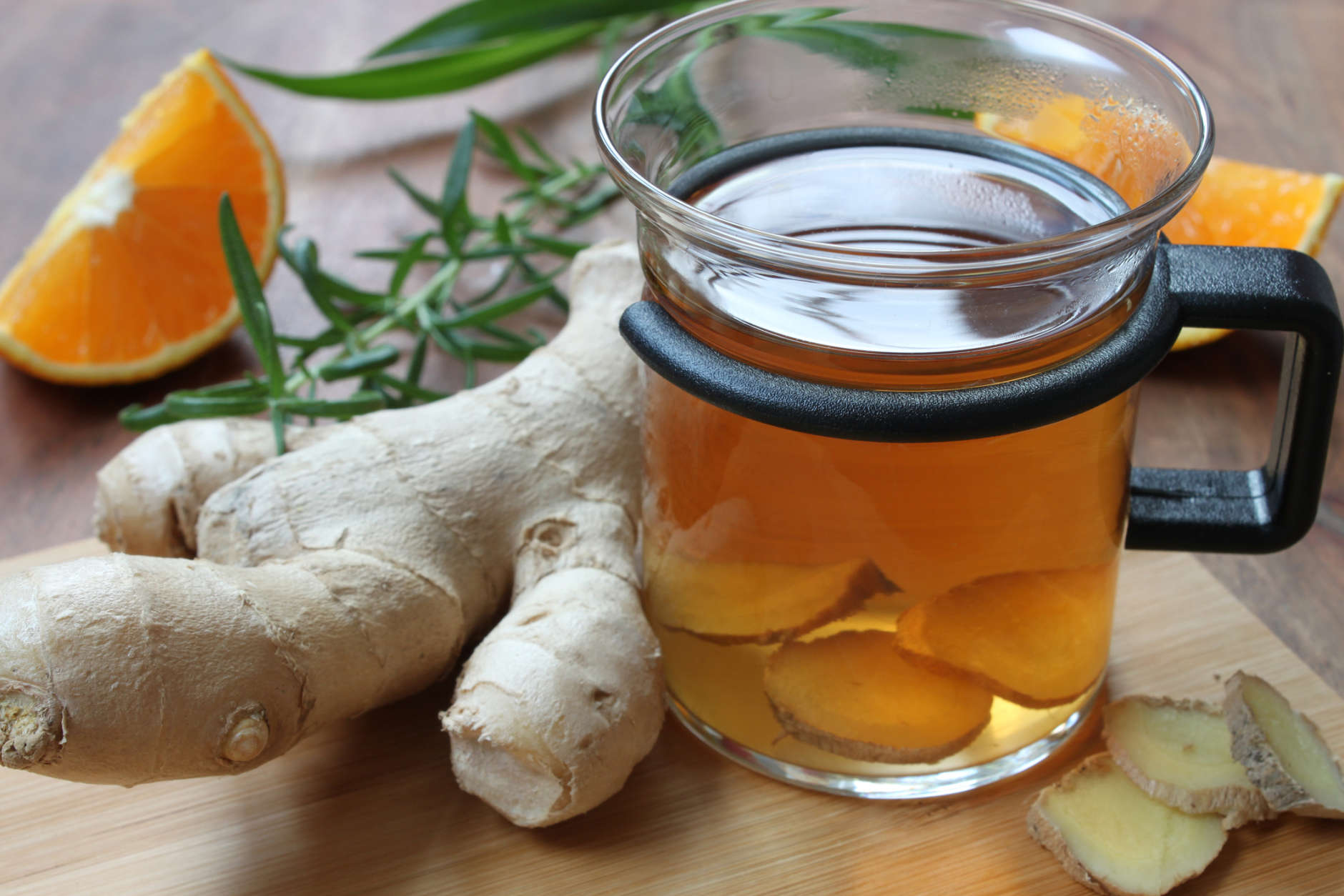
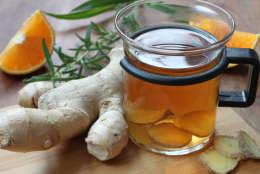
Tonics are a cure-what-ails you beverage, typically made from herbs, roots, fruits and vegetables. It can be served hot or cold. (Thinkstock)
Other food and beverages sources include tea, red wine and grape juice.   (Thinkstock)
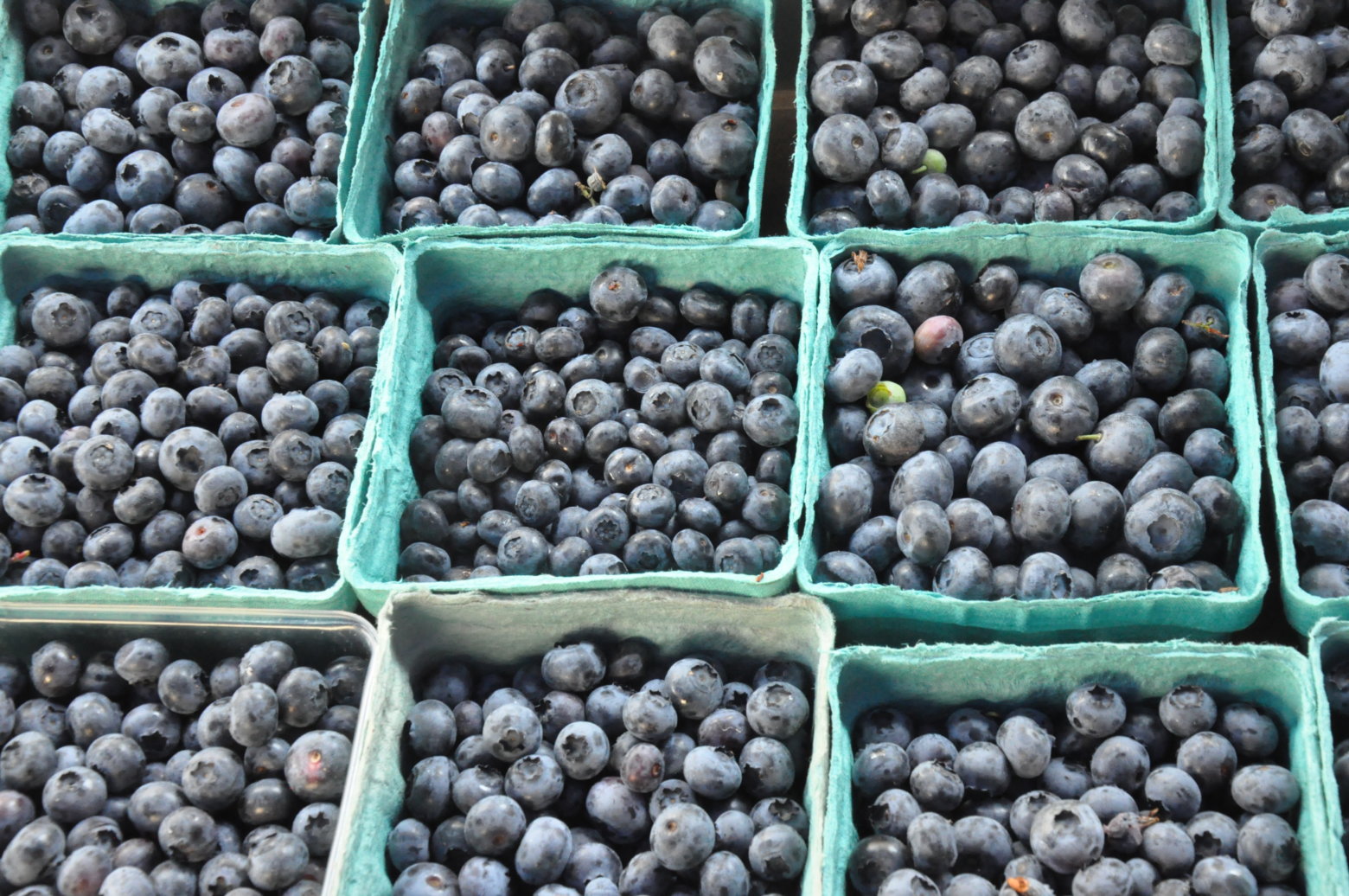
Blueberries.JPG
If you like fruit blueberries or raspberries are a good source of antioxidants.  (WTOP/Rachel Nania)
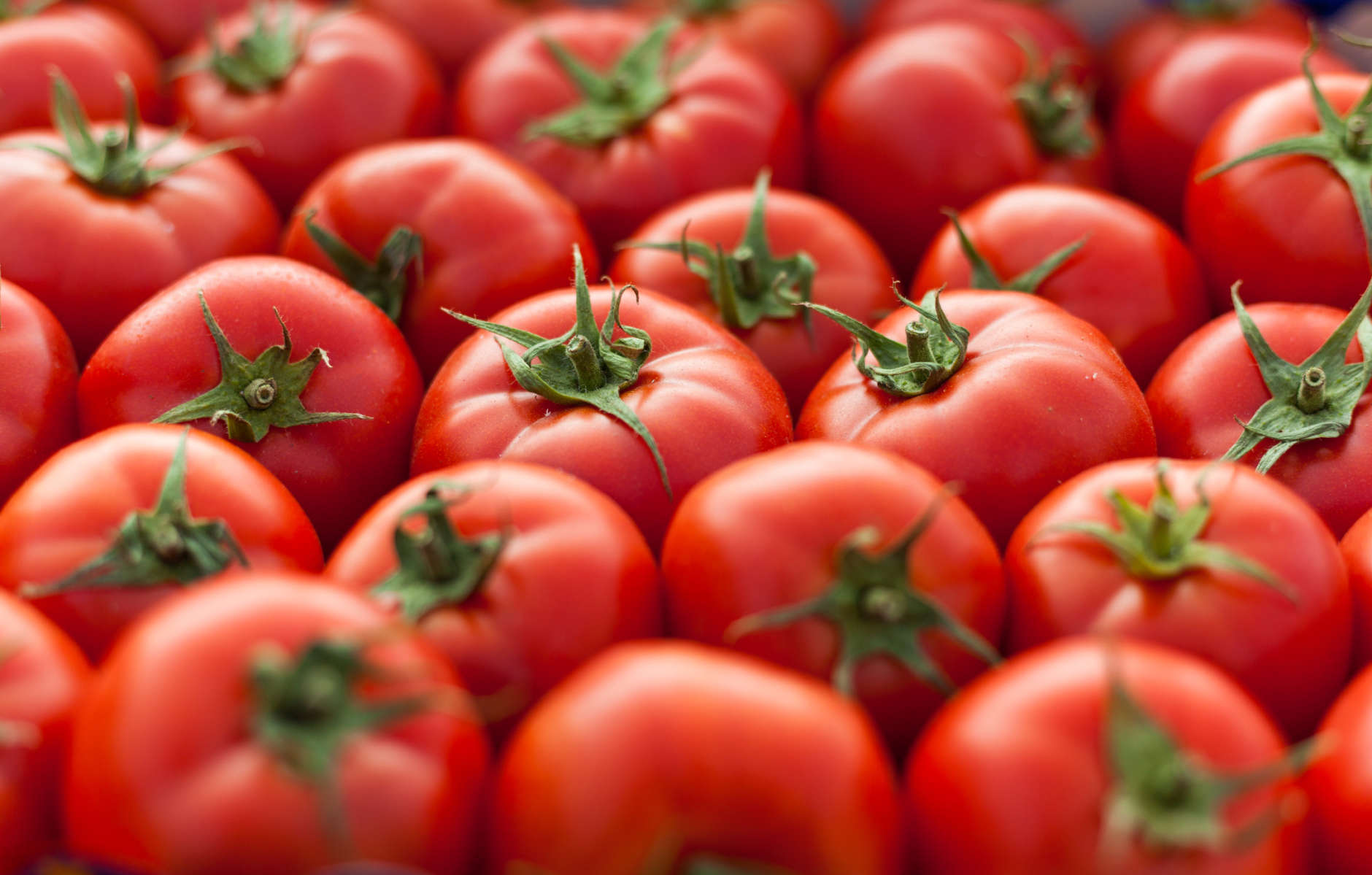
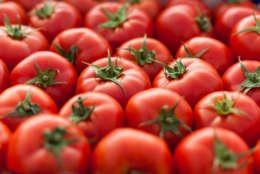
Tomatoes, kidney and black beans are also a good source of flavonoids. (Thinkstock)
(1/17)
This March 16 2015 photo shows broiled sockeye salmon with blueberries and sweet potatoes in Concord, NH. (AP Photo/Matthew Mead
Researchers from George Washington University took a very close look at some seafood items at some D.C. restaurants. (Thinkstock)
Don't limit Brussels sprouts to the bowl. Roast them and stick them on skewers with  chunks of roasted butternut squash and roasted red grapes for a tasty appetizer. (Thinkstock)
This photo taken May 25, 2009 shows Grilled Corn and Edamame Succotash. If tofu is not welcome on your plate but you want the health benefits try using edamame, a young soybean that has a nutty flavor and firm, but not hard, texture. Substituting edamame for the traditional lima beans this Grilled Corn and Edamame Succotash is a good side to your evening?s grilled entree. (AP Photo/Larry Crowe)
Handful of wheat germs on the burlap background
This Feb. 2, 2015, photo shows chopped kale and lentil winter salad in Concord, N.H. This winter salads manages to feel both energizing and comforting at the same time. (AP Photo/Matthew Mead)
Shattered homemade chocolate with cocoa powder
Tonics are a cure-what-ails you beverage, typically made from herbs, roots, fruits and vegetables. It can be served hot or cold. (Thinkstock)
Blueberries.JPG

[See: 13 Best Fish: High in Omega 3s — and Environmentally Friendly.]

[See: 9 Foods That Can Keep Your Brain Sharp.]

Editor’s note: The author has a partnership with the Global Organization for EPA and DHA Omega-3s, and the chemical manufacturing company Balchem, but has not been paid for the post. Opinions are her own.

More from U.S. News

6 Ways to Protect Yourself Against Alzheimer’s and Dementia

9 Habits That May Reduce Your Risk for Developing Alzheimer’s

Emerging Treatments for Alzheimer’s Disease

4 of the Best Nutrients for a Healthy Brain originally appeared on usnews.com

Federal News Network Logo
Log in to your WTOP account for notifications and alerts customized for you.

Sign up