



This video is no longer available.
It is described as intense pain shooting throughout your body and has had a history of misdiagnosis and complications as patients are constantly traveling to emergency rooms to seek relief.
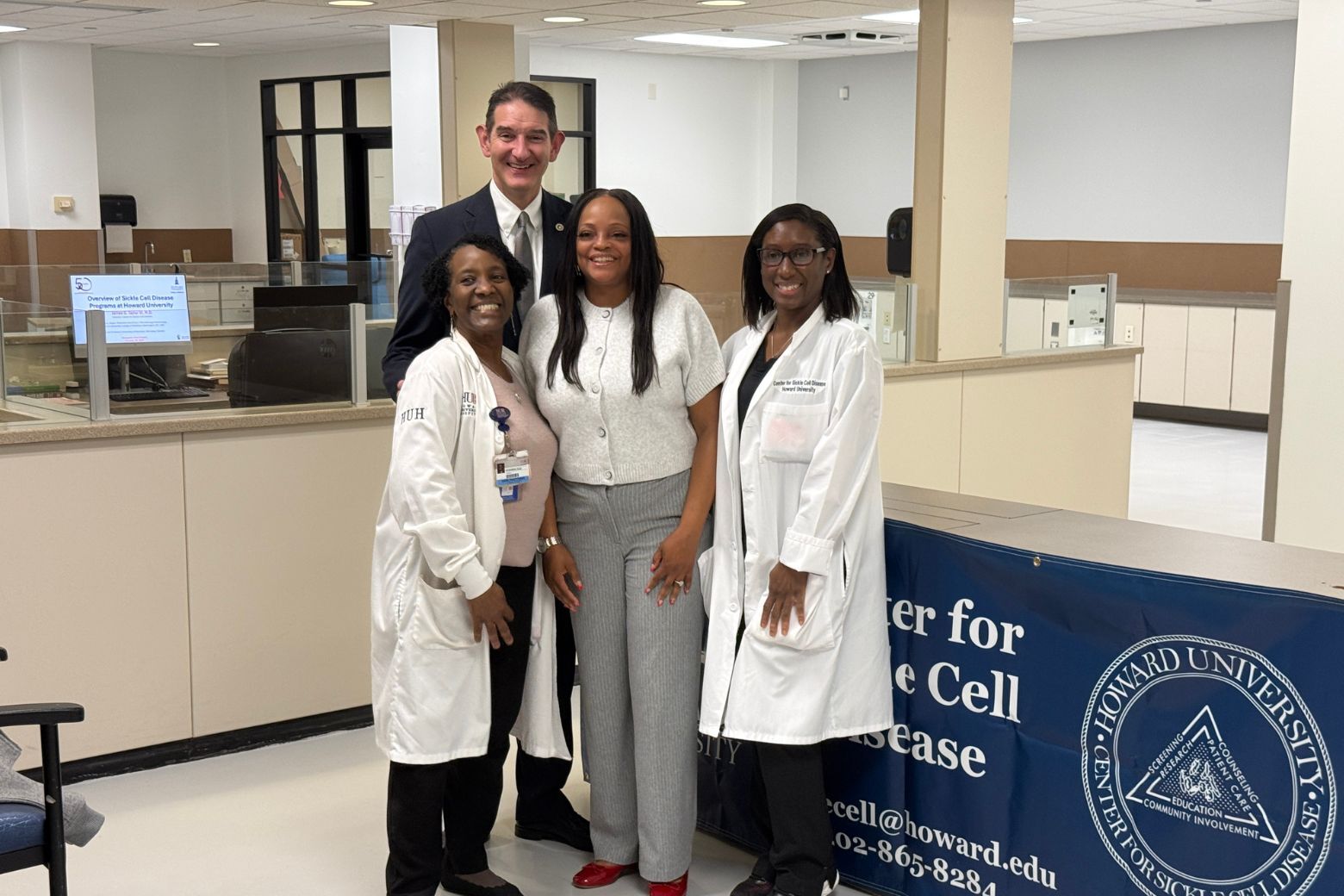
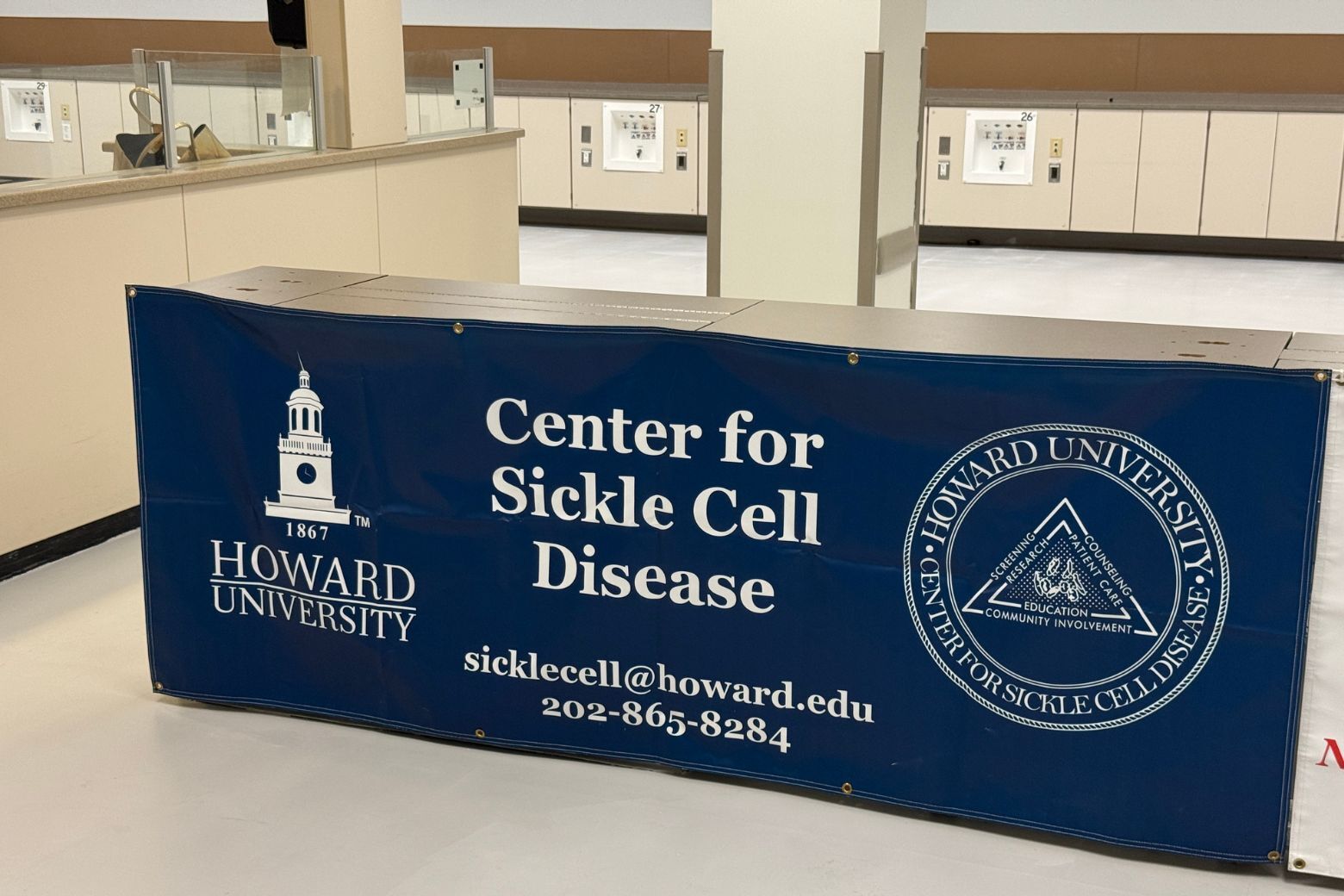
An upgraded center at Howard University Hospital, now with new funding from the District, hopes to better handle patients suffering from sickle cell disease.
“It’s something that you have to feel for yourself,” Ayanna Johnson, a patient with sickle cell told WTOP.
“It’s a horrible pain, but it’s so much worse than that, because it also deals with your mental state. You have to be really strong to deal with that amount of pain. It’s the amount of pain you wouldn’t wish on your worst enemy.”
Dr. James G. Taylor VI, the director at Howard University Hospital’s Center for Sickle Cell Disease described the disease as, “the equivalent of being on Mount Everest at base camp at 16,000 feet, and your brain just doesn’t function well there.”
Johnson was originally diagnosed with the disease when she was 3, she described the treatment back then for the immense pain as Tylenol and IV pain medicine. She said as she got older, she was put on opioid pain killers but that wasn’t a treatment, instead just a way to dull the pain that could be focused anywhere from her chest, making it difficult to breathe, to her feet.
Over a decade ago she started on a therapeutic drug.
“That really changed my life and allowed me to start to have a life and to decrease my pain medication,” she said.
Transitioning patients to these types of therapeutics is one of the primary functions of this newly expanded Center for Sickle Cell Disease, according to Taylor.
“We have three FDA approved drugs now, we have transfusion therapy,” Taylor said. “These four are underutilized, and so my goal is to get patients on treatment, so we keep them away from the hospital.”
Patients with sickle cell are often in the hospital for dozens of days out of the year. Taylor said one of his patients was in the hospital for 106 days in a single year.
But with the help of these new drugs, he said that can be avoided.
The recently passed D.C. budget allocated $2.2 million toward expanding coverage and treatment for patients in the city with sickle cell.
“The sickle cell program at Howard was already in place, and so this is work they were already doing,” D.C. Health Director Dr. Ayanna Bennett told WTOP. “This adds a layer of resource to a program that was already working.”
She believes this will not only improve the lives of those struggling with the disease but also alleviate the health care system as a whole.
“Somebody (with sickle cell) needing to get that care for eight hours in an ER takes up a bed that really probably three or four people could have cycled through and gotten their care,” Bennett said.
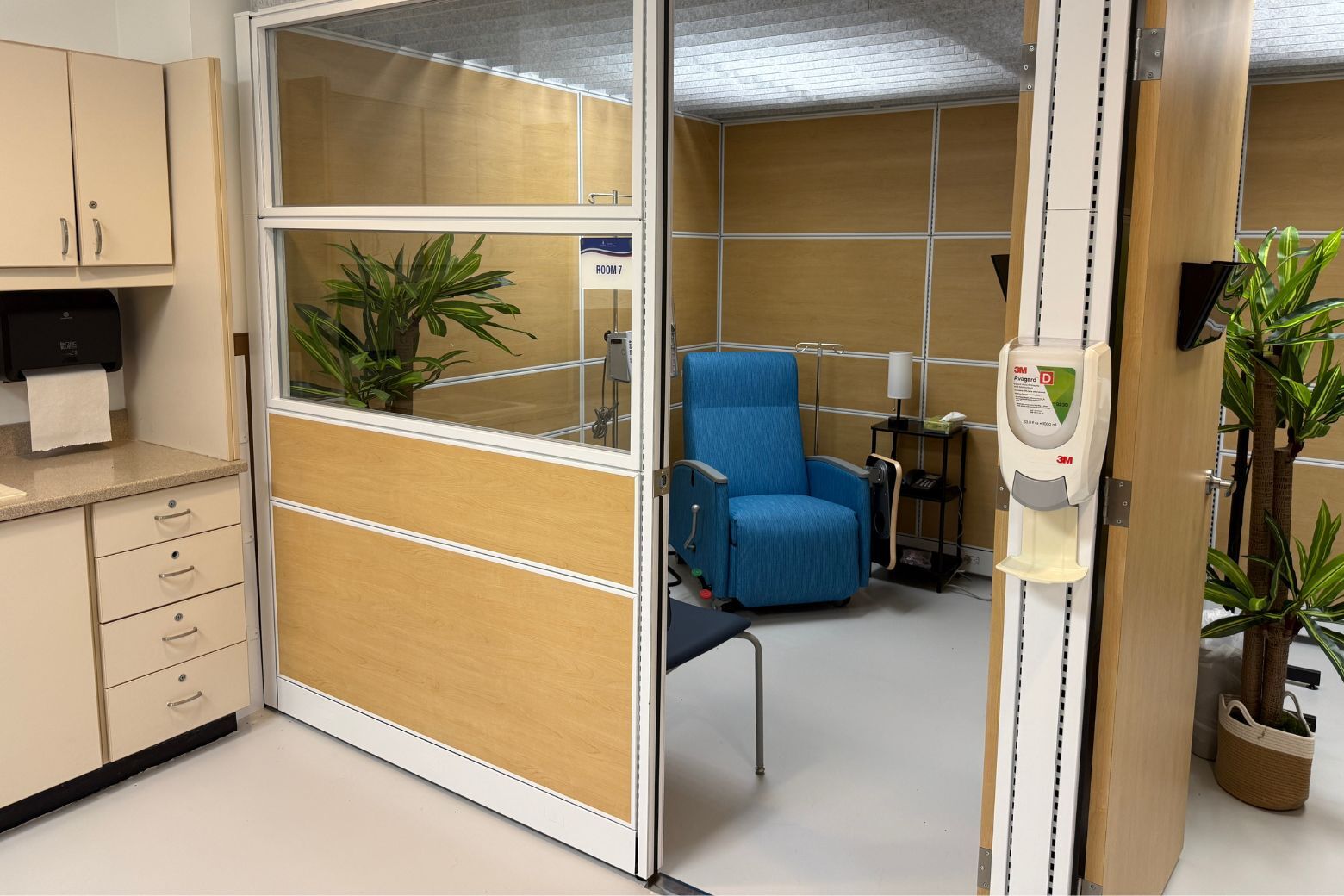
The newly refurbished Center for Sickle Cell Disease has two new acute care rooms specifically tailored to these long visits when sickle cell patients have an extremely painful episode.
“We treat the pain crisis, but really, if you are spending too much time with us, getting acute care treatment, you need to be on one of our therapies that will prevent this from happening,” Taylor said.
There are several other exam rooms for routine visits for patients, like Johnson, who are already on drugs that treat sickle cell.
“To have a place like this is really important to the community, because a lot of times we feel left out, you know, so many things for cancer patients and diabetics but sickle cell, we’re just a portion that they just don’t really care about,” Johnson said. “This place makes us feel cared for.”
In addition to pain management and treatment of the disease, the center also houses a social worker.
“We see a lot of homelessness in this population because they can’t work, they’re so sick. So, if you don’t work, you don’t have an income, you don’t have a home, you don’t have health insurance, and that’s where social work we really want to look out for all these dimensions of disease,” Taylor said.
Get breaking news and daily headlines delivered to your email inbox by signing up here.
© 2025 WTOP. All Rights Reserved. This website is not intended for users located within the European Economic Area.