


As the United States marks its 250th anniversary, WTOP presents “250 Years of America,” a multipart series examining the innovations, breakthroughs and pivotal moments that have shaped the nation since 1776.
Blue Cross and Blue Shield Federal Employee Program is proud to partner with WTOP to bring you this series.
One hundred sixty-seven years before Medicare and 212 years before Obamacare, there was the Act for the Relief of Sick and Disabled Seamen, America’s first federal health legislation.
Anyone who has watched Deadliest Catch knows that life on the sea is not easy in modern times. In fact, commercial fishing is one of the most dangerous jobs in our country. Commercial fishermen experienced work-related fatalities at 40 times higher rate than the average worker’s rate.
Can you imagine how dangerous it was in the early years of our nation?
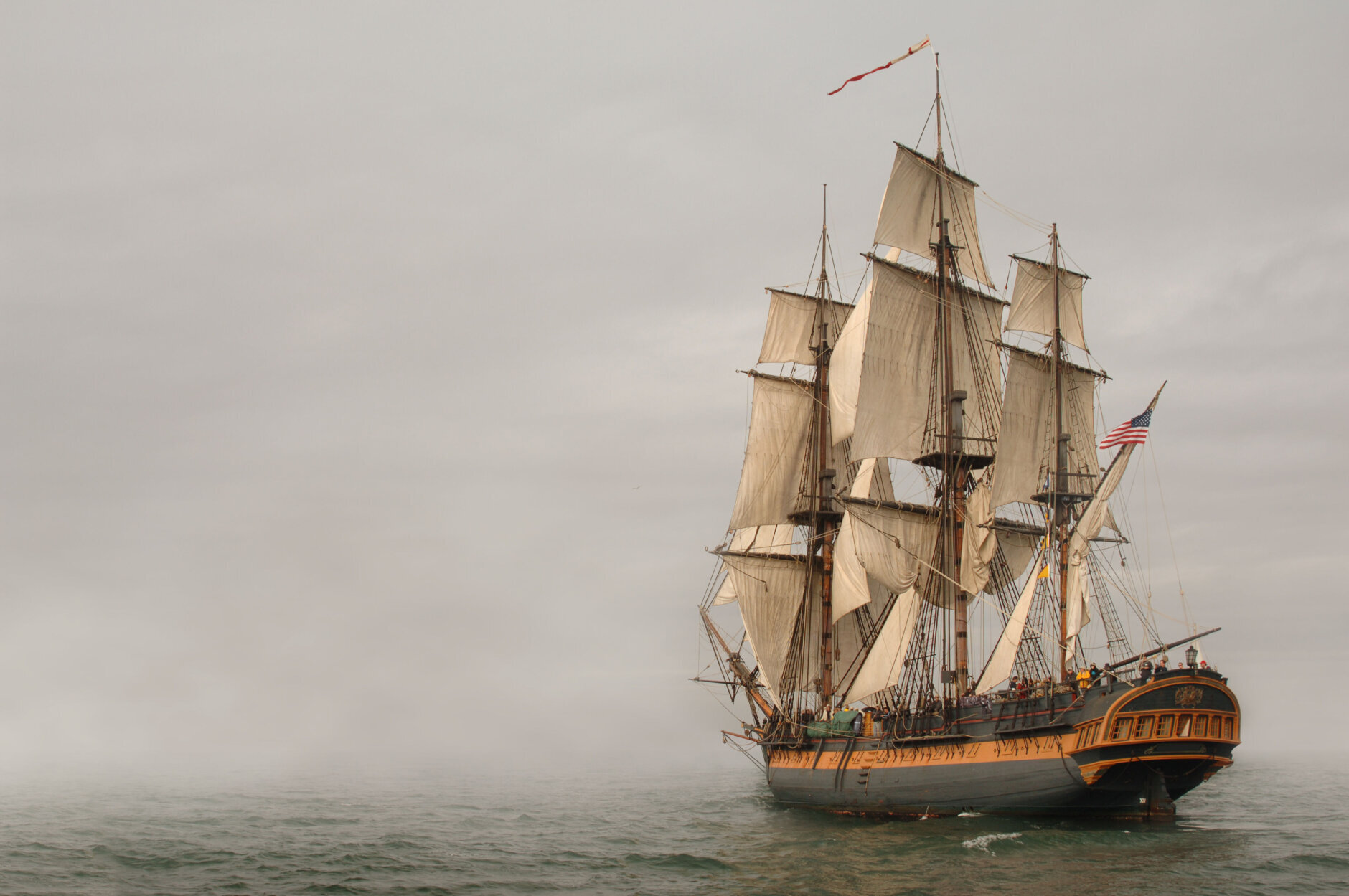
Long before rail, planes and drones, the only way to get goods from across the world was by boat.
You cannot overstate how important sailors were to our country’s survival. Tobacco, cotton, timber, spices, textiles, sugar and wine were just some of the items Americans depended on sailors for.
Not only were they the backbone of our young republic’s economy, but they were also breaking their backs doing it.
A trip from Boston to China and back could take 18 months if they were lucky, but the average time was 30 months or if things were going badly, it would be 36 months.
Remember, these ships didn’t have a breakfast buffet with an omelet station and pina coladas by the pool. Sailors were sleeping in hammocks, packed shoulder-to-shoulder. No privacy or personal space.
Meals consisted of salt beef or pork, peas, oatmeal and hardtack (ship’s biscuits), which, along with being both hard and dry, were infested with worms and weevils. Over the long voyages, the water turned slimy.
If you noticed, there was no mention of fruit or vegetables and the lack of vitamin C, along with the damp cold conditions, is what led many to get scurvy.
Over two million sailors worldwide died from scurvy between the 16th and 18th centuries.
Along with lethargy, scurvy caused bleeding gums, tooth loss, reopening of old wounds, black blisters and horrible-smelling ulcers.
Could you imagine dealing with all of that while still having to work in rotating shifts around the clock?
Hauling lines, scrubbing decks, repairing sails and pumping out the nasty-smelling bilge water was constantly on the things to do list. Plus, there always had to be someone standing watch, day and night.
There was also the danger of storms, being swept overboard, being shipwrecked, falling from the rigging and pirates.
Along with the goods, sailors came home with crushed fingers, infected wounds, frostbite, dysentery, malaria and yellow fever.
So that led lawmakers to create the Act for the Relief of Sick and Disabled Seamen in 1798.
The bill that then-President John Adams signed into law on July 16, 1798, deducted 20 cents monthly from each merchant seaman to not only pay for the medical care but also to build or rent hospitals.
Yes, a mandatory deduction that went straight to the federal government and, in return, the government promised them treatment at a network of federally run hospitals along the coast.
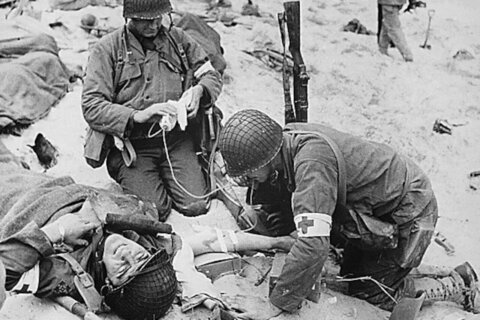
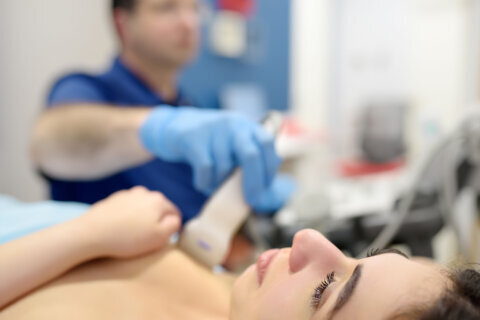
Those hospitals treated everything from broken bones to draining infections and amputations. They also treated diseases that swept through port cities, river hubs and Great Lakes shipping centers.
There were Marine hospitals in Boston, Baltimore, Charleston, New Orleans, Norfolk, Savannah, Key West, Pittsburgh and Detroit. As a result, healthcare followed the sailors.
Over time, that little network of hospitals grew into something bigger. The Marine Hospital Service became the Public Health Service. Its tiny research lab became the Hygienic Laboratory, which is now on Rockville Pike and it’s known as the National Institutes of Health.
As we celebrate America’s 250th birthday, let’s remember how sailors with 20 cents missing from their paychecks led us to scientists in Bethesda, Maryland, today. The best of America’s story has always been about looking out for each other.
Get breaking news and daily headlines delivered to your email inbox by signing up here.
© 2026 WTOP. All Rights Reserved. This website is not intended for users located within the European Economic Area.