








As the United States marks its 250th anniversary, WTOP presents “250 Years of America,” a multipart series examining the innovations, breakthroughs and pivotal moments that have shaped the nation since 1776.
Delta Dental Federal Government Program is proud to partner with WTOP to bring you this series.
The history of the American diet mirrors a broader story about culture, industry and health. In early America, the diets were largely farm-to-table, consisting of whole grains, seasonal produce and locally raised meats.
However, the rise of industrialization in the late 19th and 20th centuries caused the food system to shift to processed, convenient options.
Today, there is a growing movement back toward whole foods. This evolution has significantly shaped public health outcomes, highlighting the powerful connection between what Americans eat and their overall well-being.
In early agriculture America, people mostly consumed foods that were minimally processed, low in added sugar and high in fiber. Meals were prepared at home, often using fresh ingredients, which was better for overall nutrition, according to the Centers for Disease Control and Prevention (CDC).
According to the CDC, diets that are low in added sugars are strongly associated with reduced risk of diseases and tooth decay. Because the sugar intake was so limited, early Americans experienced less gum disease and fewer cavities compared to modern populations. Fibrous foods like vegetables and whole grains helped with naturally-clean teeth and stimulating saliva production, which aids in protecting against oral bacteria.
The Industrial Revolution dramatically reshaped the American diet. Advances in food processing introduced refined sugars, preservatives and ultra-processed foods into everyday life. Fast foods and packaged snacks became widely available and affordable, creating a culture of convenience.
Research from the National Institutes of Health links high consumption of ultra-processed foods to obesity, diabetes and cardiovascular disease.
Recognizing these risks, government leaders began promoting healthier eating. For example, former first lady Michelle Obama launched the “Let’s Move!” initiative in 2010 to combat childhood obesity by encouraging better nutrition and physical activity. Similarly, the Department of Agriculture introduced guidelines such as MyPlate to help Americans make healthier food choices.
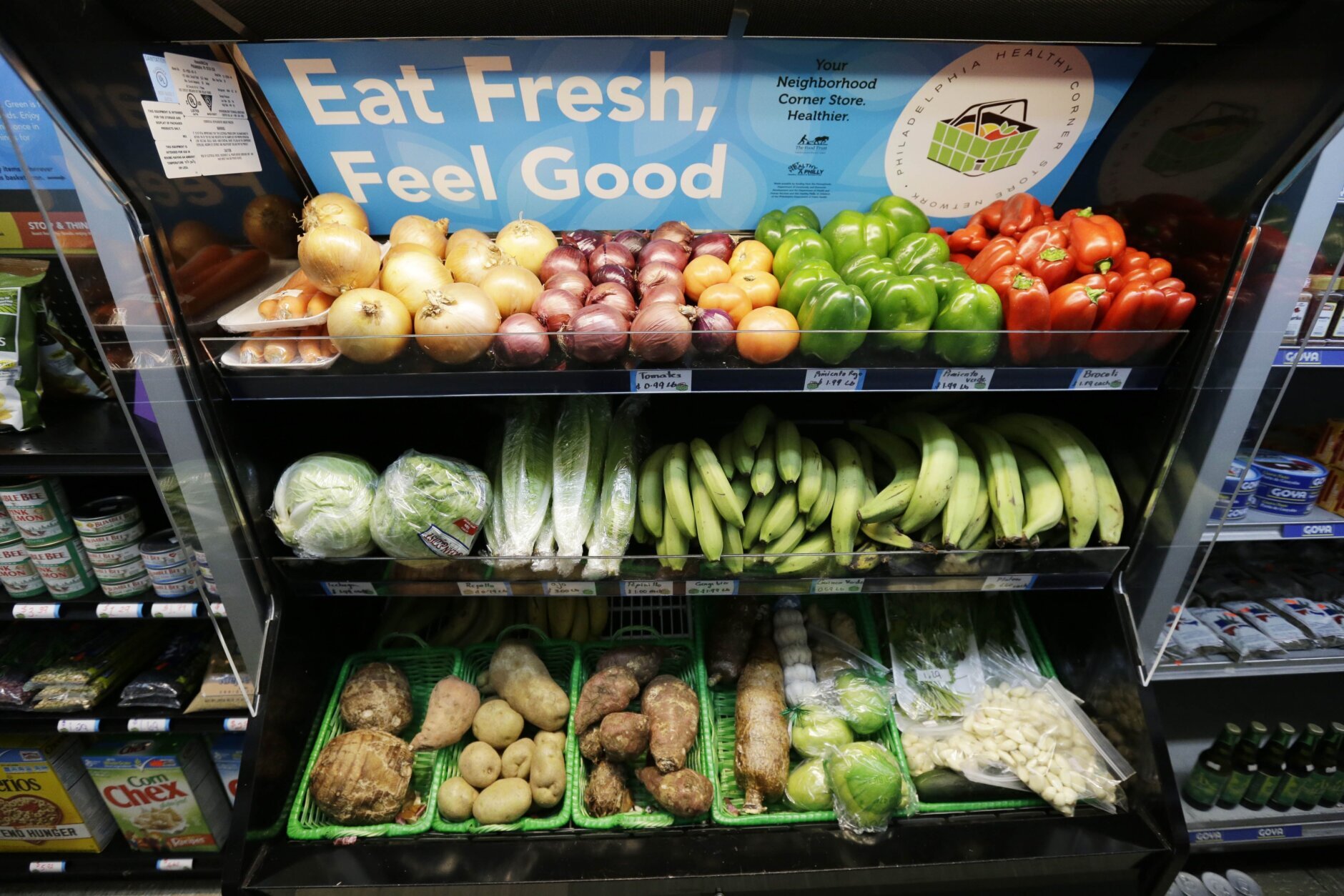
In more recent years, there’s been a growing push aimed at returning to farm-to-table principles, highlighting whole, organic and locally-sourced foods.
In recent decades, Americans have begun to recognize the negative health effects of highly processed diets. Because of this, a growing movement has pushed a return to farm-to-table principles, emphasizing whole, organic and locally-sourced foods.
This shift reflects consumer awareness as well as public health advocacy. By learning from the past and responding to modern health challenges, Americans are beginning to reshape their diets once again.
According to the U.S. Department of Agriculture, diets rich in fruits, vegetables and whole grains can reduce the risk of chronic disease and improve overall health.
Ultimately, the evolution of the American diet demonstrates how deeply food culture influences health outcomes. The transition from whole foods to processed diets led to an increase in rates of chronic illness and oral disease, while the current return to natural foods offers a path toward improvement.
From early farm-based diets to industrialized food systems and modern health initiatives, each phase has influenced public and oral health. As Americans continue to rethink their eating habits, it becomes clear that diet plays a critical role in maintaining a healthy life.
Get breaking news and daily headlines delivered to your email inbox by signing up here.
© 2026 WTOP. All Rights Reserved. This website is not intended for users located within the European Economic Area.