As the United States marks its 250th anniversary, WTOP presents “250 Years of America,” a multipart series examining the innovations, breakthroughs and pivotal moments that have shaped the nation since 1776.
HII is proud to partner with WTOP to bring you this series.
The term “radar” is short for “radio detection and ranging.”
The technology that led to its development was invented in the late 1800s by Heinrich Hertz, a German physicist, after whom the kilohertz was named.
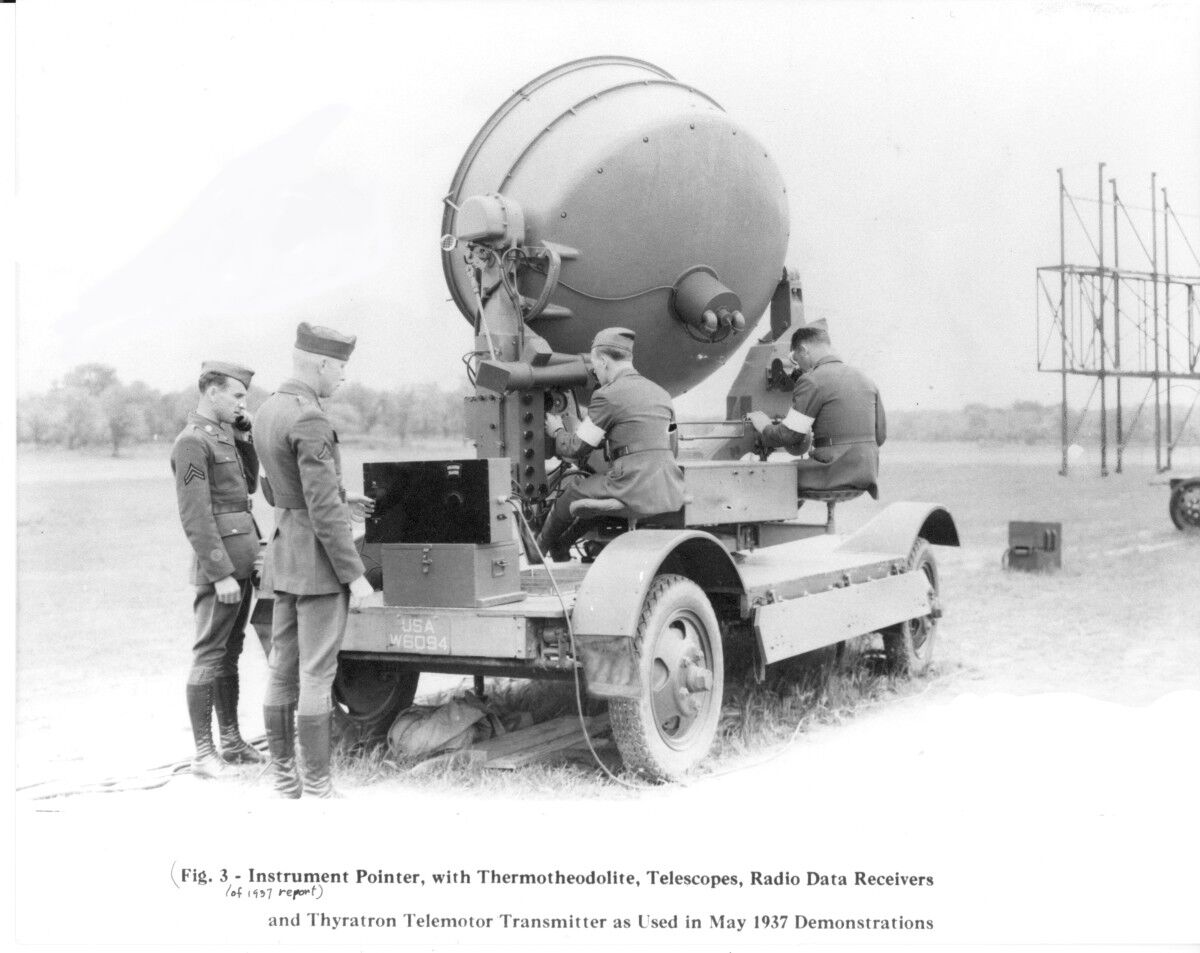
Several nations experimented with radar simultaneously. The United States made key advances through the Naval Research Laboratory (NRL), which demonstrated a practical radar system in 1934.
NRL installed experimental radar equipment aboard the USS Leary and, in 1938, conducted a landmark test aboard the USS New York, detecting aircraft at a range of roughly 50 miles.
But it was British physicist Sir Robert Watson-Watt who made it work in action for the military.
According to retired Army Gen. Ben Hodges, former commander of U.S. Army Europe, radar made its big entrance in World War II. “It was the Battle of Britain, where Nazi Germany was attempting to literally bomb Great Britain into submission,” Hodges said.
The German Air Force had been attacking Britain from airfields across France and other places. Going after British factories and cities. During that key battle, it proved its worth to the world.
“The British established these large radar facilities along the coast that enabled them to detect the German Luftwaffe before they even crossed the channel,” Hodges said.
Radar was the most advanced early warning system ever.
“It gave the Royal Air Force the chance to then scramble the correct squadrons that would go up to meet them. That’s a huge advantage,” Hodges said.
In the Pacific, U.S. Navy ships relied on radar to detect incoming aircraft, allowing defensive fighters and anti-aircraft guns to respond quickly. Radar-guided night fighting and long-range detection weakened Japanese surprise tactics. In the Atlantic, radar-equipped aircraft and ships improved the detection of German U-boats, helping turn the tide in the Battle of the Atlantic.
On land, radar supported air defense networks by tracking enemy bombers, directing interceptor aircraft, and guiding anti-aircraft fire. Radar-bombing aids, such as the H2X system, enabled Allied aircraft to strike targets through clouds and at night.
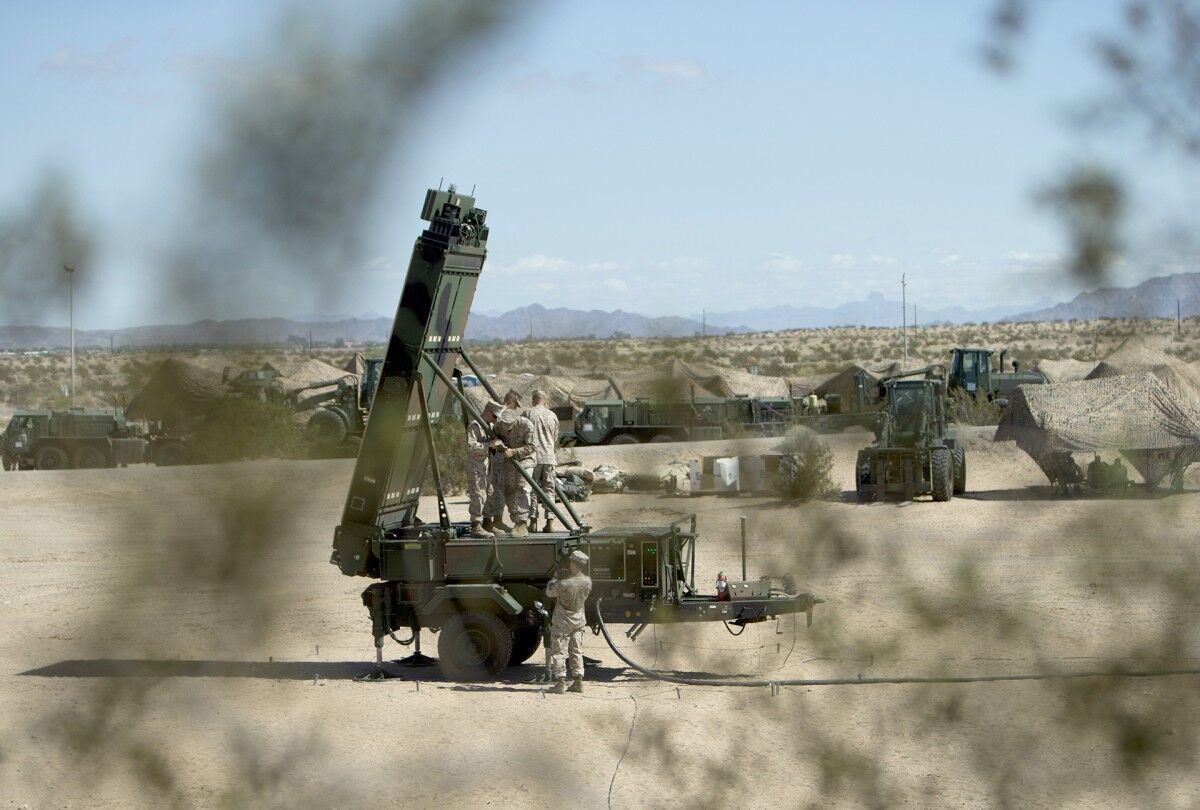
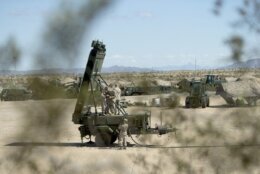
After the war, radar technology advanced rapidly. Doppler radar improved velocity measurement, while phased-array systems enabled rapid beam steering. Missile defense systems, air-traffic control, and modern weather forecasting all grew from wartime radar innovation.
Radar reshaped military strategy by making surprise attacks far more difficult and by expanding the commander’s awareness beyond visual or acoustic limits. It became foundational to integrated air defense, early warning systems, and modern sensing networks.
And today, for the American military, Hodges said, “Every aircraft has radar built in so that it can operate at night and detect enemy aircraft and anything else that’s out there.”
There are 13,000 aircraft across more than 50 distinct primary airframe types, including fighters, bombers, transports and unmanned systems, operated by the Air Force, Navy, Army, Marine Corps and Coast Guard. It’s as fundamental to any aircraft as the engine.
From fragile coastal towers scanning the skies over Britain 80 years ago to the advanced sensors embedded in today’s warplanes, radar has evolved into the nervous system of modern military power.
It enables awareness, precision and survival in environments where the human eye is blind and reaction time determines victory or defeat.
Radar, Hodges said, “is as fundamental to any aircraft as the engine.”
Get breaking news and daily headlines delivered to your email inbox by signing up here.
© 2026 WTOP. All Rights Reserved. This website is not intended for users located within the European Economic Area.