As the United States marks its 250th anniversary, WTOP presents “250 Years of America,” a multipart series examining the innovations, breakthroughs and pivotal moments that have shaped the nation since 1776.
HII is proud to partner with WTOP to bring you this series.
As we look toward America 250, we are reflecting on the leaders who built the nation’s safeguards that we often take for granted.
Often overshadowed by his dog Checkers, his trip to China and the Watergate scandal, Richard Nixon’s role on the average American’s quality of life can’t be overstated.
Only minutes after taking the oath of office in 1969, the California native set a path in his inaugural address.
“In protecting our environment and enhancing the quality of life — in all these and more, we will and must press urgently forward,” Nixon said on the steps of the U.S. Capitol.
While politicians have made promises in speeches and addresses since the first election, Nixon put his money where his mouth was.
One of the first efforts the Nixon administration focused on was the 1969 White House Conference of Food, Nutrition and Health.
“The moment is at hand to put an end to hunger in America itself. For all time,” Nixon said.
The Conference held at the Sheraton-Park Hotel in D.C. on Dec. 2-4 followed workshops and meetings across the country.
There were 1,800 recommendations from the conference headed by nutritionist Dr. Jean Mayer, Special Consultant to the President.
The National School lunch and breakfast programs were expanded, the creation of the Special Supplemental Nutrition Program for Women, Infants and Children. (WIC), Expansion of Food Stamps/SNAP and Nutrition Labeling were just some of the results from the conference.
An update on how a couple of those programs have done over the last half century.
In 2024, 41% of all infants in the U.S. received WIC benefits.
If the National School Lunch Program had a sign like the Golden Arches, it would read “246 billion lunches served.”
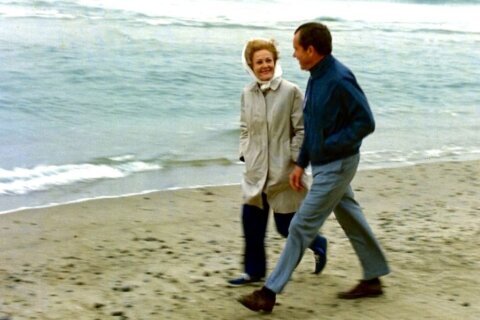
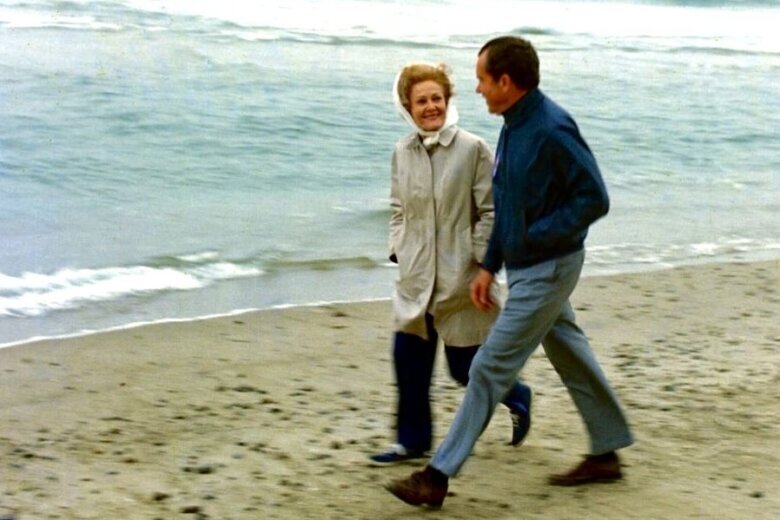
The president who was famous for walks on the beach with his wife Pat while styling in a suit with dress shoes planted a green policy flag by creating the Environmental Protection Agency.
The first President born west of the Rocky Mountains, described his goals to a joint session of Congress during his 1970 State of the Union Address.
“Clean air, clear water, open spaces, these should once again be the birthright of every American,” Nixon said.
Among the things we have the EPA to thank for the standards that were set for air and water qualities, along with efforts to reduce smog.
The Clean Air Act of 1970 totally changed the federal government’s role in comparing air pollution.
“The automobile is our worst polluter of air,” Nixon said at the 1970 State of the Union.
The Clean Air Act of 1970 regulated vehicle emissions, which drove lead out of gasoline, and the Lead-Based Paint Poisoning Prevention Act of 1971 banned it from our homes.
1970 was a big year for changes when it comes to the quality of the average American’s life.
Workplace safety was an issue President Lyndon Johnson was unable to tackle during his just over five years in the White House.
Union leaders, labor activists were pleading for the government to play a bigger role in nationwide safety standards.
Business leaders along with conservative members on both sides of the aisle believed regulation would slow down economic growth.
The problems didn’t get better and by the time December of 1970 rolled around, the American people were ready for something to be done.
“Twelve thousand five hundred people lost their lives in accidents in America’s factories and in other places of business, and over 2 million people were injured,” Nixon said at the signing of the Williams-Steiger Occupational Safety Health Act (OSHA) of 1970.
Since that day, there has been a 64% drop in workplace fatalities and injuries are down 40%.
In 2024, 5,070 people died on the job compared to roughly 14,000 in 1970. Injuries in the same time period have plummeted 79% from 10.9 per 100 to 2.3 per 100.
Look at it this way, in 1970, roughly 38 people didn’t come home from work every single day. today thanks to OSHA, it’s 14.
The incredible drops happened as the American workforce doubled in size.
So, yes, Tricky Dick will be remembered for Watergate and being the first president of the United States to resign from office.
But, as Nixon often told the country, “My fellow Americans, let me make this personally clear.”
From the air we breathe, food we eat, water we drink, and the safety of our workplace, the legacy of Richard Nixon remains closer to home than many would think.
Get breaking news and daily headlines delivered to your email inbox by signing up here.
© 2026 WTOP. All Rights Reserved. This website is not intended for users located within the European Economic Area.