Greetings from Costa Rica!
The Lyrid meteor shower is underway, with its peak expected on the night of April 21-22.
With the moon out of the sky and the peak centered on 4 p.m. Eastern Daylight Time, April 22, observers in dark locations could see 15 to 20 meteors — falling stars — an hour from midnight through dawn early Wednesday. A second good viewing opportunity follows Wednesday night.
Each year around this time, Earth passes through a stream of debris left behind by Comet Thatcher. As our planet moves through the cloud of cometary dust, particles hit our atmosphere and burn up, creating what we see as shooting or falling stars.
Traveling at about 108,000 mph, these comet fragments hit the atmosphere around 80 miles above Earth, heating the air to a white-hot glow.
The parent comet won’t come our way again until around the year 2283!
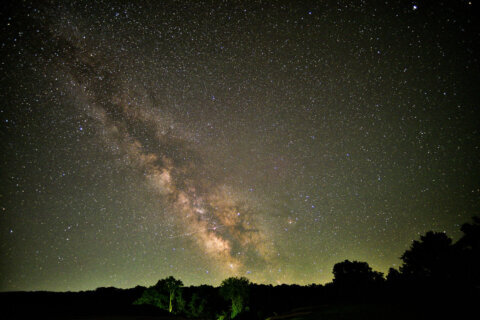
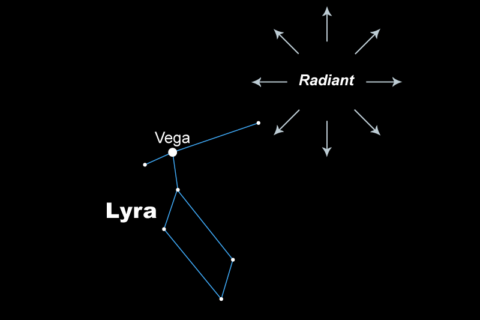
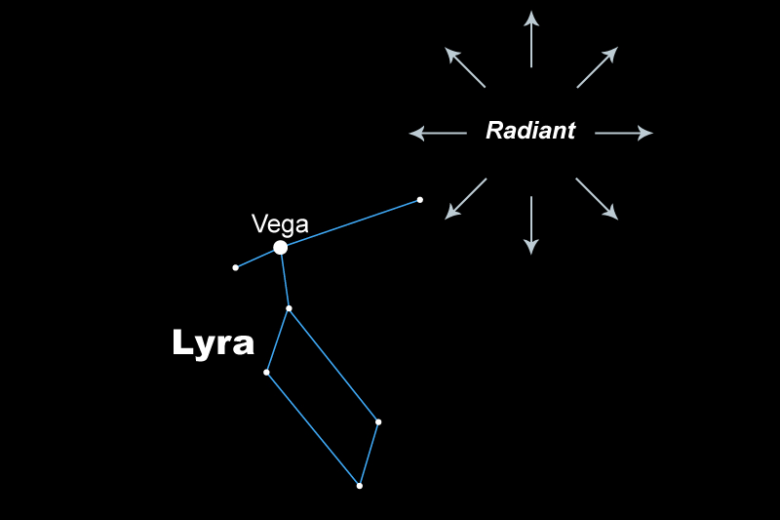
No special equipment is needed to enjoy the show — just find a dark location where you can lie down in a lounge chair or on a blanket to see the sky. Starting around midnight, face northeast and look for the constellation Lyra, which begins low on the horizon and rises higher as the night goes on.
The bright star Vega, located in Lyra, is to the left and near the area of the sky where the Lyrids appear to come from. Called the radiant, a meteor that is part of the shower can be traced back to Lyra. Sporadic meteors that are not part of the shower can be seen during the night as well.
Lyrids can appear anywhere in the sky but looking straight up offers the widest viewing area — this is where the lounge chair or blanket come in handy.
City dwellers may still spot the brightest Lyrids as long as they avoid streetlights and tall buildings. If you can’t make it to a good viewing site or if it is cloudy, you can still observe the meteor shower by a very novel and cool way.
As I write this I am listening to meteor radar — yes, radar that scans for incoming meteors, along with satellites and space debris.
It is a fascinating way — just heard one! — to monitor a meteor shower like the Lyrids. Essentially the louder a ping is, the brighter the meteor is in the sky.
You can listen during the day and night and when cloudy — which is forecast in the hours before dawn Wednesday — by listening at https://www.livemeteors.com/.
Enjoy the meteor shower with family, friends or your significant other. Some food and beverages can add to the experience. Be sure to have extra clothing, as nighttime temperatures can drop.
Follow my daily blog to keep up with the latest news in astronomy and space exploration.
Get breaking news and daily headlines delivered to your email inbox by signing up here.
© 2026 WTOP. All Rights Reserved. This website is not intended for users located within the European Economic Area.