


Rare photos reveal how DC changed in the years after World War II

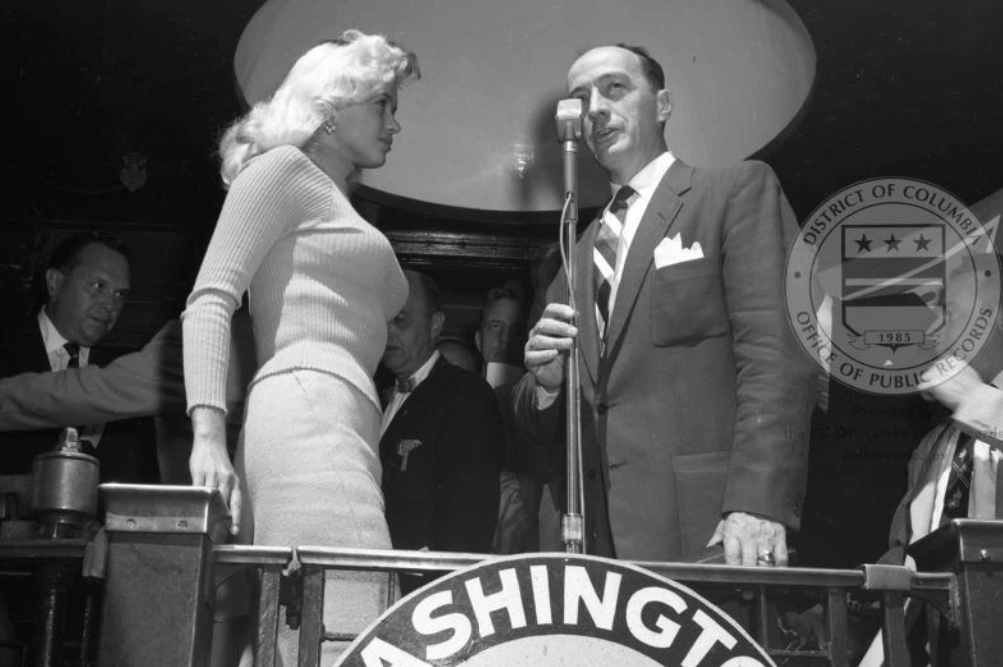
This photo shows Jayne Mansfield during a 'Key to the City' ceremony in the District.
This photo shows actress Jayne Mansfield during a ‘Key to the City’ ceremony in the District. (Courtesy D.C. Archives)
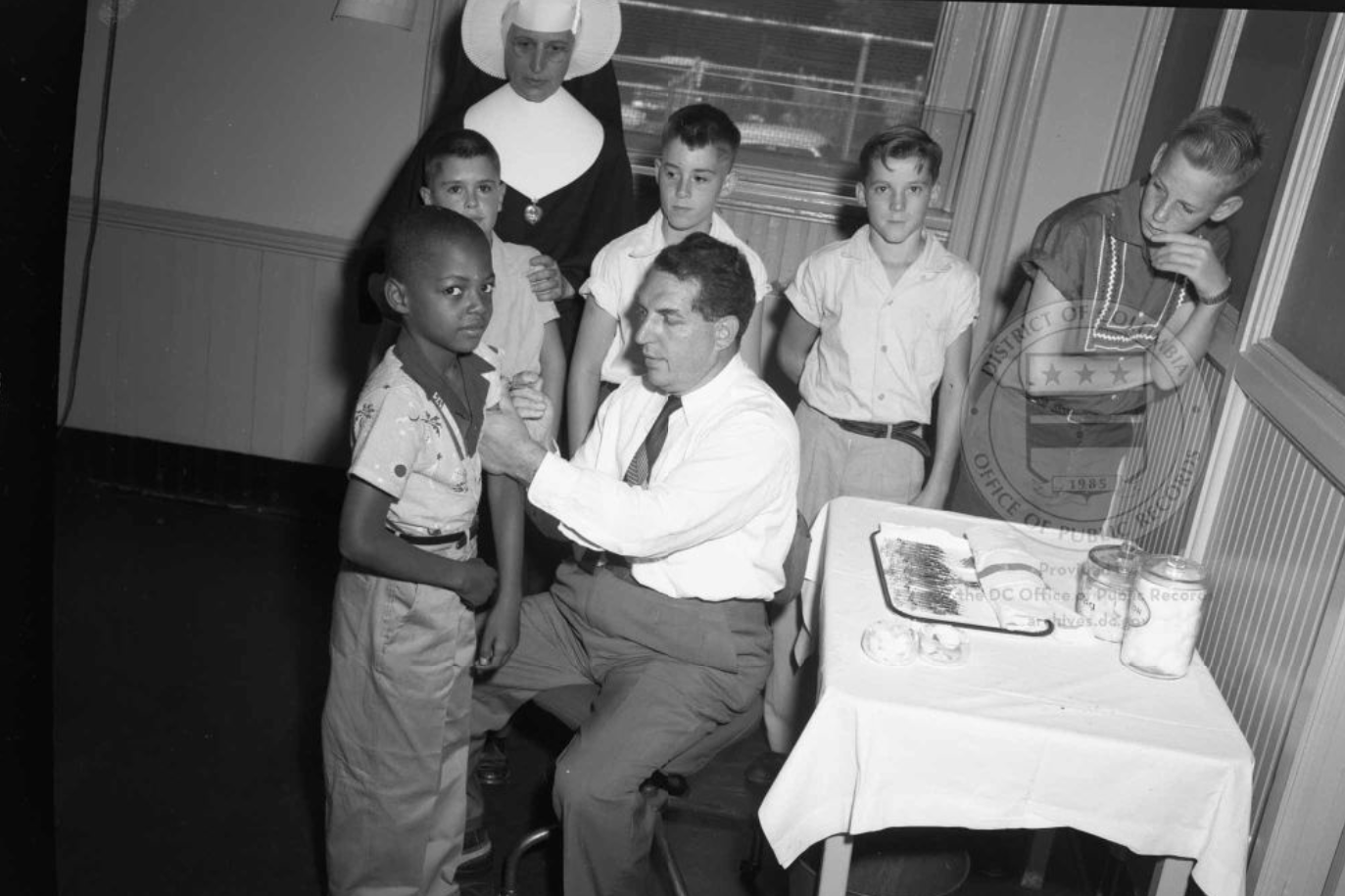
This photo shows children receiving polio vaccinations shortly after the vaccine became available.
This photo shows children receiving polio vaccinations shortly after the vaccine became available. (Courtesy D.C. Archives)
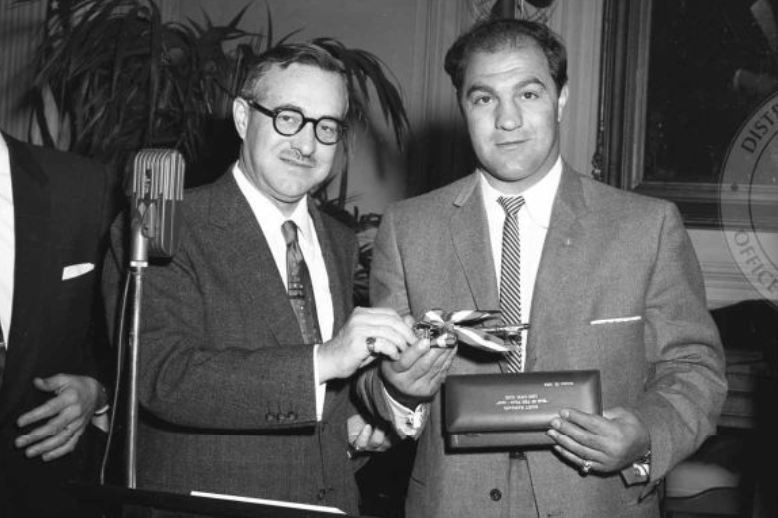
This photo shows Rocky Marciano during a 'Key to the City' ceremony in the District.
This photo shows Rocky Marciano, a legendary world heavyweight champion, during a ‘Key to the City’ ceremony in the District. (Courtesy D.C. Archives)
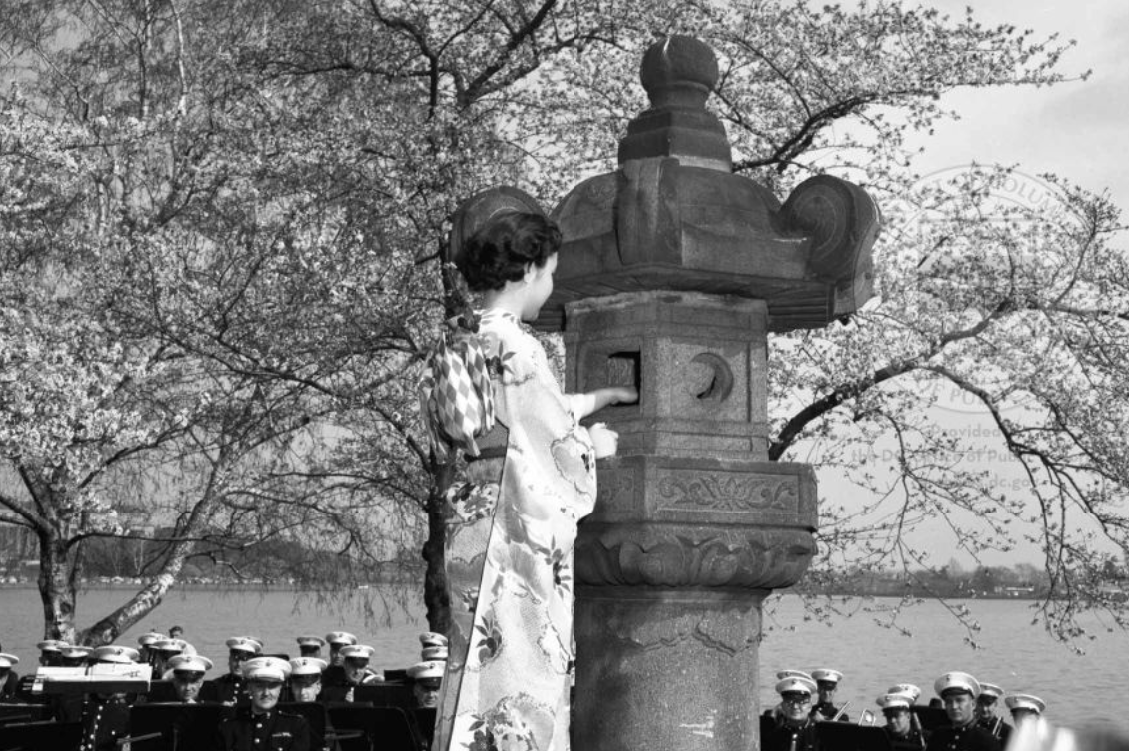
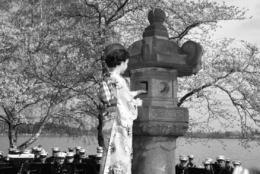
This is a photo from the presentation of a nearly 300-year-old Japanese Stone Lantern at the Tidal Basin in 1953, less than a decade after World War II.
This is a photo from the presentation of a nearly 300-year-old Japanese Stone Lantern at the Tidal Basin in 1953, less than a decade after World War II. (Courtesy D.C. Archives)
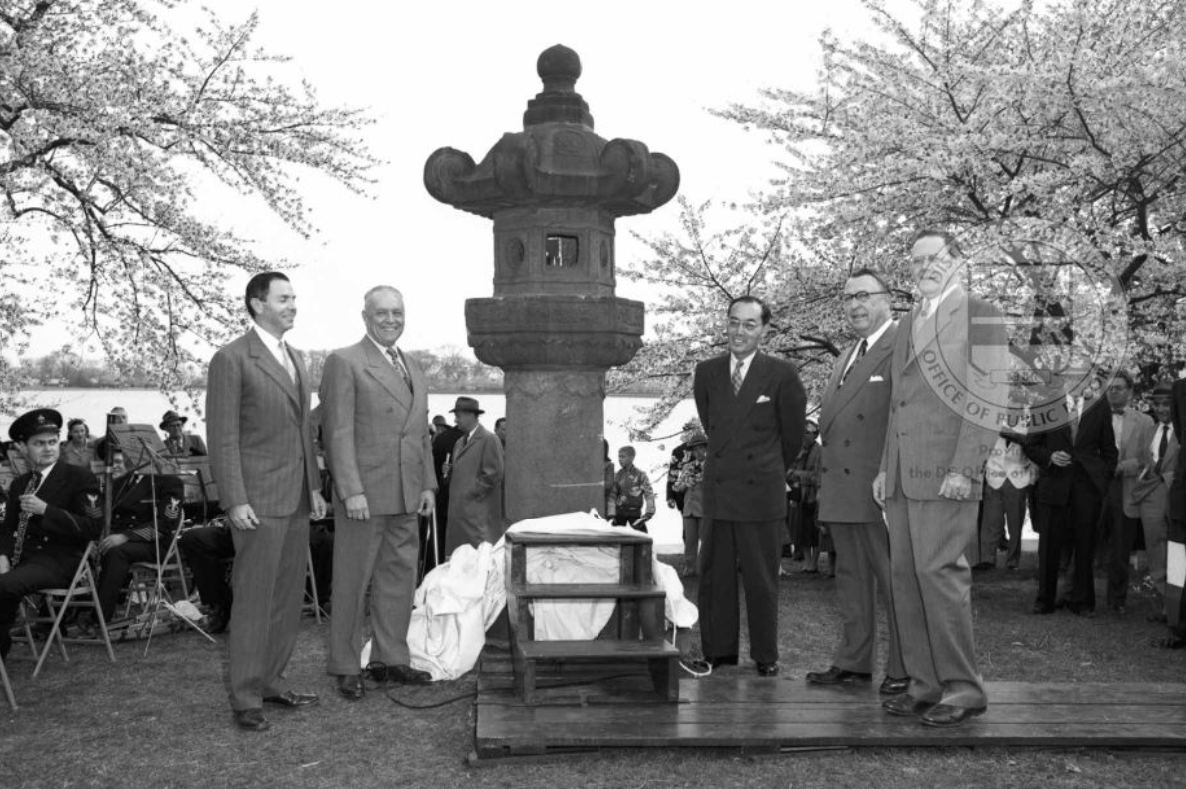
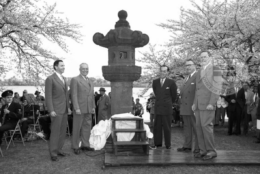
This is a photo featuring dignitaries from the presentation of a nearly 300-year-old Japanese Stone Lantern at the Tidal Basin in 1953, less than a decade after World War II.
This is a photo featuring dignitaries from the presentation of a nearly 300-year-old Japanese Stone Lantern at the Tidal Basin in 1953, less than a decade after World War II. (Courtesy D.C. Archives)
This is a photo of a horse trough in the District.
This is a photo of a horse trough in the District. (Courtesy D.C. Archives)
(1/6)
This photo shows Jayne Mansfield during a 'Key to the City' ceremony in the District.
This photo shows children receiving polio vaccinations shortly after the vaccine became available.
This photo shows Rocky Marciano during a 'Key to the City' ceremony in the District.
This is a photo from the presentation of a nearly 300-year-old Japanese Stone Lantern at the Tidal Basin in 1953, less than a decade after World War II.
This is a photo featuring dignitaries from the presentation of a nearly 300-year-old Japanese Stone Lantern at the Tidal Basin in 1953, less than a decade after World War II.
This is a photo of a horse trough in the District.

The D.C. Archives has released nearly 3,000 digitized photographs offering a glimpse of a city undergoing significant change in the years after World War II.

The collection, released last month, includes D.C. government photographs taken between 1947 and 1959.

“They cover about 13-year period in D.C. history, but very but still very fascinating because it’s the beginning of the shift in D.C. government, where you start to see the demographics of D.C. change,” said Lopez Matthews Jr., D.C.’s state archivist and public records administrator. “You start to see more people of color, more women. You start to see a change in D.C.”

The photos document a city in transition.

“Urban renewal really starts to ramp up during that period,” Matthews told WTOP.

Available through the D.C. Archives website, the collection includes photographs of ‘Key to the City’ ceremonies, official proclamations, speeches and neighborhood scenes across the District.

“It’s just interesting to document how the city has changed over the years just by looking at the photographs, looking at the neighborhoods,” Matthews said. “There’s a series of horse troughs that we have photos of, and you’re like, ‘Oh, they were just randomly around.’”

The collection also captures major moments in history, including children receiving polio vaccinations shortly after the vaccine became available, visits by foreign dignitaries and the presentation of a nearly 300-year-old Japanese Stone Lantern at the Tidal Basin in 1953, less than a decade after World War II.

The photographs also offer a window into segregation-era Washington.

“There are photos of children going to the AAA summer camp, and you see the kids on the buses, but you see them, you know, it’s not stated in the photos, not stated in the description, but you notice that all the white kids are on one bus, all the Black kids are on another bus,” Matthews said.

Only 13 years of photographs are currently available online, but Matthews said the archives continue to digitize additional collections and plan to release decades of images in the future.

“We’re trying to move through methodically to get these pictures digitized, make them available,” Matthews said. “When we get to the 60s, and then you start to see a real shift.”

Get breaking news and daily headlines delivered to your email inbox by signing up here.

© 2026 WTOP. All Rights Reserved. This website is not intended for users located within the European Economic Area.

Luke Lukert

Since joining WTOP Luke Lukert has held just about every job in the newsroom from producer to web writer and now he works as a full-time reporter. He is an avid fan of UGA football. Go Dawgs!

Federal News Network Logo
Log in to your WTOP account for notifications and alerts customized for you.

Sign up