In the D.C. region, conversations often start with, “What do you do?” WTOP’s “Working Capital” series profiles the people whose jobs make the D.C. region run.
In Upper Marlboro, James Wells and fellow lineman Jennings Buckeler moved with quiet precision, like surgeons of the grid. The two threaded a new lifeline of electricity from the pole to the home, reconnecting a family to the power they’d lost. No words were needed as they clipped, wired, and tested before the house came alive again.
It’s dangerous work, climbing into the bucket of box truck in the worst weather and handling thousands of volts of electricity. But it’s a job that, in many cases, means the difference between life and death for those it helps. James Wells of Pepco is one of the unsung heroes who keeps the lights on for millions. Pepco serves nearly 900,000 customers in Maryland alone, making the work of linemen like Wells essential to everyday life.
“The joy I get from serving the community, powering the DMV area, it’s a humbling experience,” Wells said.
Wells grew up in Southern Maryland and said he’s known many people throughout his life who worked in the power industry. He never imagined becoming a lineman himself, but eight years ago, at age 23, he decided to give it a try and began working for Pepco.
“I haven’t looked back since,” Wells said.
He said what draws him to the work is not only the ability to help his community, but also the thrill of working with electricity, often high above the street and in the worst conditions.
“I feed off the adrenaline. This line of work suits me very well,” Wells said.
Getting to this point wasn’t easy. It took more than five years of training before he was given the keys to his own work truck and allowed to respond to calls without supervision.
While there is some classroom instruction, Wells said most of the training is on the job. And when dealing with high-voltage electricity, there’s no room for complacency.
“You’ve got to mentally prepare yourself for this line of work,” he said.
Though the adrenaline excites him, Wells said safety is always his top priority.
“When you’re coming up to a job, I mean before anything, you’ve got to make sure the scene’s safe, to yourself and the public,” he said.
So, for someone who enjoys the dangerous part of the job, what’s the biggest challenge? He joked that it’s the desk work.
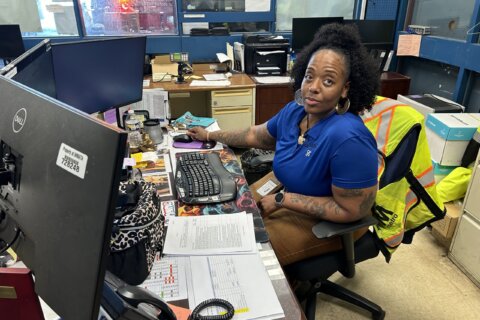
“The most difficult part of the job is not actually doing the work, but the stuff behind the scenes that people don’t see,” Wells said.
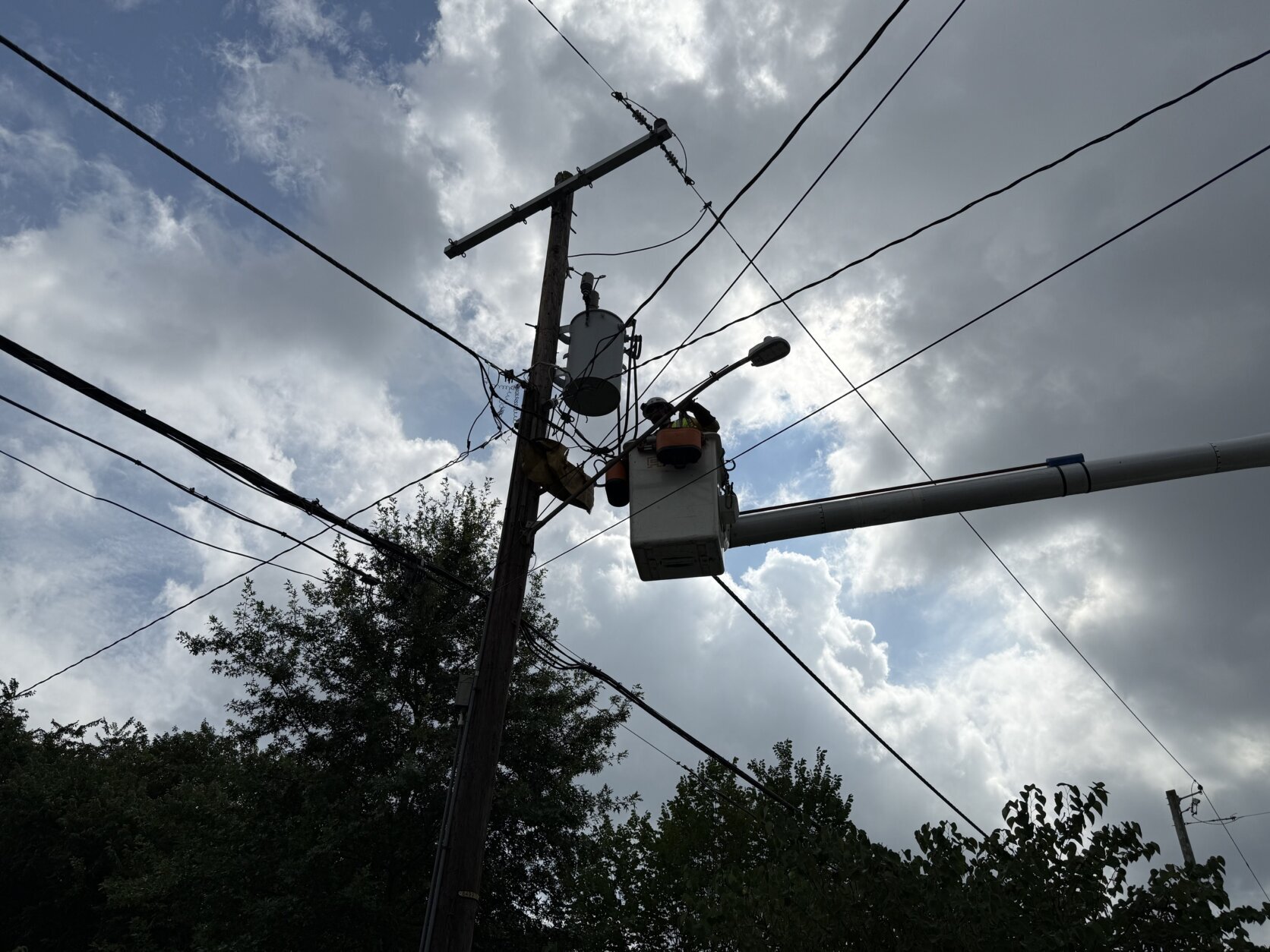
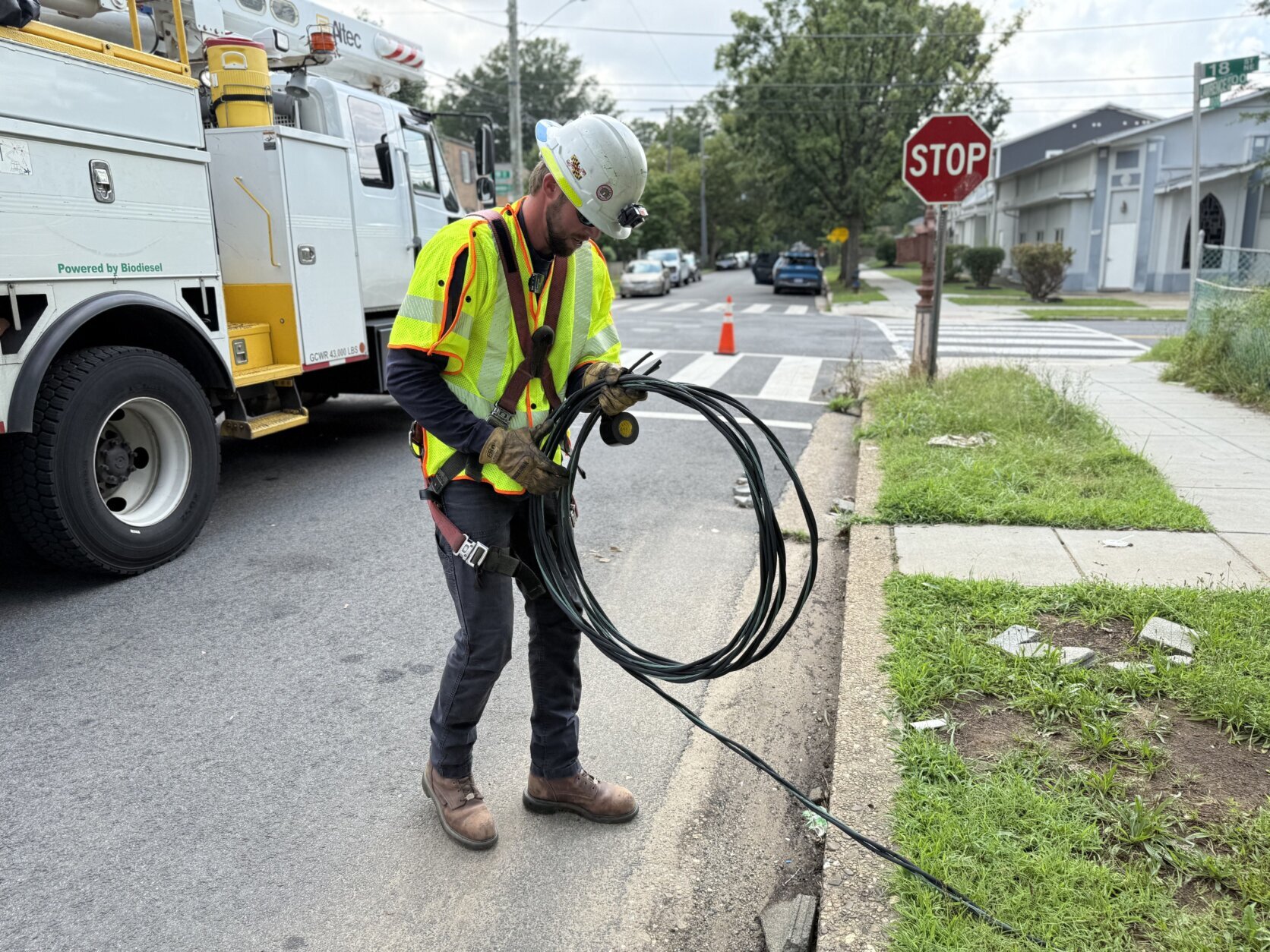
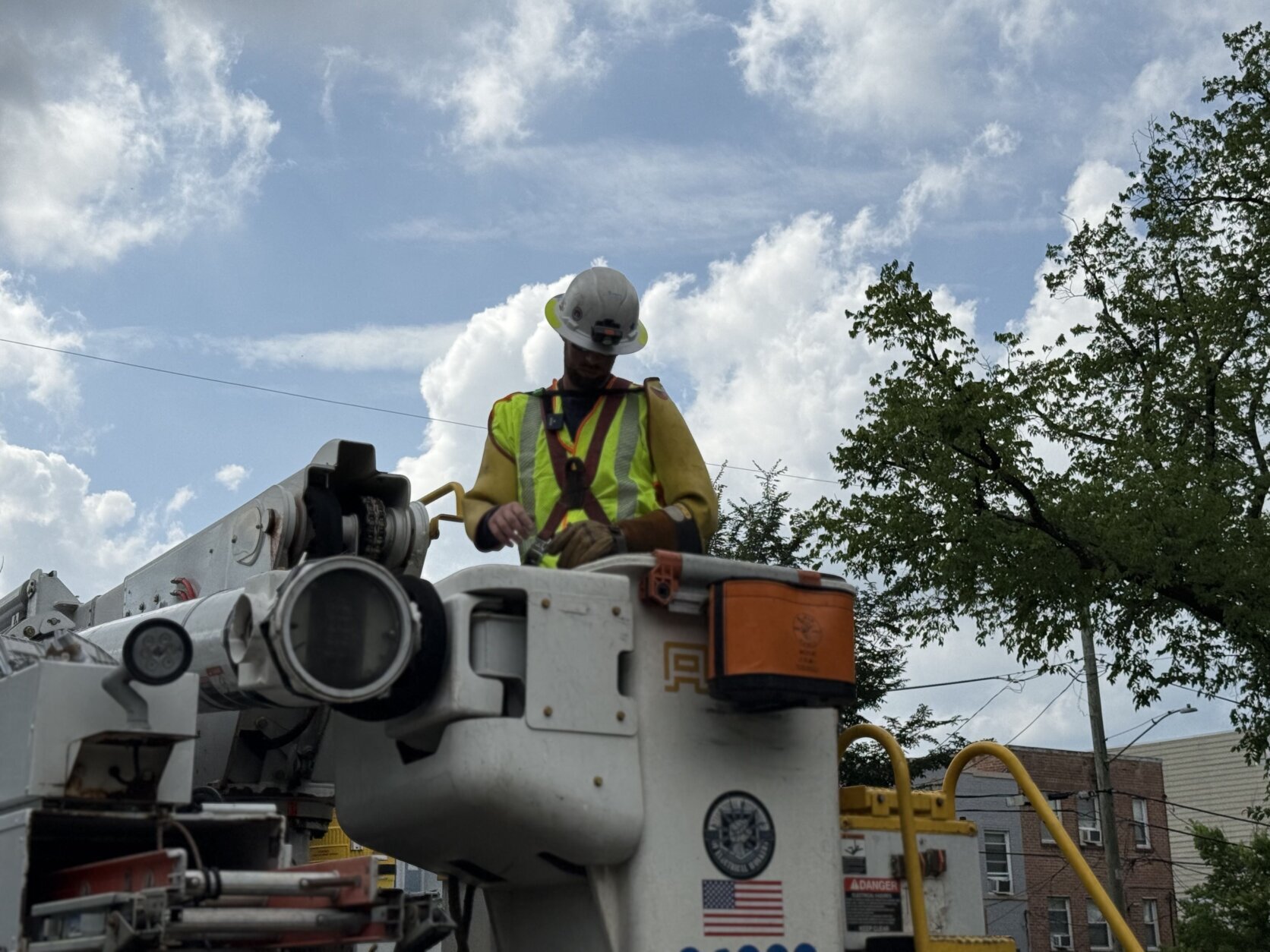
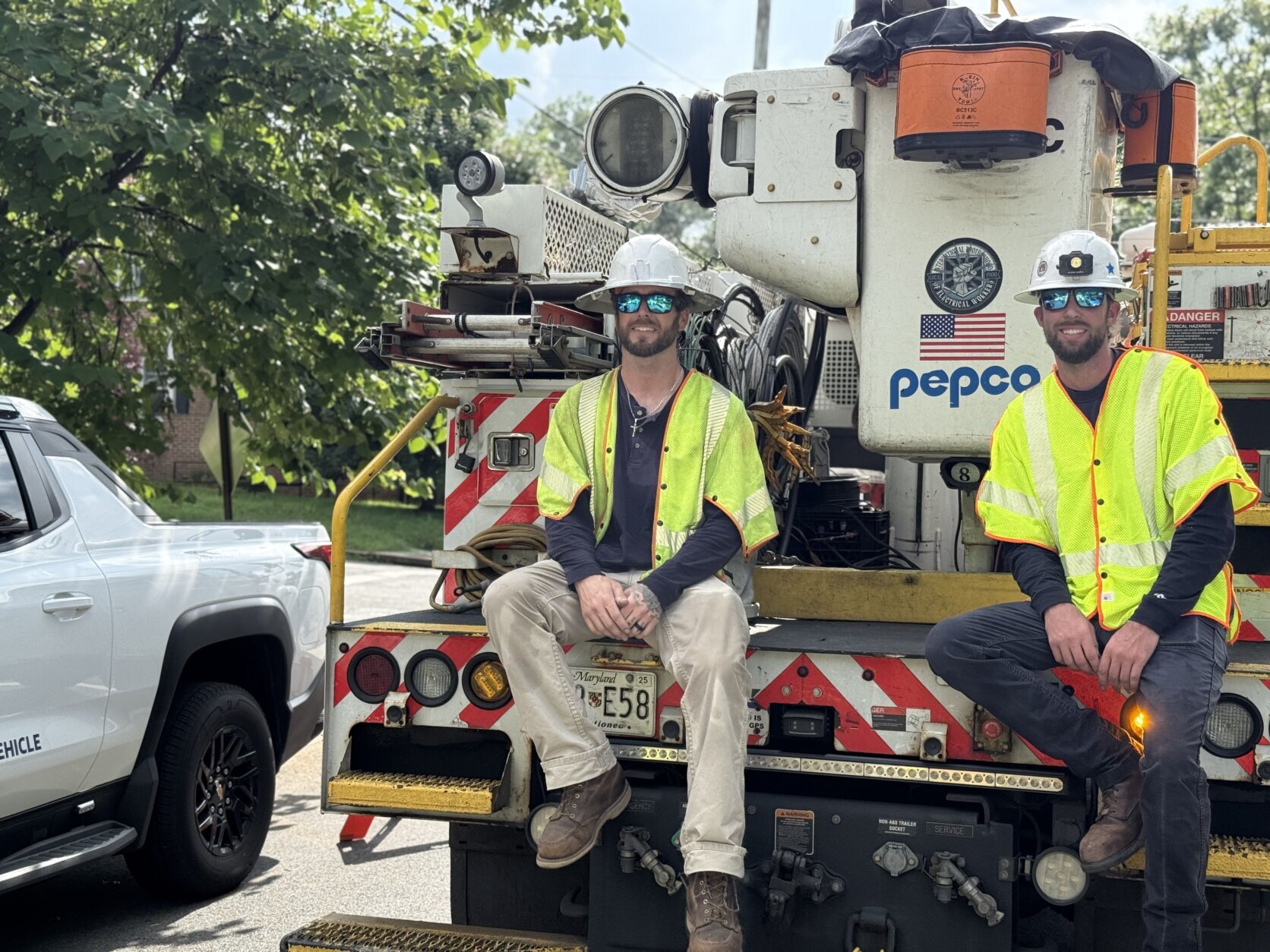
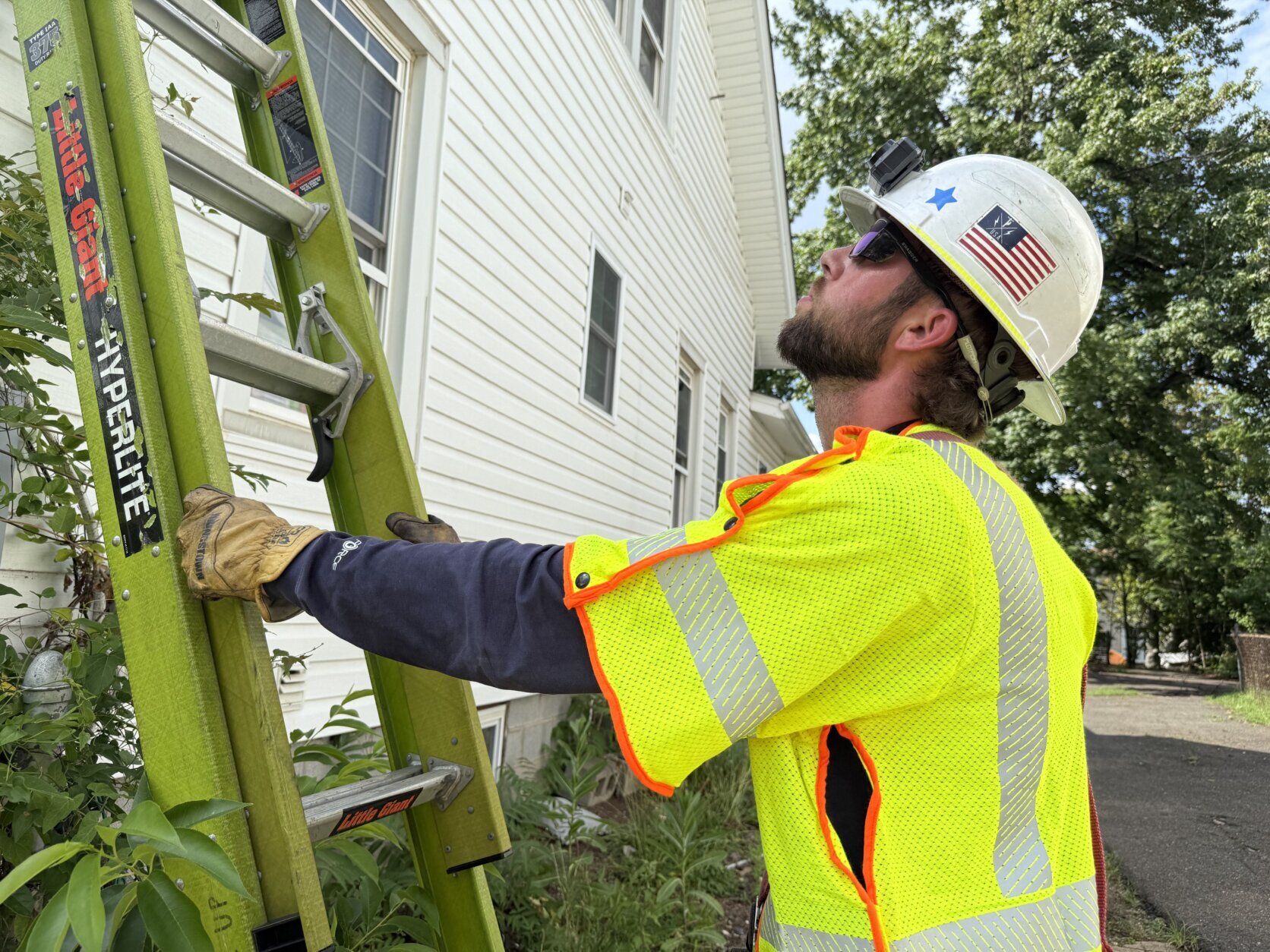
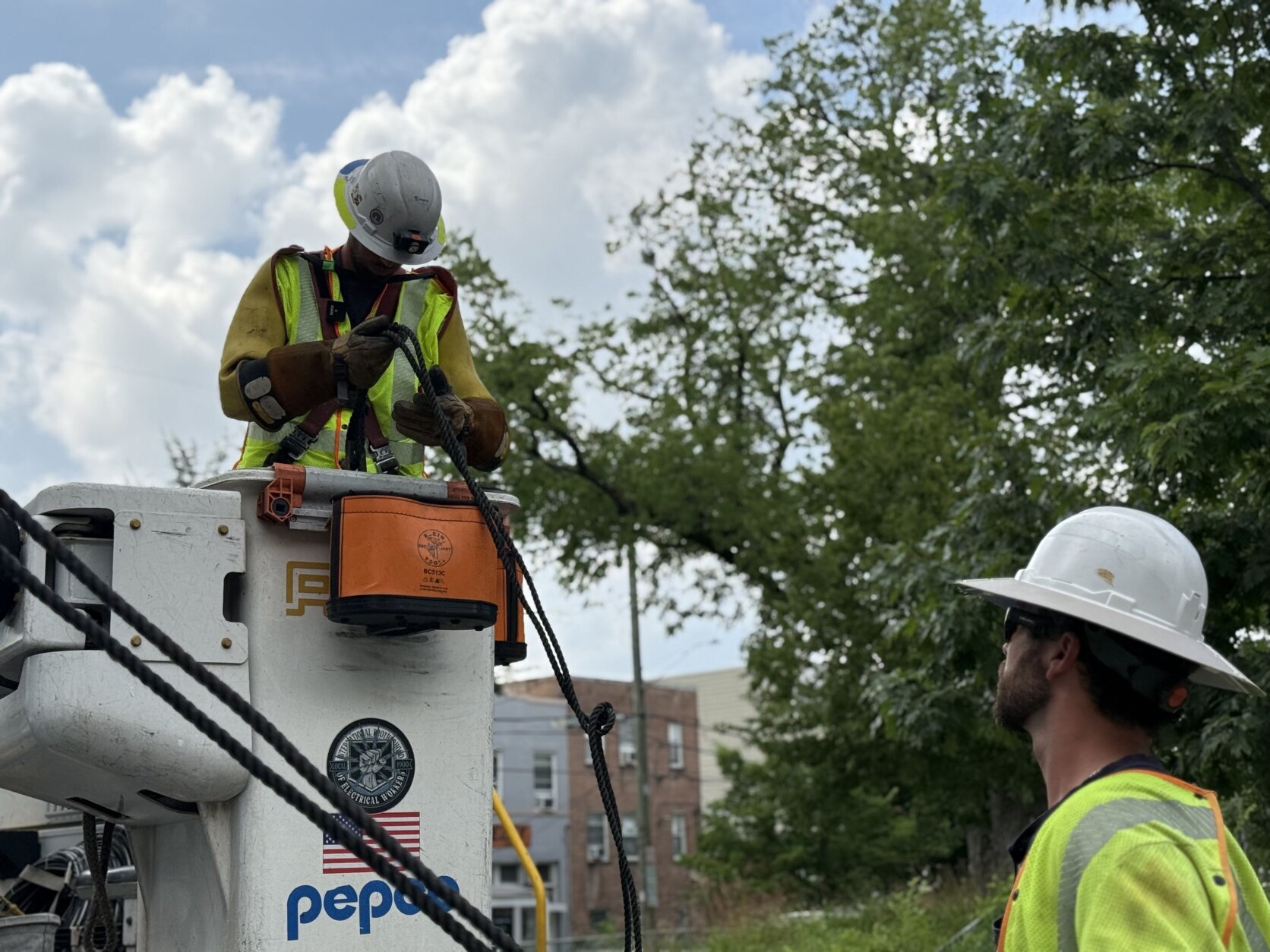
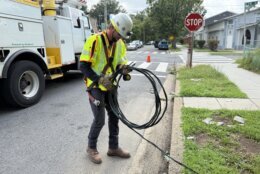
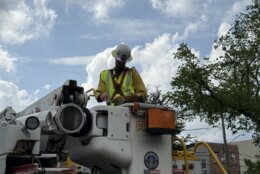
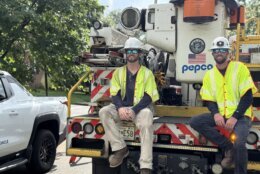
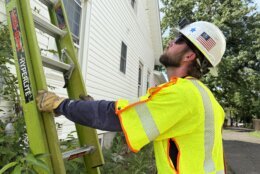
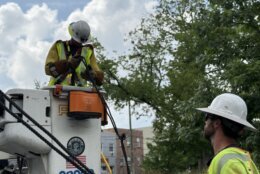
As they work, Wells and Buckeler seem to be in sync, knowing without words what’s needed next in the repair process. Wells said that connection comes from the “brotherhood” at Pepco’s Forestville location, where he’s based.
“Everybody looks after everybody. A lot of senior guys are passing down knowledge to the younger generation,” he said.
Even when the weather is nice and power is stable in the D.C. region, Wells is still on call. Pepco line workers are often deployed to other states when storms or disasters strike and extra help is needed.
Wells has responded to emergencies in Chicago and New Jersey. While the work is rewarding, it’s also exhausting.
“A lot of long days and longer nights. You’re literally waking up, going to work for 16 hours, and then going back to a hotel to sleep,” he said.
Fortunately, Wells said he has a strong support system at home.
“People who know this line of work know that shift work is coming, and they’re always there for you, in your corner, no matter what, no matter the long hours,” he said.
Though he doesn’t speak directly about what’s next, Wells said he sees himself staying in the industry for the long haul. The combination of adrenaline, purpose, and community connection keeps him grounded in the work.
“If you’re looking to get into this industry, it’s a great industry with a lot of opportunities, and you’ve got longevity,” he said.
And there are perks, like the views from high above the ground. One of his favorite days on the job? The Fourth of July.
“You’re up in there working, and you see fireworks going off all around you. It makes you feel like you’re home away from home,” he said.
Get breaking news and daily headlines delivered to your email inbox by signing up here.
© 2025 WTOP. All Rights Reserved. This website is not intended for users located within the European Economic Area.