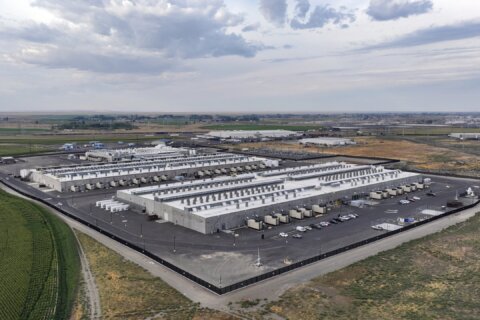
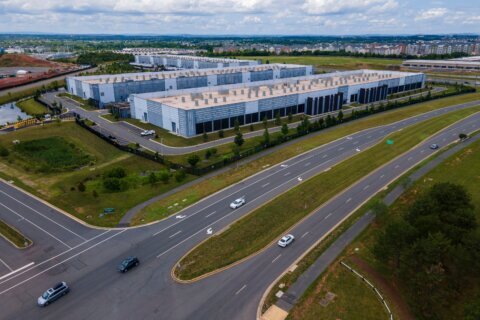
The Potomac River basin is home to the largest concentration of data centers in the world, which could contribute to a shortage of drinking water from the Potomac — the primary, and in some cases, sole source of potable water near the nation’s capital.
In a newly released blog post, the Interstate Commission on the Potomac River Basin, abbreviated ICPRB, describes some of the ways in which data center growth, which is primarily located in Virginia’s Loudoun and Prince William counties, can affect whether there is enough drinking water to serve Fairfax Water, WSSC Water and the Washington Aqueduct.
“There are 290 data centers in the Potomac River Basin,” said Michael Nardolilli, executive director of the interstate commission, which has a mission “to protect and enhance the waters and related resources of the Potomac River basin through science, regional cooperation, and education,” according to the group’s website.
While much scrutiny of data centers’ utility use focuses on electricity, data centers primarily use water to maintain a safe operating temperature for IT equipment.
“They have a lot of chips that generate a lot of heat, and they need to be cooled,” Nardolilli said. “There are two ways that are generally used to cool these chips; one is water-cooled systems, which is evaporation and the other one is air-cooled.”
Nardolilli said one of the challenges is “it’s hard to get a sense, for a particular data center, of how much water it uses for these cooling purposes.”
He said when data center companies come into a community, “one of the first things they do is negotiate a nondisclosure agreement, so that all of their information is deemed to be proprietary.”
Since the interstate commission is responsible for long-term projections of Potomac River water availability, he said they have to search for public sources of data, which are turned into estimates.
The challenge is peak demand
While the water needs of data centers are already difficult to quantify, summer makes the challenge harder.
“It’s hot in the summer, so they need more water in the summertime,” Nardolilli said. “That’s OK, but the problem is that outdoor water usage peaks in the summertime as well, and also the river flow is at its lowest in the summertime.”
“This is sort of a perfect storm of conditions, where you have increased water demand by other users, increased water demand by the data centers, and then the river itself is very, very low in the summer,” he said.
Even without data centers, filling swimming pools and other recreational uses are part of a substantial surge in water use during the summer.
According to the interstate commission, data centers account for 1% of total withdrawals in the D.C. metro area but “they represent 9% of annual consumptive use and up to 12% of consumptive use in summer.”
Nardolilli said future water supply conditions could change substantially depending on technological advances in cooling data centers in the coming years.
Get breaking news and daily headlines delivered to your email inbox by signing up here.
© 2026 WTOP. All Rights Reserved. This website is not intended for users located within the European Economic Area.