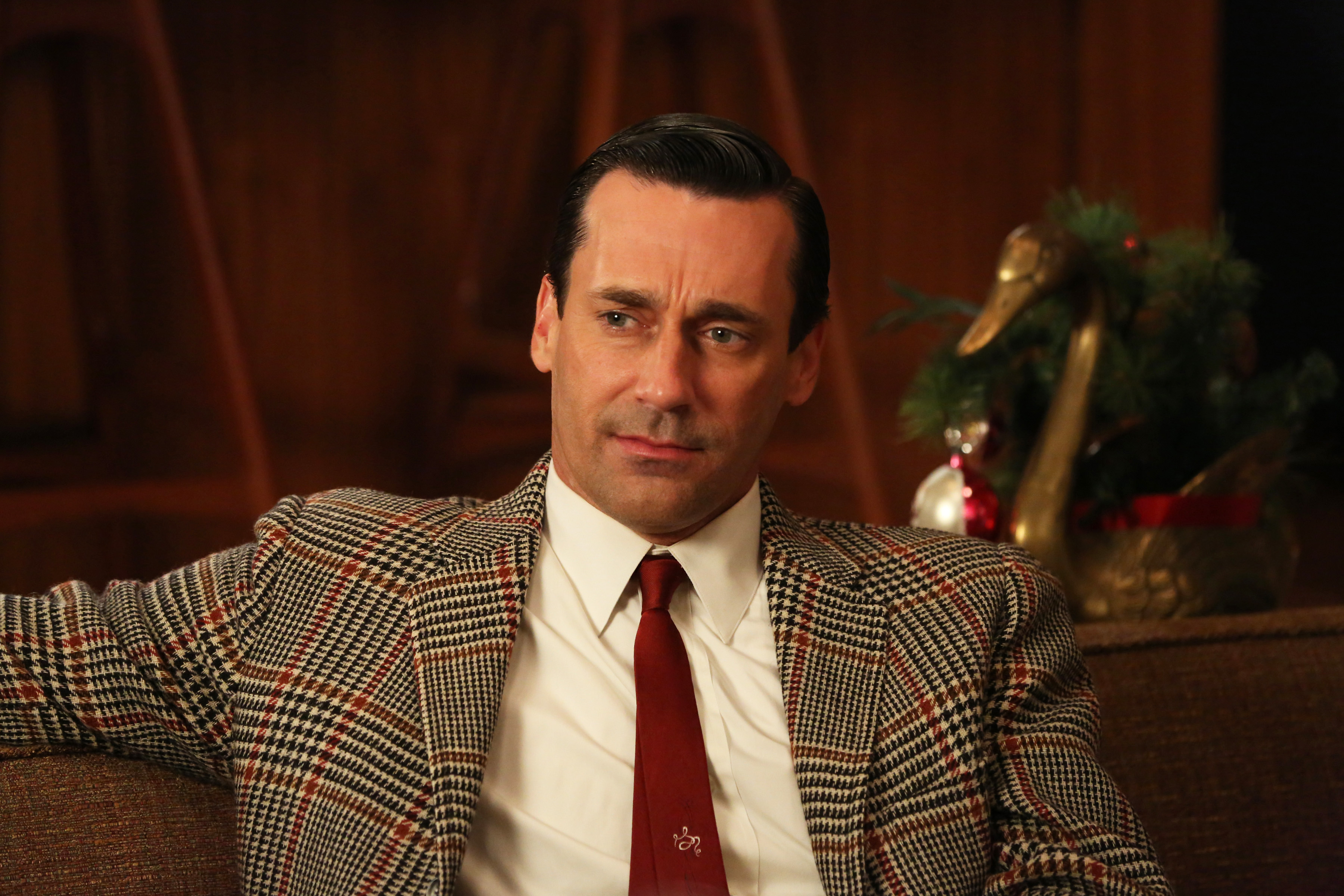
WASHINGTON – That’s a wrap. We knew this day would come. The curtain has fallen on Don Draper.
But as AMC’s “Mad Men” finale unfolded Sunday, and the world watched Don cross his legs in meditation at a hippie commune, social media greeted Don’s “ommmm” with a resounding “ummmm?”
Then a bell dinged. Don smiled. And his spiritual rebirth inspired an iconic Coke commercial, bringing the show to a conclusion sure to frustrate folks in real-time, but destined to grow on us all.
That’s how “Mad Men” has always been — like a fine wine that ages with time, meant to be sipped and savored, rather than chugged to excess. The subdued finale was consistent with creator Matthew Weiner’s style — nuanced, contemplative and favoring commentary over cliffhangers.
So if you’ve been following along, how did our predictions pan out?
CORRECT:
We nailed that Don’s mysterious road trip destination was to visit Anna Draper’s niece, Stephanie. It just seemed right — to complete his character arc — that Don would visit the only remaining “lineage” of the real Drapers. Remember, in the previous episode, he had finally verbalized his sin of killing his commanding officer in Korea — the real Don Draper. Now, it was time for Don to make amends with the family of the late Anna Draper, who was fully introduced in Season Two’s “The Mountain King.”
That episode was directly followed by the Season Two finale, “Meditations in an Emergency,” which ended with Don’s (false) rebirth in the waters of the Pacific. It seemed likely that Don would seek a similar rebirth in the series finale — literally performing meditations in his own existential emergency.
INCORRECT:
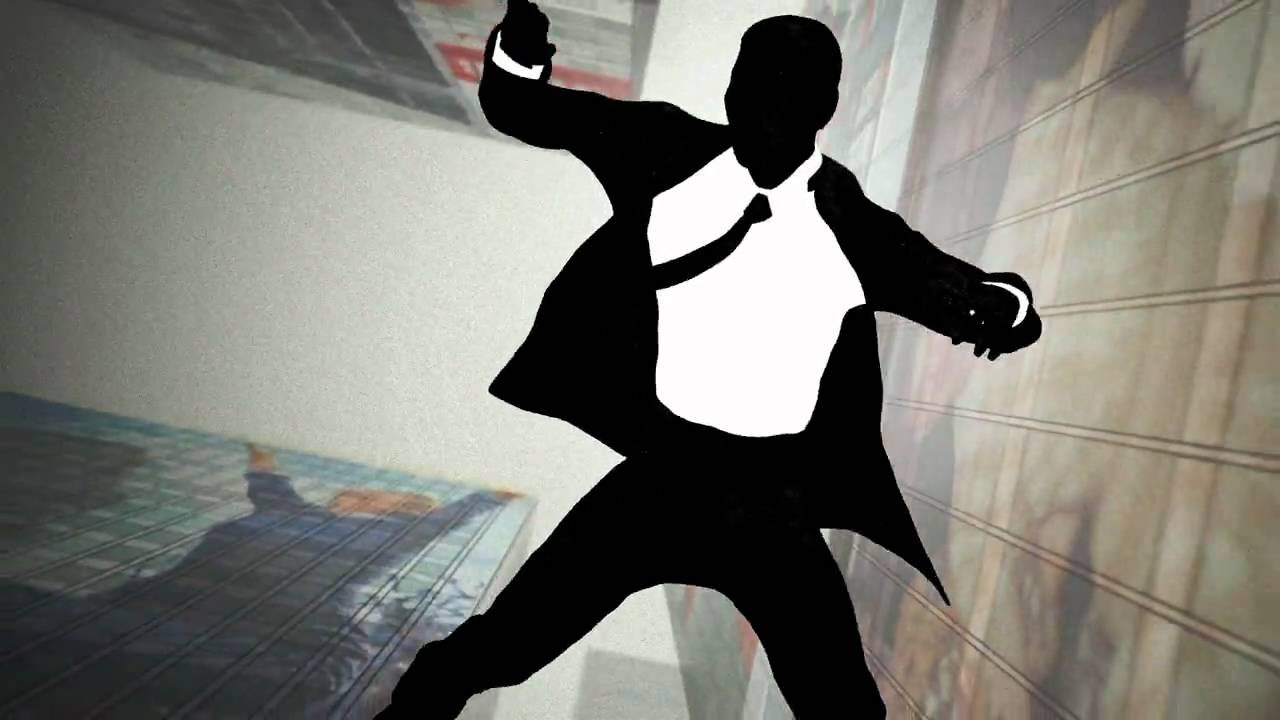
The falling paper cutout of the opening credits led many to debate whether Don would fall out the window of the advertising office, but I thought it might be Roger Sterling. This prediction seemed on the mark, as his death was teased with dialogue several times in the finale, but in the end, Roger survived and no one fell out the window. Case closed. Window closed.
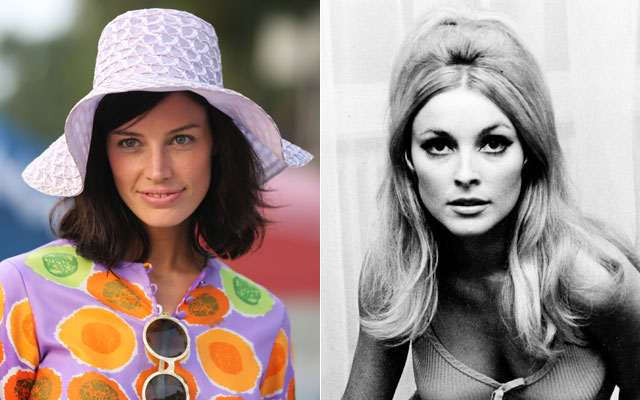
Weiner also teased us to the very end with the Sharon Tate-Megan Draper connections. At one point, Charles Manson was mentioned by name for the increasingly difficult plight of hitchhikers: “You can thank Charles Manson for that.” Later, when Don arrived at the California hippie commune, the group’s bearded leader looked a lot like Manson, sparking Twitter posts: “Here come the cult killings!” In the end, it was all a giant bit of trolling — with Weiner laughing all the way to the bank.
But it’s worth asking — does this trolling now dilute all the supposed “genius” connections? Or does Weiner deserve credit for successfully feeding the myth — and ending the show at a point where all the conspiracies (Megan Draper, D.B. Cooper, falling ad man) are all technically still possible post-show? It’s a fascinating question in an age where bloggers feel entitled to the writing process.
For all those who wanted conspiracy theories fulfilled, consider this: Weiner gave you all what you wanted. By not explicitly showing these events, he left open the possibility of all of them. (1) Who says Don didn’t become D.B. Cooper after the Coke ad? His airplane watching and vision of Bert Cooper gives theorists credence to chew on forever. (2) Who says Megan didn’t suffer a similar fate to Sharon Tate? Don surrendered Megan’s wedding ring at a California hippie commune with a dialogue mention to Manson. (3) Who says Roger didn’t fall from the building? Three dialogue clues hinted at his eventual death, including: “You’ll land on your feet” and “Are you trying to kill me?”
By giving us these hints — but never showing them — Weiner leaves it all to our imagination, which is how it should be. Parts of the finale may have been clunky and rushed, but no one can knock Weiner for scorning the diehard conspiracy theorists. He gave them all what they wanted — by not giving them what they wanted. The breadcrumbs remain there forever — it’s up for us to bake the bread.
DEBATABLE:
Which brings us to the final shot — and the real reason for Don being at the hippie commune — to find inspiration for the Coke ad. At least one brilliant piece predicted that Don would create the Coke ad, while I predicted it would be Peggy. Even after the finale, this remains debatable. The final shot suggests Don’s meditation inspired the ad, but it’s very possible he phoned Peggy with the idea. Can you really see Don going back to the ad world after his rebirth? Or does he stay on the West Coast?
Weiner leaves it open to interpretation, just as he does the question of whether Don will return to his children. In the finale, Don learns of Betty’s cancer and offers to come take custody of the kids, only for Betty to forbid it as her dying wish, insisting that she wants to maintain normalcy in their lives. In this way, Weiner garners sympathy for Don by having him make the moral choice (wanting to be with his kids), but gives Betty the final say (keeping Don away), as Don’s marital sins continue to haunt him.
FINAL THOUGHTS:
All in all, the finale allowed all of our favorite characters to say their goodbyes. At times, this came over the telephone: Don and Betty’s goodbye (heartbreaking), Joan and Peggy’s feminist triumph (Sterling Cooper meet Harris-Olson!), and Don and Peggy’s collect-call (an intense “all is lost” moment). Other times, it came face-to-face with mixed results, feeling forced as Stan and Peggy professed their love, and pitch perfect as Peggy and Pete shared mutual congratulations.
Love or hate the finale, “Mad Men” was amazing television for the better part of eight years, elevating to level of great literature more often than not. Repeat viewings of the early seasons now reveal tragic setups of Betty’s cancer (“Bye Bye Birdie,” Don selling Lucky Strikes, Betty smoking with Sally in the car), while repeat viewings of the final episodes reveal foresight of the final image (Don fixing the Coca Cola machine at the motel, a Coke can sitting on the desk during Don’s walkout at McCann).
Even in the finale’s pivotal scene, Don hugs a distraught therapy comrade, who describes his life as if being inside a refrigerator with the door opening, then closing again without being picked — just like a stale Coke past its expiration date, needing a new ad campaign, a new reinvention, a new rebirth.
Was this analogy as brilliant as the one in the Season One finale? Not quite. But as we watched the credits roll with dashed hopes for a reinvention of “The Wheel,” our nostalgia for the show’s better days ironically proved Don’s take on the human condition: “We’re flawed because we want so much more. We’re ruined because we get these things, and wish for what we had.”