They are the sons of stumpy, or, better yet, clones of stumpy, and they are growing right now in D.C., readying to be replanted at the Tidal Basin.
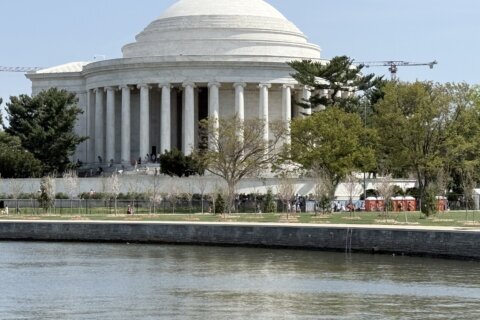
The progeny of the gnarled yet beloved cherry tree, which was removed from the Tidal Basin during sea wall restoration, are now growing at the National Arboretum.
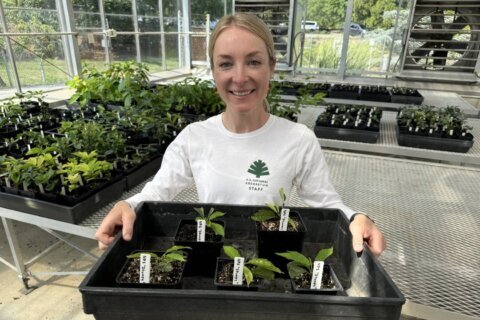
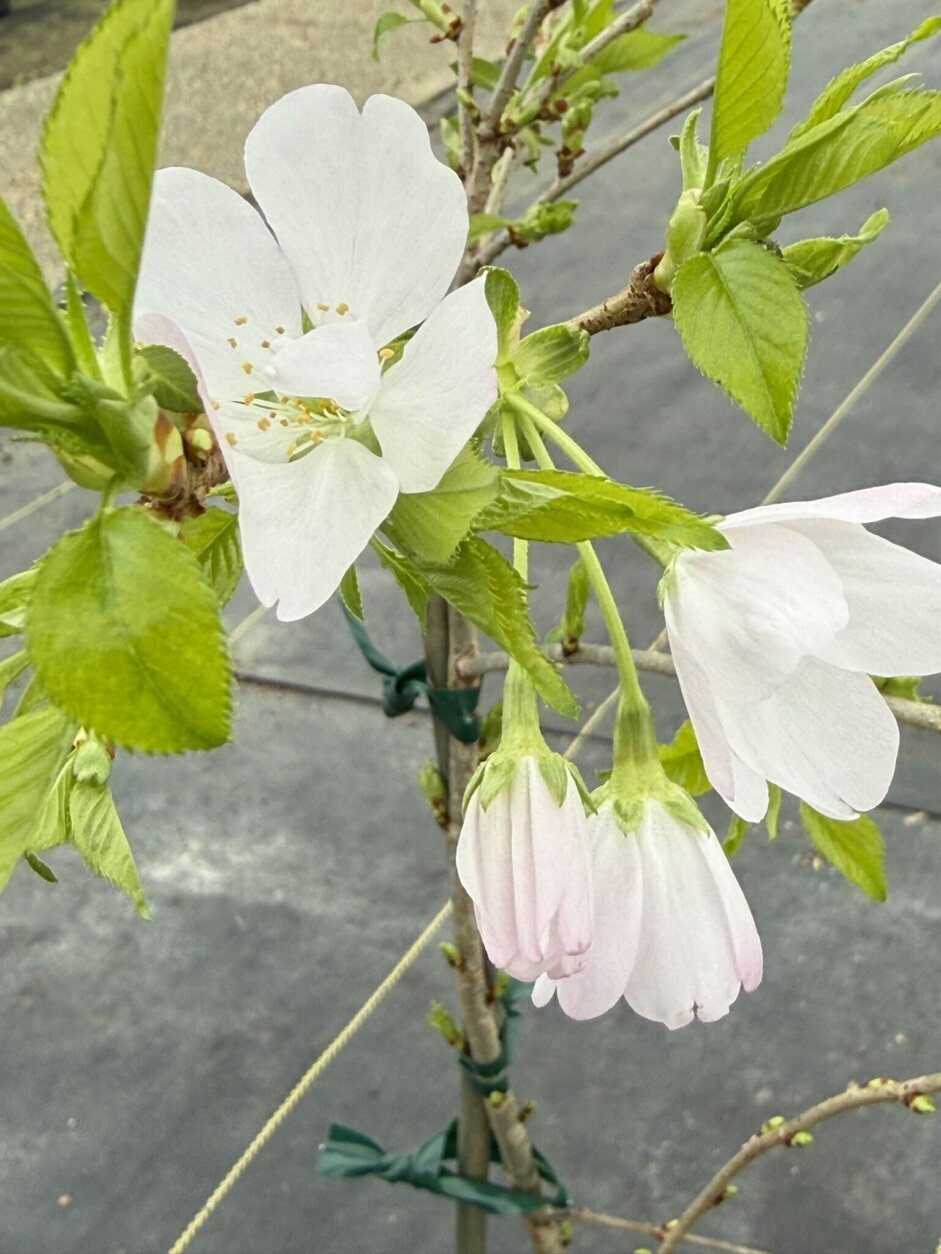
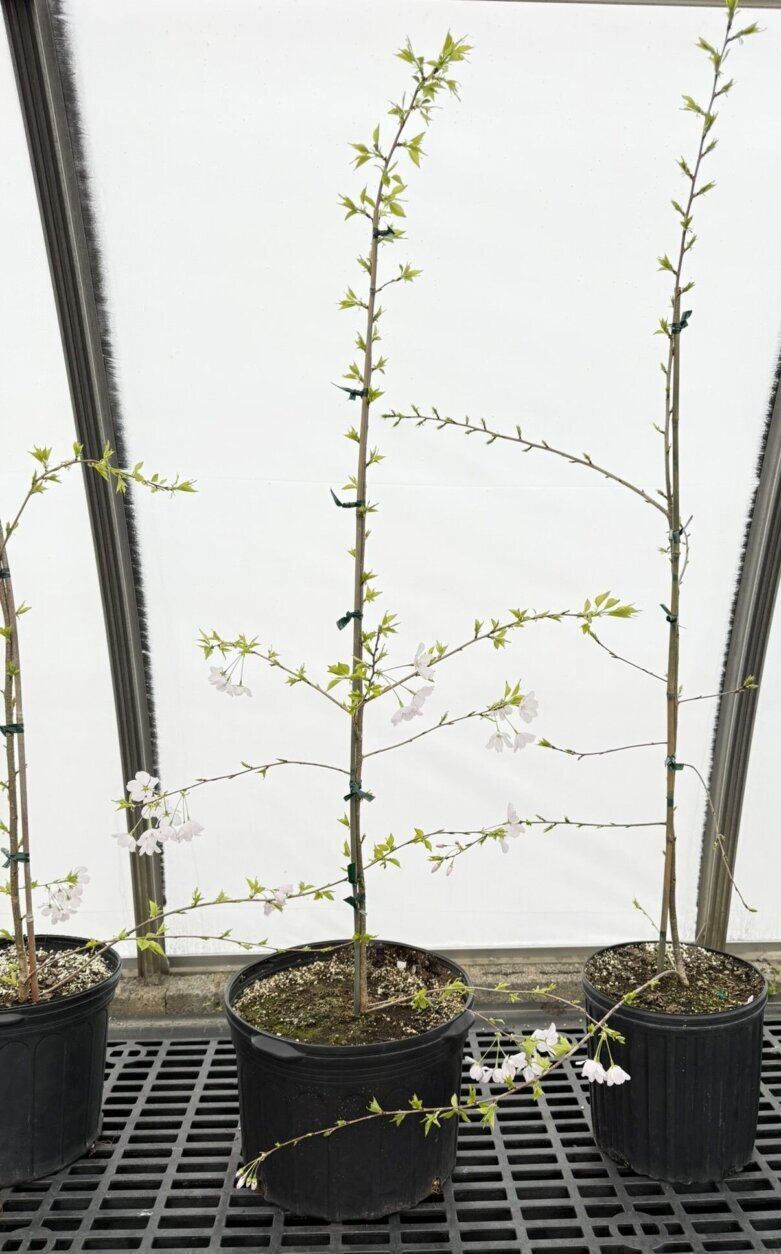
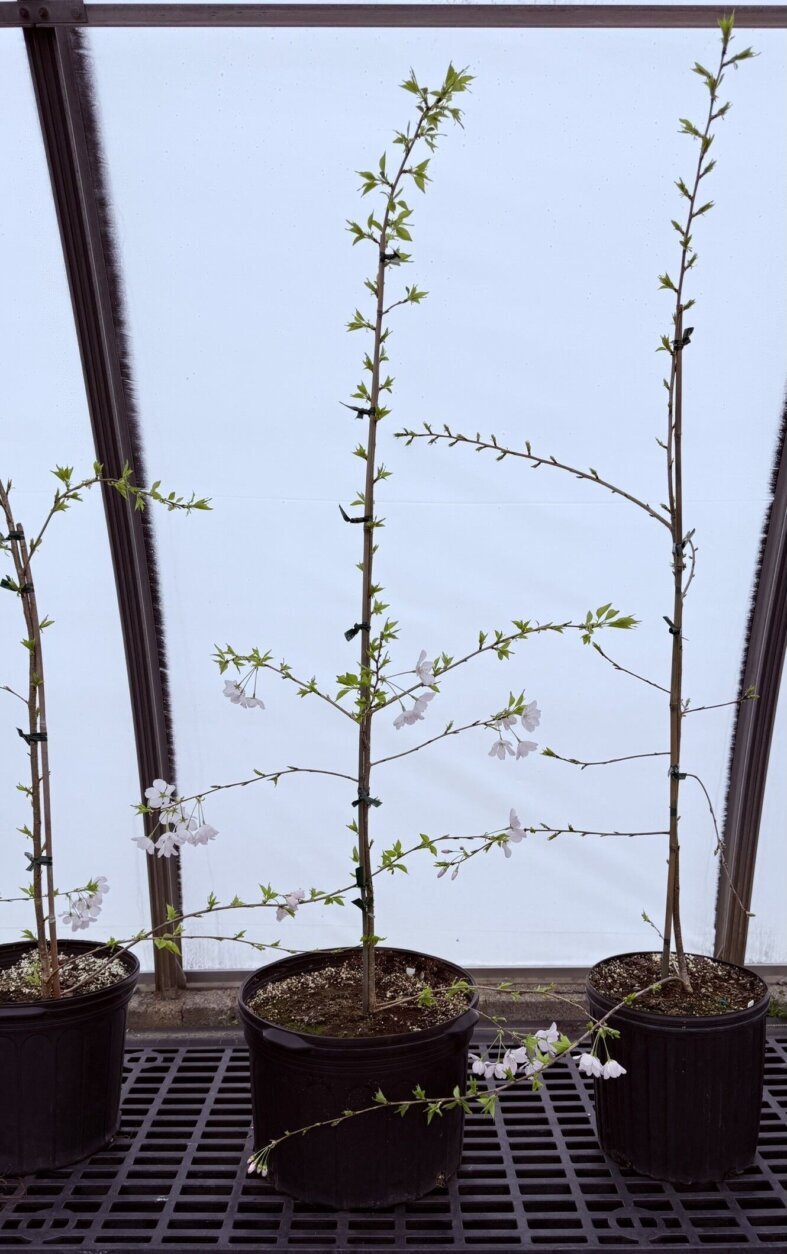
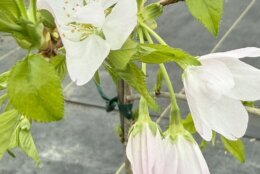
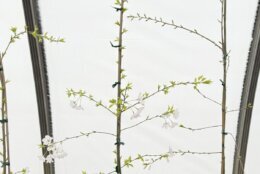
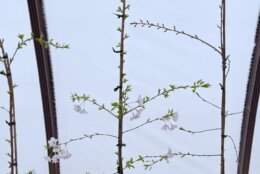
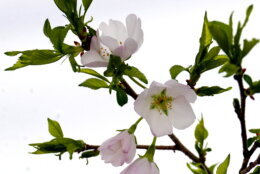
“The National Park Service reached out to the National Arboretum and asked if we could help them propagate Stumpy so that Stumpy’s spirit would live on, and, as you can see, that was successful,” Piper Zettel, horticulturist at the National Arboretum told WTOP, as she pointed to the three small Yoshino cherry trees that have grown to be about three feet tall.
The National Arboretum is a public garden, but it’s also serves as a gene bank and a research facility for the U.S. Department of Agriculture’s Agricultural Research Service. They house plant genetic material from all over the world as a safeguard.
To keep the name of Stumpy living on, Zettel and other horticulturists at the National Arboretum performed vegetative propagation. This means they are less Frankenstein’s monster Stumpies and rather clone Stumpies, because they are genetically identical.
They took springtime growth from Stumpy in 2024 and put it in a substrate with good drainage. Arboretum scientists then housed that cutting in a greenhouse where temperature and humidity is controlled to allow for perfect growth conditions.
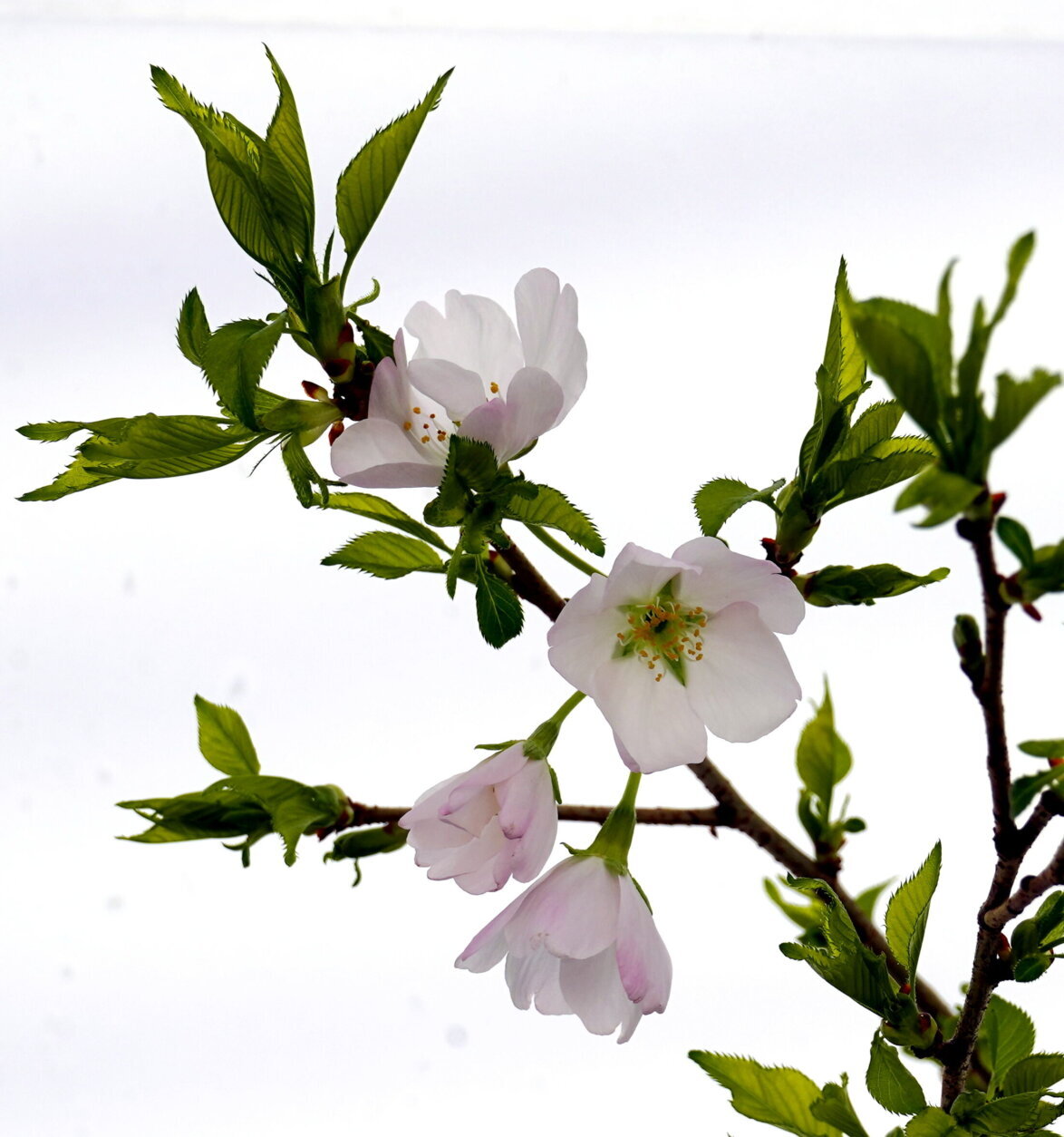
Zettel said Stumpy’s cuttings had nice root formations within eight weeks and they have grown extraordinarily well during their time at the arboretum, blooming beautifully earlier this year.
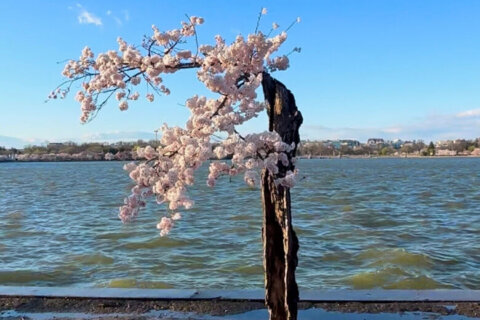
And even though they are genetically identical to Stumpy, they will likely not have the same Stumpy look of a hollowed-out tree barely surviving.
“It was inundated by tidal surges twice a day, and as a result, kind of developed this odd, atypical growth habit for our Yoshino cherry tree. So, it ended up being this hollowed out specimen,” Zettel said.
Stumpy’s descendants will be much healthier looking but keep that Stumpy spirit of survival.
While the Stumpy triplets are thriving, they are not yet scheduled to return to the Tidal Basin.
“They’re not quite ready to be planted out in a national park that sees, that receives over a million visitors annually,” Zettel said.
The Arboretum team will work with foresters at the National Park Service about when and where these new Stumpies will be placed for visitors to enjoy.
Get breaking news and daily headlines delivered to your email inbox by signing up here.
© 2026 WTOP. All Rights Reserved. This website is not intended for users located within the European Economic Area.