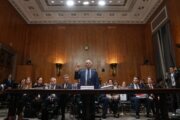
D.C. courtrooms have seen an influx of low-level offense and gun possession cases since the start of the federal law enforcement surge, several judges said during a community town hall on Thursday night.
The event, which featured a panel made up of judges and attorneys, also offered residents insight into what their rights are during interactions with federal law enforcement.
Milton Lee, chief judge of the D.C. Superior Court, said judicial vacancies are complicating matters. By January, there will be 15 vacancies on the Superior Court, Lee said.
Lee described a significant increase in “lower-level misdemeanor cases” — things such as fare evasion, unlawful possession or use of marijuana in public, possession of an open container of alcohol and gambling.
While the surge didn’t result in a significant change in the serious crime cases appearing in court, “we saw an influx of gun possession cases coming in. It was just the raw numbers that were significantly higher than before,” Lee said.
The boost in cases has meant arraignment court is running later than usual, and there’s a “significant increase” in new cases on misdemeanor and general felony calendars, Lee said, adding that the spike has also increased the caseload for defense attorneys.
Separately, the panelists offered tips for how to engage with federal law enforcement, after a Homeland Security officer fired into a car during a traffic stop earlier this month.
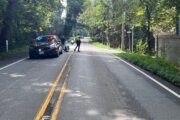
The incident, which happened on Benning Road in the District’s Northeast, came as officers said they tried to pull a car over for not displaying a front license plate. But the car fled, and once it was stopped, a Homeland Security officer fired multiple rounds into the car.
Phillip Brown was the driver but none of the bullets struck him. D.C. Police Chief Pamela Smith denied allegations that officers tried to cover the incident up in their reports.
Knowing your rights
“People are afraid to let their children walk to school alone,” advocate Russell Ellis, who also goes by the name “Jolly Good Ginger” online, said. “People are afraid to just be out and about like they normally do.”
If the public is witnessing a situation involving federal law enforcement escalating, Ellis recommended filming what’s happening.
“I make it a habit of, I film them, and I show what they’re doing, and I have found that to be very effective,” Ellis said. “They don’t want to be exposed for what they’re really doing, which is next to nothing.”
ACLU Attorney Michael Perloff said people don’t have to answer questions if they get stopped.
“You have a constitutional right to remain silent and refuse to answer questions,” Perloff said.
There’s an exception in D.C. law for pedestrian or traffic offenses, in which providing a name and address is required if asked, Perloff said, but otherwise, “the Constitution is very clear about your ability to refuse to answer.”
Noncitizens do have to carry paperwork and share it if an immigration official asks, Perloff said.
Federal Public Defender Alexis Gardner, meanwhile, said if stopped, the only question to ask is, “Am I free to go? Never answer, just return that question. And if they say yes, then calmly walk away. If they say no, well, then now you’re being detained.”
If arrested, Gardner said the only question that has to be answered is for a name.
“If you want to get the full benefit of these rights, you actually have to say, ‘I’m invoking my right to remain silent. I want to speak with a lawyer,’” Perloff said. “You need to use pretty much that exact language. There’s some really unfortunate court decisions where people have said things that are a little bit different.”
And if mistreated by a federal officer or agent, Perloff said the ability to seek compensation is limited. However, he said, the officer’s agency name is enough to file a claim.
Get breaking news and daily headlines delivered to your email inbox by signing up here.
© 2025 WTOP. All Rights Reserved. This website is not intended for users located within the European Economic Area.