(CNN) — Deep in the ocean is a worm that makes its home inside a “glass castle,” a mysterious “ghost shark” and a carnivorous “death ball” sponge.
These are just three of the 1,121 “previously unknown” species discovered in the world’s oceans over the last year, announced Tuesday by the Ocean Census, a global effort to map marine life involving more than 1,000 researchers across 85 countries.
It marks a 54% increase in annual identifications, according to the three-year-old organization, led by Japan’s Nippon Foundation and Nekton, a UK ocean exploration institute.
The ocean is one of the planet’s least known ecosystems, especially the deep sea. Once it was assumed little life could thrive in its extreme environments, but over recent years, scientists have discovered ecosystems brimming with unusual – and sometimes utterly bizarre – species.
Underwater life faces immense challenges from climate change, as oceans warm, and from human activities, including pollution from industry and agriculture. The quest to mine the ocean for its minerals, which appears to be moving further toward reality, presents another huge risk.
“With many species at risk of disappearing before they are even documented, we are in a race against time to understand and protect ocean life,” said Michelle Taylor, head of science at Ocean Census.
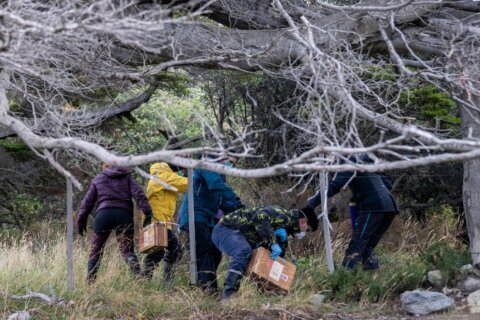
Scientists with the Ocean Census made 13 expeditions to some of the world’s least explored oceans over the last year.
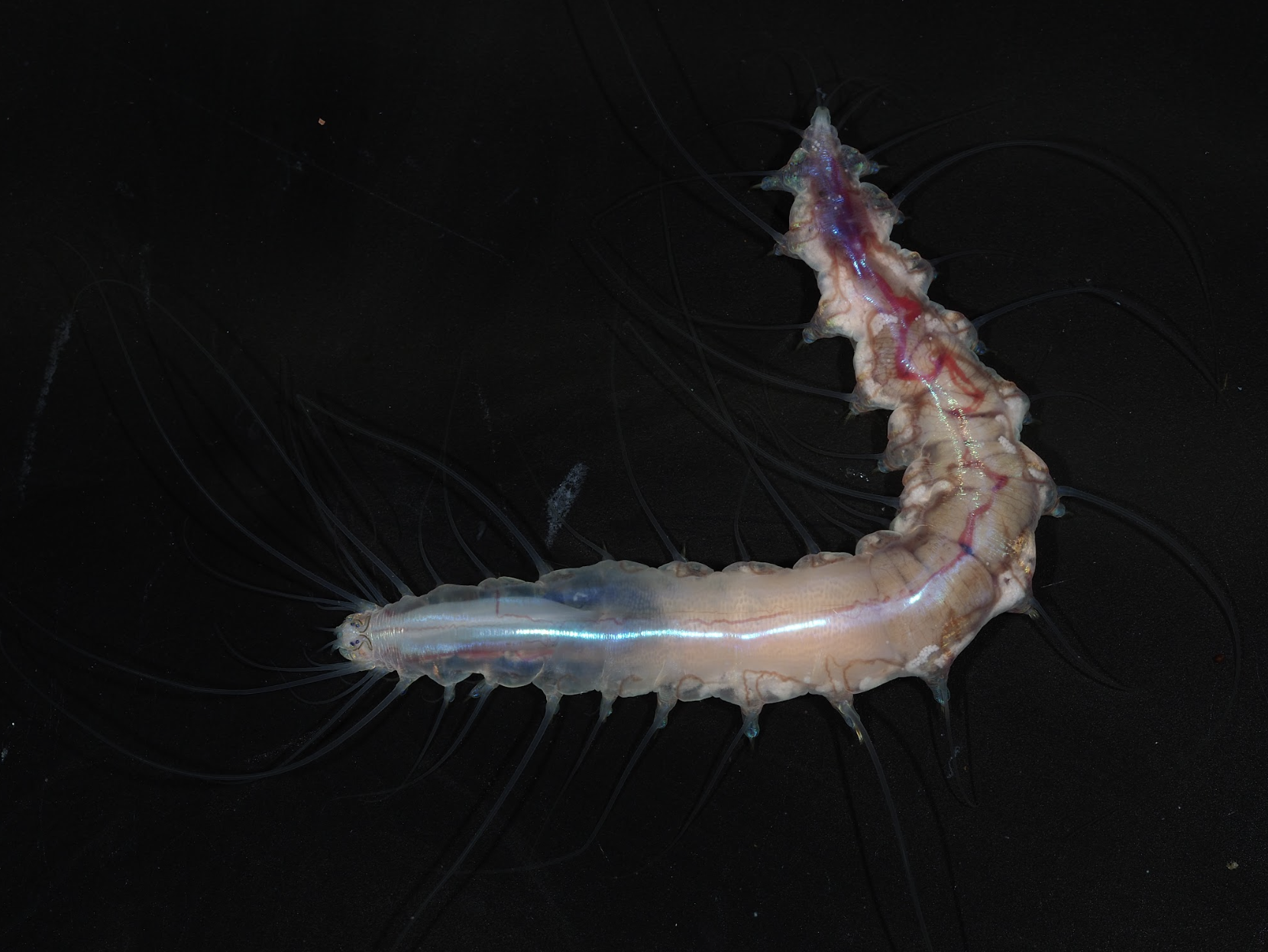
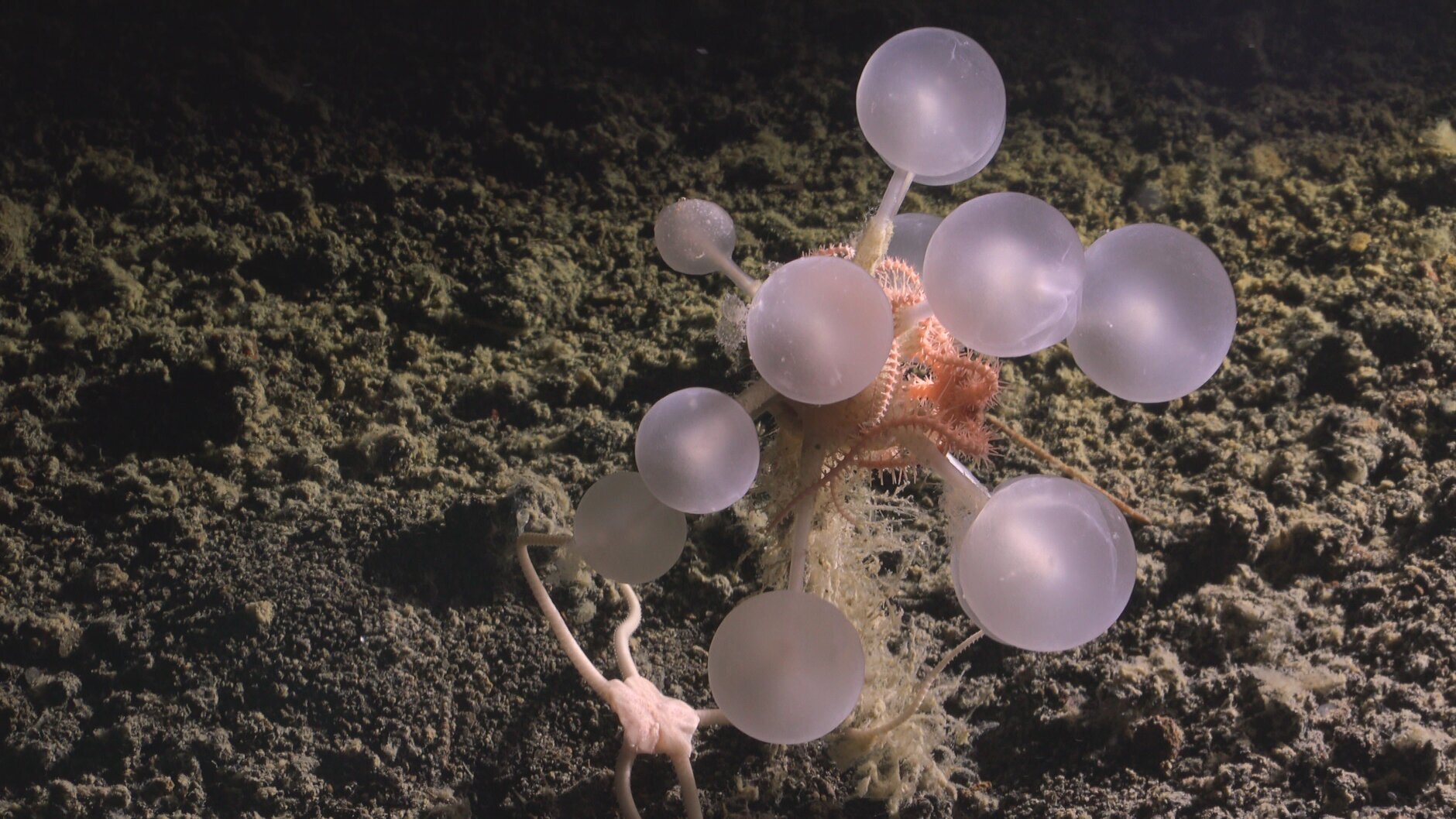
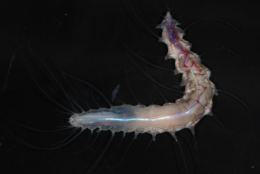
Off the coast of Japan, at around 2,600 feet beneath the ocean’s surface, they discovered a new species of bristle polychaete worm living within a glass sponge, which has a translucent, mesh-like skeleton – known as a glass castle – made of silica, the main component of glass.
The sponge and the worm have a symbiotic relationship, meaning they benefit from each other. The worm is protected by making its home in the glass castle, a stable structure that’s rich in nutrients, and in return, the worm removes potentially damaging debris from the sponge’s surface.
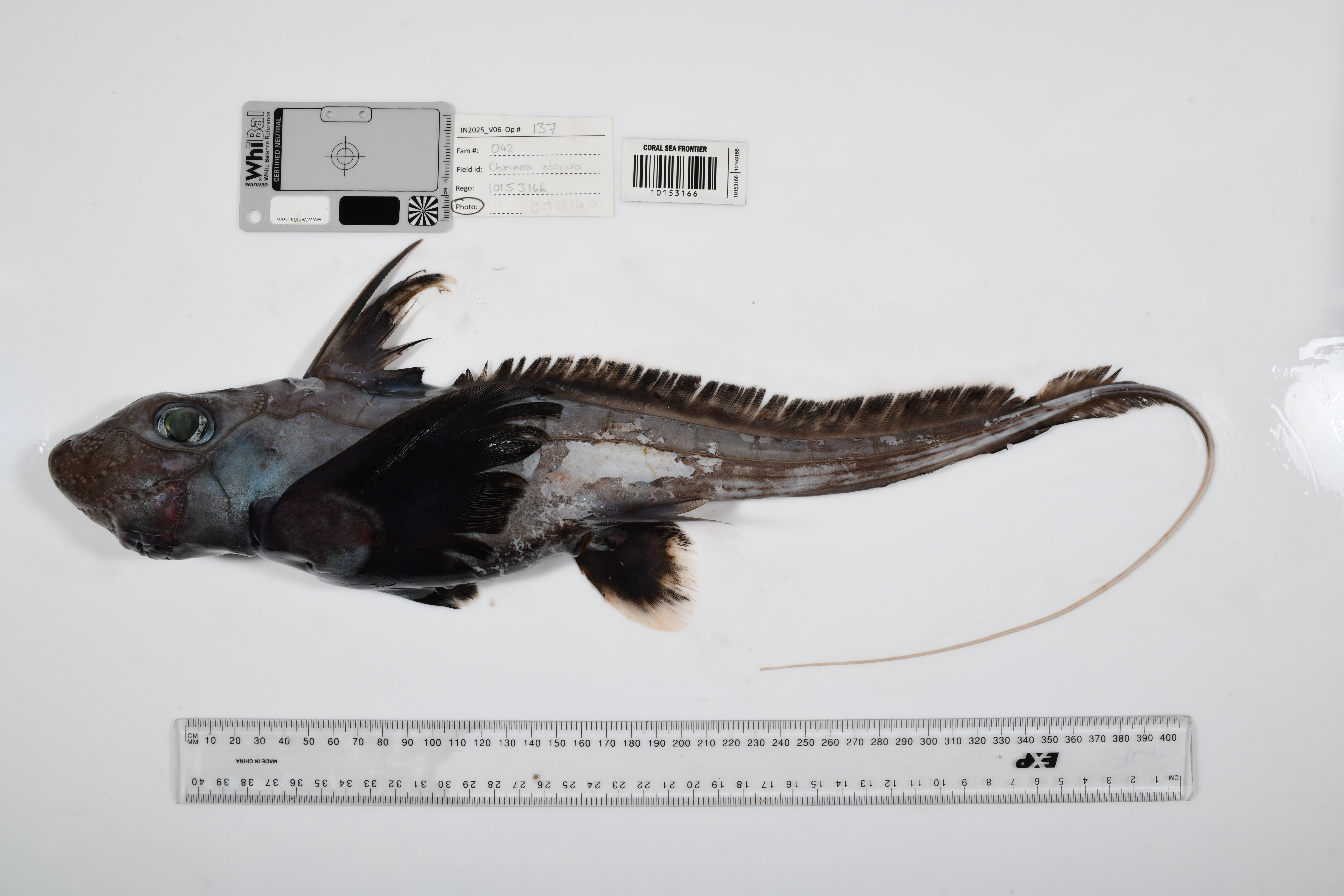
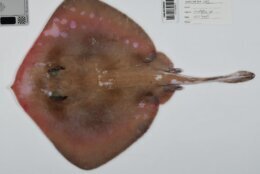
In Australia, scientists found a species of “ghost shark” chimaera at depths of around 2,700 feet. These fish are distant relations of sharks and rays, diverging from these species nearly 400 million years ago.
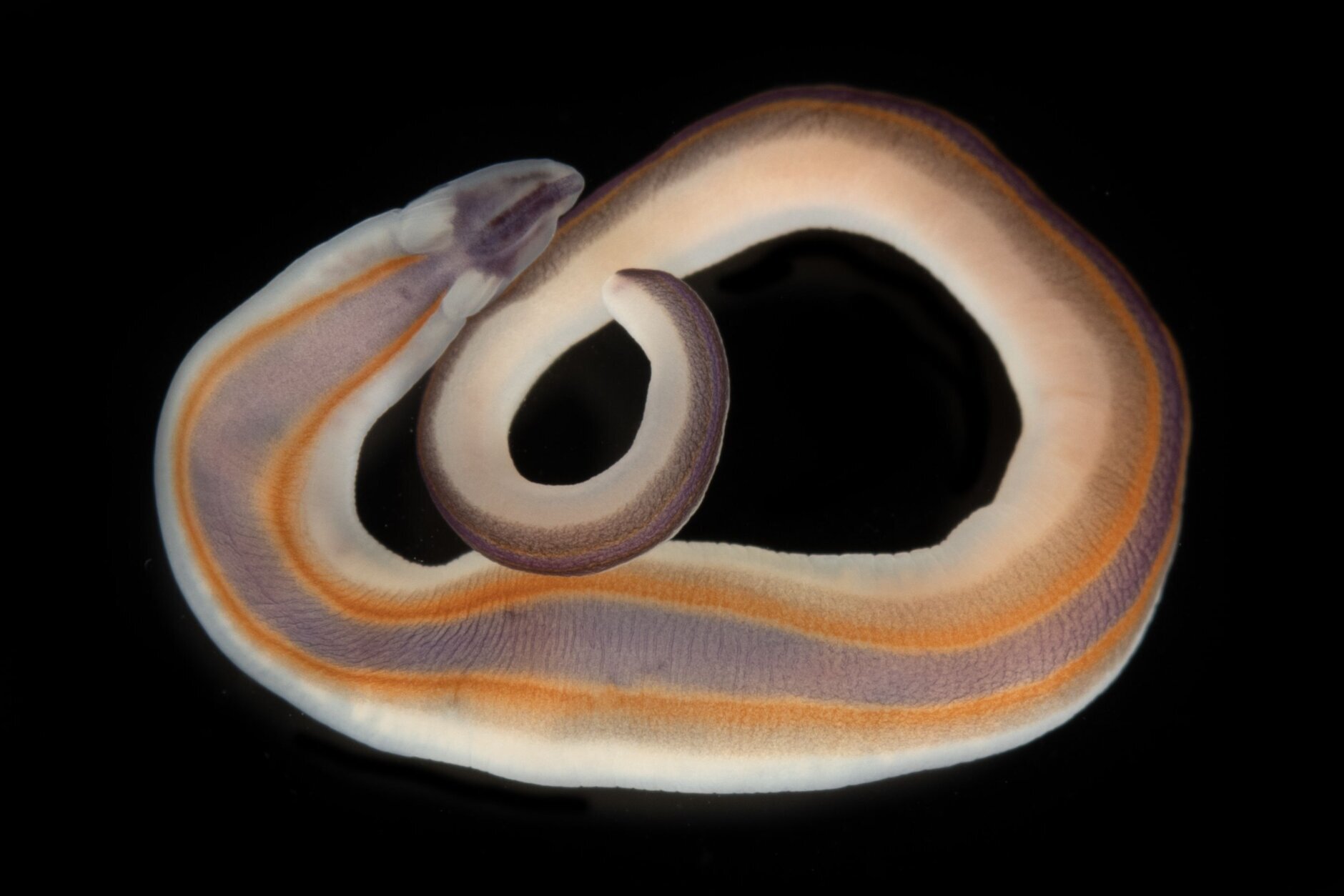
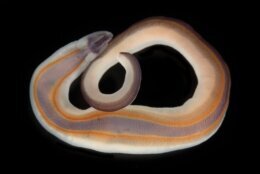
In Timor-Leste, scientists found a species of ribbon worm an inch long and with stripes of bright orange, a symbol of its potent chemical defenses. The toxins that ribbon worms produce have been investigated as potential treatments for Alzheimer’s and schizophrenia.
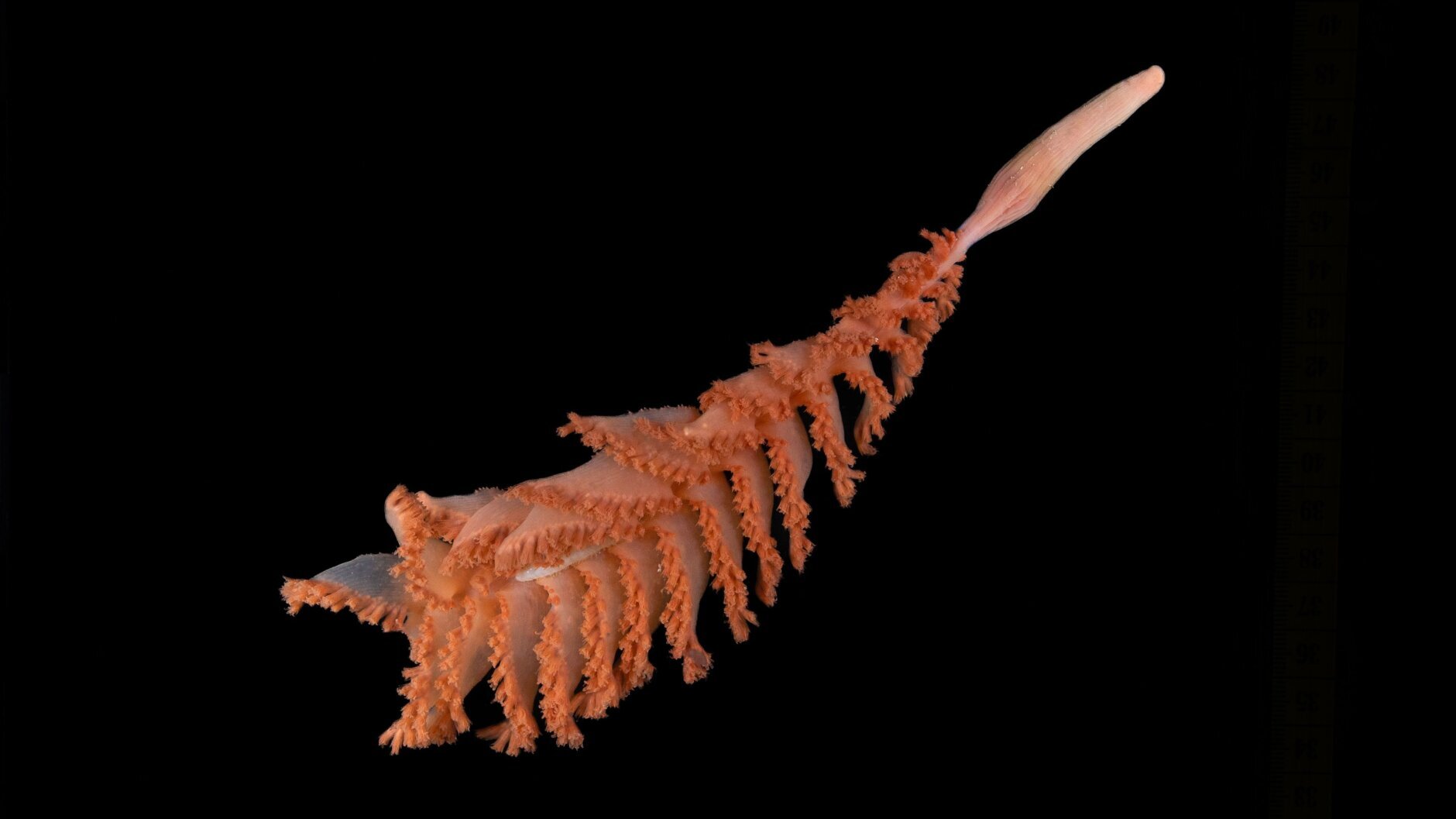
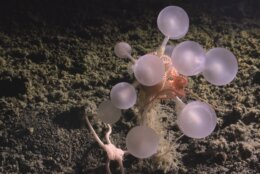
In the North Trench of the South Sandwich Islands, a collection of uninhabited islands in the south Atlantic Ocean, scientists found a carnivorous “death ball” sponge at depths of nearly 12,000 feet.
This species is covered in microscopic velcro-like hooks which ensnare crustaceans floating by on ocean currents. The sponge then envelops and ingests them.
Whether all the species are completely new to science may take time to unravel. Typically, it takes an average of 13.5 years between discovery of a species and its formal description in scientific literature, Ocean Census said in a press release.
To speed this up, Ocean Census is recognizing “discovered” as a scientific status that can be immediately recorded in its marine species database. As soon as an expert validates a discovery, they can log it into an open-access platform, said an Ocean Census spokesperson, explaining, “this makes the species immediately visible to the scientific community and policymakers.”
Tammy Horton, a research scientist at the UK’s National Oceanography Centre, said sometimes a species believed to be new to science turns out not to be after a detailed examination. “I do not think that is a very common occurrence though,” she said.
The formal description process is important. It “carries out the actual work to confirm novelty and provides the ‘passport’ for that new species – its official record,” she told CNN. “Without this the formally recognized name the species effectively does not exist for science, and therefore also for policy – unnamed species cannot be protected.”
“The important thing is that scientists are continuing every year to make numerous interesting discoveries of species new to science throughout the global ocean at all depths,” she added.
Ocean Census wants the discoveries to catalyze action to protect marine life – which has enormous ecological, scientific and economic value – and is calling for more investment into efforts to uncover new species.
“We spend billions searching for life on Mars or going to the dark side of the moon,” said Oliver Steeds, director of Ocean Census. “Discovering the majority of life on our own planet – in our own ocean – costs a fraction of that. The question is not whether we can afford to do this. It is whether we can afford not to.”
The-CNN-Wire
™ & © 2026 Cable News Network, Inc., a Warner Bros. Discovery Company. All rights reserved.