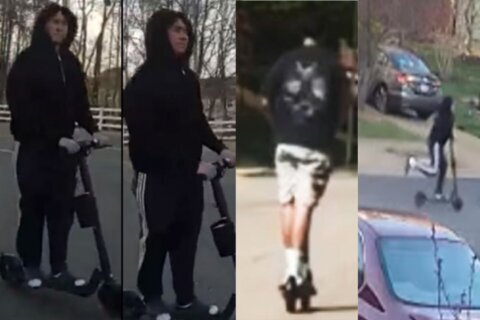
Six people have been arrested and charged with plotting to steal at least 20 cars from the D.C. area and sell them to buyers in the U.S. and Ghana in West Africa, according to a federal indictment unsealed Wednesday.
Jacob Hernandez, 29, of Los Angeles; Khobe David, 24, of Upper Marlboro, Maryland; Dustin Wetzel, 23, of Woodbridge, Virginia; Chance Clark, 25, of Waldorf, Maryland; James Young, 23, of Hyattsville, Maryland; and a sixth person whose name is redacted in the filing were arrested earlier this week after a grand jury returned the 15-count indictment.
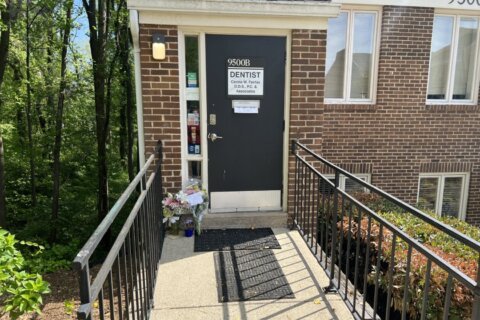
U.S. Attorney for D.C. Jeanine Pirro said it’s possible more than 100 cars were stolen from D.C. and more than 30 from Prince George’s County, Maryland. They would be taken to one of two garages — one located on 70 I St. SE in the Navy Yard and another at a Marriott Hotel in Maryland. There, the license plates would be switched out, the vehicle identification number was sometimes changed and GPS devices were reset.
“From there, they are loaded onto shipping containers that are labeled ‘furniture’ as opposed to ‘cars,’ because there will not be as much scrutiny,” Pirro said. “Then, the shipping containers are sent across the ocean to Africa, where they get top dollar on the black market. This is a sophisticated ring turning everyday cars into international cargo.”
Pirro said demand for the vehicles in Africa is “sky high” — with buyers paying more than the cars would be sold for in the U.S. because the vehicles are so difficult to obtain, thanks to high tariffs.
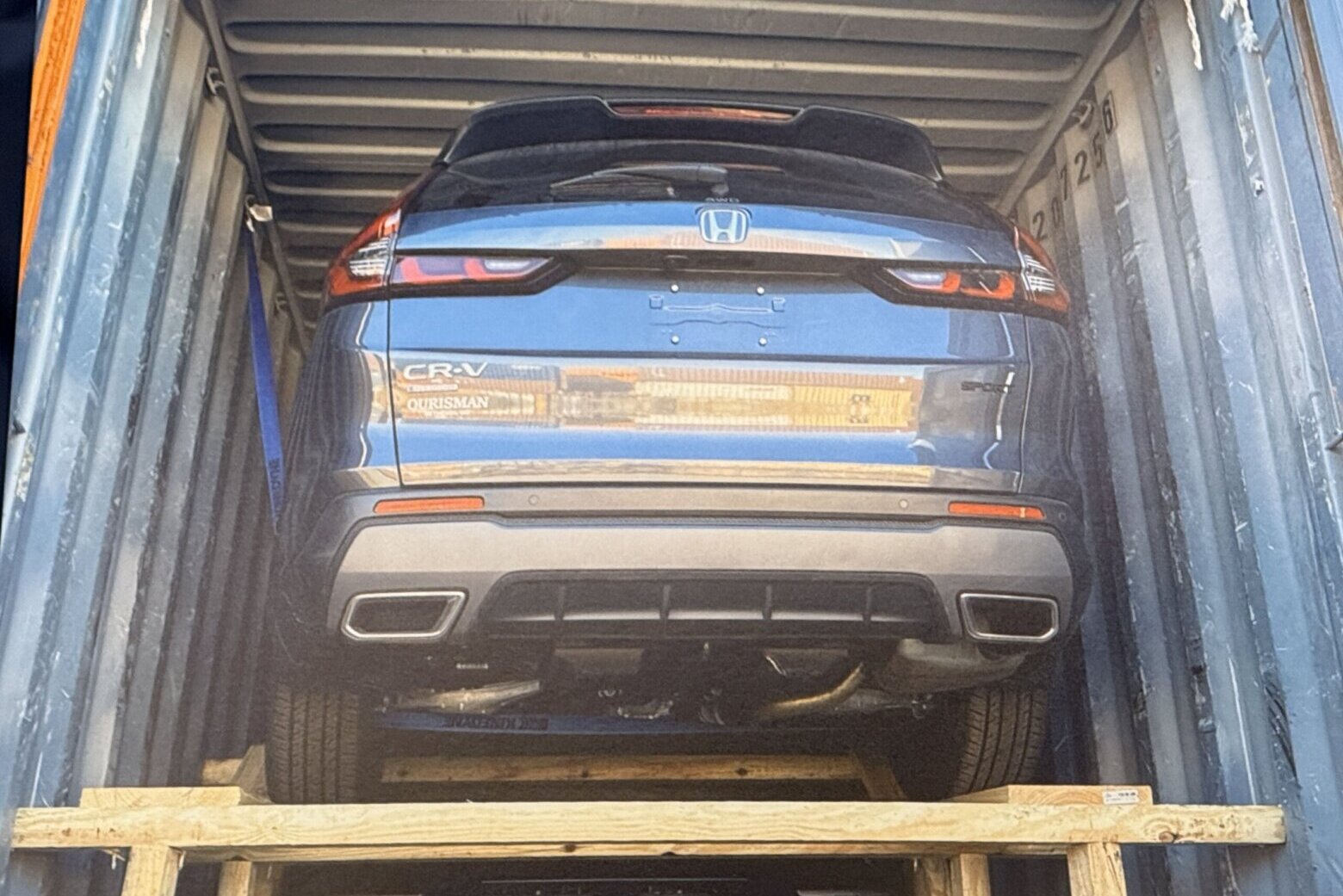
“In this indictment, we’ve identified over 20 cars with an estimated street value of just under $1 million,” Pirro said. “But law enforcement is continuing to investigate the fact that this ring may be involved in the theft of more than 100 vehicles in D.C. and more than 30 more vehicles in Prince George’s County, Maryland — that is valued at up to $4 million.”
Targeted vehicles included Corvettes, Camaros and several Hondas, including Civics, which Pirro said have additional value because their parts can be used with other vehicles. She said the thefts date back to at least February 2025, with the indictment saying late January of that year may have been when the first vehicle was stolen.
“Vehicles were moved through at least three ports up and down the East Coast, including Savannah, Georgia, Baltimore, Maryland, and Newark, New Jersey,” said Interim D.C. Police Chief Jeffery Carroll. “Vehicles that were stolen here in D.C. were located as far away as Western Africa.”
How it happened
Pirro laid out the simplicity of the scheme when she opened her news conference Wednesday, calling it “the new world of car theft.”
“They don’t need keys and they don’t need hot wiring. No smashed windows, no drama — just a sleek electronic device called an Autel,” Pirro said. “In under a minute, the car’s brain is rewritten. The car is gone in 60 seconds.”
Those Autel devices can be bought online by anyone for just a few hundred dollars, something Pirro said needs to change.
“I don’t think there’s any question,” she said when asked whether there should be more regulation surrounding ownership of the devices.
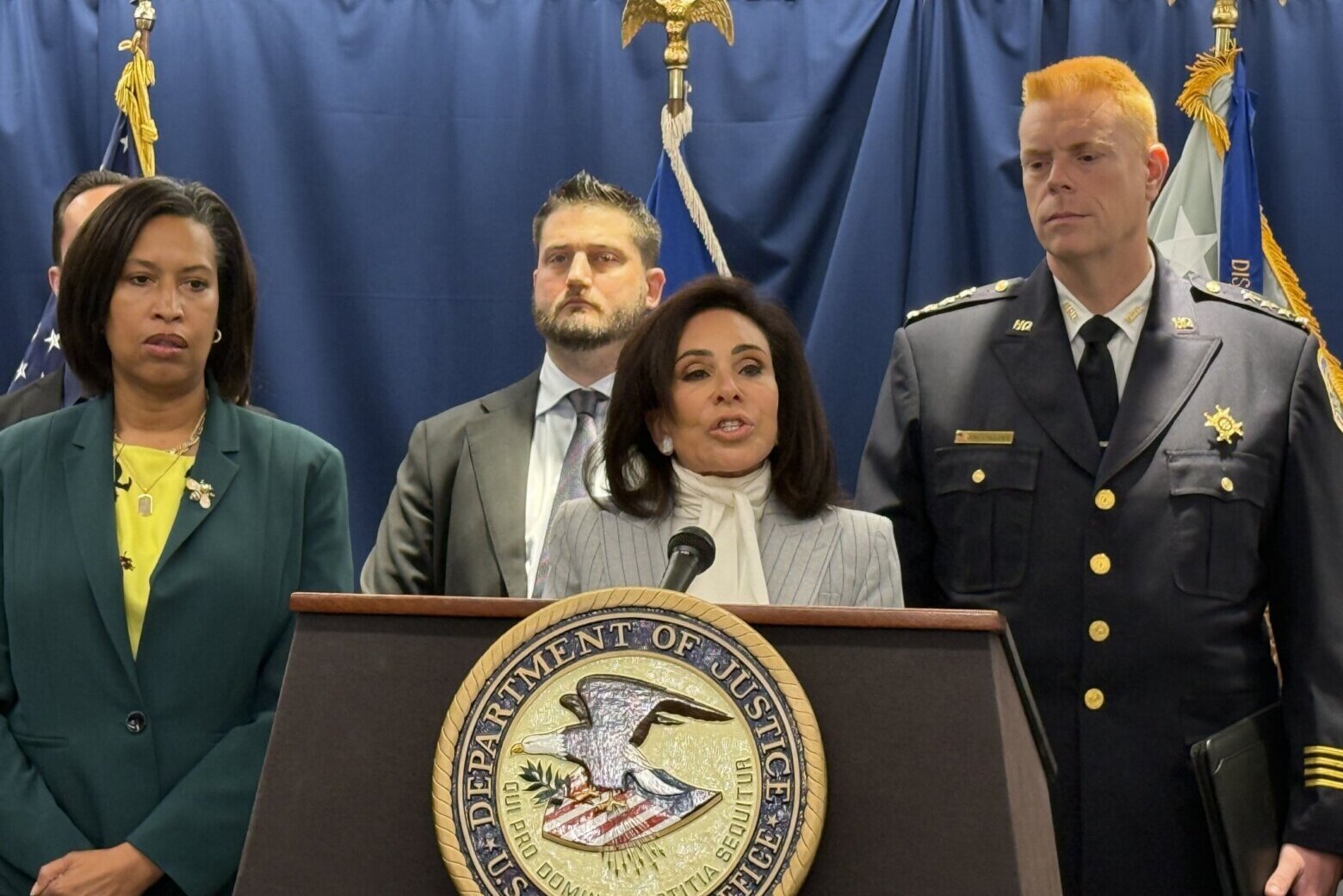
“You shouldn’t have that, unless you have a legitimate reason. If you’re in the business of making sure of registering cars or licensing cars or repairing cars, that’s one thing. But to be able to buy this on your own, I think there definitely has to be some kind of legislation or registering,” she said.
Carroll offered some advice for vehicle owners to help keep their car from getting stolen.
“Folks who have the key fobs, use a Faraday bag,” Carroll said. “It’s a bag that prevents the electronic from emanating from the key.”
But even when key fobs were protected, thieves could also plug the Autel into a port in the vehicle and take it over that way, which is why he suggested using a device commonly known as “the club” on their steering wheels.
“Even if you have an Autel device, you won’t be able to drive that car,” Carroll said. “I know a lot of people think those things are outdated, but they’re not. They are good devices that prevent vehicles from still being driven.”
He also suggested putting AirTags inside vehicles to help police track them down if they do get stolen, especially since the in-vehicle GPS systems are sometimes disabled by thieves.
Pirro said at least another 100 stolen vehicles could be connected to this conspiracy, adding she believes this will end up being a “much bigger case.” The investigation will look at whether anyone involved in the shipping of vehicles knew that the containers marked as “furniture” weren’t actually furniture.
“The issue is whether or not these guys who were stealing the vehicles are the ones who are labeling the containers, and what role the people who are actually shipping the containers have in terms of the labeling,” she said. “There’s a lot more peeling of the onion that we have to do, but if we think that they’re part of it, we’ll go after them as well. There’s no question.”
The Associated Press contributed to this report.
Get breaking news and daily headlines delivered to your email inbox by signing up here.
© 2026 WTOP. All Rights Reserved. This website is not intended for users located within the European Economic Area.