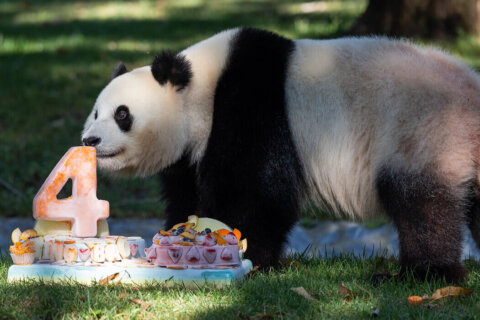
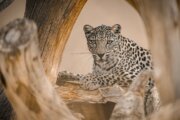
The Smithsonian National Zoo’s famous giant pandas will be getting new neighbors: endangered Arabian leopards.
Their move-in date is projected for 2029, but construction of their habitat could begin late this summer.
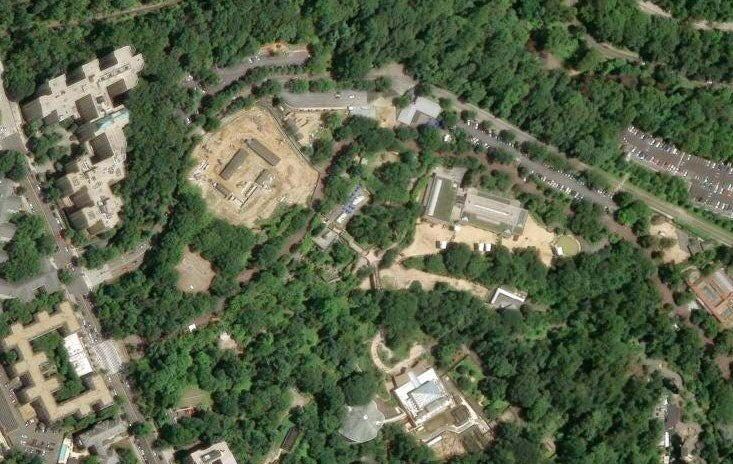
The National Capital Planning Commission cleared the way at its Thursday meeting, its members unanimously approving preliminary building and site plans for the new exhibit between the zoo’s panda habitat and elephant house.
“The National Zoo is actually one of my favorite places in Washington, D.C., and as previous commissioners have said, this may be the most exciting new exhibit to get there in a very long time,” Planning Commission Chair William Scharf said at the meeting.
It’s estimated that fewer than 120 Arabian leopards remain in the wild. They are native to the Arabian Peninsula, but have struggled to survive habitat loss and poaching.
The National Zoo’s leopards will be the first on public view outside the Saudi peninsula.
The White House first announced the partnership with the Saudi government’s natural and cultural heritage agency, the Royal Commission for AlUla, during President Donald Trump’s 2025 trip to Saudi Arabia.
Under the 15-year agreement, the leopards will be transferred from a Saudi breeding facility, and any cubs born at the zoo will be returned to Saudi Arabia.
The Saudis are also contributing $51.6 million to the exhibit’s construction. The zoo said in February that the gift will also pay for transporting the animals, conservation research and dedicated scientific staff.
Reports said the Saudi agency’s donation is the largest in the zoo’s history. The arrangement has been compared to China’s “panda diplomacy,” aimed at currying goodwill and favor from the U.S.
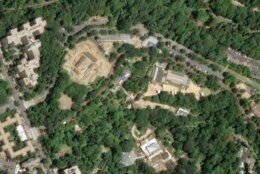
The exhibit site, near the zoo’s Connecticut Avenue entrance, was previously occupied by a bison habitat that closed in 2024. Planning commission staff said the zoo’s existing bison structures will be reused, if possible.
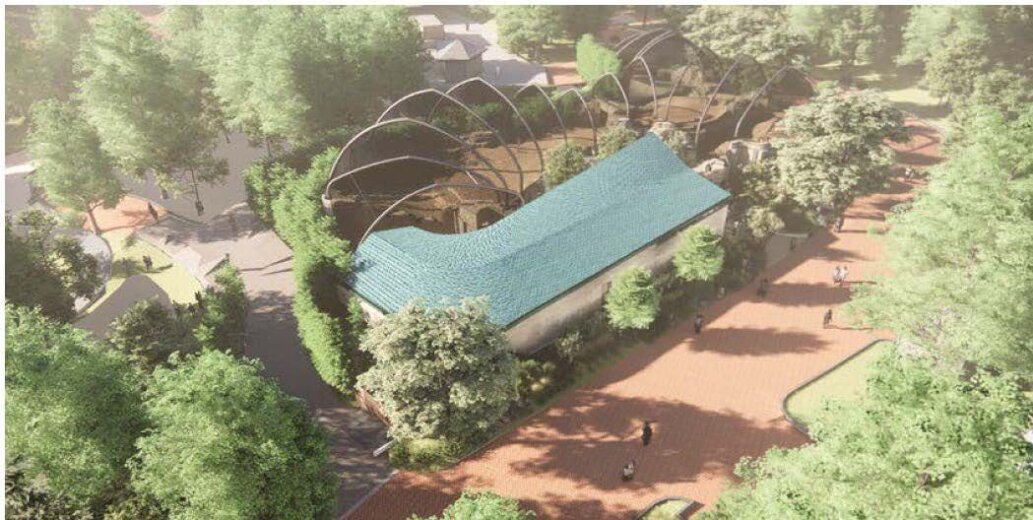
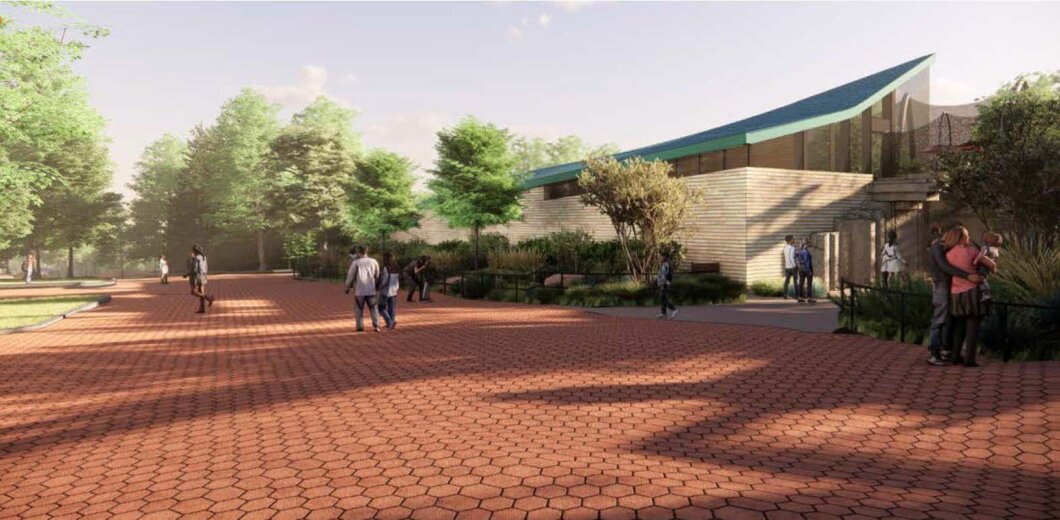
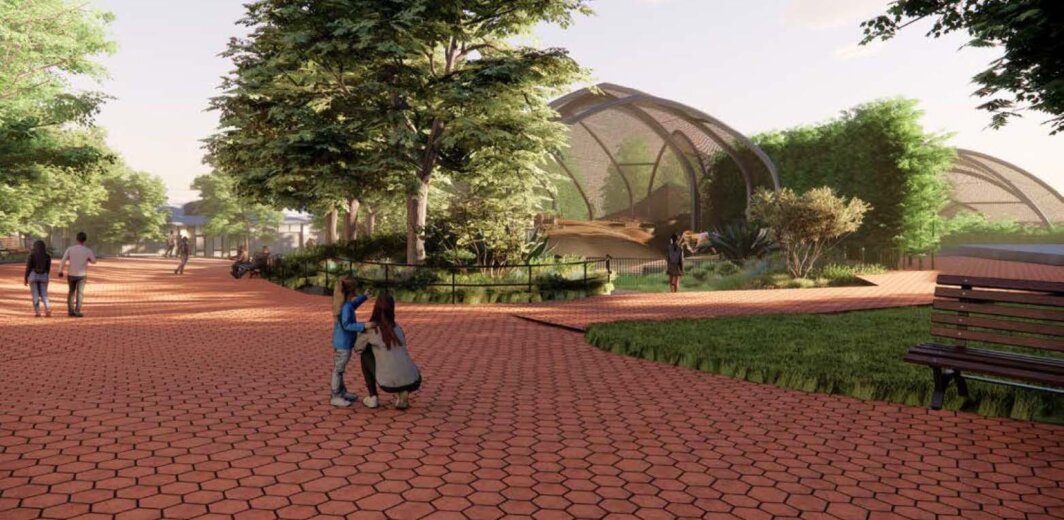
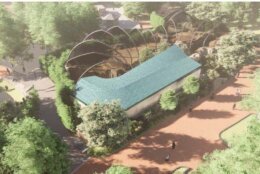
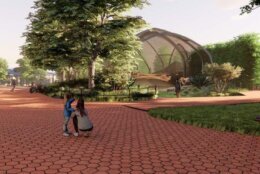
The project includes a screened enclosure large enough to allow the leopards to behave as they would in the wild — climbing trees and steep, rocky terrain.
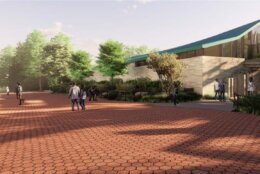
The plans for the three-quarter-acre site also include dens, a new animal care facility, staff support space and viewing areas for the public and VIPs.
Get breaking news and daily headlines delivered to your email inbox by signing up here.
© 2026 WTOP. All Rights Reserved. This website is not intended for users located within the European Economic Area.