D.C.’s emergency curfew for young people is set to expire during spring break as planned, after the council delayed a vote Tuesday that would have extended the measure through the summer.
The D.C. Council voted 9-4 to delay a decision on the emergency legislation, despite concerns from some lawmakers that warm weather could spark a resurgence of so-called “teen takeovers.”
Council Chairman Phil Mendelson called to postpone the vote until the council’s next legislative meeting on April 21, six days after the legislation is set to expire.
In an email to WTOP, Mendelson’s office offered an explanation for the delay.
“The Chairman moved to postpone the vote because some members voiced concerns/questions about the legislation and he wanted to give them more time to speak with Councilmember Pinto and the Mayor about those concerns,” the statement read.
D.C. Mayor Muriel Bowser said in a post on X that she is “deeply disappointed” by the council’s decision to delay the vote and the subsequent expiration of the youth curfew. She said the curfew zones are an effective tool for responding to “concerning trends” among young people.
“We want all our young people to be safe. We want them to be able to socialize in age-appropriate ways and in environments that are safe for themselves, for their peers, and for the entire community,” she wrote. “But as adults, we cannot abdicate our responsibility to respond to behaviors that put young people or our community at risk. I urge the Council to reconsider.”
“DCPS will be in the middle of their spring break at that time, and we are weeks away from the start of summer, a time when we know we usually see an increase in large gatherings of our young people,” Council member Brooke Pinto said before the vote was pushed back.
Nine council members would need to approve the emergency legislation for it to pass and extend the curfew to Sept. 25.
Pinto argued gaps in the curfew could create unsafe conditions in the District.
“It is unacceptable for our neighbors to face outbreaks of violence,” Pinto said. “It’s unacceptable to put our young people in harm’s way, and we’ve seen this in recent weeks in Navy Yard, Hill East and U Street, in particular.”
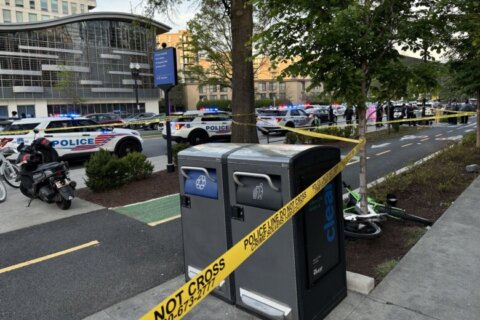
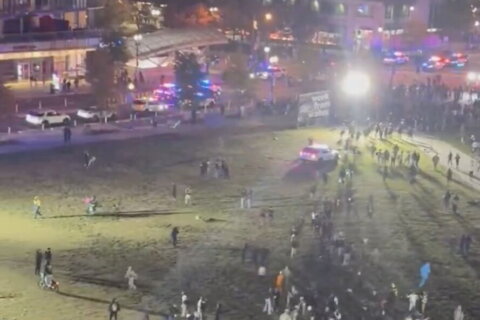
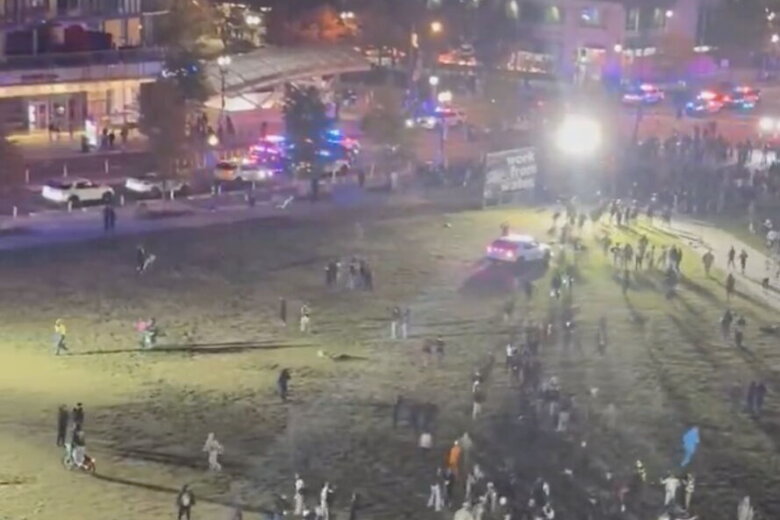
About 200 people congregated in Navy Yard on March 14. Police said someone fired a gun into the air, multiple people were robbed and two teens were arrested.
Under the citywide curfew, kids under 18 can’t be out in public or at an establishment in D.C. from 11 p.m. to 6 a.m., with some exceptions.
The law also gives the chief of D.C. police the authority to designate certain areas as juvenile curfew zones. In those areas, people under 18 cannot gather in a group of nine or more. Those zones can prohibit minors from gathering after 8 p.m., ahead of the general citywide curfew.
Bowser first introduced emergency legislation aimed at reining in large gatherings of young people in June 2025. Some meetups have turned violent in recent years, with teens fighting and getting arrested.
There have been 19 youth curfew zones declared over the last eight months. Pinto argued the zones prevent a strain on resources for D.C. police.
“When MPD gets intel about planned, so-called ‘teen takeovers’ or other unsafe activities, sometimes planned fights, the department can determine where to designate these juvenile curfew zones as a preventive tool,” she said.
Some council members have opposed the curfews in the past, arguing they’re a temporary fix instead of investing in youth services.
“I also believe we need to be investing in youth programming and making sure kids and teens have safe and enjoyable places to go throughout the city,” Pinto said. “We have to do both. We’re going to do both, and we cannot stall when it comes to implementing effective preventive tools that will keep our neighbors safe.”
During a news conference Monday, Mayor Bowser called for a permanent curfew but also said now is not the time to let the emergency legislation expire.
“I think the council should stop playing games with this. This is a tool that we need,” Bowser said. “We’re going to come back 90 days from now, stop playing games and move to permanent.”
Before Tuesday’s meeting, Pinto told WTOP she believed a permanent curfew law would pass the council.
WTOP’s Thomas Robertson contributed to this report.
Get breaking news and daily headlines delivered to your email inbox by signing up here.
© 2026 WTOP. All Rights Reserved. This website is not intended for users located within the European Economic Area.