As the United States marks its 250th anniversary, WTOP presents “250 Years of America,” a multipart series examining the innovations, breakthroughs and pivotal moments that have shaped the nation since 1776.
The American Petroleum Institute is proud to partner with WTOP to bring you this series.
When World War I erupted in 1914, oil was still mostly viewed as a commercial product that was used to light homes, lubricate machines and power automobiles.
But as the war unfolded across Europe and beyond, it became clear that oil was far more significant.
It was not just fuel for industry. It was fuel for warfare.
The conflict marked a turning point, transforming oil into a resource that was essential for national security.
Warfare driven by tanks, airplanes and trucks depended on steady petroleum supplies.
Armies that could secure and sustain access to oil gained a notable advantage on the battlefield.
From commodity to combat power
At the outset, many military leaders still relied on traditional methods. Horses were widely used for transportation, and railroads remained the backbone of logistics.
As the war progressed, new technologies began to reshape combat.
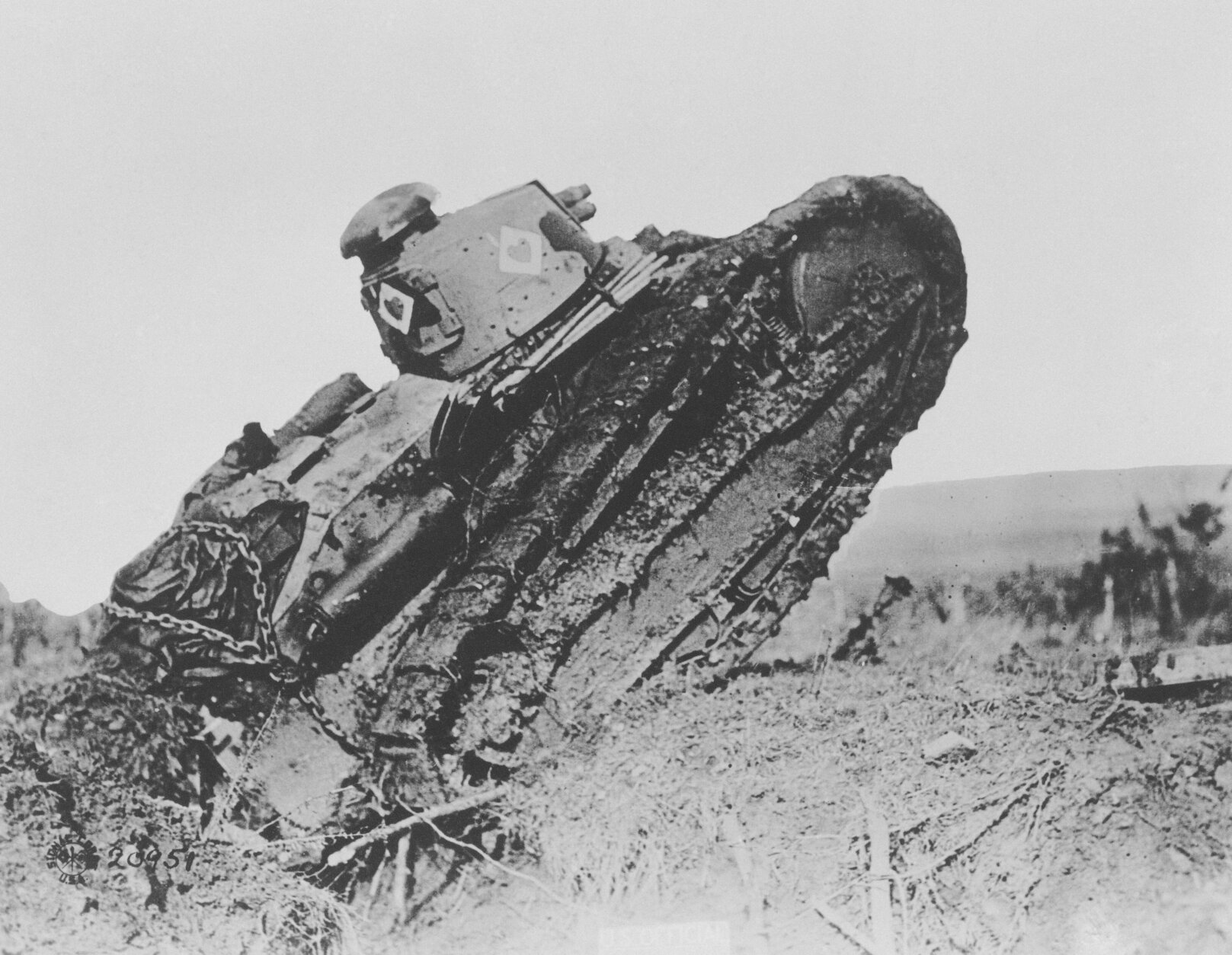
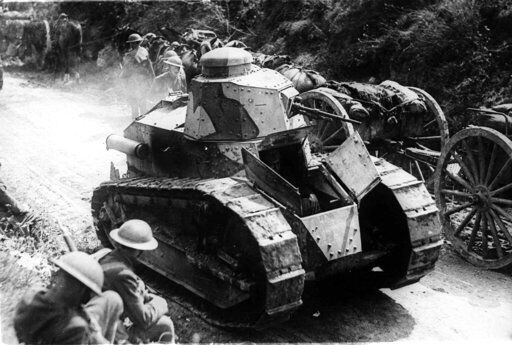
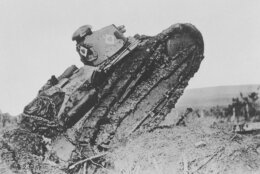
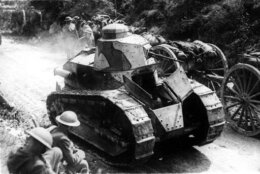
The introduction of the tank, which was first deployed by United Kingdom forces during the Battle of the Somme in 1916, signaled a new era.
The armored vehicles required large amounts of fuel and they offered mobility and protection.
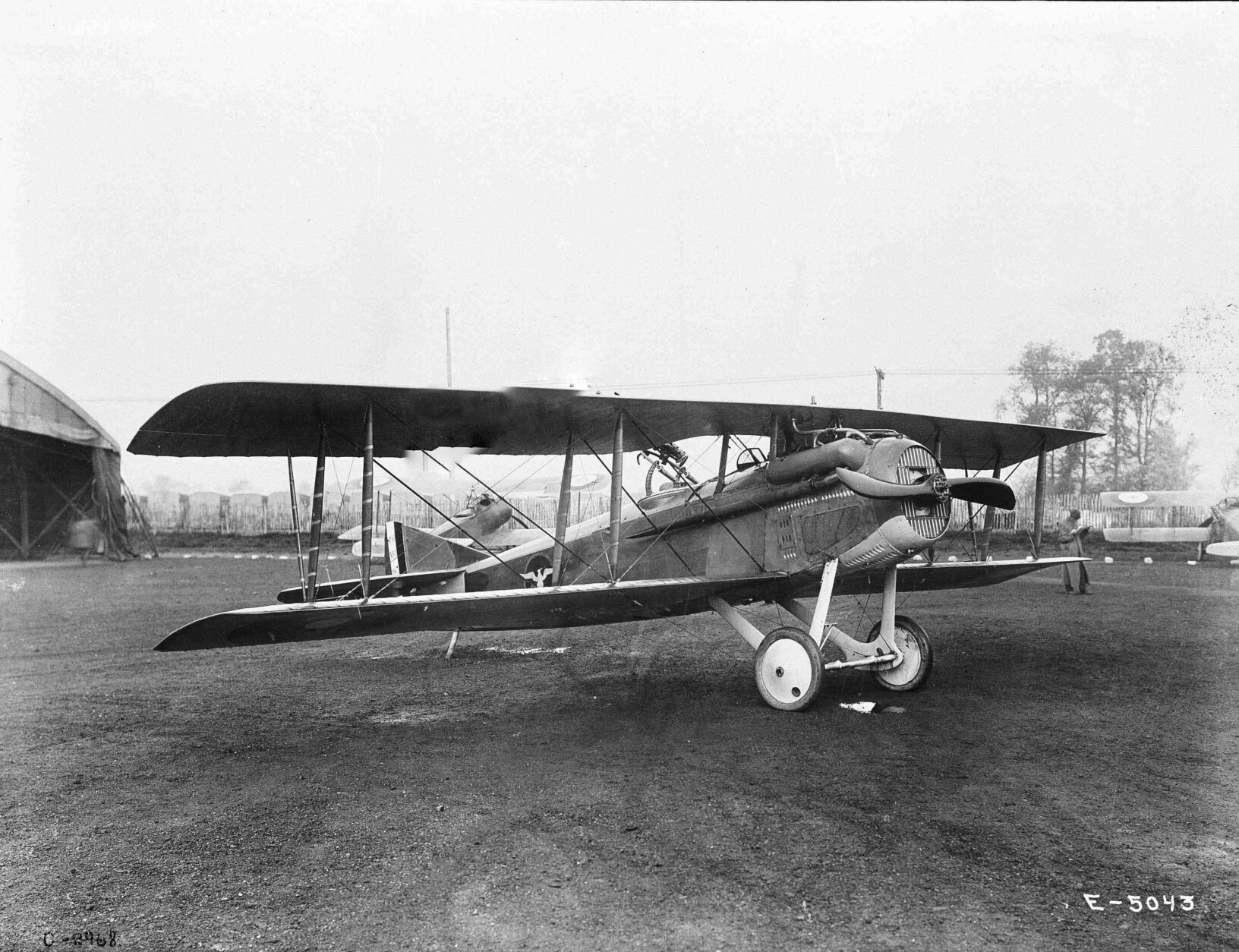
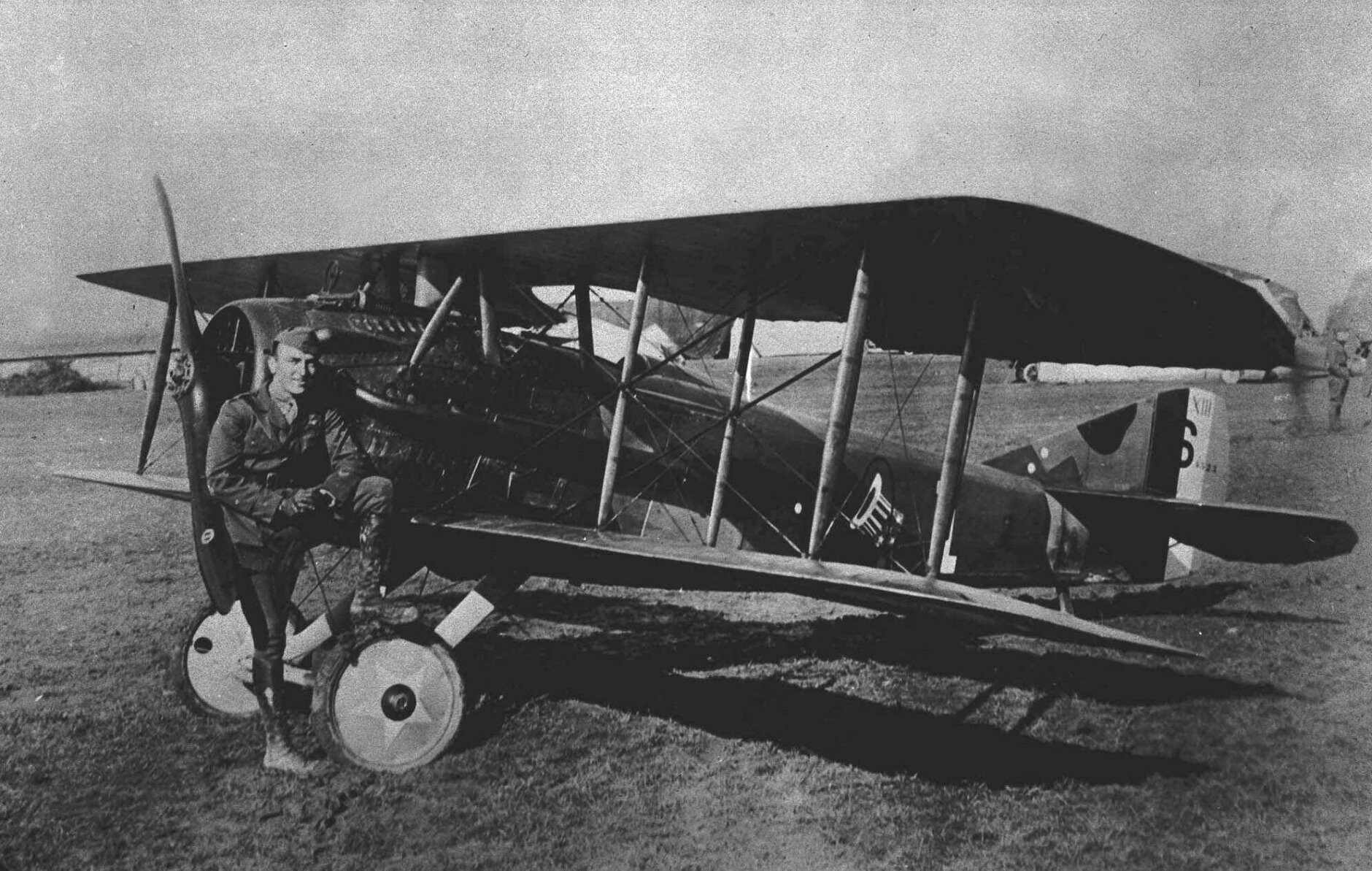
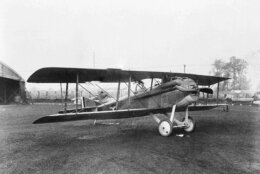
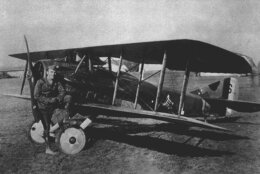
At the same time, aircraft were emerging as critical tools.
Early planes, powered by internal combustion engines, relied entirely on refined petroleum. Control of the skies quickly became as important as control of the ground.
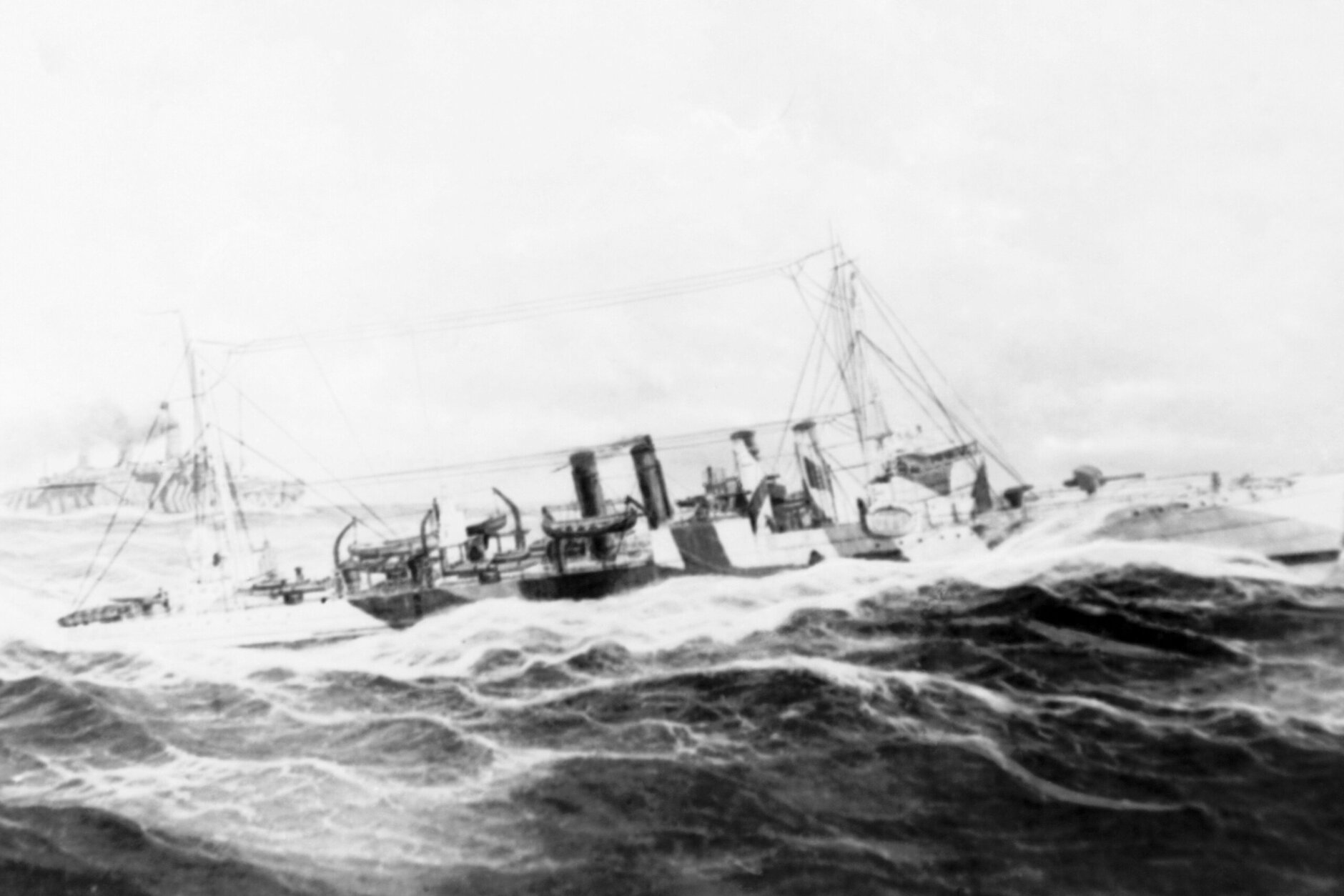
Naval warfare was undergoing a similar transformation. In the years leading up to the war, leaders like Winston Churchill pushed for the Royal Navy to convert from coal to oil-powered ships.
Oil-powered fleets were faster and more agile, requiring fewer personnel.
They also created new vulnerabilities.
Unlike coal, which was abundant within the British Empire, oil had to be sourced from specific regions, including the Middle East and the United States.
America’s oil advantage
Securing access to oil became a strategic priority.
The Allies, particularly the United States, benefited from vast reserves and a rapidly expanding refining industry.
American production helped sustain Allied operations, supplying fuel for vehicles, aircraft and naval vessels.
By the end of the conflict in 1918, the importance of oil was undeniable.
One often-cited statement attributed to Allied leaders was that victory had been achieved “on a wave of oil.”
The lessons of World War I would shape global strategy for decades. Nations began to view oil not just as an economic asset, but as a critical piece of national defense.
Governments took a more active role in securing supplies and building reserves.
Regions rich in oil gained new strategic importance and competition for access would define much of the 20th century.
World War I stands as the moment when oil’s role fundamentally changed.
What had once been a commercial product became a cornerstone of military power.
More than a century later, that still stands.
While energy technologies have evolved, the connection between fuel and national security remains a defining feature of global politics and it all traces back to the battlefields of World War I, where oil first proved it could help determine not just how wars were fought, but who would win them.
Get breaking news and daily headlines delivered to your email inbox by signing up here.
© 2026 WTOP. All Rights Reserved. This website is not intended for users located within the European Economic Area.