

As the United States marks its 250th anniversary, WTOP presents “250 Years of America,” a multipart series examining the innovations, breakthroughs and pivotal moments that have shaped the nation since 1776.
The American Petroleum Institute is proud to partner with WTOP to bring you this series.
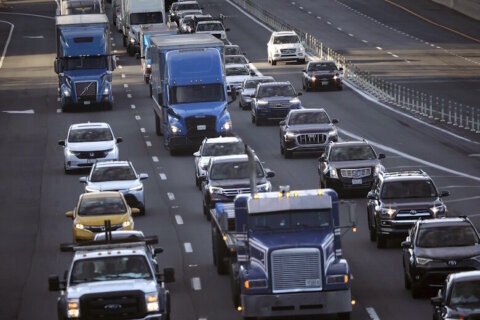
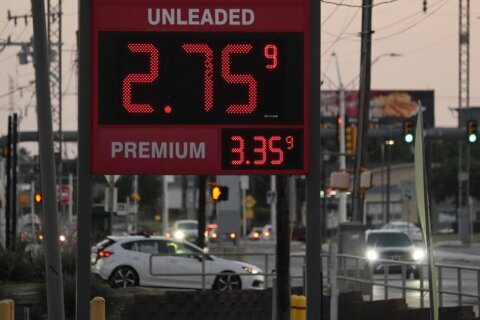
Today, we pump gasoline without a second thought.
It powers our cars, and gas stations can be found around just about every corner. But there was a time when gasoline was something no one even wanted.
For much of the 19th century, it was an afterthought.
“Gasoline was not something that had much of a use for people until the internal combustion engine came along,” said Chris Wells, professor and chair of environmental studies at Macalester College. “It was a flammable byproduct of the refining process.”
Refiners who were drilling and processing crude oil had been focused on producing kerosene, the clean-burning fuel that lit America’s lamps and extended the day long after sunset.
What remained — a volatile, flammable liquid known as gasoline — was often thrown away.
Few could have predicted that this unwanted substance would become the fuel that reshaped American life.
Gasoline finds its power
Things began to change in the late 1800s as inventors experimented with internal combustion engines and discovered gasoline’s advantages.
It vaporized easily and ignited quickly, making it ideal for small, powerful engines.
Unlike steam power, which required bulky boilers and a constant supply of water, gasoline engines were compact and well-suited for personal transportation.
“There was a fairly intense competition between three different kinds of automobiles in the first five to seven years that automobiles were available commercially in the United States,” said Wells.
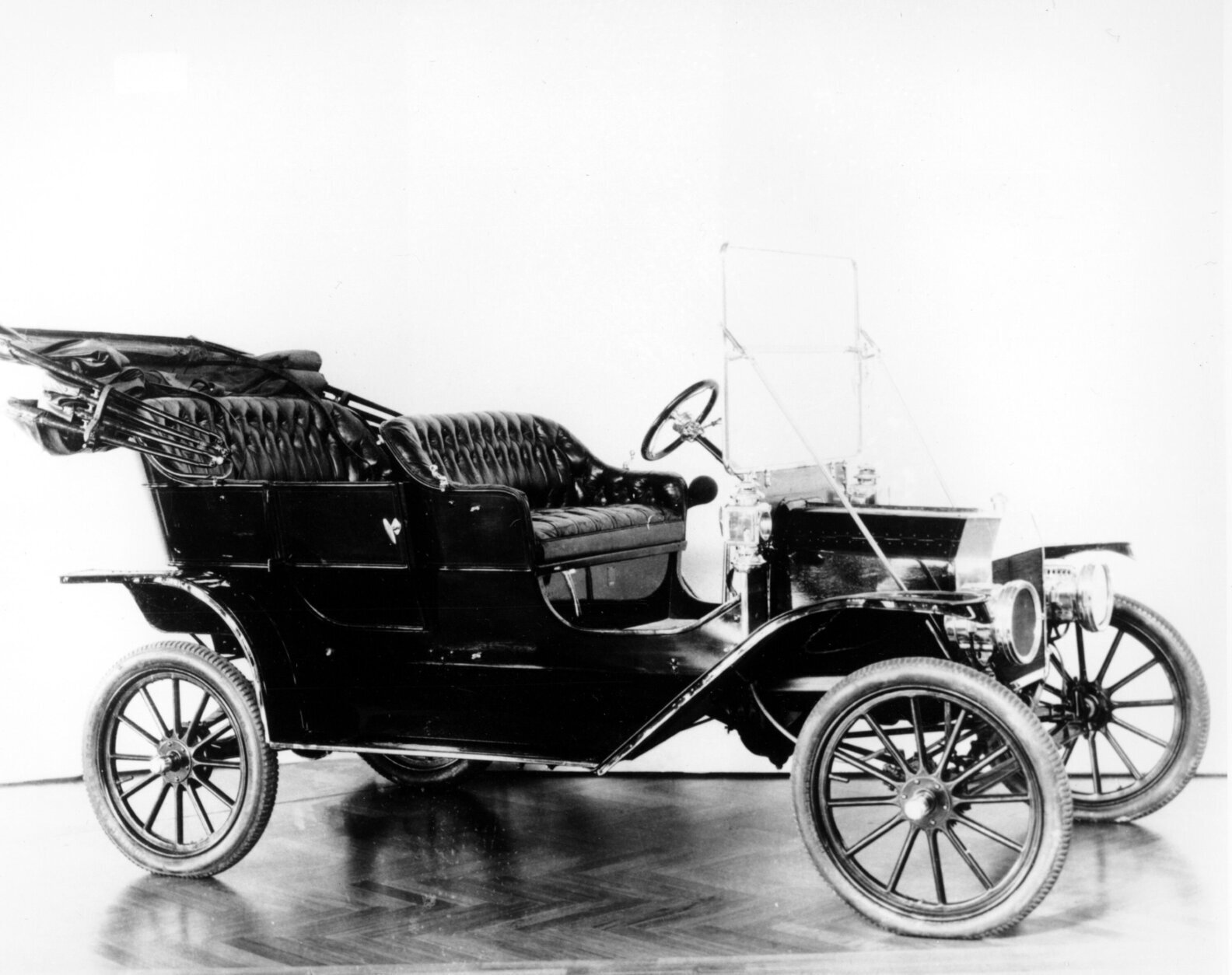
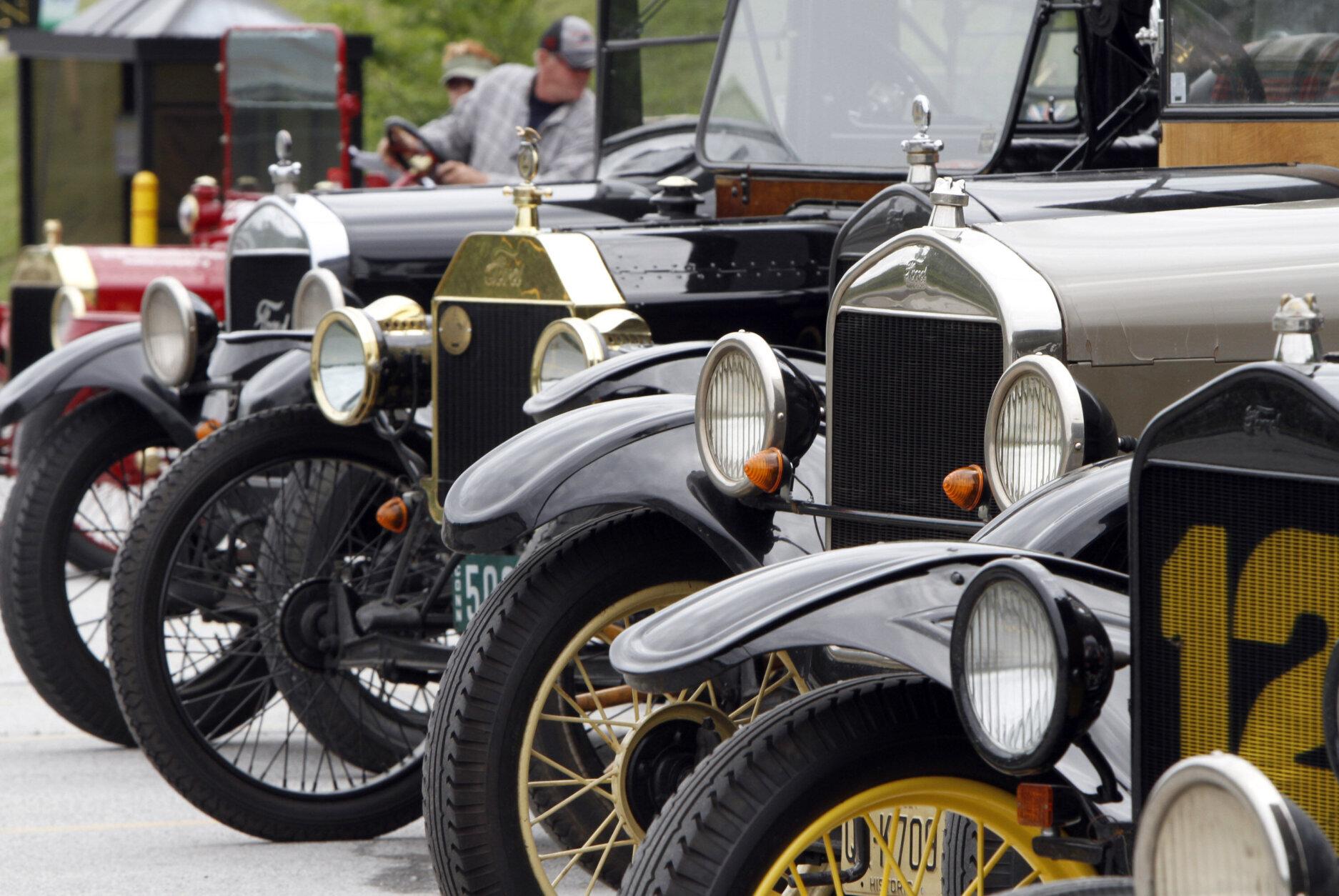
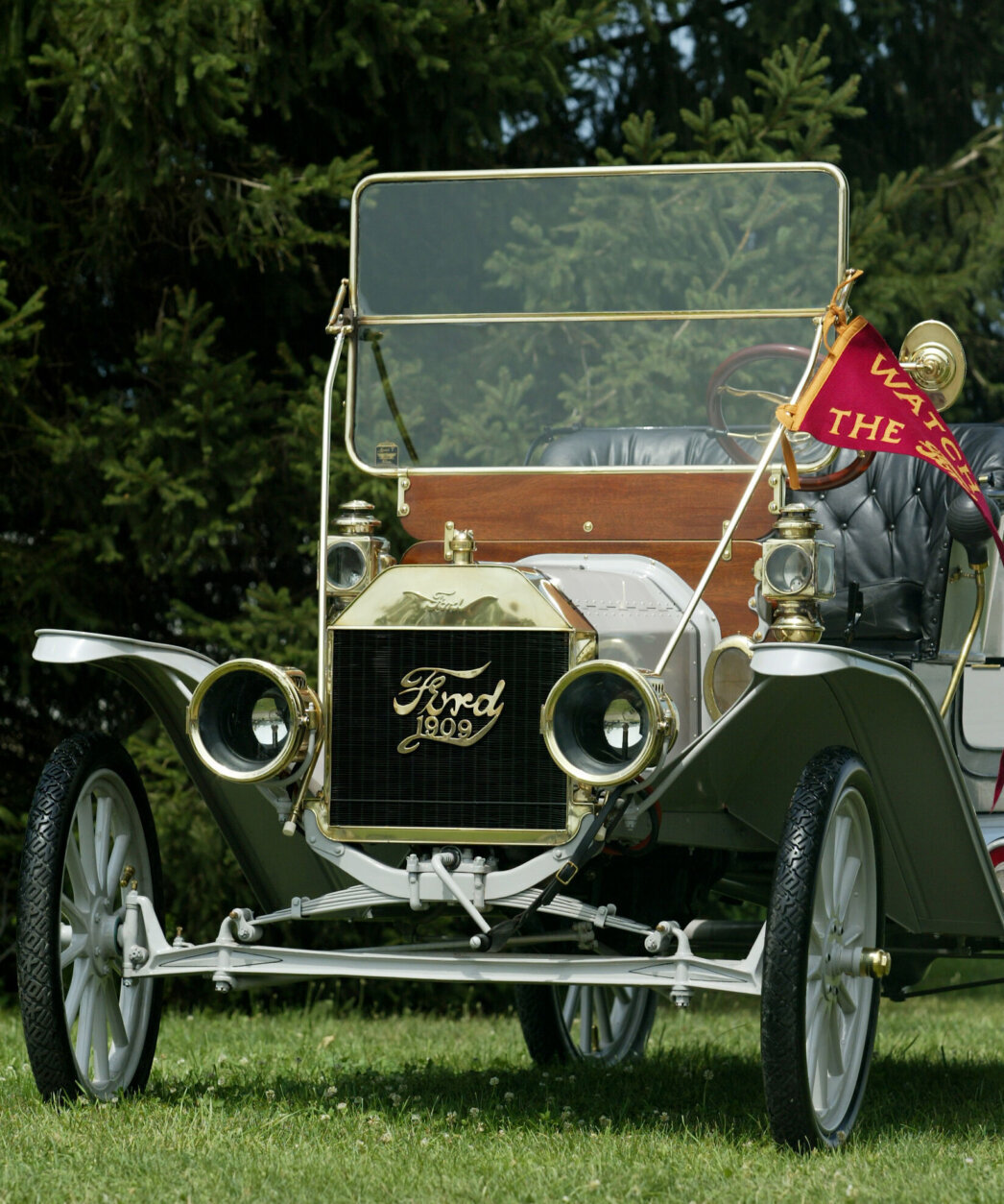
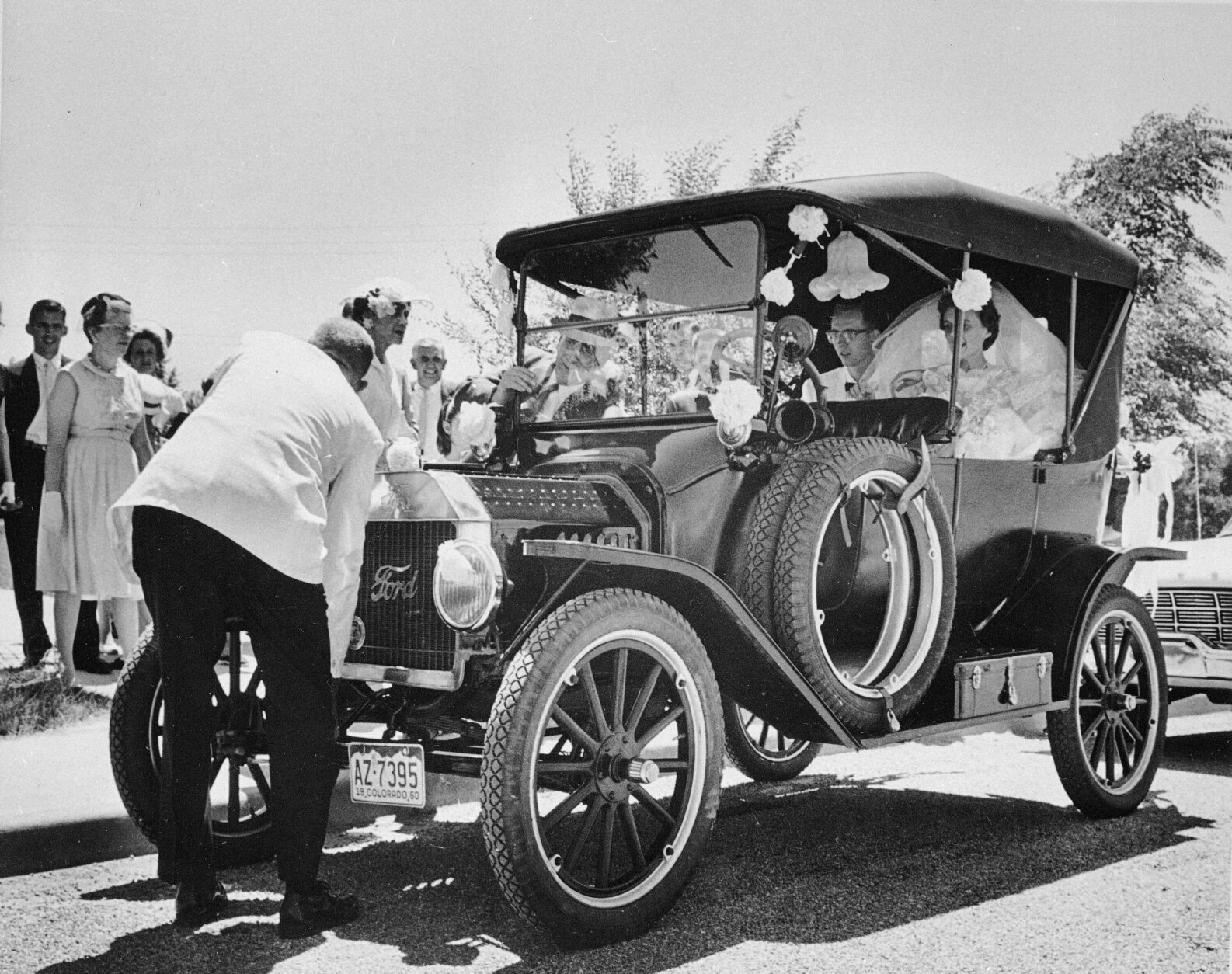
Henry Ford’s introduction of the Ford Model T in 1908 was a milestone.
It helped transform the automobile from a luxury item into a consumer product.
“The Ford Model T was absolutely instrumental in helping launch automobile ownership as a widespread phenomenon,” explained Wells. “It was the spread of automobiles as a widespread phenomenon that helped explain why gasoline suddenly became really important as a product.”
The rise of gasoline reshaped the nation’s physical landscape.
Roads expanded beyond cities, linking rural areas to urban centers.
Highways emerged, followed by motels and diners.
Suburbs grew as commuting by car became easier, changing the patterns of work and daily life.
Americans take to the roads
A lot of the early owners of automobiles were relatively wealthy, and when they went driving, they didn’t want to drive in traffic downtown.
They wanted to get out of the city and explore the countryside.
“One of the reasons why the Model T turned out to be so important was that it allowed people to drive around in places where there weren’t yet great roads,” said Wells. “What Ford was able to do was to build a machine that was, compared to its competitors, lightweight and capable in handling bad roads.”
The automobile — and gasoline with it — made distance less of an obstacle.
Delivery trucks replaced horse-drawn wagons.
Businesses could serve more people, and employees could live farther from their jobs.
By the mid-1900s, the transformation was complete.
A once discarded liquid had found its calling — and in doing so, helped drive the United States into the modern age.
“The automobile really allowed people to do things that simply hadn’t been possible before, and that was enormously exciting,” said Wells.
Get breaking news and daily headlines delivered to your email inbox by signing up here.
© 2026 WTOP. All Rights Reserved. This website is not intended for users located within the European Economic Area.