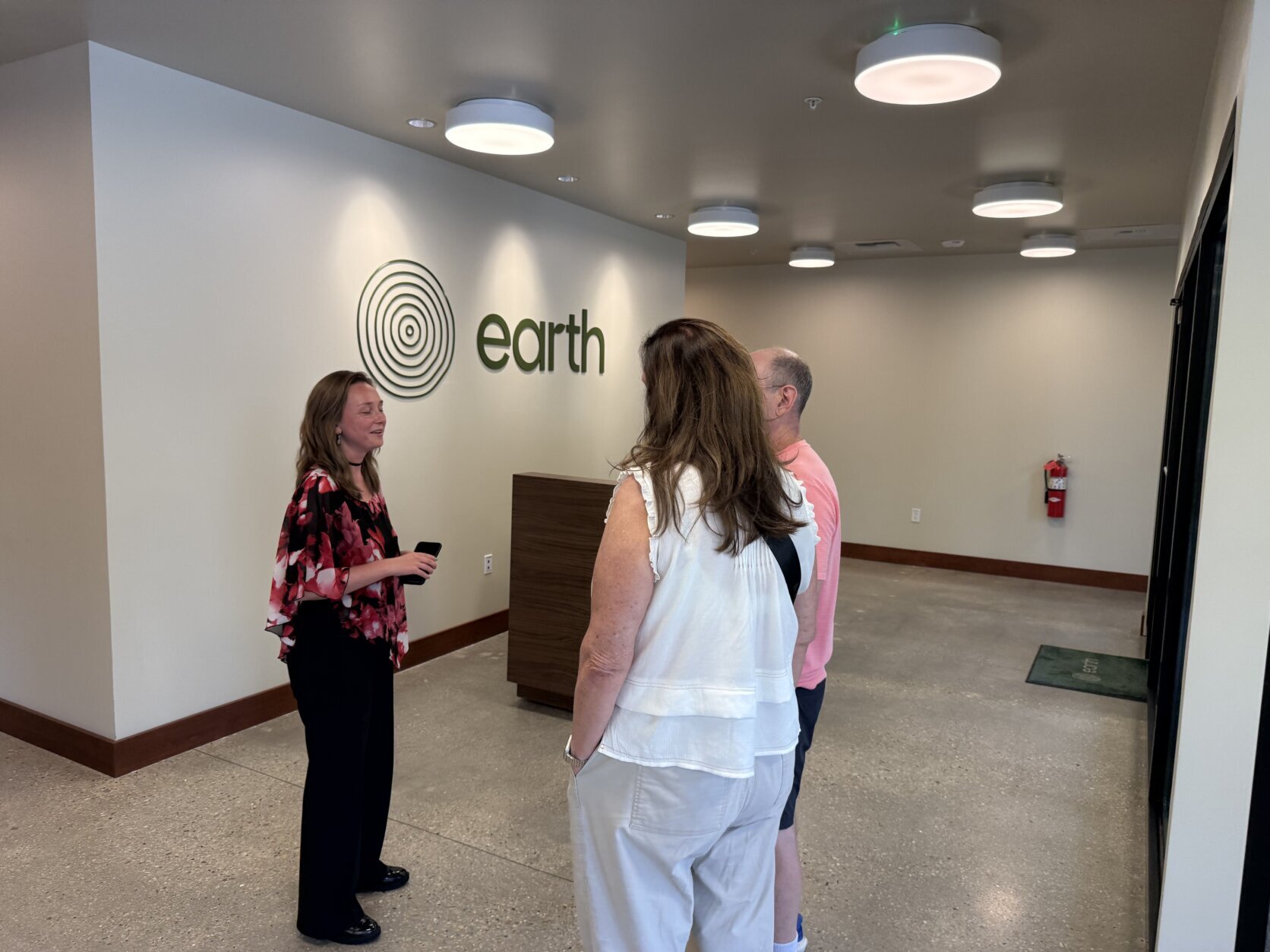
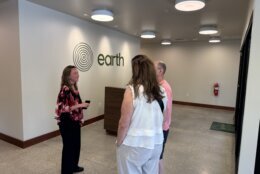
For most people, end-of-life planning comes down to two choices: burial or cremation. But a company in Elkridge, Maryland, is offering a third option through what it said is the first human composting facility on the East Coast.
Earth Funeral specializes in a process known as natural organic reduction, which transforms human remains into soil.
“This is the closest that is available, available for people to purchase, to actually becoming a tree at time of death,” Earth Funeral co-founder and CEO Tom Harries said.
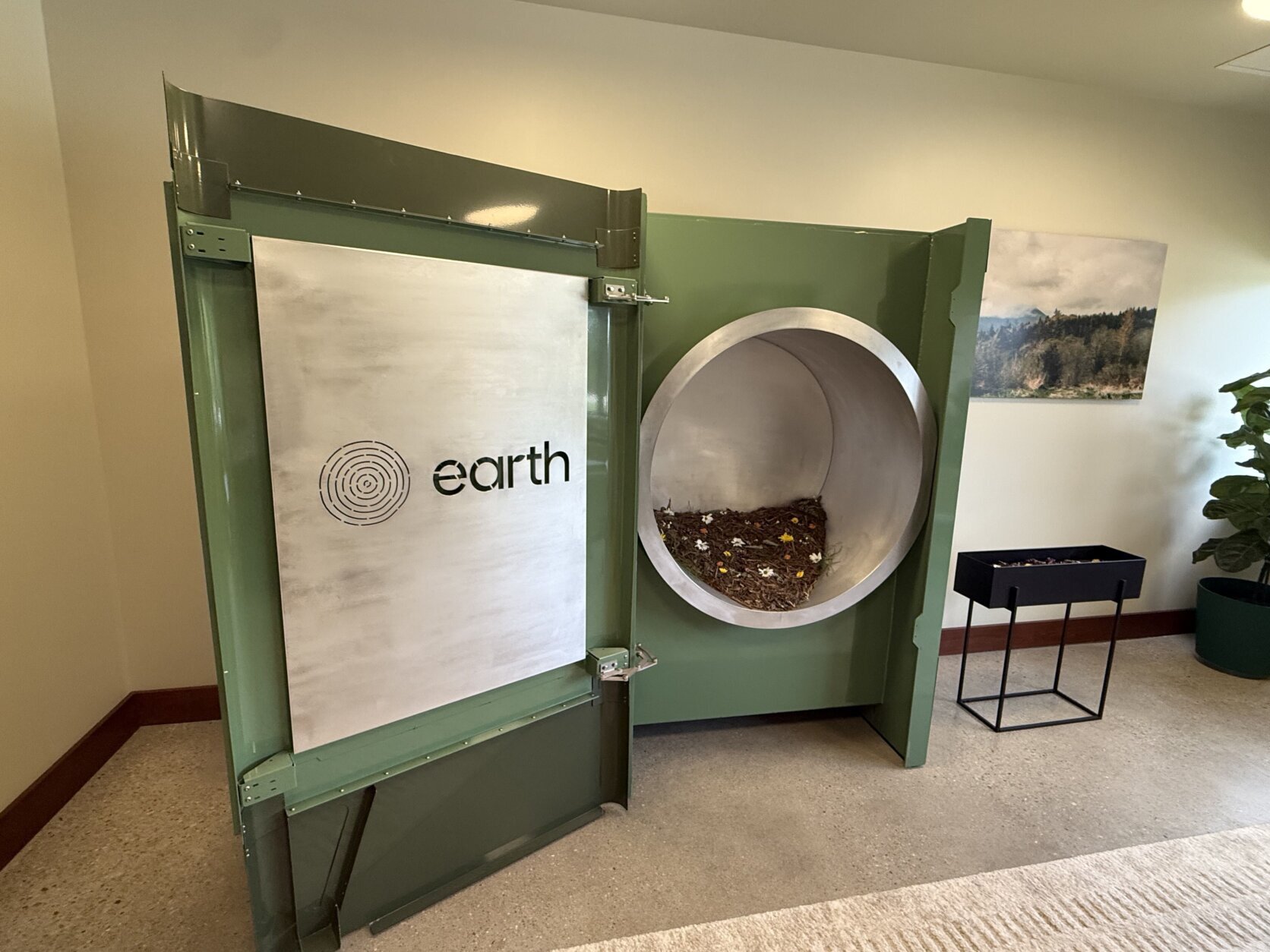
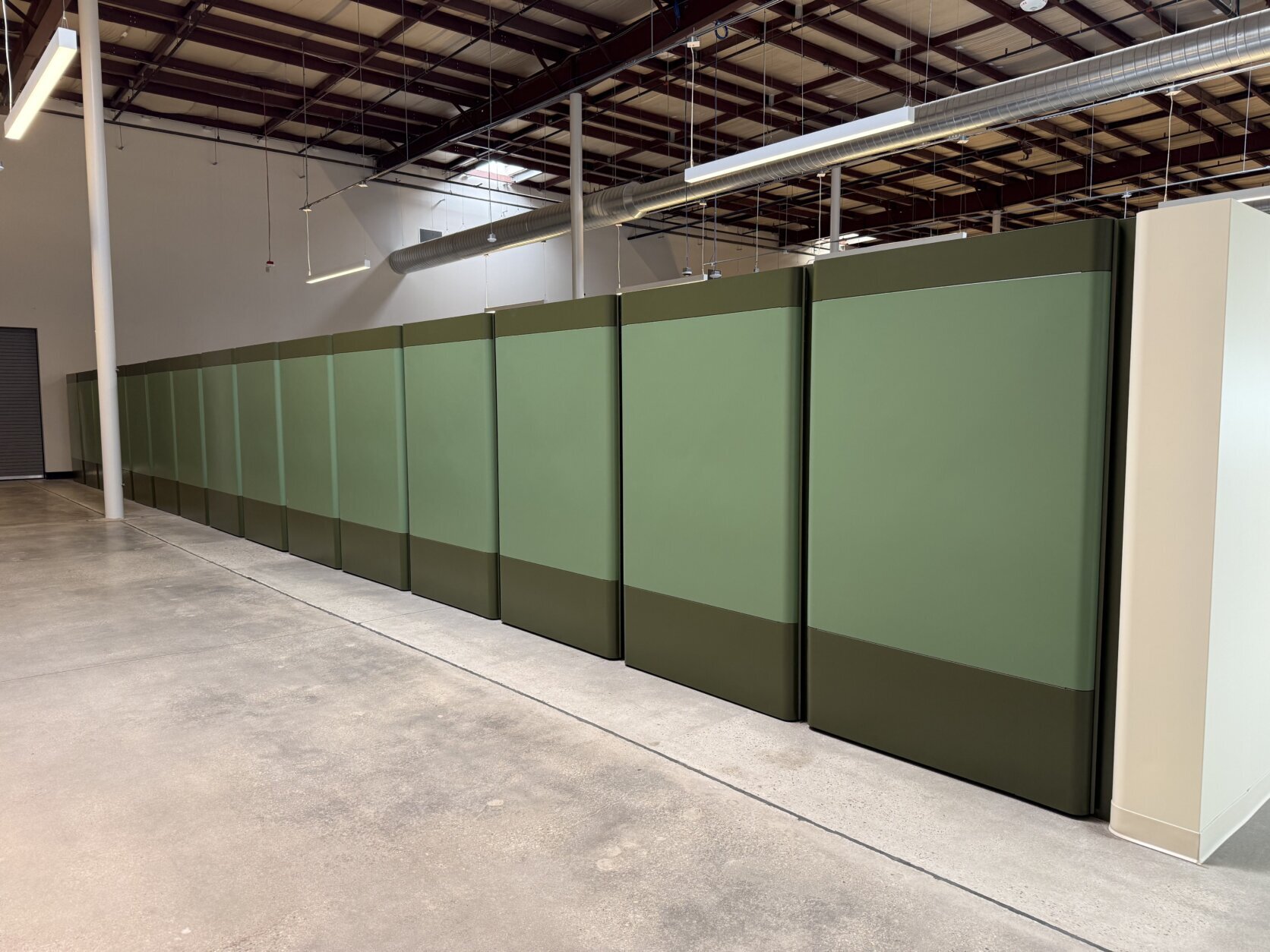
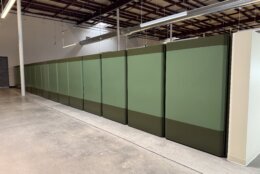
The company said its Elkridge facility is the largest of its kind in the world, with capacity for 126 vessels, the large metal cylinders where the process takes place.
According to Harries, years of research and development went into creating the technology behind the process.
“What we are doing is effectively accelerating what would happen naturally on a forest floor, but we’re using science and technology to accelerate the process,” Harries said.
The company says a body is placed inside a vessel along with organic materials.
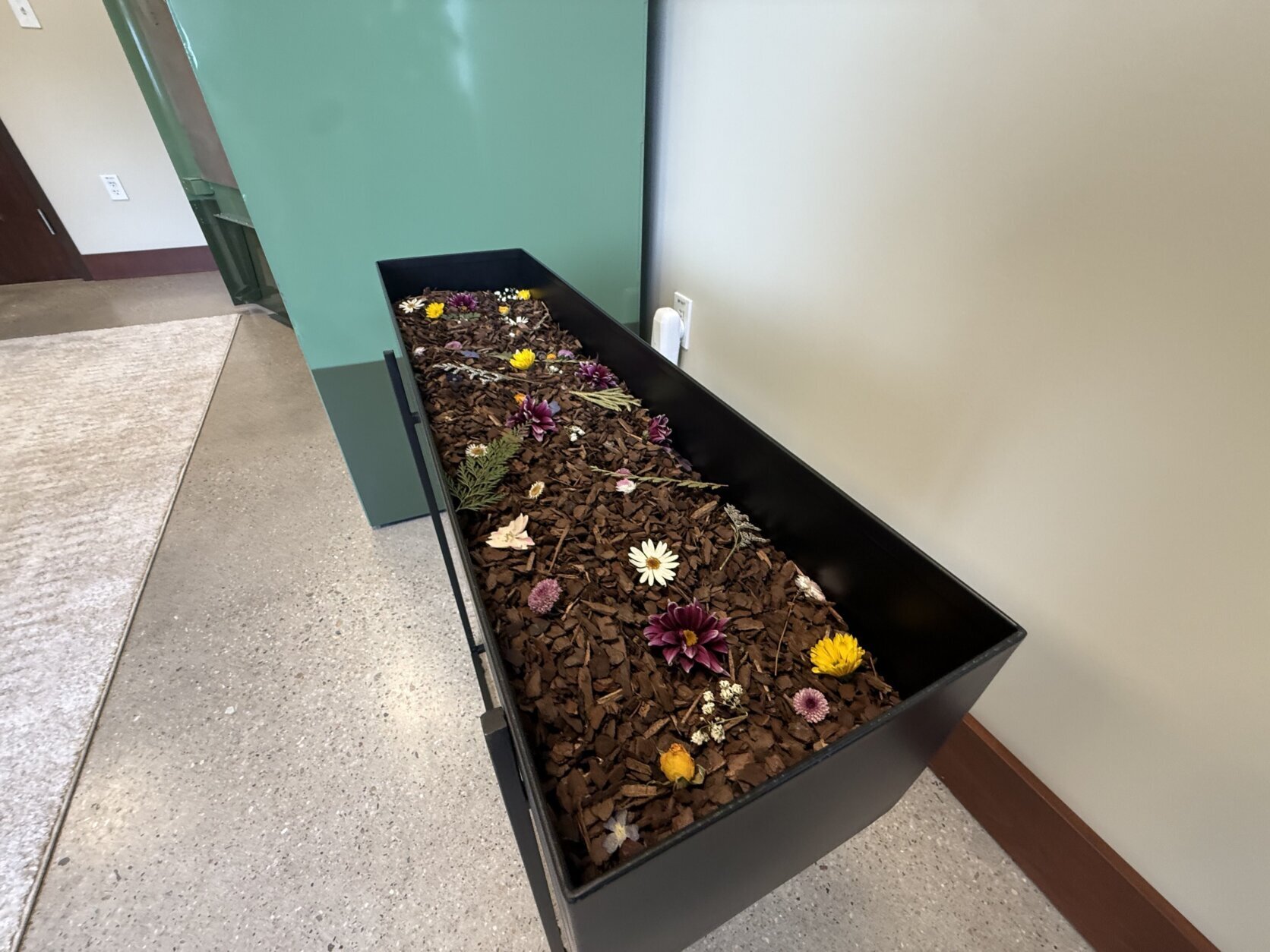
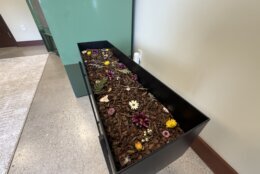
“This vessel contains natural materials — organic mulch, wood chip, wildflower — along with the body,” Harries said.
By controlling factors such as temperature, moisture and oxygen, Earth Funeral said microbes break the body down at a molecular level in about 30 days.
“So fully natural, no chemicals, no insects,” Harries said.
Harries said the process appeals to people looking for a more environmentally friendly alternative to traditional burial or cremation.
“It’s a gentle, natural process. It’s better for the environment, and it offers a return to nature,” Harries said.
For Dave Buermeyer of Reston, Virginia, choosing human composting became part of his estate planning.
“The cost is comparable to cremation, but I think this solution is much better for me, for our family. It just makes sense. It’s ecological,” Buermeyer said.
Once the process is complete, families can take possession of the soil and decide how to use it.
“People give meaning to the soil,” Harries said. “I think there’s a really nice connection to how the soil is used, whether it’s a potted plant or tree, or really whatever you choose to do with it.”
He said some even choose unique ways with the soil to remember those they lost.
“We’ve had some really beautiful stories of people recreating road trips they did with loved ones, and they scatter a little bit of soil at each stop that they did with their loved one,” Harries said.
The process results in around 300 pounds of soil, and families can keep as much of the soil as they’d like. Any soil they choose not to keep is donated to conservation projects, including reforestation and ecosystem restoration efforts, according to the company.
The service typically costs between $5,000 and $6,000.
Get breaking news and daily headlines delivered to your email inbox by signing up here.
© 2026 WTOP. All Rights Reserved. This website is not intended for users located within the European Economic Area.