Crooks are always looking for ways to use new technology to commit crimes.
“The world is just filled with con artists who relentlessly look to steal your money,” Kevin Brasler, executive editor of Washington Consumers’ Checkbook, said. “These days they’re using AI to create really sophisticated looking scams.”
The attempts come in the forms of convincing fake websites, emails, texts, audio and video, which arrive on your phone or computer.
Fraud losses reported to the Federal Trade Commission hit a record $15.9 billion in 2025, up 27% from the previous year. The FTC’s “Consumer Sentinel Network Data Book 2025” reports that investment scams, romance scams, crypto scams and impostor scams are driving much of the increase.
“The first rule of protecting yourself against fraud is to be skeptical; I mean, question everything,” Brasler said. “Assume that calls, texts and emails you get from what seem like your financial institutions or businesses you might deal with are fake.”
Avoid clicking on links in email or text messages, since scammers often “phish” for login credentials by sending something that appears to be from your bank or retirement fund.
“What criminals do is they prefer to hack the weakest link in each security chain, and often these days the weakest link is us,” said Brasler, saying unsuspecting victims often hand over their account information and other personal details when presented with a realistic-looking link.
In an increasingly digital world, Brasler said you should open and read your postal mail.
“I realize that sounds silly, but financial institutions, government agencies like Social Security and the IRS, they’ll send important notices via the U.S. Mail,” he said.
Use credit cards for online and mail-order purchases, rather than a debit card, since the former is protected under the federal Fair Credit Billing Act.
“Under the law, if fraud occurs on your card, you’re not responsible for it. The credit card company must investigate allegations of abuse and fraud, and even things you’re just not happy with, like an auto repair,” Brasler said. “You can dispute those charges with your credit card company and get your money back.”
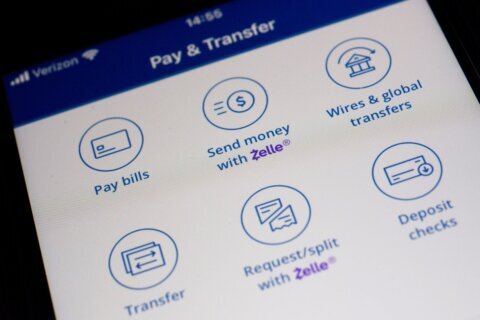
Don’t pay via crypto, payment apps, gift cards or wire transfers — methods which fraudsters often suggest, Brasler said.
“When you send money its irreversible, so criminals can grab the money, move it somewhere else, and you’ll never see it again,” he said.
See other tips in Washington Consumers’ Checkbook’s article, “Fraud Prevention: Top 12 Ways to Protect Yourself.”
Get breaking news and daily headlines delivered to your email inbox by signing up here.
© 2026 WTOP. All Rights Reserved. This website is not intended for users located within the European Economic Area.