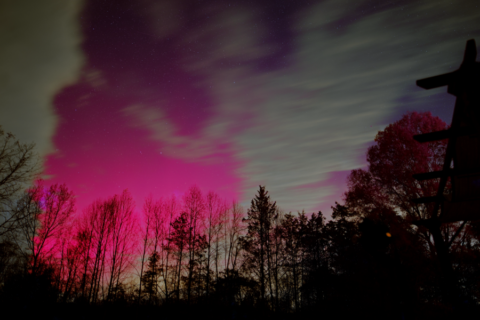
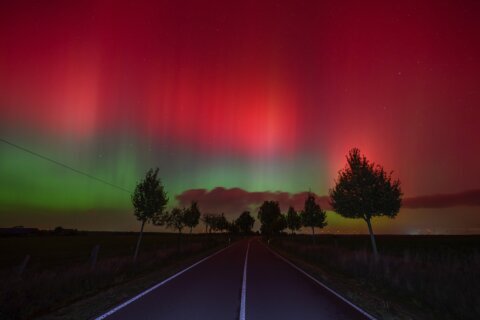
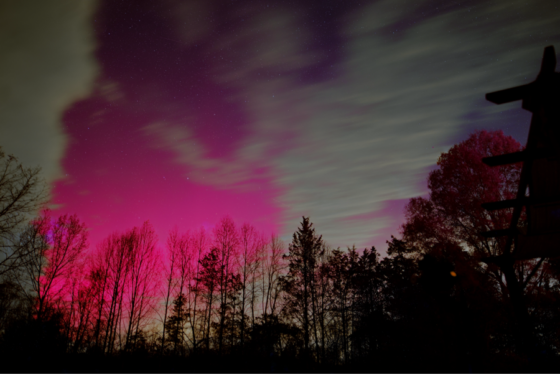
On Tuesday night into the early hours Wednesday morning, sky watchers were treated to dazzling and colorful aurora throughout North America, including in the D.C. region.
Listeners witnessed the sky show starting after 8 p.m., as seen in numerous pictures sent to WTOP.
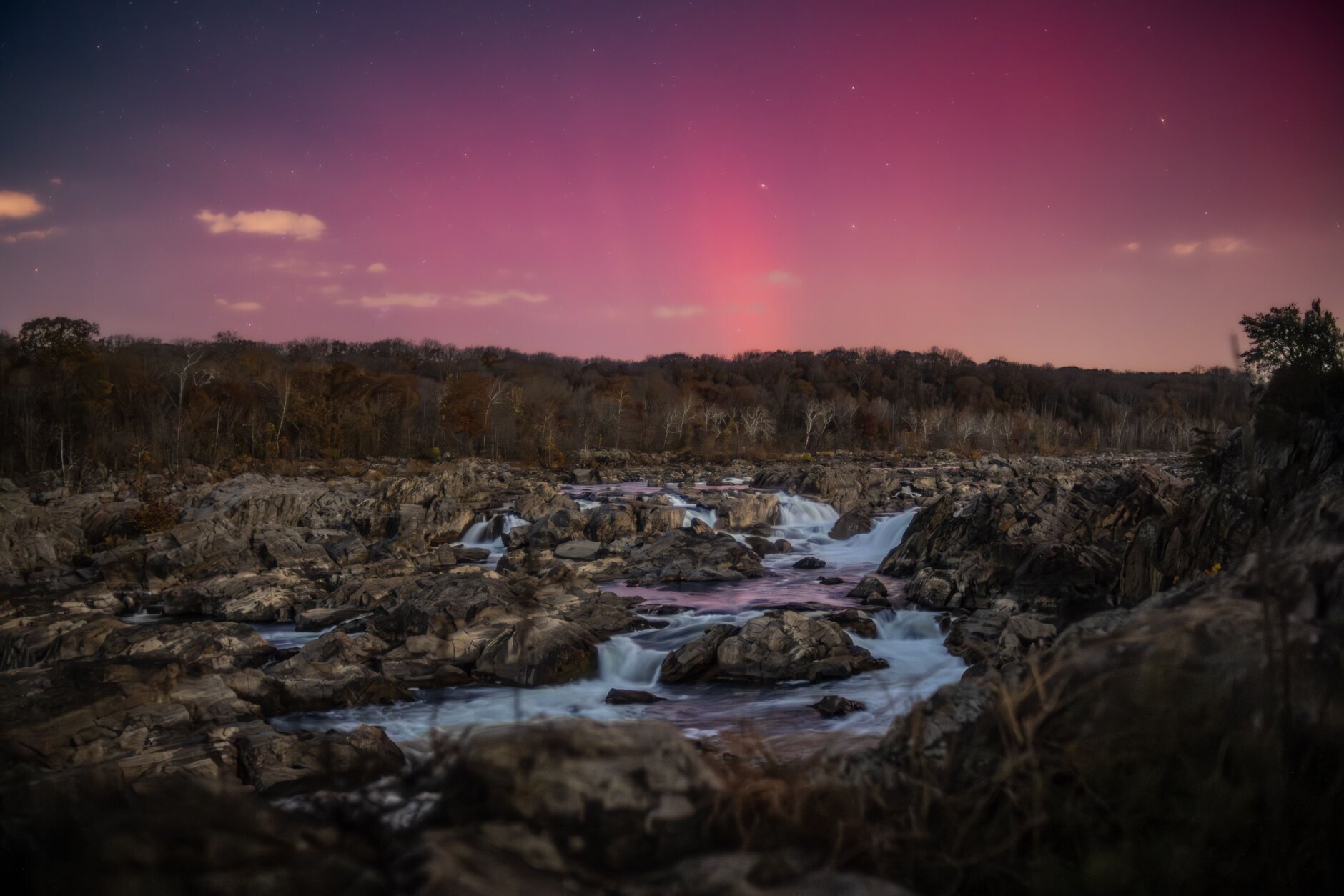
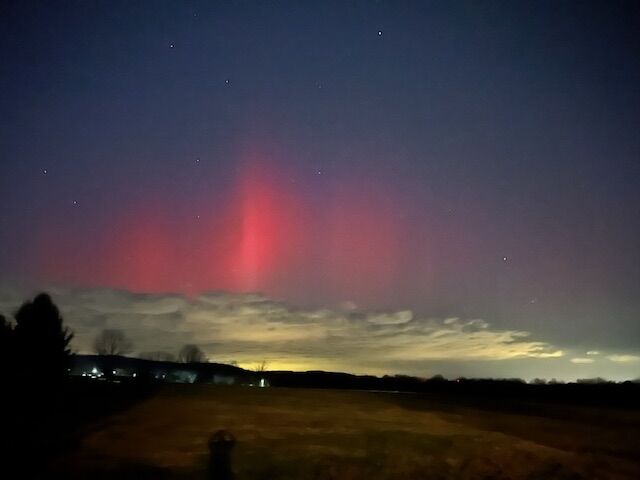
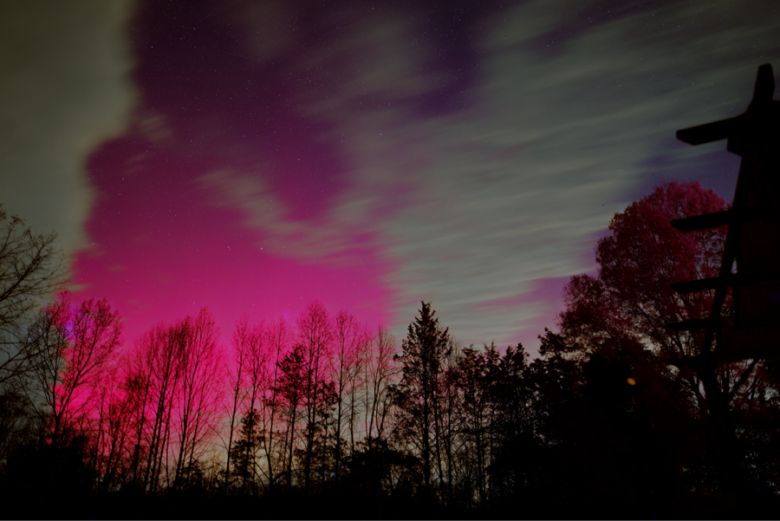
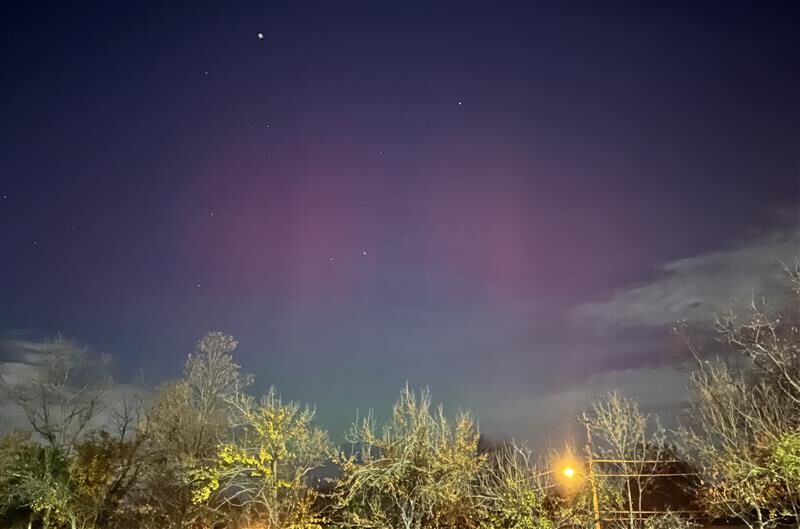
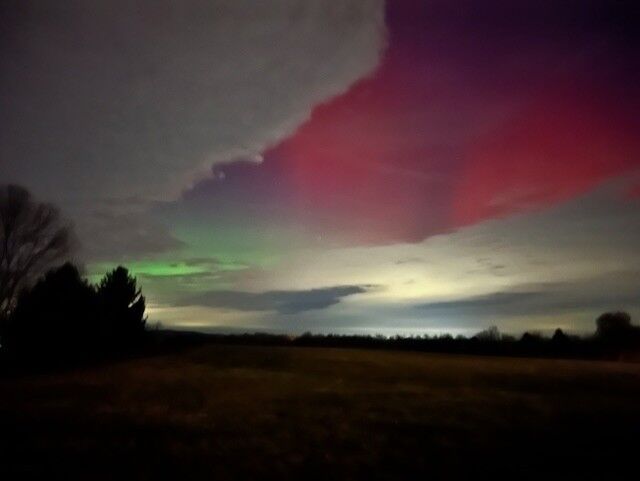
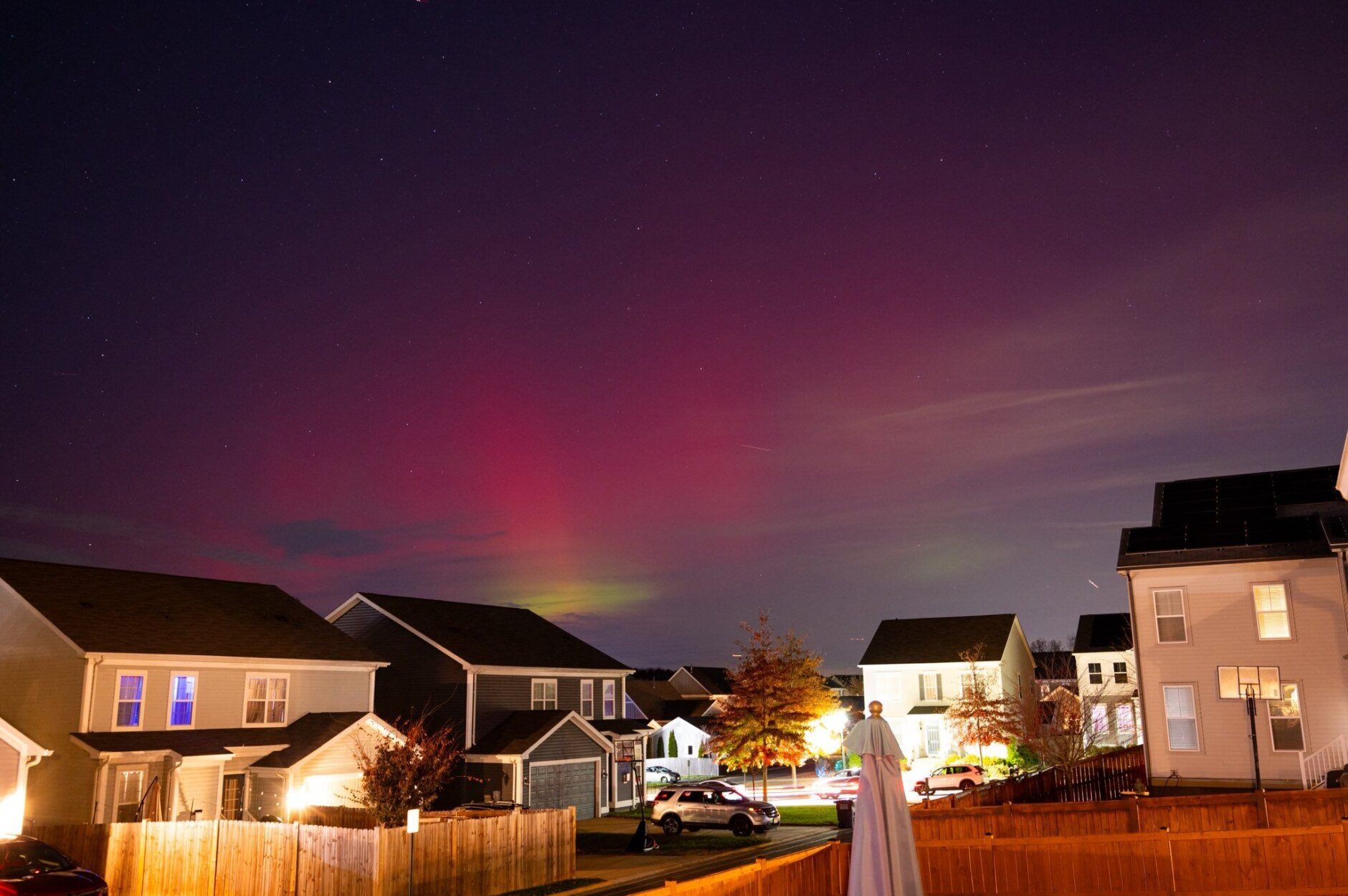
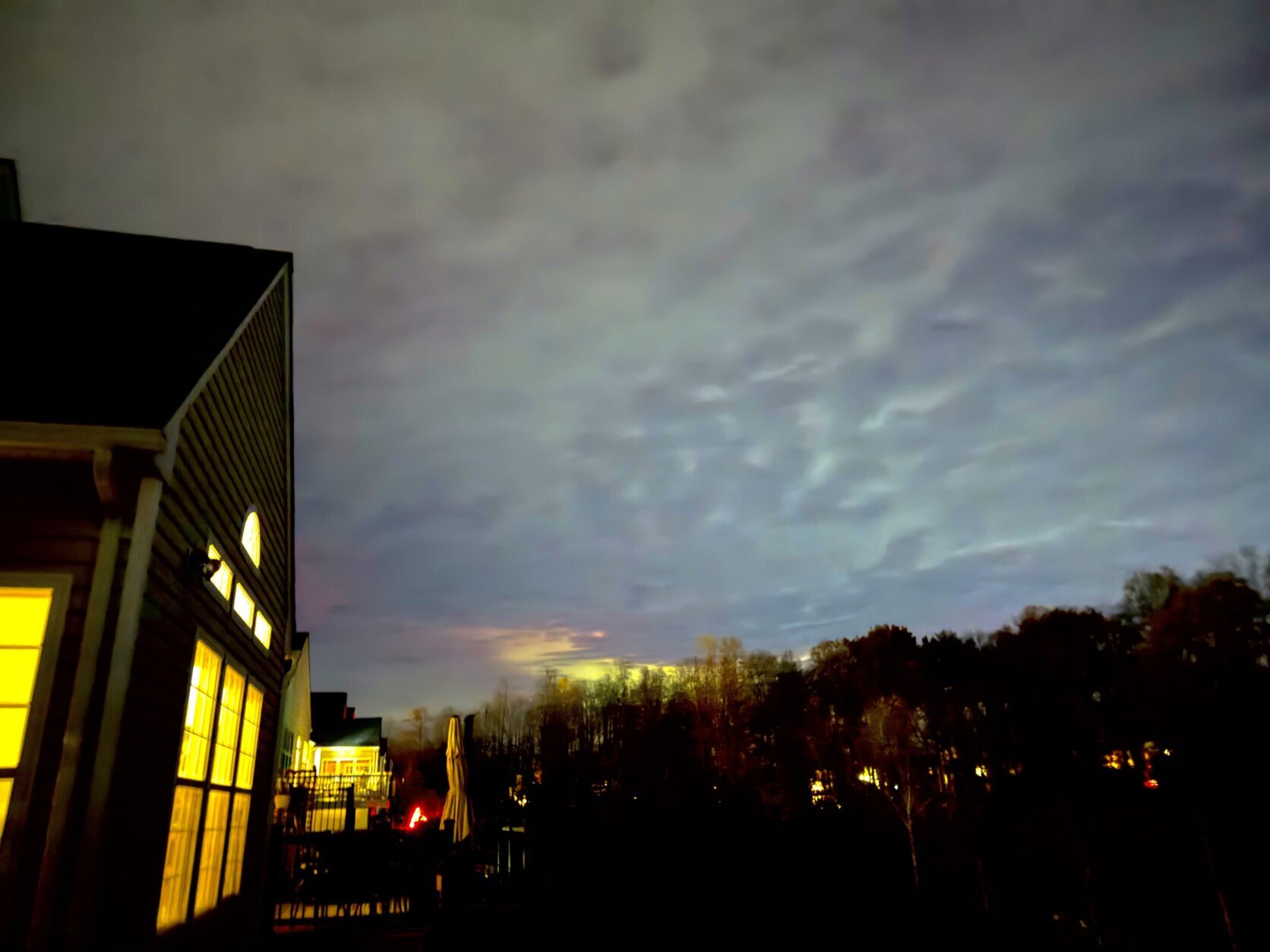
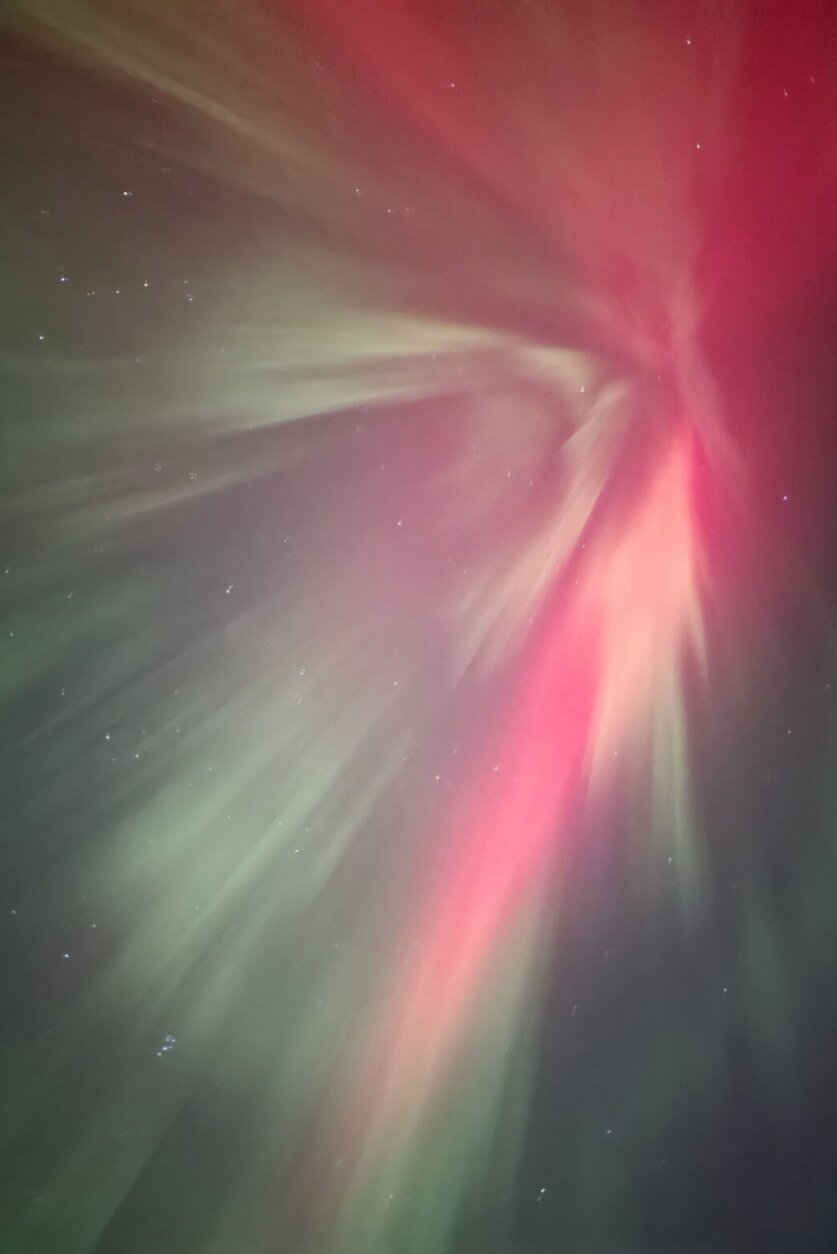

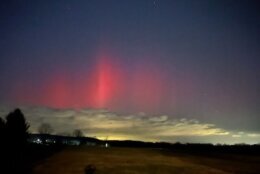
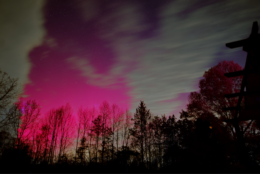
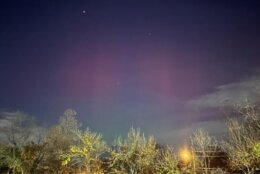
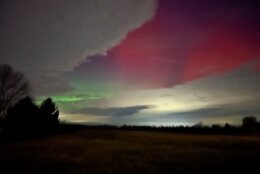
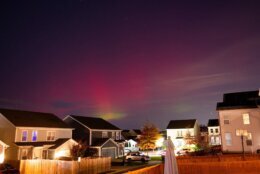
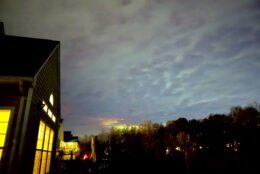
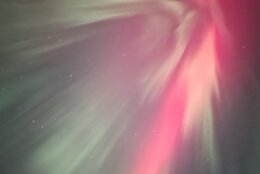
Fueling the sky spectacle was a powerful Level G4 (Severe) geomagnetic storm that lasted for hours. Two videos from National Oceanic and Atmospheric Administration’s Space Weather Prediction Center explained what was occurring at the onset and later on.
The center issued a forecast Wednesday morning, which predicted: “G3 levels are currently being observed; G4 levels are still expected.”
Clear Sky Chart (input your location) is very useful to check sky conditions as well as the NOAA and space related social media sites, EarthSky.org and space.com for aurora viewing updates. There also are aurora apps available as well to help you; I use Aurora Pro and Glendale App.
Your camera and/or smartphone could have significantly improved your chances of detecting and imaging the aurora due to their digital sensors. Even if you did not see aurora, if you photographed the northern horizon, you may have gotten image of them.
Using a camera or smartphone that can take exposures of several seconds — including using “Night Sky” or “Low Light” settings if your camera has them — gives you your best shot. Steady the camera or use a tripod for best image results. The camera can capture aurora that your eyes did not.
Good luck, aurora chasers, let’s hope and be ready for another sky spectacle.
Follow my daily blog to keep up with the latest news in astronomy and space exploration. You can email me at skyguyinva@gmail.com.
Get breaking news and daily headlines delivered to your email inbox by signing up here.
© 2025 WTOP. All Rights Reserved. This website is not intended for users located within the European Economic Area.