This content was provided by GW Hospital.
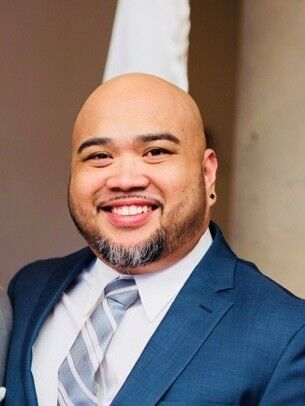 Kester Verdadero, Divisional Director for Surgical Services at The George Washington University Hospital (GW Hospital). Here, he discusses the surgical options at the hospital, including minimally invasive and robotics procedures. Verdadero also describes the patient-centered approach the hospital takes each and every day.
Q: What does your role as Divisional Director of Surgical Services at GW Hospital entail?
A: As Divisional Director for Surgical Services at The George Washington University Hospital, I currently oversee about eight departments in the perioperative services. That’s the operating room, surgical center, preop, post-anesthesia care unit and sterile processing department. I also have an endoscopy and pain department under the perioperative services department.
Q: Please talk about your philosophy and how it influences the work that you do.
A: My role is to support the team and oversee daily services for the operating room and the other departments in perioperative services.
I’m a military guy by background. I have 14 years of service under my belt, and I’ve brought with me a lot of those skill sets and trainings that I have in the military. It’s always the mantra of taking care of the person on your left and your right. I try to embody that in my current role as a divisional director of surgical services.
I’m a big believer in giving the team the processes they need to be able to do the important work they do.
Q: Could you detail how GW Hospital stays current on leading-edge surgical technology and procedures?
A: One thing I have learned about healthcare is that it is an ever-changing environment. There is literally something new daily. So, we have to adjust to that. We have committees in place. We talk and meet to discuss new technologies and processes.
We also partner very well with providers and help ensure they are empowered to tell us what kind of new procedures and technology and surgical processes they have learned and want to bring to the hospital. GW Hospital is also a big proponent of supporting the team by bringing in innovation and sharing ideas as well.
Q: How are minimally invasive and robotic technologies changing surgery now and in the future?
A: GW Hospital offers minimally invasive and robotic surgeries, which can offer a lot of advantages; faster recovery, reduced blood loss, reduced pain and smaller scars. The focus is to provide the best possible care for the patient.
Imagine a couple years ago when you had some heart procedures, they literally would have to crack your chest open and you’d be in recovery for about three months. Nowadays, they can use a minimal incision in your wrist, surgery takes 45 minutes to an hour and you may be home the next day.
I’ve seen, behind the scenes, the team involved in providing a lot of these procedures at GW Hospital. The equipment, the training and the processes that we have in place are some of the best I’ve seen in my long experience in healthcare.
Q: How do GW Hospital surgical services approach patient care?
A: We always put the patient on top of the pyramid. The relationship with the patient is key to better serve future patients as well. That’s how we decide what type of technology or new type of surgical procedure to bring in. I’ve seen firsthand the focus on providing the best possible care and world-class service to our patients at GW Hospital.
If you give the team the tools, support and processes they need to be able to be successful, it does, in my experience, result in better patient outcomes.
Let the GW Hospital family care for you and yours.
To find a doctor, call 888-4GW-DOCS (449-3627) or visit doctors.gwhospital.com
Learn more at gwhospital.com
Individual results may vary. There are risks associated with any surgical procedure. Talk with your doctor about these risks to find out if minimally invasive or robotic surgery is right for you. Physicians are independent practitioners who are not employees or agents of The George Washington University Hospital. The hospital shall not be liable for actions or treatments provided by physicians. For language assistance, disability accommodations and the nondiscrimination notice, visit our website.