There are several ways in which many consumers waste potentially thousands of dollars each year, money that could be more effectively used as an emergency fund.
When it comes to their financial behavior, Americans have good intentions but bad follow-through. In fact, 59 percent of Americans say they enjoy saving money, compared to 38 percent who say they enjoy spending it, according to a recent survey conducted by Gallup. However, how respondents view themselves and how they actually treat money can be different things.
Nearly 6 in 10 consumers surveyed in Bankrate’s “Money Pulse Survey” don’t have enough savings to cover an unexpected expense of $500 or $1,000. In order to cover a surprise bill, 20 percent would reduce their spending on other things and 32 percent would either charge the expense to a credit card or ask to borrow the money from friends or family.
Using credit cards for emergency expenses or asking loved ones to cover the cost can lead to financial and personal problems. Reducing spending is the better choice, especially since it can create a savings-centric habit that results in the growth of an emergency fund that can cover the next unexpected expense.
Restricting spending can be difficult, but identifying areas where you’re wasting money can make building an emergency savings much easier. Consider the following ways in which many consumers waste potentially thousands of dollars each year, money that could be more effectively used as an emergency fund.
Dining — $3,095. American households spent more than $250 per month on dining out between June 2015 and July 2016, according to the Bureau of Labor Statistics. Cutting your restaurant visits by just one-third could save $1,031 per year. To avoid buying takeout every week, try batch-making favorite meals on Sundays and freeze portioned leftovers. You can easily warm up these meals during the week when you’re short on time.
(Thinkstock)
Thinkstock
Carrying a credit card balance — $2,567. The average credit card debt for balance-carrying households in March 2016 was $16,048, according to data compiled by ValuePenguin. Assuming a 16 percent annual percentage rate, or APR, that’s $214 a month in interest. Make it a priority to pay down your credit card balance and use cash to pay for discretionary purchases. This will likely mean cutting back on personal spending, but that’s a necessary pain. You’re living beyond your means if you’re carrying a credit card balance.
(AP Photo/Elise Amendola)
AP Photo/Elise Amendola
Smoking — $2,248. The average cost of a pack of cigarettes is $6.16, according to TobaccoFreeKids.org. For those who smoke a pack a day, the average savings of quitting adds up to more than $2,200 per year. While quitting an addictive habit like smoking is no small feat, the number of former smokers continues to outpace the number of current smokers, according to the Centers for Disease Control and Prevention. The CDC highlights several ways smokers can quit, including consulting with a doctor, counseling and prescription and nonprescription medications.
(Thinkstock)
Thinkstock
Throwing away groceries — Up to $1,500. The average family of four throws away up to $1,500 a year in groceries, or around $125 per month, according to the Natural Resources Defense Council. What’s more, food represents 21.6 percent of the 136 million tons of municipal solid waste that was deposited in landfills in 2014, according to the most recent data from the Environmental Protection Agency. To avoid the monetary and environmental pitfalls of food waste, learn how to store food properly to increase longevity and educate yourself on when food actually goes bad. For example, fresh herbs last longer if you treat them like cut flowers and place them in a vase with water.
(Thinkstock)
Thinkstock
Embracing leftovers is also key to avoiding food waste. Vegetables that are past their crispy prime can be made into soups and sauces. Soft fruits can be tossed in the blender with other smoothie ingredients. Challenge yourself and your family to consume everything in your refrigerator or pantry before heading to the store to replenish.
(Thinkstock)
Thinkstock
Paying for cable — $1,237. Cable subscribers pay an average of $103.10 per month for their pay-TV access, according to the most recent report from Leichtman Research. Instead of paying a premium for cable, consider switching to Sling TV, which recently rolled out new a la carte pricing where you can add extra channels — including news, sports, kids and lifestyle — to base packages for $5 more per month. Swapping your cable subscription for Sling Orange, plus a $5 add-on, will save you a little less than $1,000 per year.
(Thinkstock)
Thinkstock
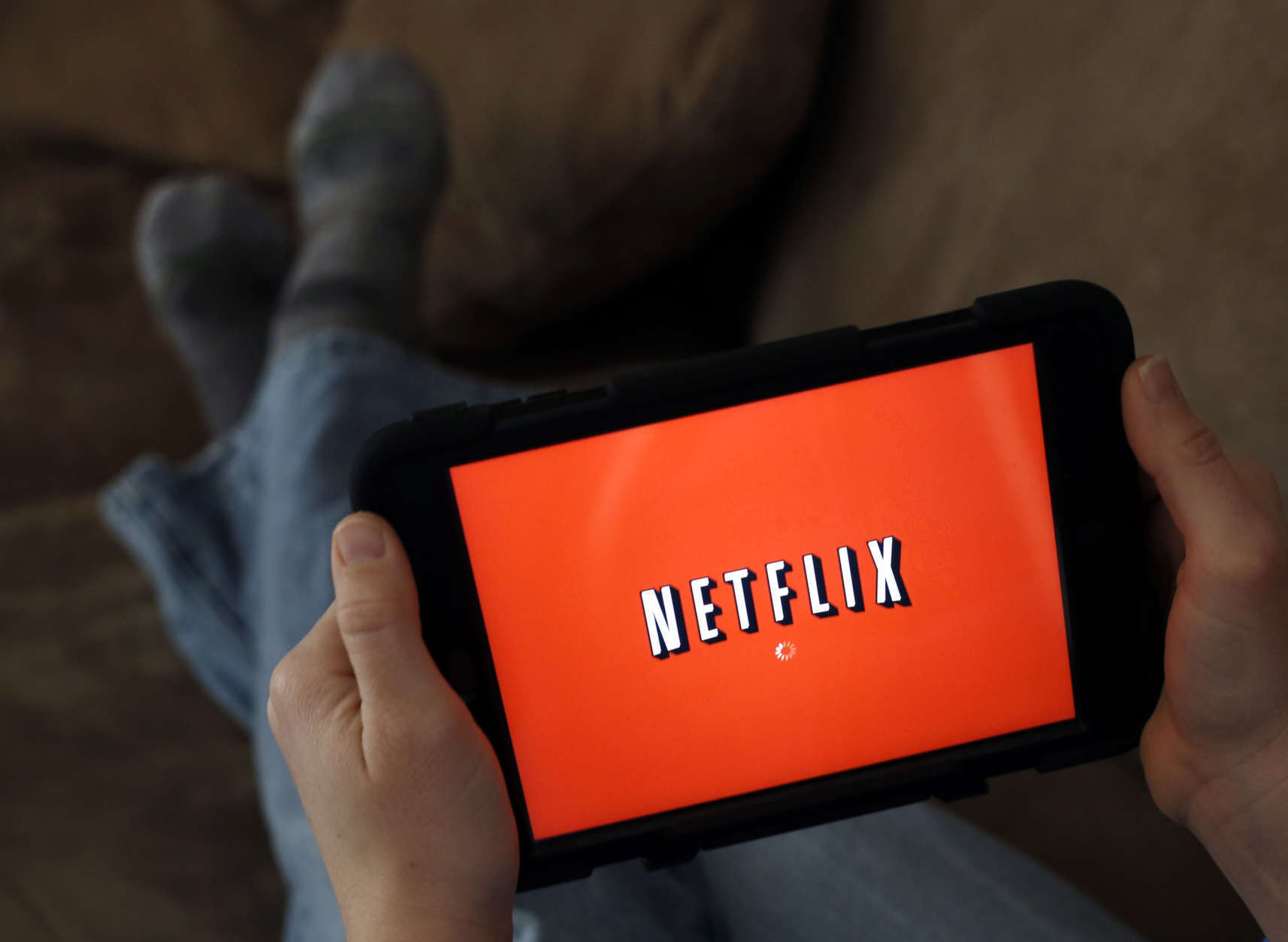
If cable channels are not something you watch, opt for Netflix and Hulu over Sling TV for even cheaper options.
(AP Photo/Elise Amendola, File)
AP Photo/Elise Amendola, File
Bank fees — $288 or more. Less than one-third of banks offer free checking, according to a study conducted by MoneyRates.com. With maintenance fees averaging $159 per year for consumers, and overdraft fees adding up to $32.34 per transaction, these fees can eat into your checking and savings accounts. If you overdraft once every three months, you could pay $288 in bank fees annually. This doesn’t include ATM fees, which average $4.57 per withdrawal from an out-of-network ATM, according to the 2016 Bankrate checking survey.
(Thinkstock)
Thinkstock
The MoneyRates report also found that more than 50 percent of online bank accounts are free of maintenance fees. What’s more, online banks typically provide better interest rates, up to 1 percent annually in some cases. That’s compared to less than 0.1 percent from traditional brick-and-mortar banks.
(Thinkstock)
Thinkstock
If you struggle to carry a balance of $5,000 or more, you should make the switch to a smaller bank. The MoneyRates survey found the average balance required by small banks to avoid fees is $5,109.72, compared to an average balance of $14,433.33 for large banks.
(Thinkstock)