WTOP celebrates National Hispanic Heritage Month this Sept. 15 through Oct. 15, with stories spotlighting the contributions, culture and accomplishments of Hispanic communities across the D.C. region.
This video is no longer available.
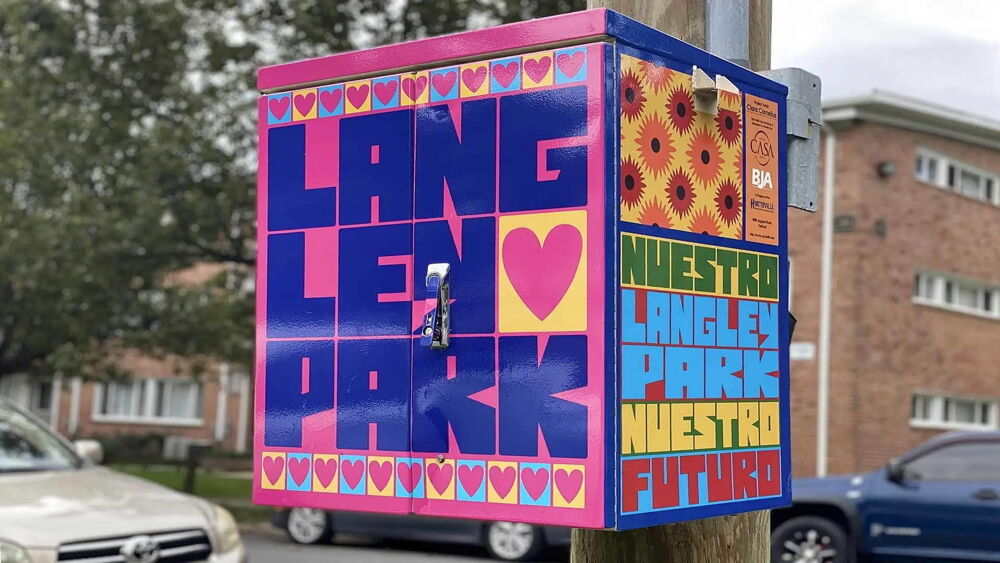
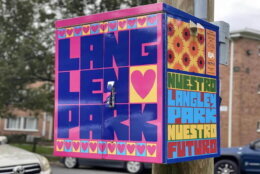
Sit down in the San Alejo Salvadoran restaurant, near the corner of New Hampshire Avenue and University Boulevard in suburban Maryland, and you have entered the heart of Langley Park — like a mini Central America.
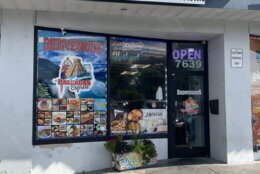
Situated on the border where Montgomery County ends and Prince George’s County begins, Langley Park’s mostly Latino community is proud of its 100-year history as a lively neighborhood of immigrants, filled with Hispanic markets, restaurants and small businesses that line its busy streets.
But challenges from landlord neglect and the impacts of the Maryland Transit Administration’s new Purple Line are making life more difficult for the residents who call Langley Park home. And more recently, U.S. Immigration and Customs Enforcement raids have put the community on edge.
National politics hit home
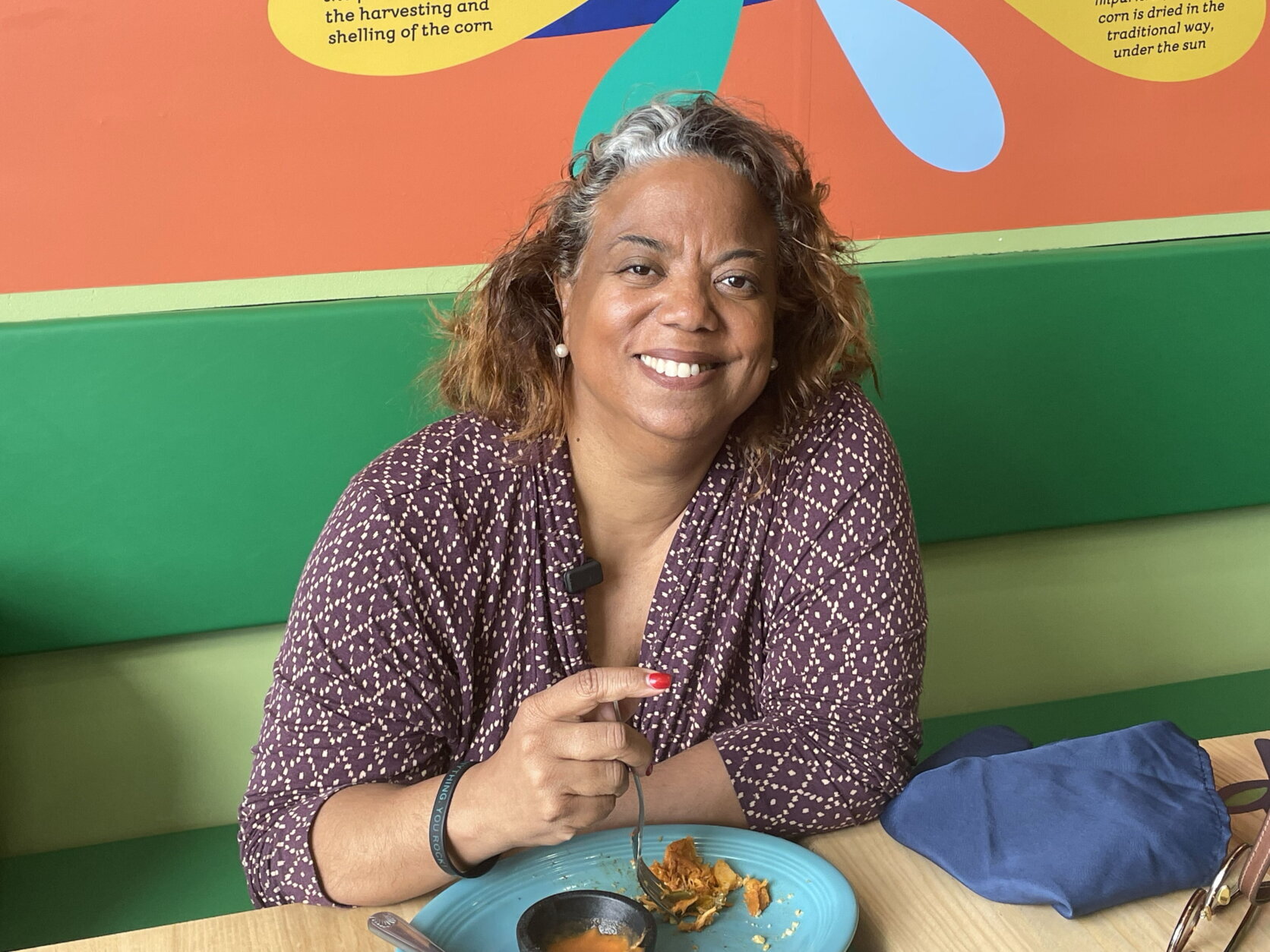
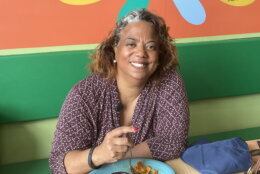
As she sat eating tamales at San Alejo, Maryland State Del. Deni Taveras talked about how the ICE raids in the neighborhood have also reopened old wounds.
“A lot of people here lived through wars in their countries. To have masked men with machine guns breaking down doors at 6 a.m., that brings trauma,” she said, referring to how ICE officers have been entering homes in Langley Park. “People are afraid to go to work. They’re afraid to make a living,” she said.
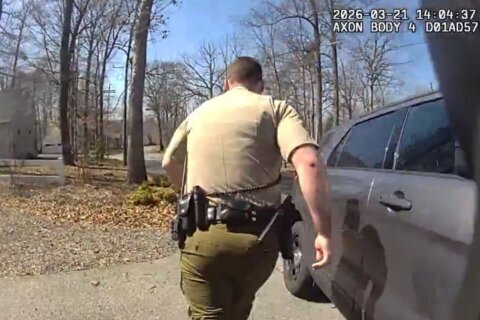
Lindolfo Carballo, senior director of community economic development of the Latino advocacy organization CASA, which is located in the center of Langley Park, agreed with Taveras. “What this administration is doing has horrified our community,” he said and added that he’s seen ICE officers pull people right off the street and social media posts have tracked the abuse in the neighborhood.
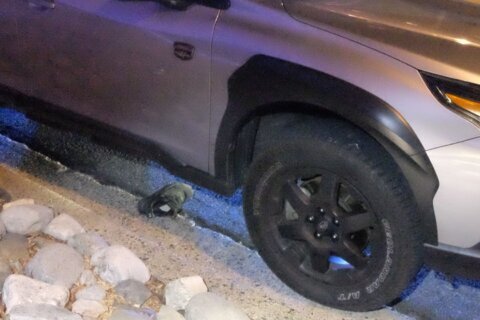
Carballo said ICE officers broke the window of a Langley Park woman’s car with her teenage daughter inside. “Her daughter saw the whole thing. And that’s not only illegal but it’s inhumane,” he said.
The reason for the targeting? About 85% of the neighborhood’s 22,000 residents are from Central America, and some are undocumented, Carballo said. The majority are from El Salvador and Guatemala, along with immigrants from Nicaragua, Honduras and other countries.
Thousands of Latino immigrants moved to Langley Park during the 1970s and 1980s, a time when civil wars were tearing through El Salvador and Guatemala, Carballo said. Now, the community has one of the highest populations of Salvadorans in the U.S.
Carballo himself is an immigrant who escaped El Salvador in the early 1980s after he was arrested for participating in anti-government activities during the nation’s civil war. Fearing persecution under a military government, he was able to get asylum in D.C. before coming to the Langley Park area. He is concerned that Central American immigrants now are being denied the opportunities he received.
Even before he came to work in Langley Park, the area was always a neighborhood of immigrants, Carballo said, stretching back to the 1920s when a British immigrant, Frederick McCormick-Goodhart bought the land where Langley Park now sits.
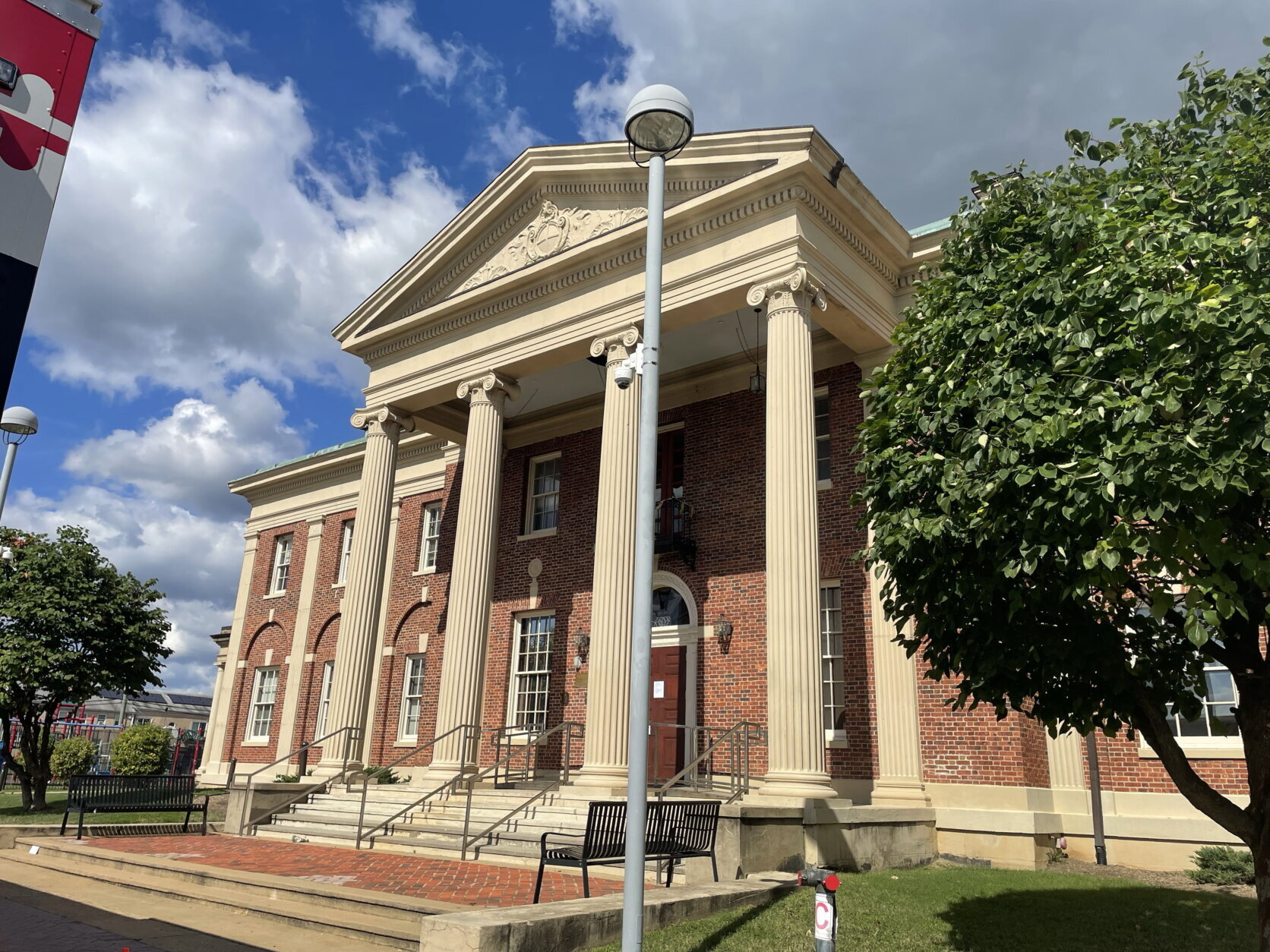
The mining magnate built a 30,000-square-foot mansion, where CASA is now headquartered. Developers built low-cost garden apartments surrounding the mansion, which attracted large groups of immigrants over the past 90 years, from Eastern European Jews to Africans to an influx of Central Americans starting in the 1970s.
Housing, economic strains and fentanyl
While ICE raids are the latest concern for Langley Park residents, the neighborhood has had some longstanding problems that leaders are still addressing.
Carballo said while immigrants were able to find cheaper housing in Langley Park, its housing stock has long suffered neglect. For years, landlords often deferred maintenance and faced few consequences because non-English speaking tenants didn’t have the tools to legally challenge them — leaving some occupants living in deteriorating buildings.
“Drive around here and you can see windows made of cardboard,” Carballo said. “And in the wintertime, that is cruel.”
About 20 years ago, with the help of CASA, which is celebrating its 40th anniversary next month, some tenants organized and fought to improve living conditions, which brought about upgrades in some buildings.
“This is a hardworking area of individuals that want to make their American dreams come true,” Taveras said. But now people are paying $1,700 a month for rent, which is very high for someone making just $15-$20 an hour, she said.
To make ends meet, many people rent out rooms or families double up so they can make rent, causing overcrowding in some buildings.
Taveras has represented different parts of Prince George’s County on the council for 12 years, and now represents Langley Park while living on the edge of the neighborhood. She came to the D.C. area from New York in the early 2000s.
Of Dominican heritage, she says she’s proud to fight for the neighborhood, a community grappling with the same housing and economic struggles she knew growing up as an orphan in one of New York’s Hispanic neighborhoods.
Adding to the economic strains, fentanyl is also eating away at the neighborhood, especially among young people, Taveras said. “It was an onslaught, especially at Northwestern and High Point high schools” where many Langley Park teens attend.
Over the past 10 years, however, “we’ve been able to address the addiction through Narcan,” she said. Legislation and distributing fentanyl detection strips have also helped “because a lot of people didn’t know that what they were taking was laced with fentanyl.”
The Purple Line — hopes and hazards
The Purple Line, MTA’s long-awaited 16-mile light rail stretching from Bethesda to New Carrollton, cuts directly through Langley Park. A 2017 report said few deny that the Purple Line will bring new amenities and services to what researchers referred to as a “long-neglected portion of the county.”
While many in Langley Park welcome better transit access, they also worry it will accelerate gentrification, Carballo said.
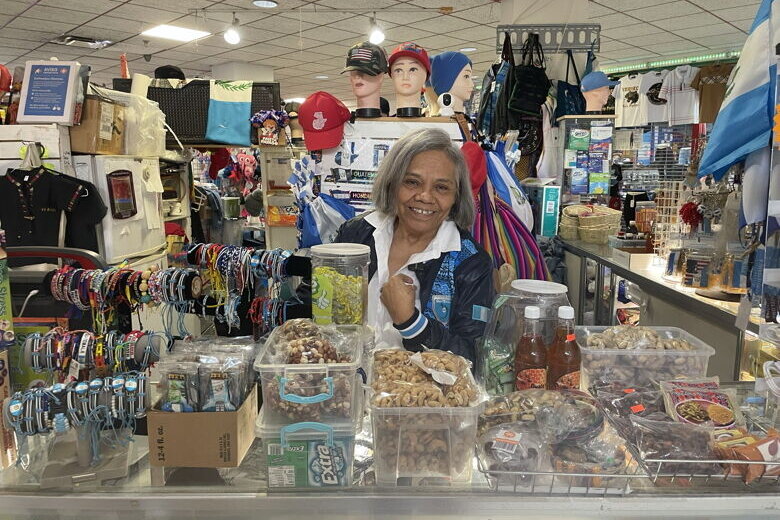
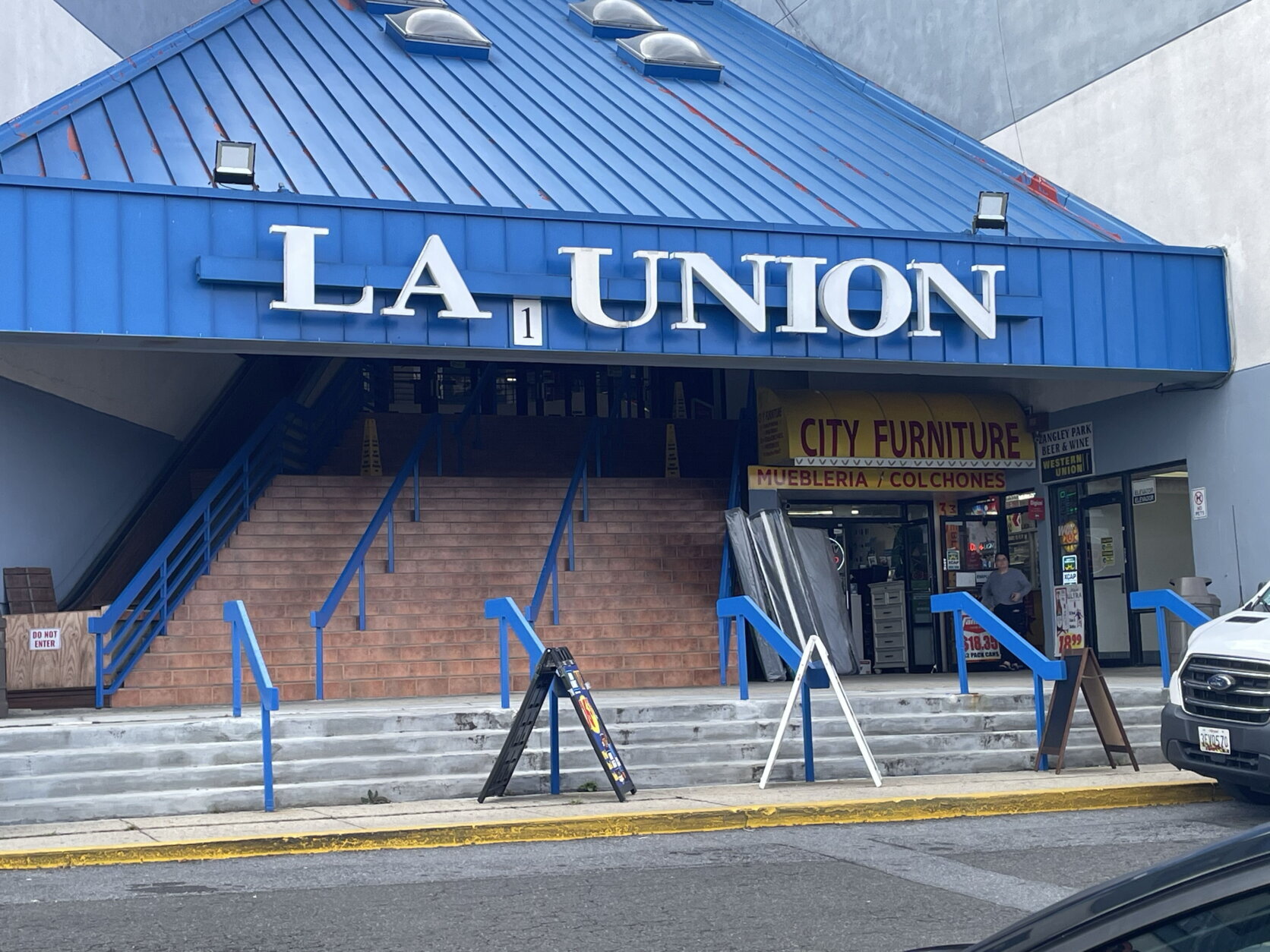
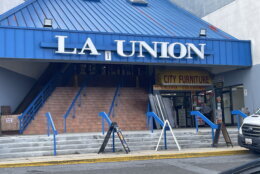
Construction of the line over the past seven years has cut into profits for businesses along the rail’s path, according to Yolanda Brewster, a Guatemalan immigrant who runs the Xelaju kiosk, which sells Guatemalan food, clothes and souvenirs in La Union Mall on University Boulevard.
“First we had the pandemic, which wiped us out,” she said. “Then we had Purple Line construction, which took away business when it became too difficult to travel here. Now it’s like a cemetery — no one comes here anymore.”
Culture helps build community
Despite these challenges, Langley Park endures as a place where families build futures. Carballo of CASA said that, to him, the neighborhood represents “everything positive.”
“It’s a very young neighborhood, right? There are so many kids here, so many people, and that is the future of the United States.”
Del. Taveras agrees on how deeply that spirit runs. “We have children here that are on their way to Dartmouth. We have families starting their businesses, that are extremely entrepreneurial.”
“We have a sense of resilience here, a sense of community here, a sense of culture that is extremely rich and very endearing,” Taveras said.
She said this is especially important to point out during Hispanic Heritage Month, when the U.S. celebrates all things Latino. She remembered celebrations past at Langley Park’s MegaMart Hispanic grocery store, which had a party for Guatemalian Independence Day on Oct. 15 last year that was “so big, it lasted until the next day.
“As somebody who could have lived anywhere, I chose to be here,” Taveras said, “and I’m so proud of where I live.”
Get breaking news and daily headlines delivered to your email inbox by signing up here.
© 2025 WTOP. All Rights Reserved. This website is not intended for users located within the European Economic Area.