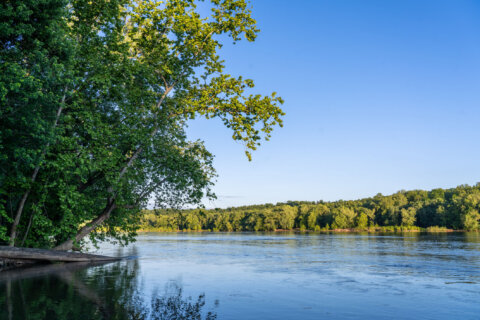
Heading into the summer, environmental advocates are stressing the importance of continued water quality monitoring along the Potomac River, even as months of testing has shown E. coli levels are back to normal following January’s massive sewage spill.
It’s been two months since D.C. Health lifted its recreational advisory on the Potomac River, citing weeks of testing where the water stayed in a safe range for recreational use, according to standards set by the U.S. Environmental Protection Agency.
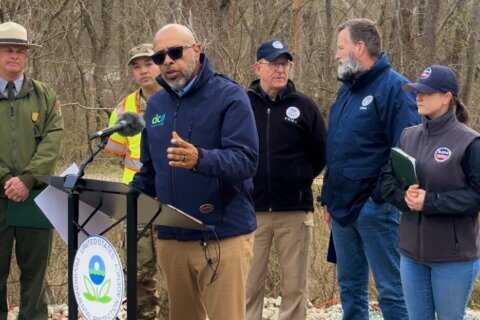
Potomac Riverkeeper Dean Naujoks called the improvement “a very positive sign,” but said the work isn’t finished. He said water quality testing needs to continue, and extend beyond surface samples.
A section of the Potomac Interceptor sewer pipe along Clara Barton Parkway, inside the Capital Beltway, collapsed Jan. 19, sending more than 240 million gallons of wastewater into the Potomac River.
Naujoks said the Potomac Riverkeeper Network recently surveyed more than 600 adults.
“Forty percent of the public that responded to our poll says they were willing to come back to the river and use the river,” Naujoks said. “But 99% said they wanted to see ongoing water quality monitoring, not just at the spill site, not just in D.C., but the entire river.”
In March, the EPA took over water quality sampling from D.C.’s Department of Energy and Environment. But according to the EPA’s website, as of April 15, that testing was expected to end May 1. WTOP is seeking verification from the agency that testing has ended.
D.C. Water told WTOP it will continue posting results from its 5‑day‑a‑week water quality testing, conducted at locations from Old Angler’s Inn, upstream of the collapse, to National Harbor in Prince George’s County, Maryland.
Naujoks said fecal bacteria could still be present in river sediment in areas where people swim and play, even if surface water appears clean.
“Places like Three Sisters (Islands), or National Harbor, or even all the way down at Colonial Beach, where people are literally putting toes in the sand, they want to know if it’s safe — and that’s why the ongoing monitoring is very, very important,” Naujoks said.
To meet that demand, the Riverkeeper’s water quality monitoring program is expanding this season from 28 sites to 37, Naujoks said, in direct response to the spill and increased community interest from people living downriver.
The program will test water quality from May 13 through September, Naujoks said.
Naujoks said the Maryland Department of the Environment is committed to ongoing testing, and the Virginia Department of Environmental Quality and the Virginia Department of Health will also conduct monitoring on the Virginia side of the river.
As summer approaches, with continued drought conditions and low water flow, Naujoks said there’s a risk of algae blooms and fish kills, especially as water temperatures rise in June and July.
For people planning to get on the river, Naujoks pointed to a free app called Swim Guide, which provides weekly updates on whether specific locations are safe for recreation and human contact.
Get breaking news and daily headlines delivered to your email inbox by signing up here.
© 2026 WTOP. All Rights Reserved. This website is not intended for users located within the European Economic Area.