Here are ways to cultivate a productive working environment and make your workspace one you want to spend time in.
Get down to business.
Whether you’re embracing your work-from-home options or your kids are buried in seemingly endless homework, an office space is becoming a growing necessity in almost any home. While home offices were once closed off from the rest of the house with a hodgepodge of furniture and filing cabinets, they’re taking on a new role in home design. “Now it’s much more thought out,” says Kerrie Kelly, creative director of Kerrie Kelly Design Lab in Northern California and a home design expert for real estate information company Zillow. Read on for ways to cultivate a productive working environment and make your workspace one you actually want to spend time in.
Let it fit with the rest of your home.
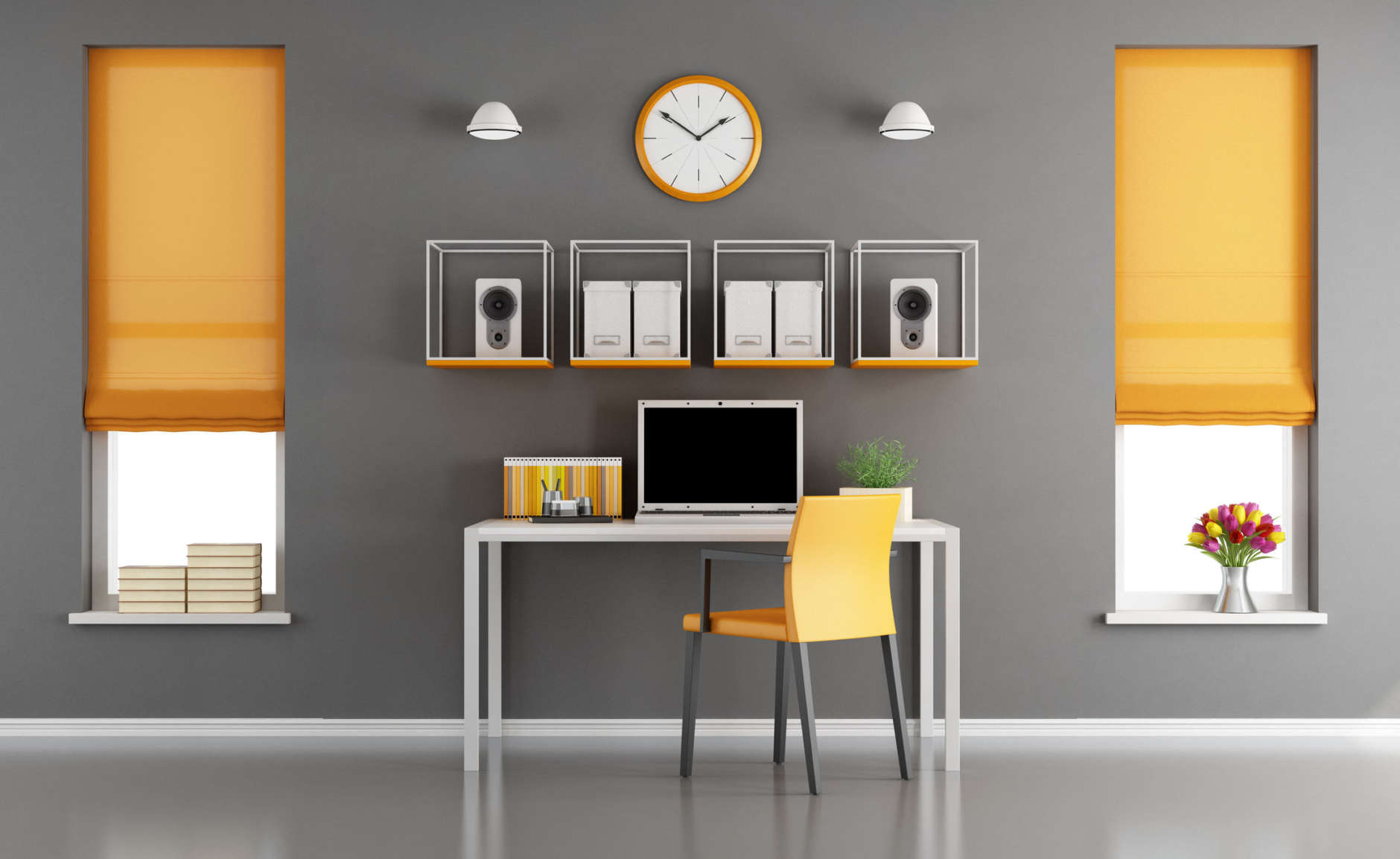
Physics homework may not be your idea of a perfect afternoon, but it doesn’t mean the space you complete it in has to make it feel worse. Rather than an office or study space being completely closed off, Kelly says the trend is to allow the rest of the house’s aesthetic to flow into the room — a classic design with chandeliers in the main rooms doesn’t have to revert to an old, green office lamp in the work space. “We do install the chandelier, but then we have the under-cabinet task lighting or the desk lamps,” Kelly says. And while the space certainly has the desk, shelves and printer you need to get things done, you can have a comfortable upholstered chair rather than a typical office chair.
(Thinkstock)
Thinkstock
Consider how you work best.
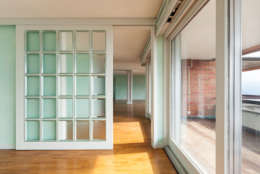
A good home office or study space encourages you to be as productive as possible, so in designing it, consider how you function best. Need perfect silence to get anything done? J.B. Sassano, president of Mr. Handyman, a national home improvement company that’s part of the network of home service providers Neighborly, recommends replacing the standard interior door — which is often made of plastic or is hollow. “Noise can get filtered through there a lot, so if you really want a quiet place, you may look at switching out your doors to a solid wood door — it may insulate the area better,” Sassano says. If you work better being able to engage with others in the house periodically, Kelly recommends a sliding barn door that you can keep open most of the time, but close off when you need privacy.
(Thinkstock)
Thinkstock
Keep room options open.
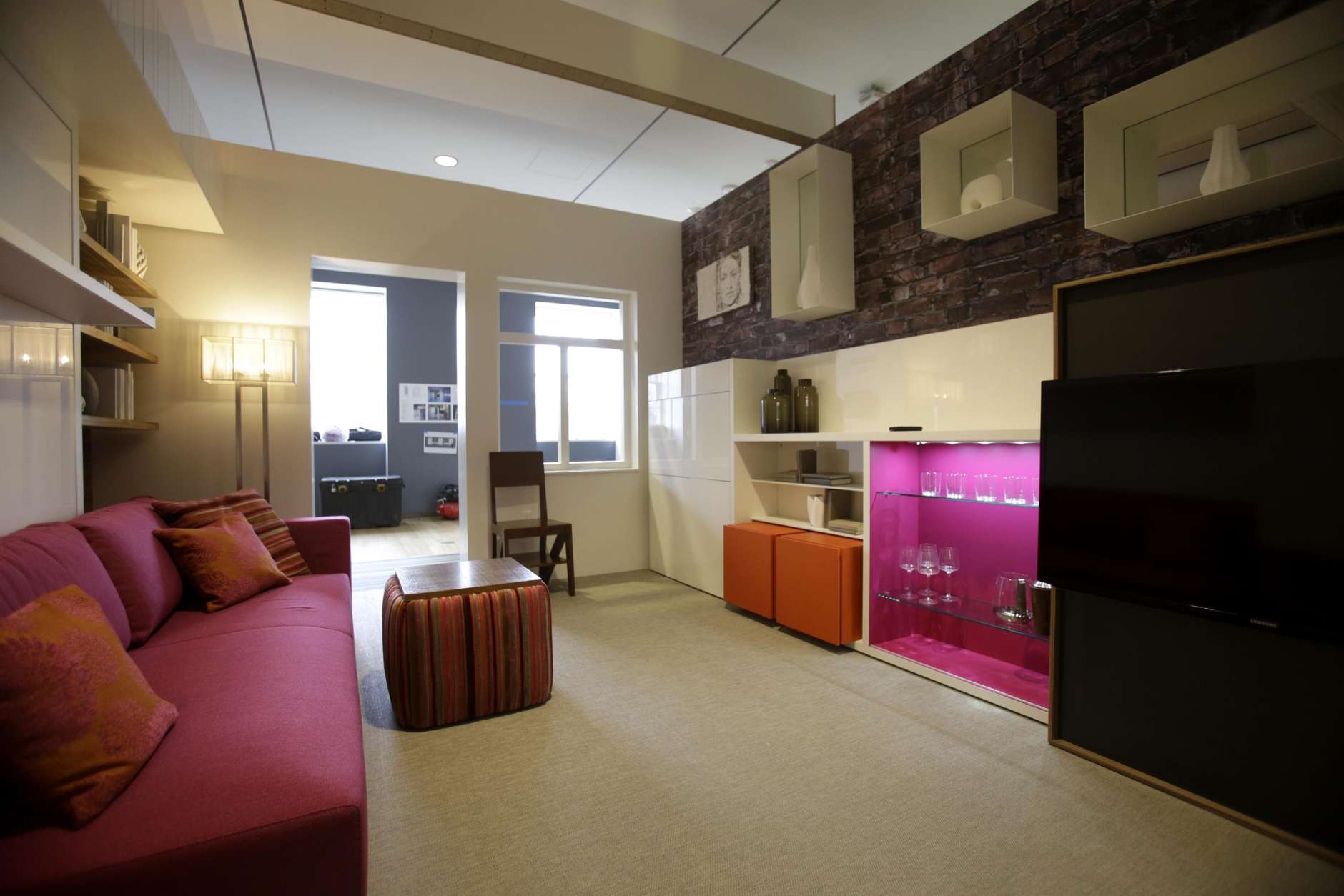
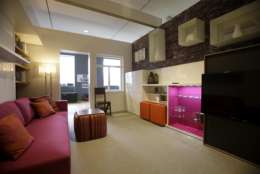
You may not have a room you can easily dedicate to an office or study area, but that shouldn’t limit your ability to make the space feel professional when necessary. Kelly says a guest bedroom can serve multiple purposes, for example. A Murphy bed, which folds down from the wall or closet, with built-in side cabinets or a modern secretary that folds up make it “so that things can be closed off and a room can have multiple uses,” she says.
(AP Photo/Seth Wenig)
AP Photo/Seth Wenig
Embrace multifunctionality.
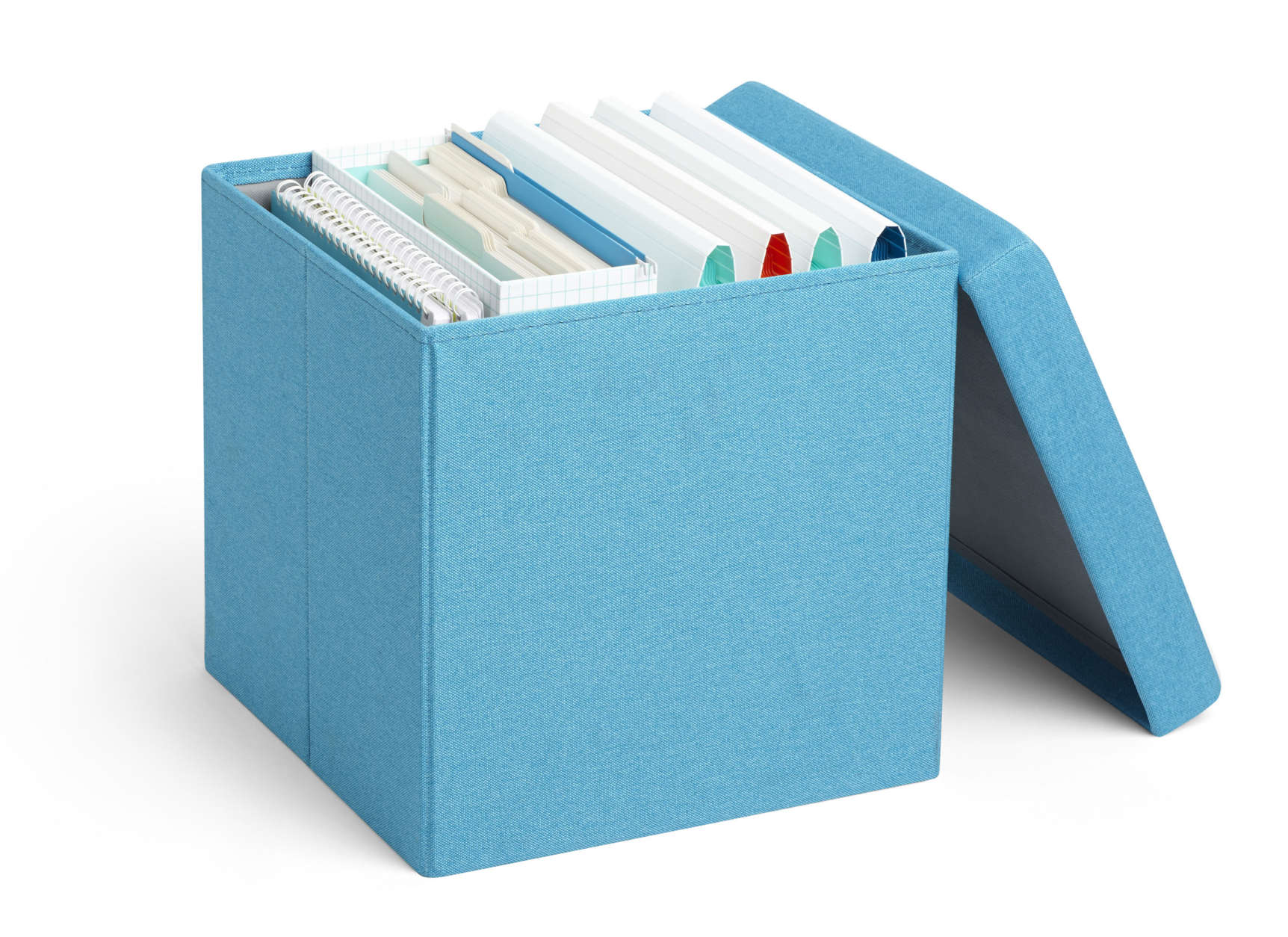
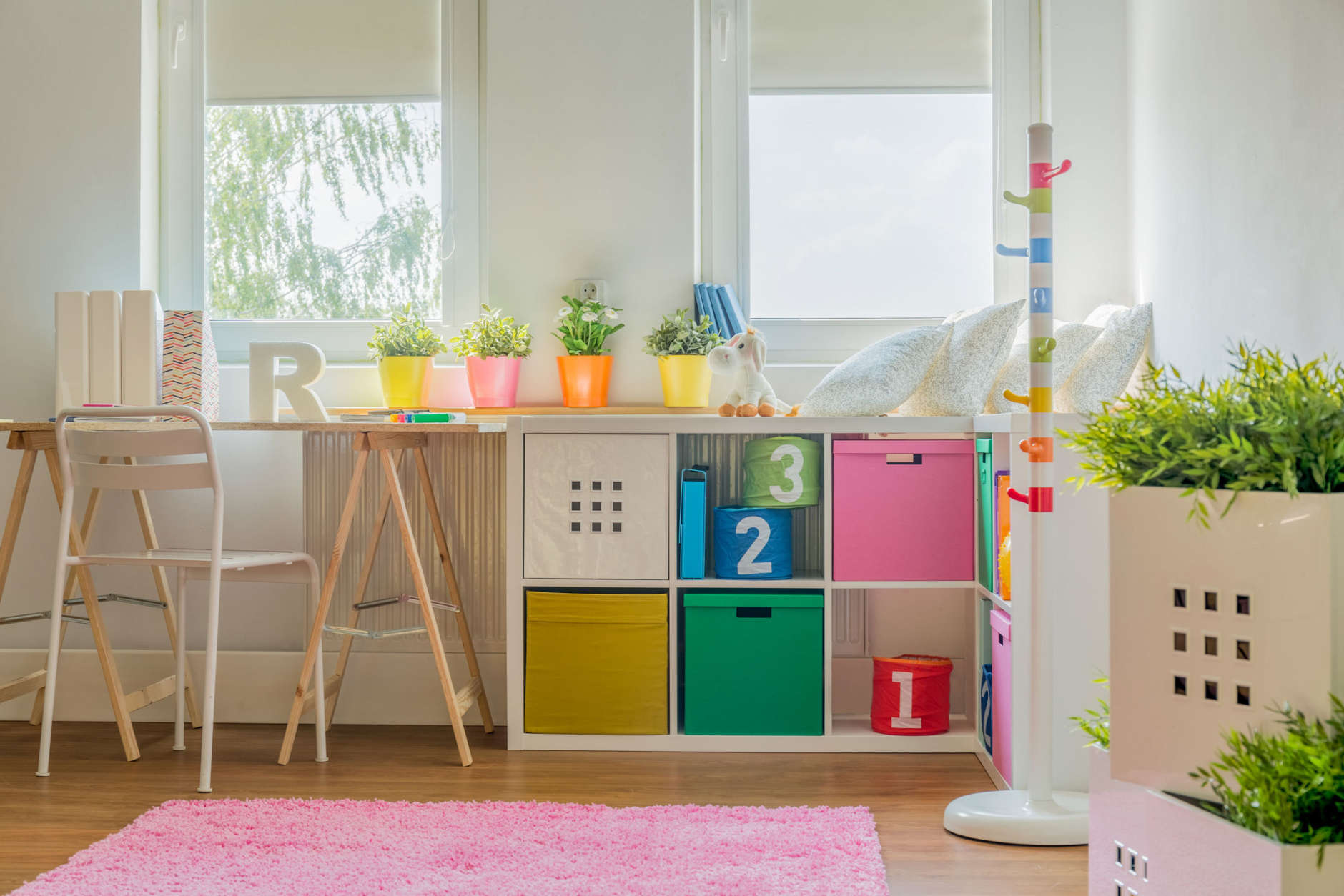
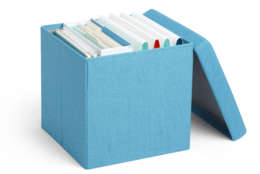
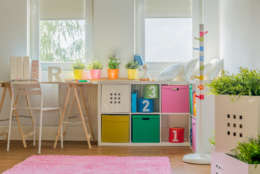
As with bedrooms, allow for multifunctional furnishings in your office space. Rather than resigning to your standard filing cabinet for records, printouts or old tests and study materials, Kelly offers a cozier option: “It can even be more of a built-in seat situation that has a flip top, and you can have all your filing within that built-in seat. And put a cushion top on, and it becomes a reading nook as well — so we have comfort as well as functionality at the same time.”
(Poppin via AP)
Poppin via AP
Look for your best lighting.
Staring at a computer or book for an extended period can wreak havoc on your eyes, which is why it’s key to install the right lighting to help you focus and avoid damaging your eyesight. Mark Farmer, owner of Mr. Electric of Kansas City South, also a part of the Neighborly family of companies, says graphic designers or others who need to see color rendering clearly benefit best from a brighter, white light, measuring about 5,500 kelvins. However, many residents request a slightly warmer light in their home office, which is more relaxing — around 3,500 kelvins, Farmer says. The kelvins should appear on the bulb box, listed with the measurement followed by “K.” “We recommend they go to some lighting showrooms and look side by side and check for what kind is appealing to them,” he says.
(Thinkstock)
Thinkstock
Focus on light fixtures, too.
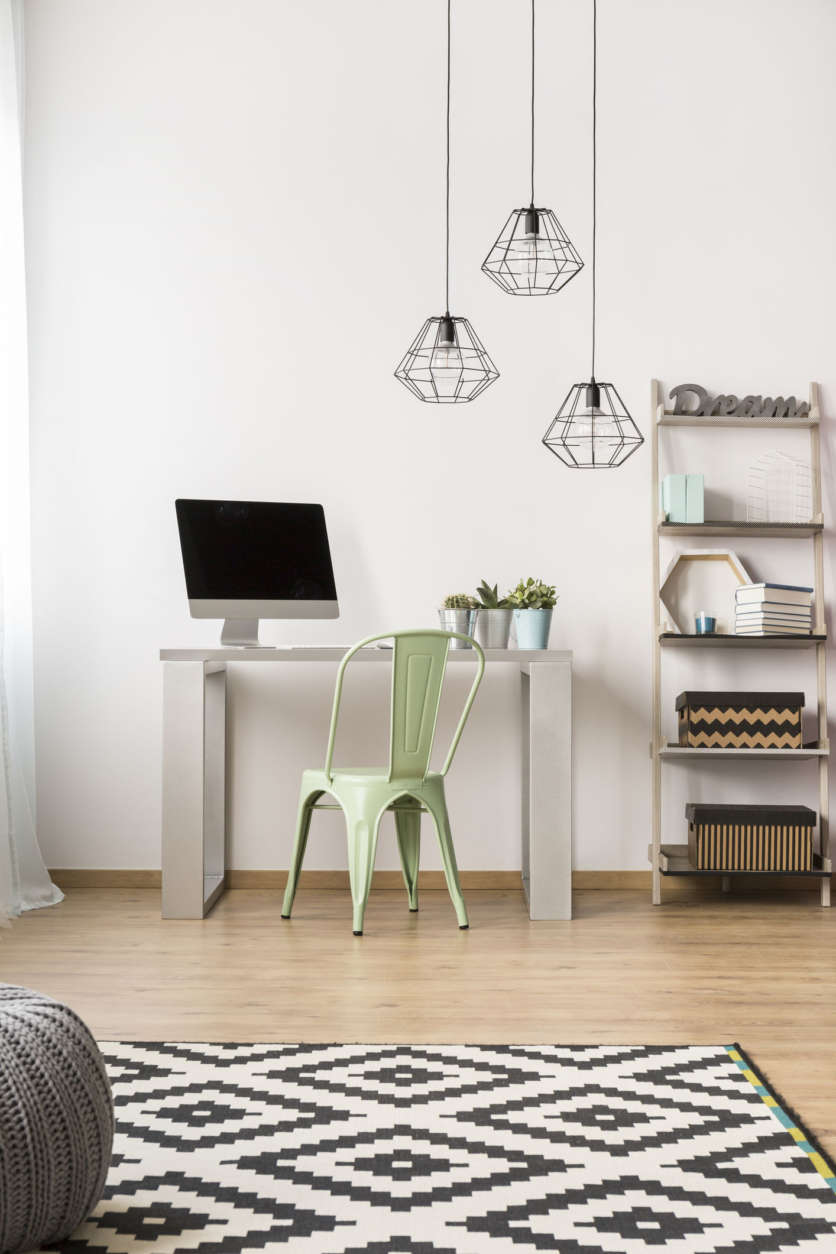
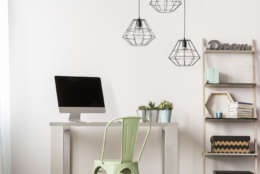
Lightbulb choice is easy for homeowners to change themselves, but you may benefit from additional lighting fixtures as well, which typically requires the help of a professional to install. Farmer says recessed can lights are popular in home offices, but for people frequently working on the computer, a solid option is indirect lighting in the form of cove lighting, which is a strip of lights along the perimeter of the ceiling, or pendant lights. “They don’t necessarily shine down; they shine up,” Farmer says. “And that indirect lighting really helps with the glare [on the screen].”
(Thinkstock)
Thinkstock
Ensure you’ve got a strong signal.
Since most professionals and students are on a computer more often than not, you want to make sure your internet signal is strong in the office space. Rather than basing your study spot location on proximity to the Wi-Fi router, you can strengthen your signal with a Wi-Fi booster, repeater or extender. These devices, available in online marketplaces like Amazon or just about any big-box store, extend your internet’s coverage and signal. “It just plugs into an outlet and connects to your current Wi-Fi,” Sassano says.
(Thinkstock)
Thinkstock
Create better storage options.
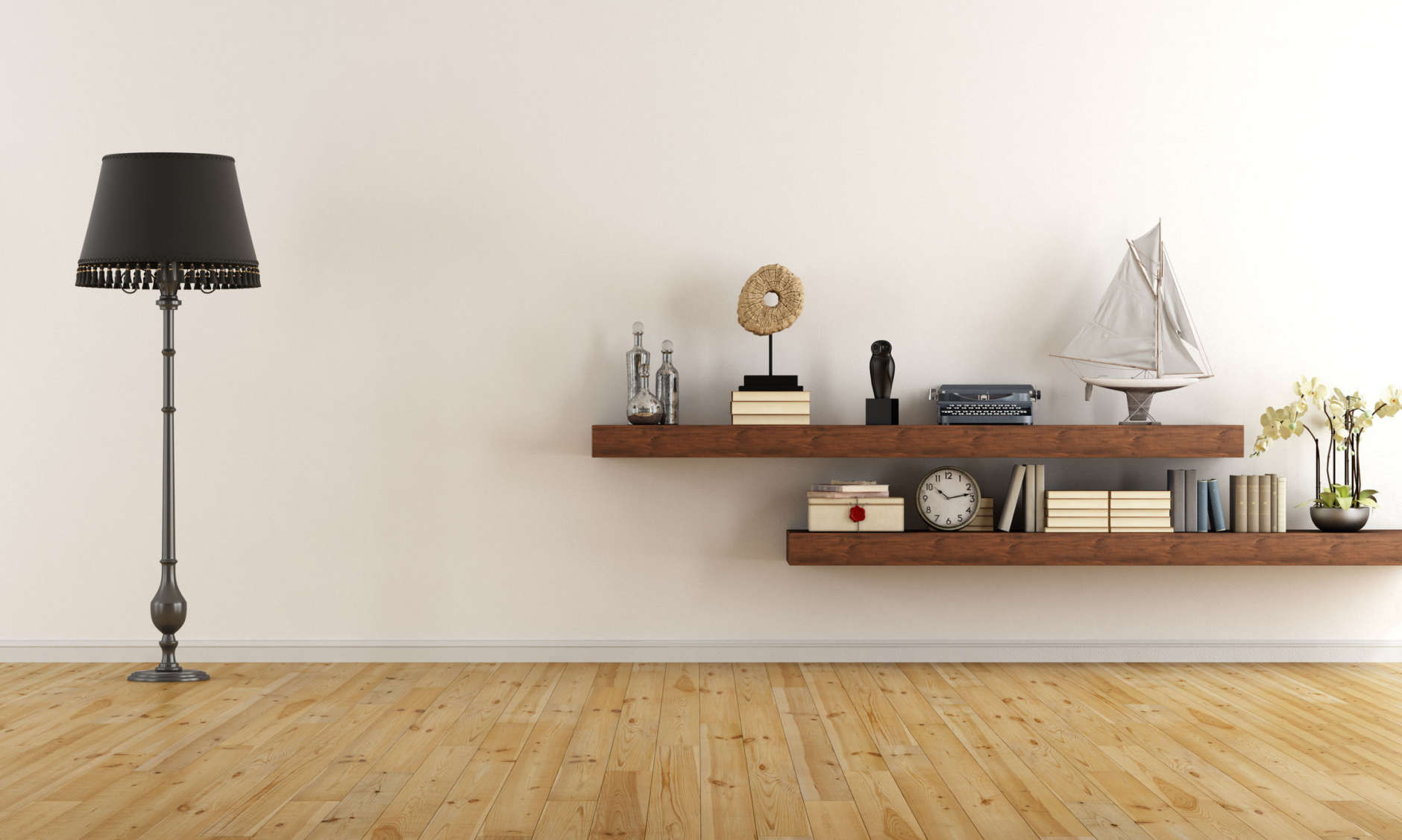
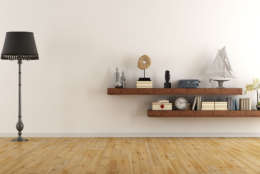
Bookshelves — whether they’re a flat-pack weekend project from Ikea or a custom built-in — are likely on your list of furnishings for your office. But when you’re lacking floor space, Sassano recommends installing floating shelves to take advantage of empty wall space. Decide if you’ll install the shelves by finding studs in the wall, or if you’ll use a wall anchor like a molly bolt. As you consider your options, Sassano stresses that you have to consider how much the shelf will be holding. “It’s not just the weight of the shelf, it’s also the weight of what you’re going to put on the shelf,” he says.
(Thinkstock)
Thinkstock
Hide equipment.
There’s no reason you have to keep less-attractive pieces of office equipment on display. Printers, staplers and organizational equipment can find a new home in that empty closet in the guest bedroom now doubling as your office, for example. “Those clunky items can be kept behind a closet door or be tucked into a desk without the cords and all the drama associated with it,” Kelly says. “It’s a much more seamless, beautiful installation because of the advancements in technology.”
(Thinkstock)
Thinkstock
Keep an eye on cords.
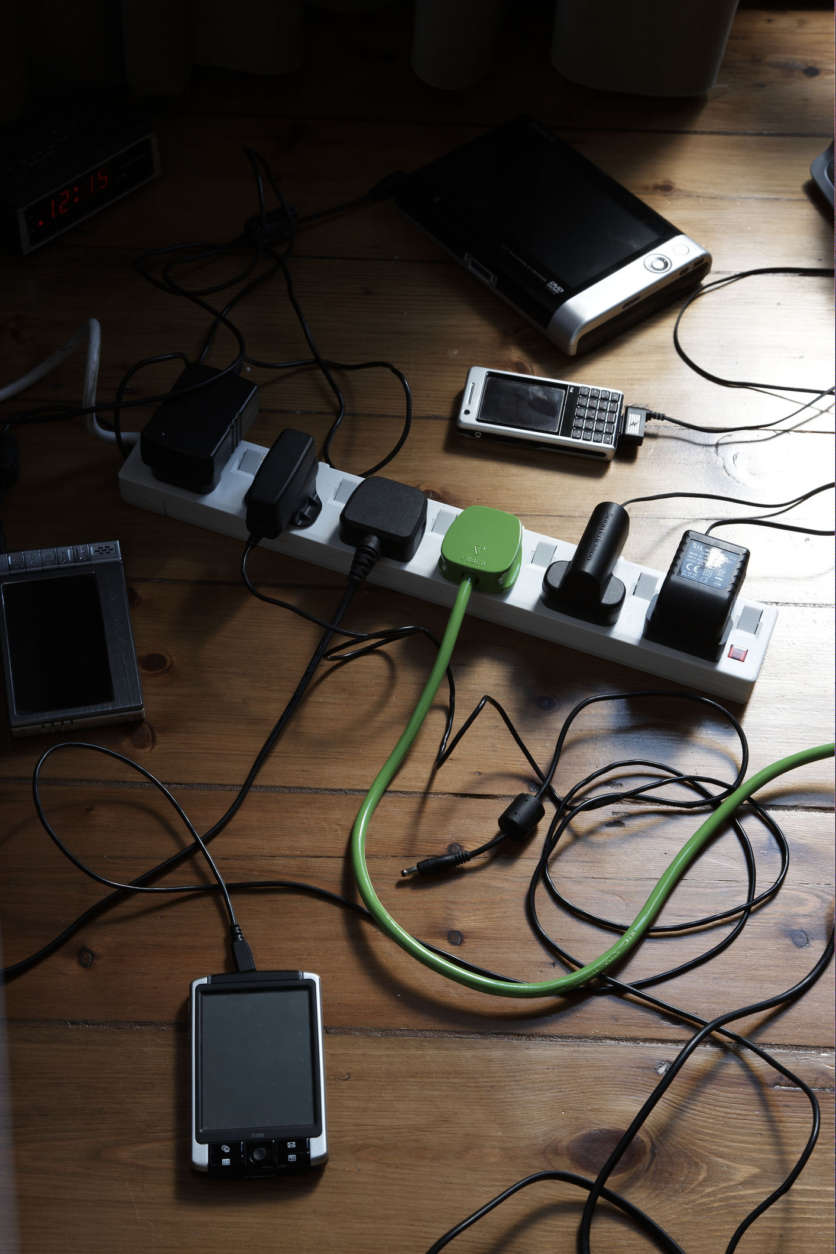
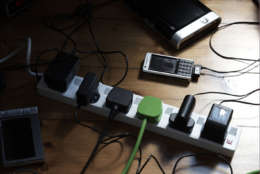
For the cords that are still necessary, be careful not to overload outlets or get carried away using extension cords and power strips. “Those are the types of things that can cause a fire hazard if they’re overloaded or they’re not installed properly,” Farmer says. Look at the outlets in the room to see if they’re grounded or not — a three-prong outlet is more likely grounded and will be less likely to cause problems, but a two-prong outlet isn’t grounded. In that case, Farmer recommends having a pro come out and draw up a plan for grounding circuits and even adding more outlets to provide easier access to electricity in a safe way.
(Thinkstock)