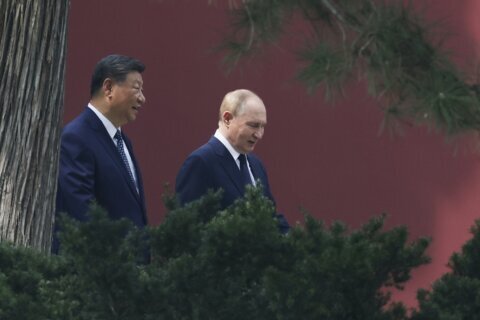
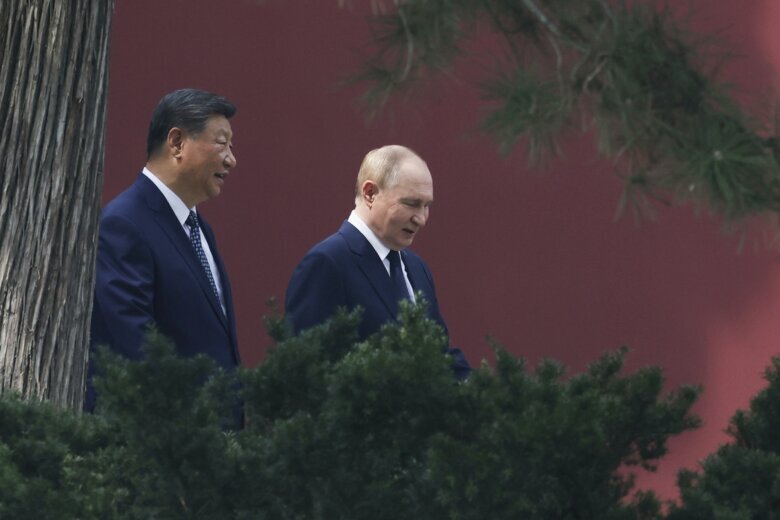
North Korean leader Kim Jong Un has arrived in Beijing, joining Xi Jinping and Vladimir Putin for a military parade marking the 80th anniversary of the end of World War II.
It is the first time all three will stand together in public. The image is unmistakable: a united front of strongmen casting themselves as an alternative to U.S. power.
The parade follows the Shanghai Cooperation Organization summit in Tianjin, where Xi pledged billions in loans and aid, pushed for a new development bank, and urged members to adopt China’s satellite and energy systems. This is economic power wielded as a weapon. Xi is offering an escape hatch from U.S. dominance, knitting countries into Beijing’s orbit with cash and technology.
Washington, meanwhile, is weighed down by sweeping global tariffs and political turmoil at home.
President Donald Trump’s administration’s trade wars have alienated partners from Europe to Asia. Sanctions on India, Russia and China have pushed them closer together. At the same time, domestic strife and partisan paralysis have left the U.S. looking distracted and divided. Beijing has used that vacuum to present itself as the stable alternative, rallying dissatisfied nations into its camp.
Russia, facing Western sanctions, is leaning hard on China. Reports of a new gas pipeline deal show how Putin is using Xi as a lifeline. India’s Narendra Modi, appearing alongside Putin, signaled his intent to remain independent. But his presence alone gave Xi cover to claim legitimacy as leader of a rising bloc.
The optics are just as striking as the deals. Putin and Modi clasping hands in Tianjin. Kim is standing with Xi and Putin in Beijing. It sends one message: “It’s us against you.”
For Washington, this is a warning flare. While the U.S. wrestles with tariffs, sanctions and domestic division, Xi is seizing the stage, pulling partners closer and presenting China as the center of gravity in a new multipolar order.
It’s important to note that today’s global battle for dominance is not only fought with bombs and bullets. It is fought with summits, parades, handshakes and alliances. And if the U.S. fails to grasp that, it risks being outflanked.
Get breaking news and daily headlines delivered to your email inbox by signing up here.
© 2025 WTOP. All Rights Reserved. This website is not intended for users located within the European Economic Area.