A nonprofit is pushing back on an emergency proposal to demolish historic buildings on the site of the Department of Homeland Security headquarters in Southeast D.C.
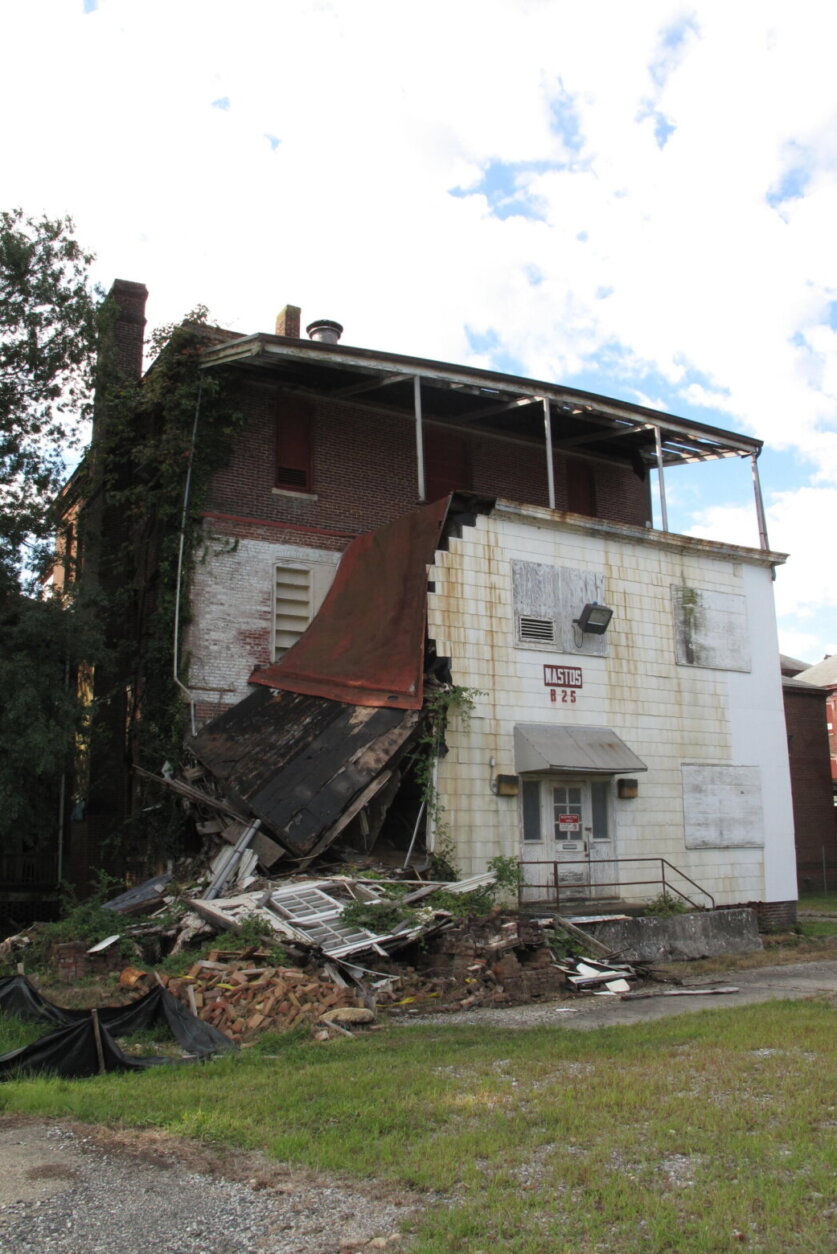
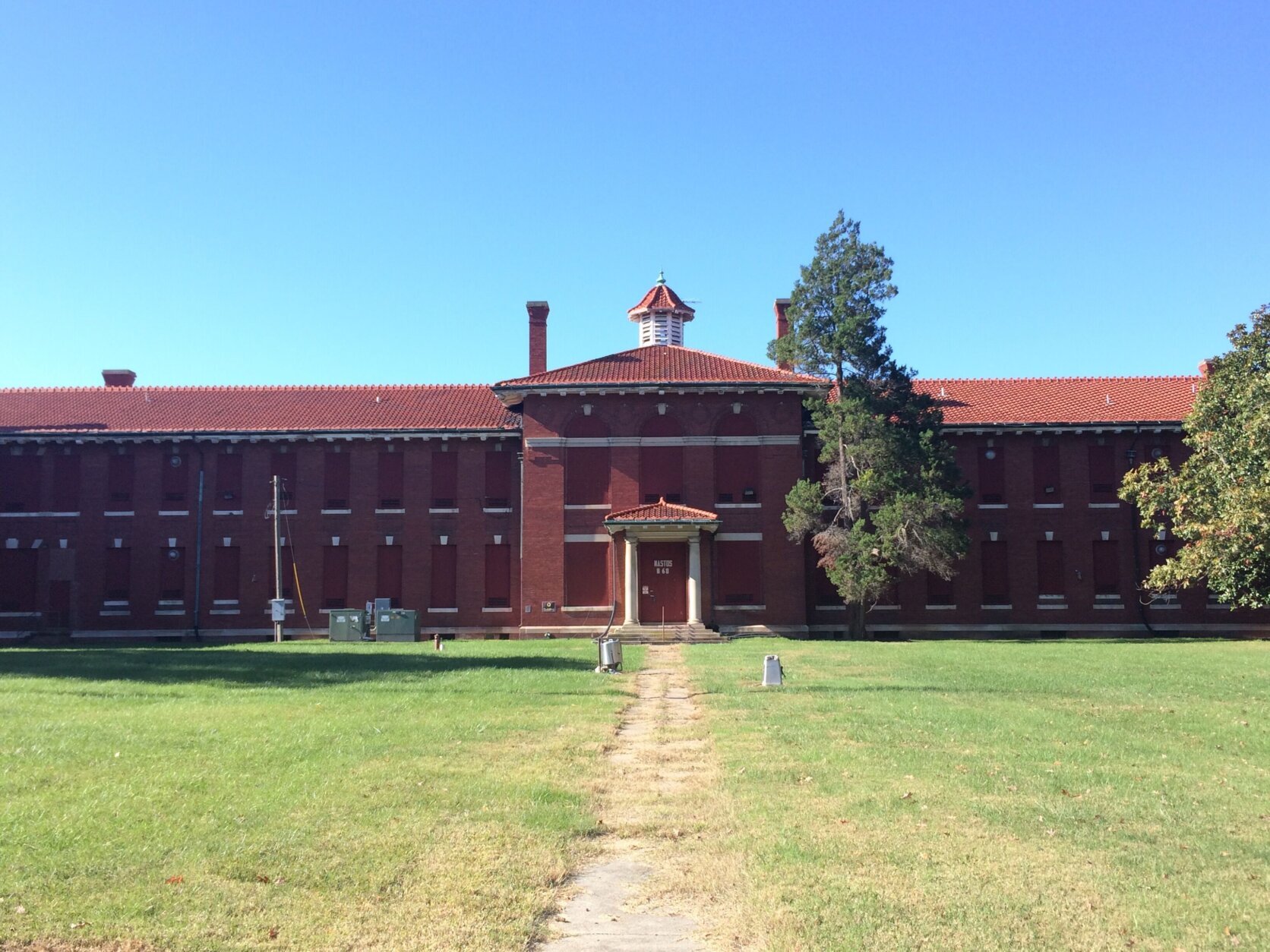
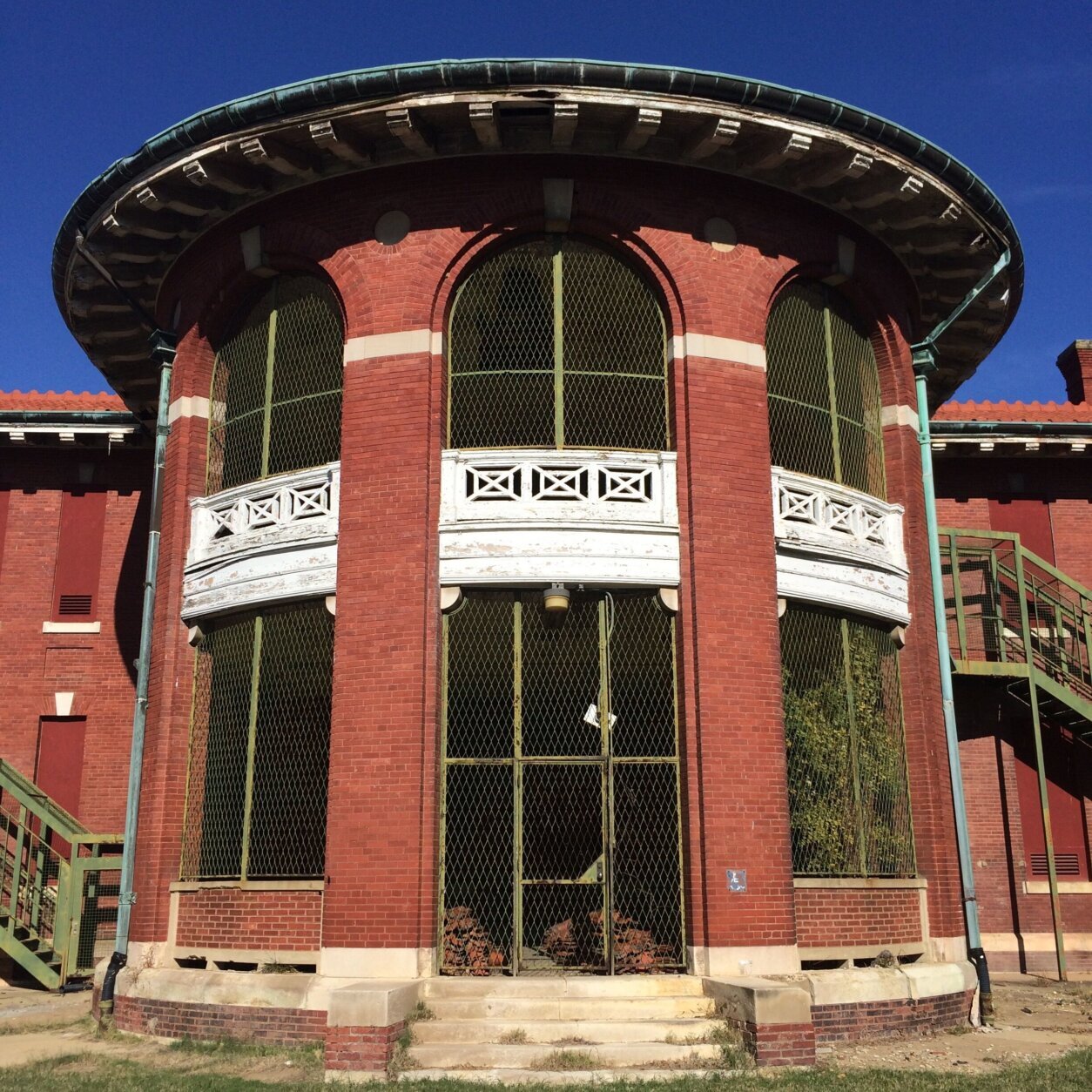
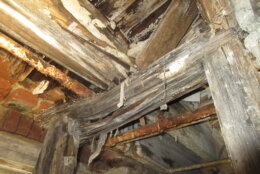
In mid-December, Homeland Security Secretary Kristi Noem issued an emergency declaration to demolish 17 vacant buildings on the St. Elizabeths West Campus, which houses the agency’s headquarters. In a memo sent to the General Services Administration, Noem called the proposal necessary to “prevent the loss of life and property.”
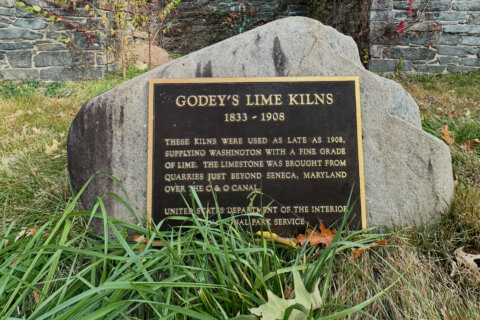
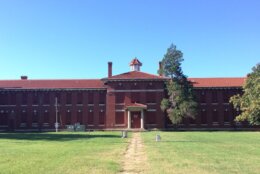
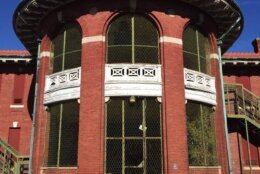
Robert Kirkbride, spokesperson and a founding trustee for PreservationWorks, told WTOP the nonprofit objects to Noem’s declaration to the GSA, saying the buildings are part of a national historic landmark. St. Elizabeths Hospital opened in 1855 and was the first federally operated psychiatric hospital in the U.S.
“These are structures that are part of American heritage,” Kirkbride said, who added that they were built “according to the humanitarian ideals of beauty as therapy.”
Following the law
The campus was designated a National Historic Landmark in 1990. Kirkbride said the buildings and the surrounding landscape fall under that designation.
Any changes must follow the process outlined in the National Historic Preservation Act. According to the GSA’s website, during projects that may affect landmarks, a federal agency must notify the appropriate parties, identify properties that may be affected by the project, assess the effects of the changes, and look for alternatives to mitigate impacts on historical resources.
The Washington Post reported the GSA notified D.C. Mayor Muriel Bowser’s office on Dec. 23, with Noem’s memo and a Dec. 19 safety assessment report.
However, DHS failed to demonstrate full compliance with the law, Kirkbride said, arguing that it did not allow a full public review. The emergency declaration came before the Christmas holiday, leaving less time to review it before the end of the year.
The public was not allowed to consider adaptive reuse plans for the buildings or to question any ecological issues in the demolition plans, he said. This includes making sure not to damage the site’s trees.
“There was virtually no window for any public review or commentary on these proposals, which, of course, is strategic,” Kirkbride said. “We demand that there is meaningful public engagement in the process of this review in order to evaluate alternatives.”
In a statement to WTOP, GSA Associate Administrator for Strategic Communications Marianne Copenhaver said the agency is following “all applicable laws and regulations” regarding the property at the St. Elizabeths campus.
Security risk concerns
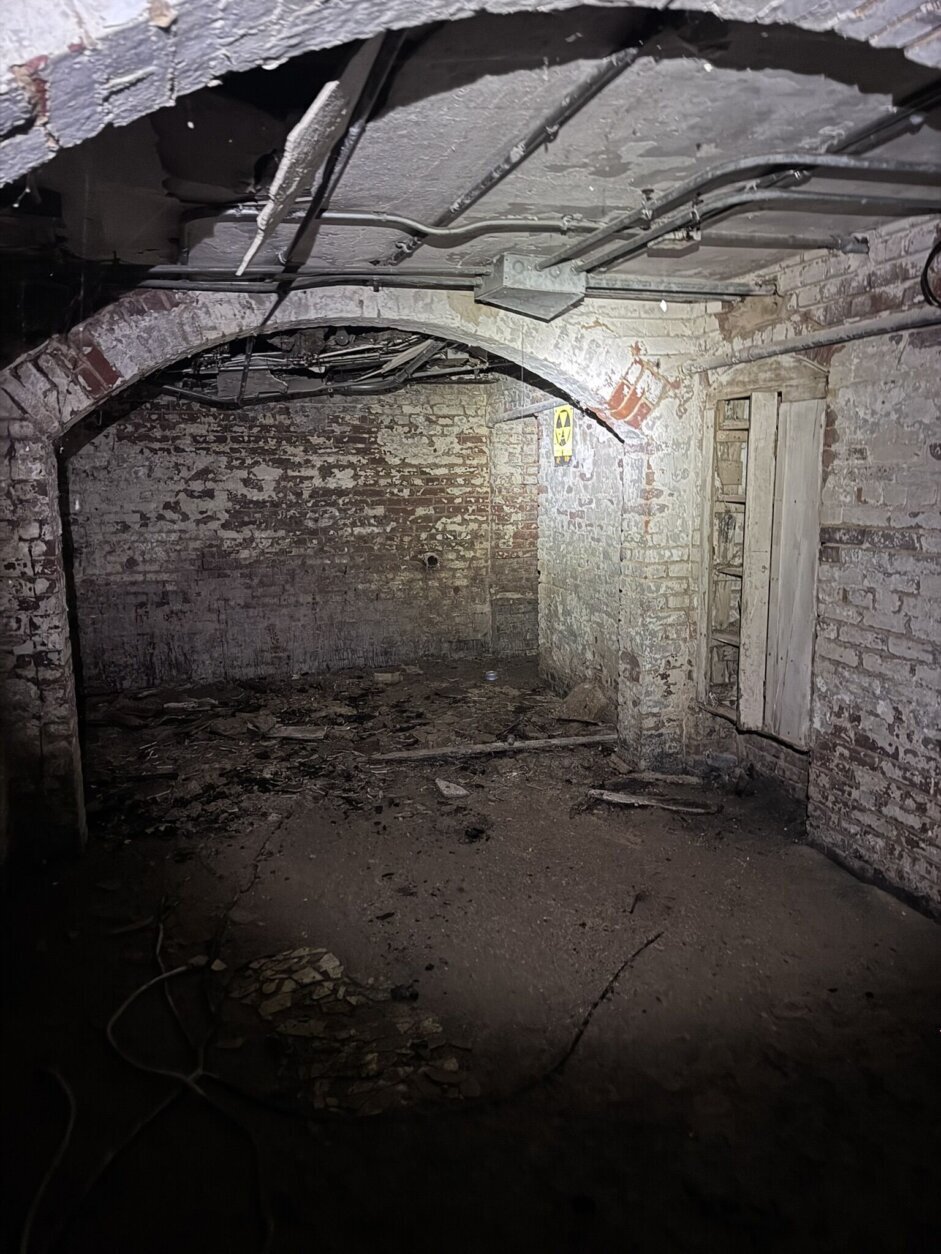
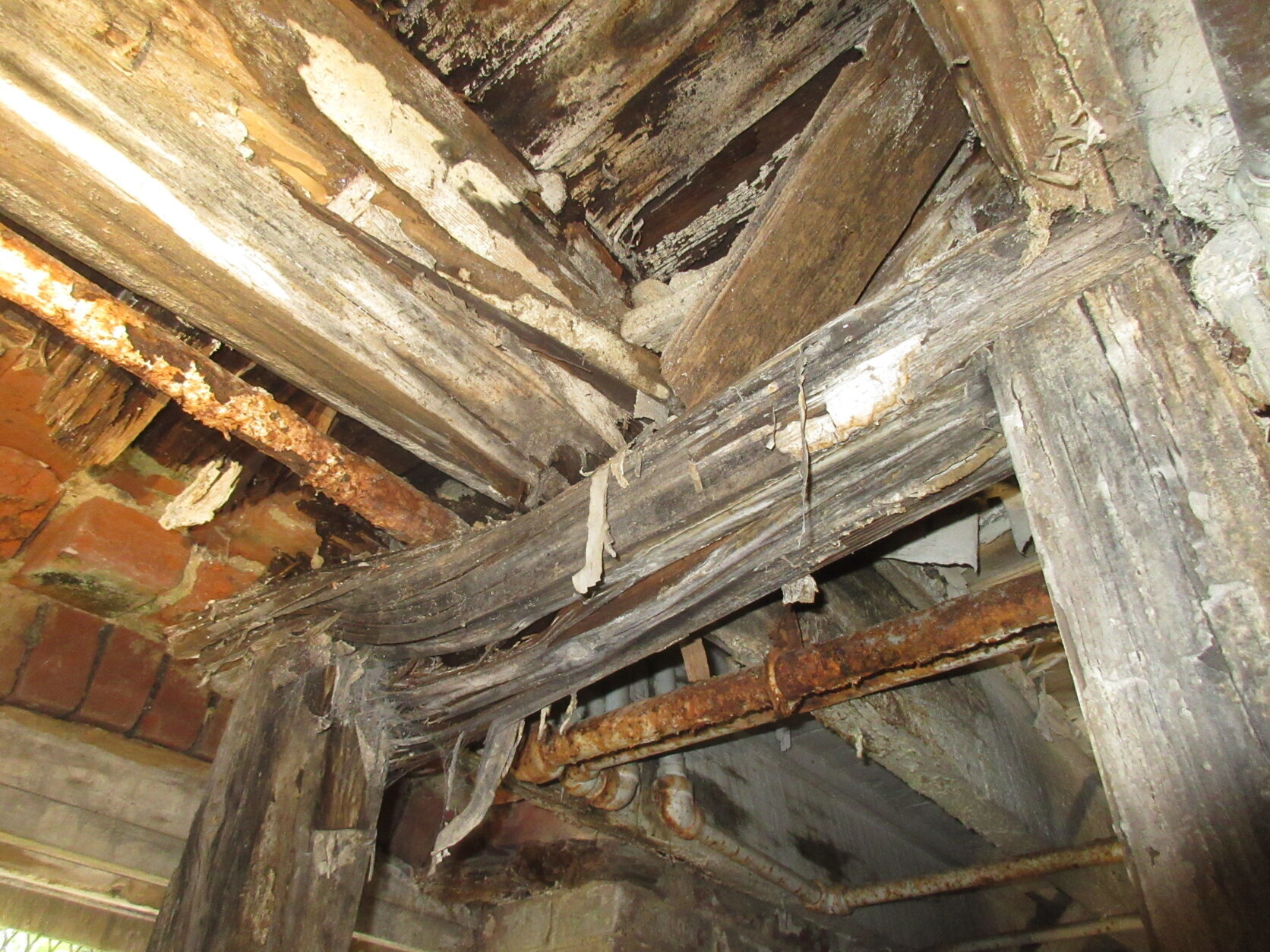
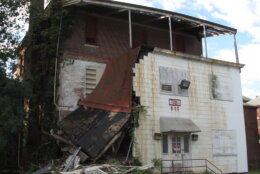
In a security and safety risks assessment, DHS described the structures as “old, vacant, dilapidated buildings” located in the middle of the campus and along the perimeter. The assessment added that their presence can be exploited by “an insider to stage a sniper attack.”
In a statement to WTOP, DHS Assistant Secretary for Public Affairs Tricia McLaughlin said Noem’s emergency proposal is about safety. She added that the agency’s security and safety assessments found the buildings on the property pose security and emergency response risks.
“Several of these structures cannot be safely accessed or cleared by law enforcement or first responders, creating security blind spots adjacent to senior leadership and critical operations,” McLaughlin said. “Demolition is the only permanent corrective action that eliminates these.”
However, Kirkbride said it is concerning that the agency is raising security concerns, as the campus is a walled site.
“It’s a bit of a silly ploy, and also self-damning,” Kirkbride said.
With all the renewed attention surrounding the site’s future, Kirkbride said officials should pause the emergency declaration until the National Historic Preservation Act is properly followed and both sides work together to determine what’s best for the site.
He called DHS’s emergency declaration a “repeated motif” seen with the Trump administration’s construction of a new ballroom at the White House. He said he hopes the same does not happen at St. Elizabeths.
“The use of emergency is now simply a new wrinkle that they’re using, that they’re going to use repeatedly, unless we put the brakes on undemocratic behavior, illegal behavior,” Kirkbride said.
WTOP reached out to the mayor’s office and D.C.’s Office of Planning for comment.
Get breaking news and daily headlines delivered to your email inbox by signing up here.
© 2026 WTOP. All Rights Reserved. This website is not intended for users located within the European Economic Area.