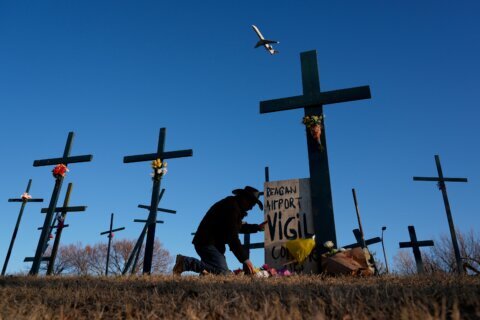
On the anniversary of the D.C. plane crash that claimed the lives of 67 people, WTOP takes a look back in our series “Disaster on the Potomac, 1 year later” — and the changes that followed in its aftermath. Find it this week on air and here on WTOP.com.
Nearly one year ago, on Jan. 29, 2025, the capital region and the nation watched with shock and confusion as an American Airlines regional jet collided midair with an Army Black Hawk helicopter that was on a training exercise.
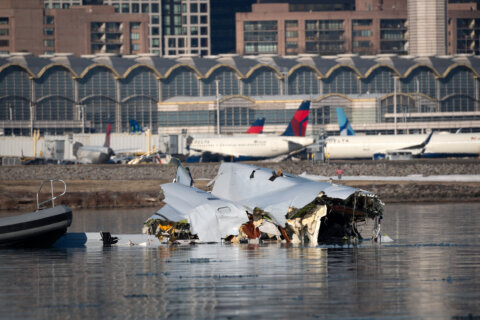
While most watched the tragedy in the aftermath from phone screens and television, D.C. Police and Fire and EMS’ divers and crew members had to sift through the wreckage in the icy Potomac River.
D.C. Fire and EMS Chief John Donnelly said he was driving home from a meeting that night when he heard a fire boat calling in, initially saying there was a helicopter crash at Reagan National Airport.
Ten minutes later, a fire boat reported that it smelled like jet fuel, and they had found a wing and four victims. That’s when he immediately turned around to head to the airport.
“A few minutes later, there was some confirmation it was a commercial aircraft,” Donnelly told WTOP. “That’s a big deal.”
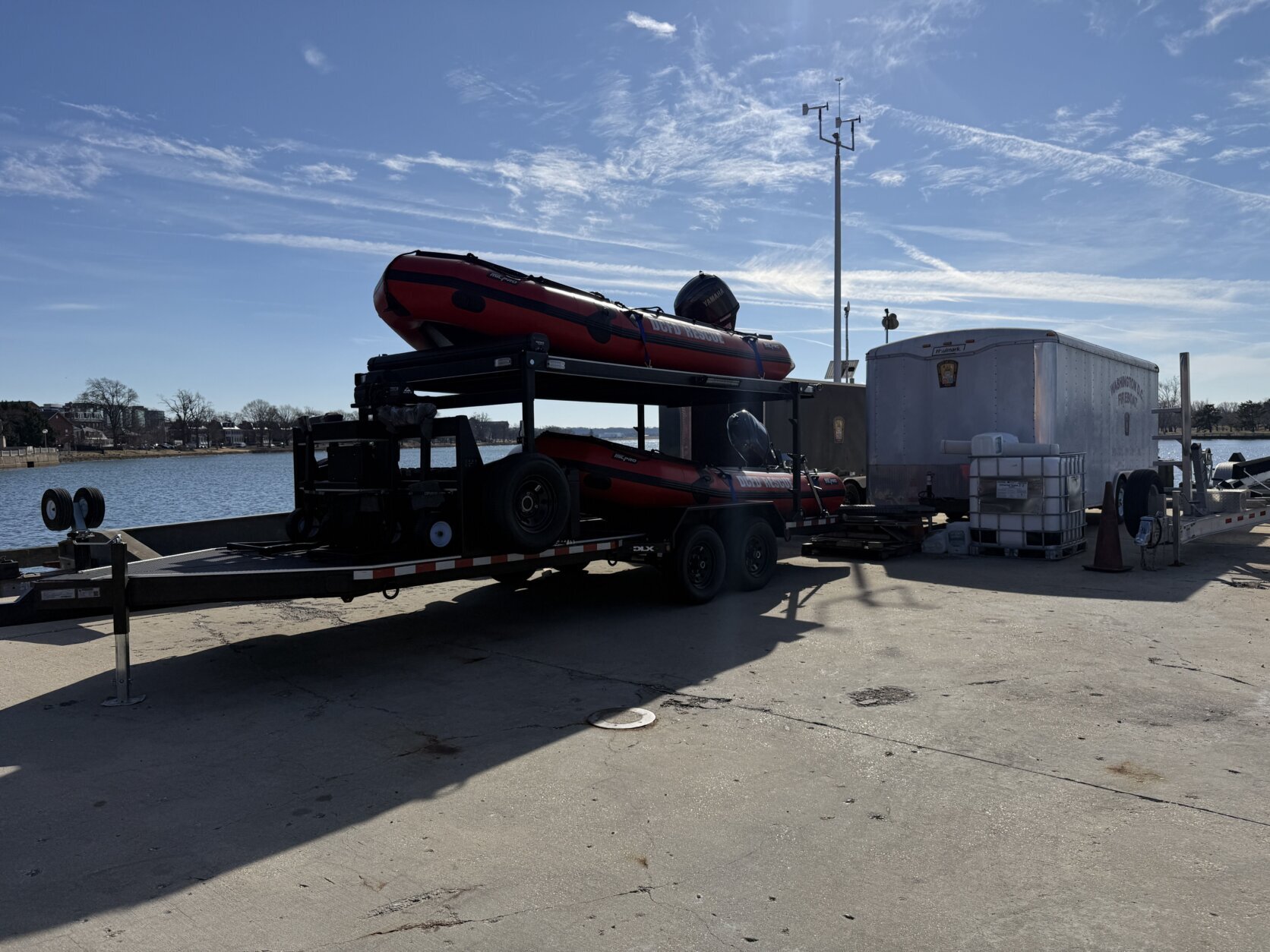
Tim Ochsenschlager, a D.C. police officer with the Harbor Patrol Unit, was working the front desk of at the patrol unit’s pier and received information that a bystander had seen a fireball over the Potomac River, he told WTOP while aboard one of the Harbor Patrol boats.
“At that point, I was pretty sure that there was a pretty serious accident,” Ochsenschlager said .
Donnelly said over 300 first responders were on the scene that night from various agencies trying to recover and find any survivors. But within the first hour, they knew there would not be any. The highest priority then pivoted to providing the victims’ families closure by recovering the remains of everyone on board the helicopter and commercial flight.
“You think of yourself as a police officer in a city; you see some pretty bad things, but I had never seen anything quite like this,” Ochsenschlager said.
“The injuries that we were seeing were just about the most severe that you could possibly imagine,” he said.
“The airplane essentially fell from about 300 feet straight into water, just absolutely devastating injuries. I’ve never seen anything like it before, and I hope to never see it again.”
It was particularly rough because many of the first victims that were recovered were children. It was the first time in his decade-long service in the Harbor Patrol that he recovered the remains of a child, Ochsenschlager said.
“It was very difficult,” he told WTOP.
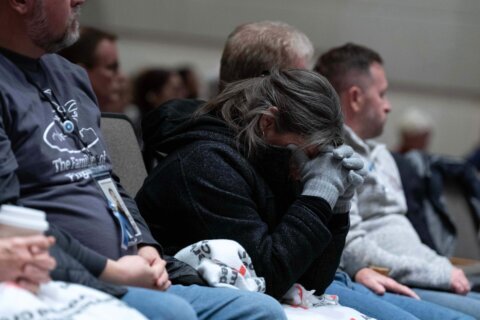
First responders grieved for the families
Donnelly said the nearly weeklong recovery effort of all the victims weighed heavily on first responders, both those in the water and at casualty collection points.
“There’s anger that they have to deal with this. There’s grieving for the families. There is sort of personification in the sense that, ‘I have kids this age,’” Donnelly said. “We had two employees whose family members were on the plane.”
Donnelly said it was other administrators’ jobs to encourage divers and other crew members, as well as watch out for any mental-health issues related to recovery efforts.
“We normalize things every day,” Donnelly said speaking about the tragic situations first responders see every day. “The difference here is, it’s a lot more people than we’re used to. That affects everybody differently.”
Some first responders initially faced a tough time, while others were stoic during efforts, but dealt with issues months later.
“We have to stay on that,” Donnelly added.
‘Really intense smell of jet fuel’
Beyond the mental fatigue of recovering the 67 victims of the midair collision, divers had to deal with the physical harshness of the conditions. Near freezing water temperatures, sharp shards of aluminum jutting out from every corner of the crash site and corrosive jet fuel complicated dives.
“Especially the first night, you could smell, just kind of in the back of your throat, the really, really intense smell of jet fuel,” Ochsenschlager told WTOP.
The jet fuel actually began corroding responders’ diving suits, the rubber began failing and new equipment had to be brought in.
It had not rained after the late January crash, leading to clearer visibility for crews diving amid the wreckage looking for remains and personal property.
“The accident did happen in pretty shallow water. Even at high tide, it was probably anywhere from six to eight-feet deep. Then, at low tide, sometimes we were walking around in three or four feet of water. That made the recovery effort a lot better,” Ochsenschlager said.
The water was around 34 degrees for much of the recovery efforts in the weeks after the crash. It only allowed divers to be in the water for an hour or less at a time. Ochsenschlager said most divers were only able to go in once a day.
“February was one of the coldest that I remember, and we would be recovering stuff, and the water would freeze on the deck of the boat as soon as we got it there. That month was especially brutal,” he said.
During the first couple of hours after the crash, around 80 divers cycled in and out every 15 to 20 minutes, partly because they were getting cold.
“And we were worried about people’s mental health, because it was quite a disturbing scene to work,” Ochsenschlager said.
They also had to search through sharp metal debris from the aircraft.
“We had to be really careful when we were moving pieces of the aircraft around, because you could cut your glove. Once you’re cut, glove is cut, water starts leaking into your hand, and it can get into pretty much your entire (diving) suit,” he said.
Finding the remnants of the crash
After the recovery of the 67 victims’ remains, which was completed in six days, Donnelly said the focus turned to recovering and salvaging the wreckage so that the National Transportation Safety Board had everything they needed to complete an investigation.
Multiple local agencies patrolled the shores as far north as Georgetown and as far south as the Woodrow Wilson Memorial Bridge. The Army Corps of Engineers provided the expertise to lift large parts of the wreckage out of the water.
Both Donnelly and Ochsenschlager were confident that with targeted help, the vast majority of the wreckage and victims’ personal property were recovered in the weeks after the crash.
“We took a bit of pride knowing that no personal property has been recovered from any of the victims by any citizen,” Ochsenschlager said. “They’re not going to get re-victimized in a couple of years if something washes on shore. We took pride in trying to make sure that didn’t happen.”
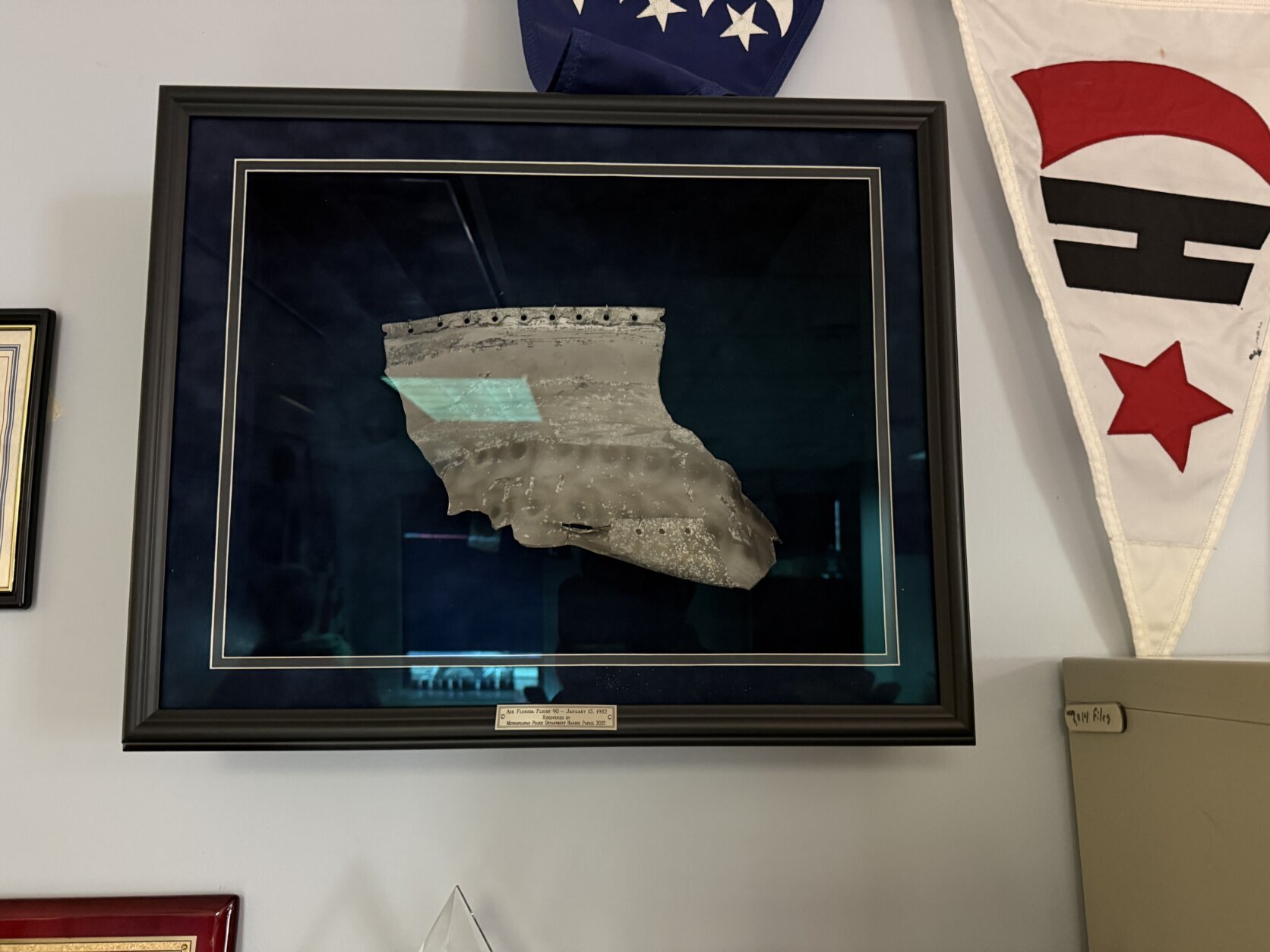
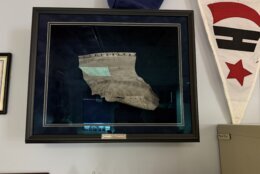
Crews were so thorough that they even found wreckage from a previous plane crash — that of a Boeing 737.
“We have pretty good indication that it was wreckage from the Air Florida crash,” Ochsenschlager said.
Air Florida flight 90 plunged into the Potomac River on Jan. 13, 1982. Seventy-four people died in that tragedy.
Donnelly said the discovery from that 40-year-old crash helped develop regional cooperation for searching future crashes, including obtaining federal assets, which was essential for efforts during the 2025 tragedy.
And, like that Air Florida crash, both Donnelly and Ochsenschlager noted that the community rallied around rescue and recovery efforts for the January crash. Both thanked the City Cruises ships that anchored near the crash site for offering a warm place for divers to rest.
“They were out there, dedicated their time, effort and fuel. They kept us warm and gave us a command center where we could go and warm up and have good food and dogs to pet and take our minds off it,” Ochsenschlager said.
“We wouldn’t have been able to do it without all of their help,” he added.
Get breaking news and daily headlines delivered to your email inbox by signing up here.
© 2026 WTOP. All Rights Reserved. This website is not intended for users located within the European Economic Area.