This story is part of the WTOP Book Report series written by Terik King. Read more of that coverage here.
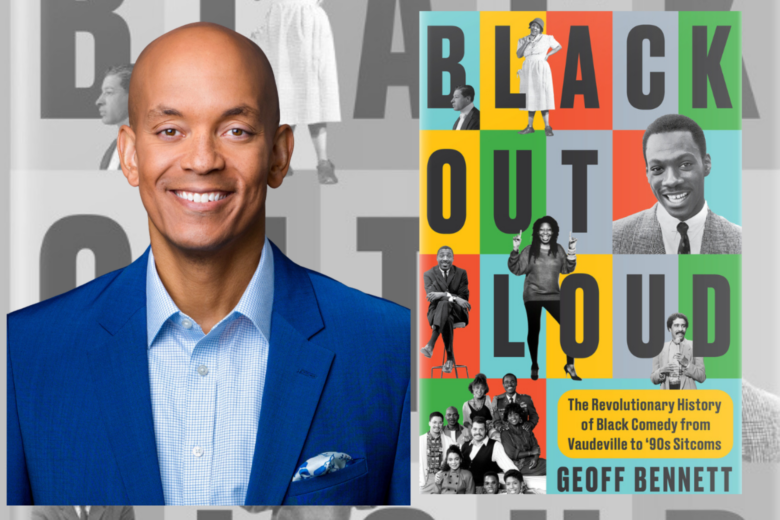
Black comedians have done more than make audiences laugh — they’ve helped shape how Americans see one another.
That’s the central argument in “Black Out Loud: The Revolutionary History of Black Comedy, from Vaudeville to ’90s Sitcoms,” the new book from PBS NewsHour co-anchor Geoff Bennett.
Bennett said his years covering politics led him to examine the power of culture instead.
“Covering politics teaches you that laws and policies matter,” Bennett said in an interview with the WTOP Book Report. “But from where I sit, I think that culture often moves people first. Culture shapes how we see one another.”
The main thesis of the book — that 90s sitcoms represent a golden age of Black expression — required a thorough exploration of how the era came to be. To that end, “Black Out Loud” traces more than a century of Black comedy, beginning with minstrel shows and vaudeville before moving through pioneering performers including Hattie McDaniel in the 40s, Moms Mabley in the 50s and 60s, Richard Pryor and Flip Wilson in the 70s, ultimately arriving at the explosion of Black television in the 1990s.
Bennett said one thread connects that entire history.
“There really is a singular DNA that runs through all of it,” he said. “Comedy lowers people’s defenses, and those strategies created under constraint became the foundation for later breakthroughs.”
The book argues that the success of sitcoms such as “Martin,” “Living Single,” “The Fresh Prince of Bel-Air,” “A Different World” and “In Living Color” represented more than a memorable era of television.
“They introduced millions of Americans to Black families, to friendships, to workplaces and communities,” Bennett said. “They also reflected for Black viewers all of these different versions of Black life that were specific and that were authentic.”
According to Bennett, that creative boom resulted from a unique convergence of circumstances.
“It was the combination of talent, timing and creative freedom,” he said. “The result was this burst of creativity.”
Bennett points to Fox Broadcasting’s early strategy to distinguish itself from the established television networks by embracing edgier programming and allowing Black creators greater freedom to tell stories rooted in their own experiences.
“So these shows felt authentic and energetic and deeply rooted in Black culture because the people in the writers’ rooms were writing stories and jokes that were specific to their lives,” Bennett said.
Bennett said authenticity ultimately proved to be the key to the enduring popularity of those programs.
“What is so striking about that era is that the more authentic and specific the shows were, the more resonant and popular they became,” he said. “It wasn’t just that they were popular with Black audiences. They were popular with all sorts of audiences.”
As audiences increasingly consume comedy through streaming platforms and social media, Bennett believes something has been lost.
“We don’t have a monoculture anymore, so we don’t have as many shared reference points,” he said.
Even so, he hopes readers recognize the larger significance of the comedians and television creators who came before.
“I hope readers come away appreciating how powerful storytelling can be,” Bennett said. “Sometimes the most meaningful social change doesn’t happen in politics. It doesn’t start with policy. It really starts in culture.”
Get breaking news and daily headlines delivered to your email inbox by signing up here.
© 2026 WTOP. All Rights Reserved. This website is not intended for users located within the European Economic Area.