In the D.C. region, conversations often start with, “What do you do?” WTOP’s “Working Capital” series profiles the people whose jobs make the D.C. region run.
One Potomac, Maryland, native’s job isn’t exactly in the D.C. region because sometimes he is working 250 miles above it.
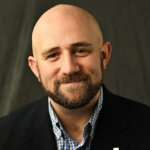
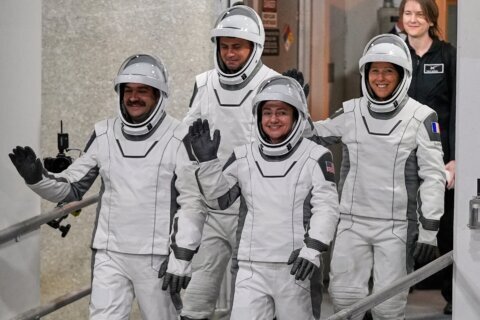
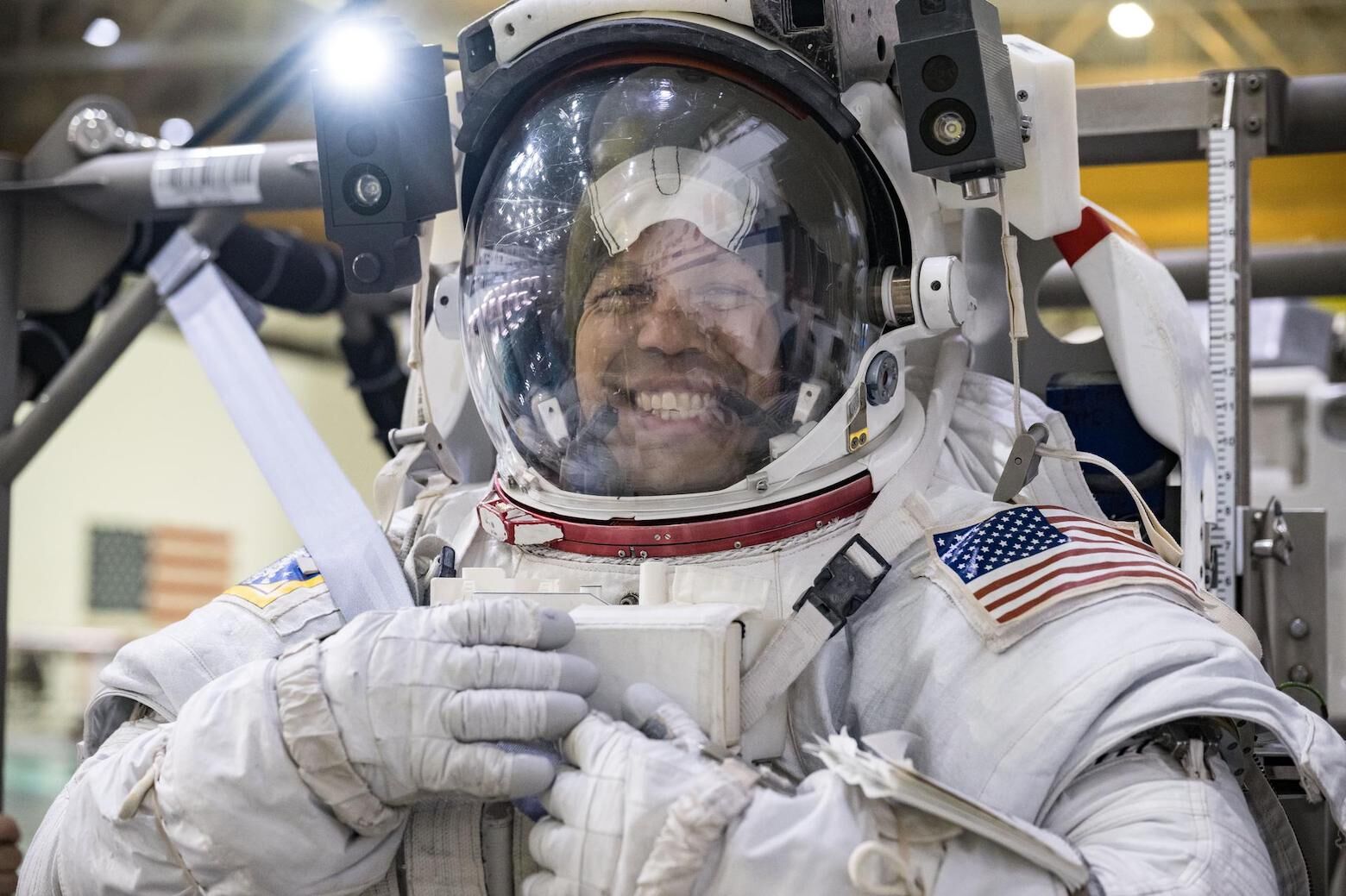
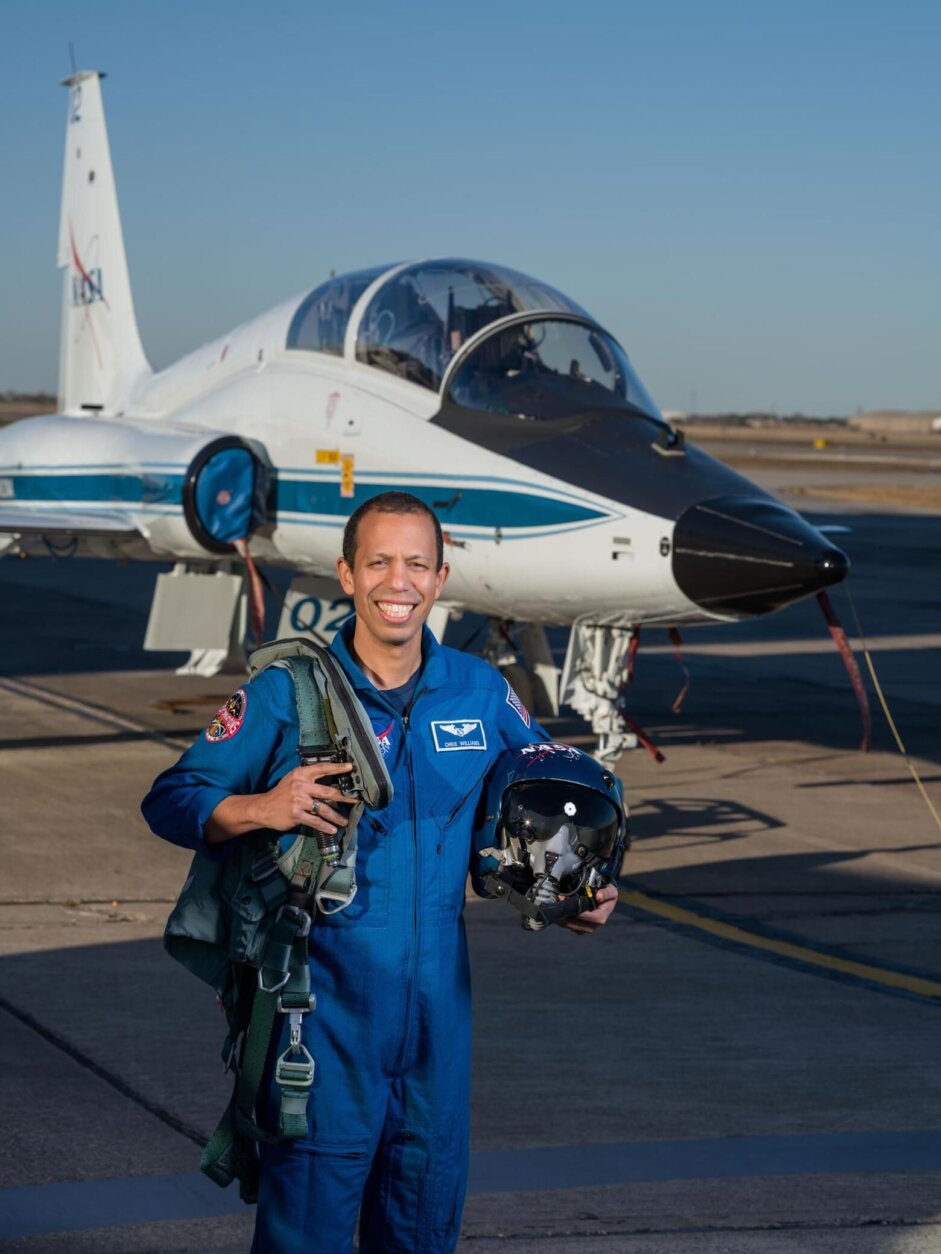
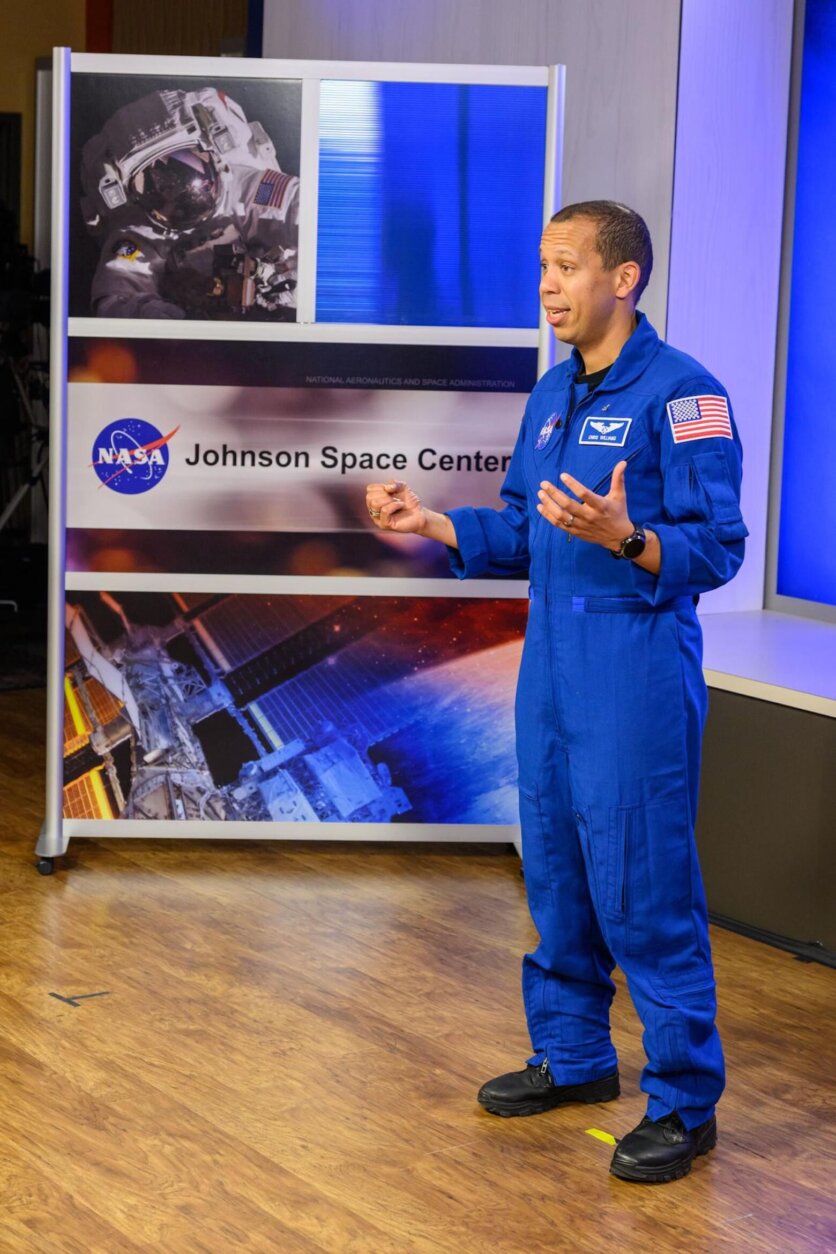
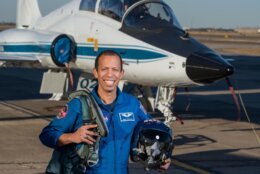
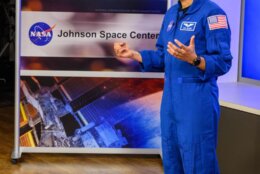
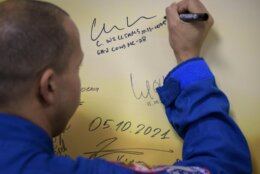
Christopher Williams is one of the seven astronauts and cosmonauts currently aboard the International Space Station.
“I’m approaching three months in space now, which is hard to believe, but it’s been, it’s been a really wonderful experience,” Williams told WTOP, while keeping his feet under a small bar on the floor of the space station so he wouldn’t float around during the interview.
He said it takes a few weeks to acclimate to life in space but said his years of training are paying off.
“It’s something I trained for for a long time and it’s feels really nice to be doing it, and to feel like you’re really doing it at a high level and contributing to our mission up here,” Williams said.
Williams has an expansive educational background that fits right in aboard the space station. He studied physics during his undergrad at Stanford University and received his doctorate from the Massachusetts Institute of Technology. He then completed residency training at the Harvard Medical Physics program.
Williams described himself and others on the micro gravity lab as the hands, eyes and ears of thousands of researchers from around the world participating in numerous experiments utilizing the low gravity conditions.
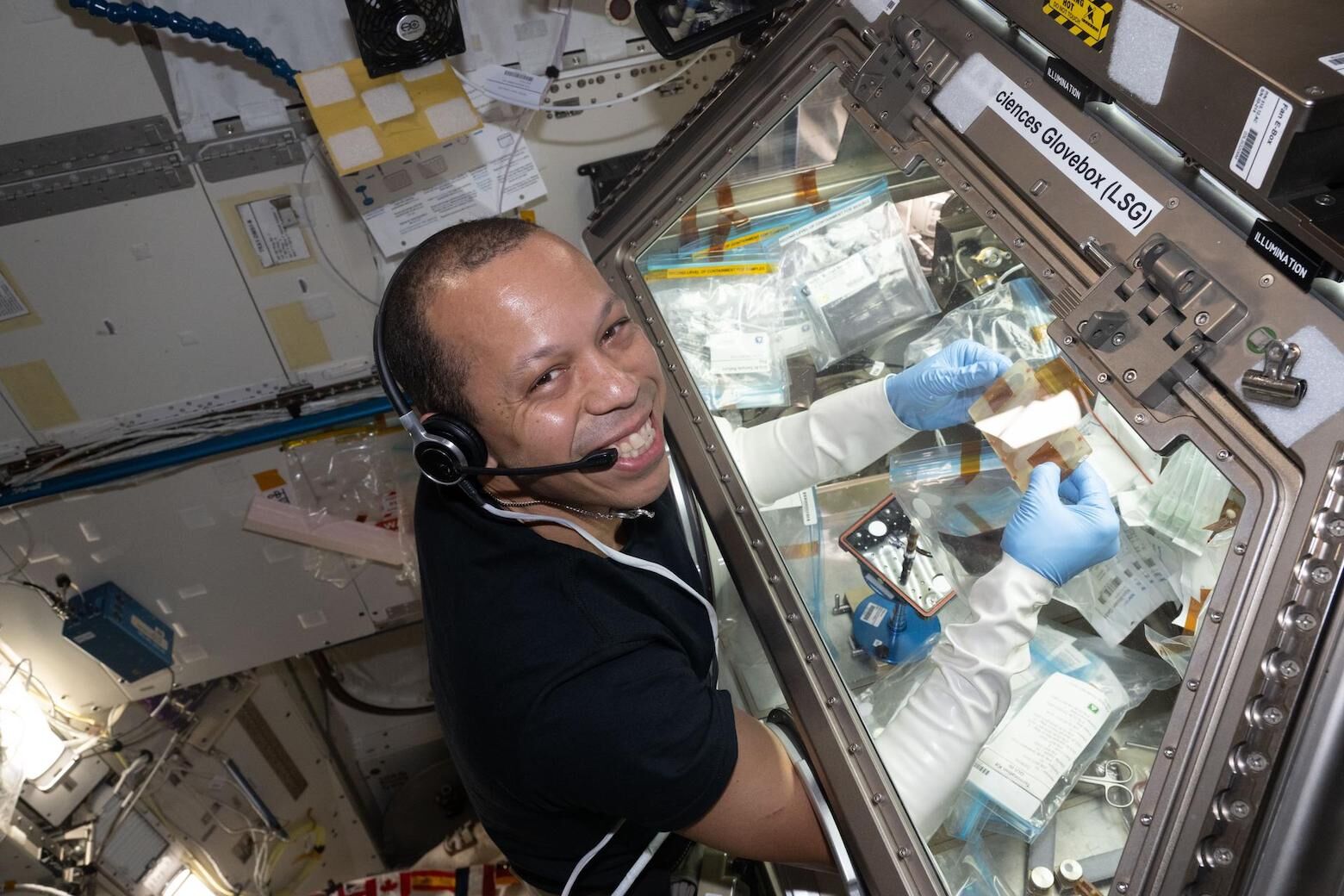
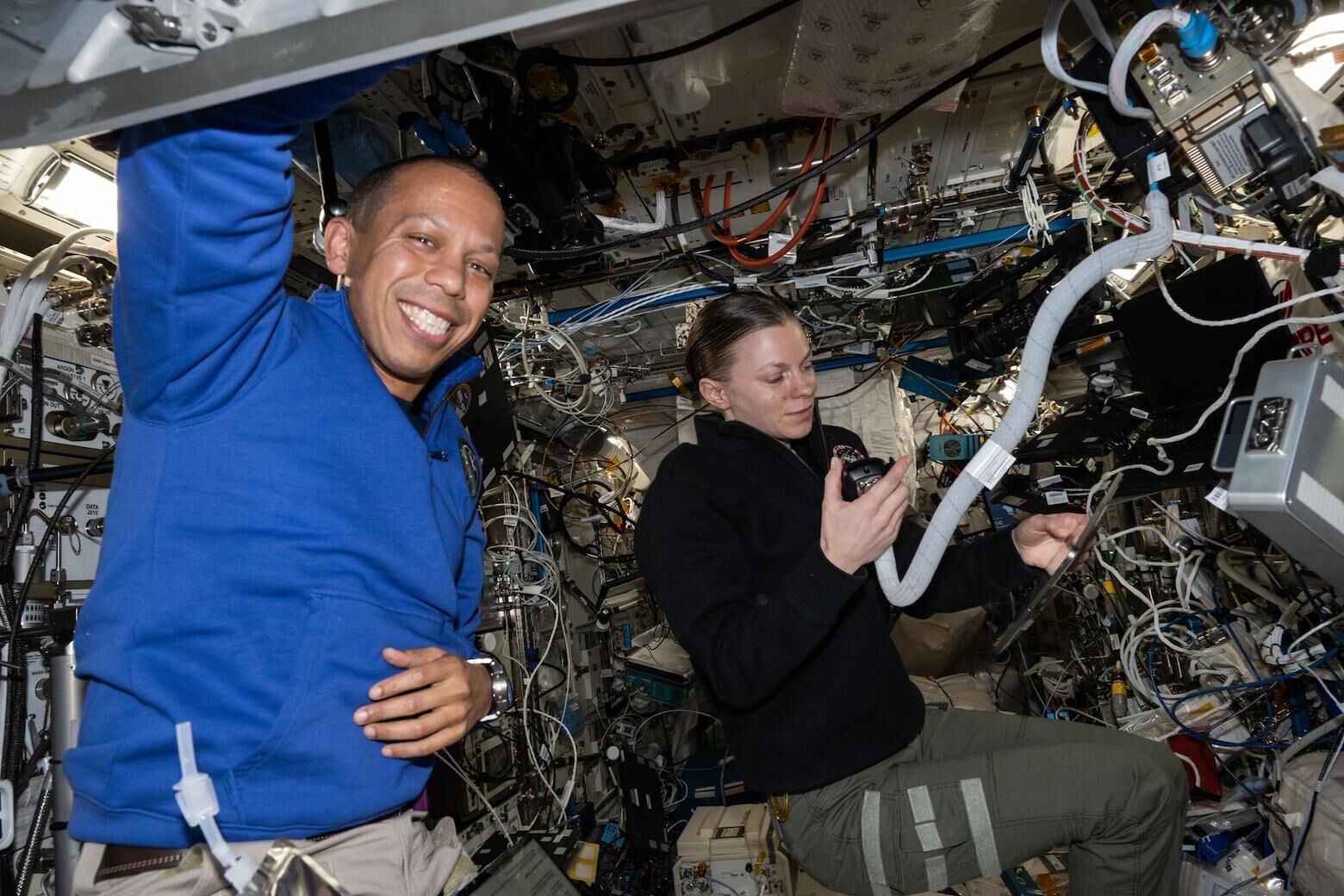
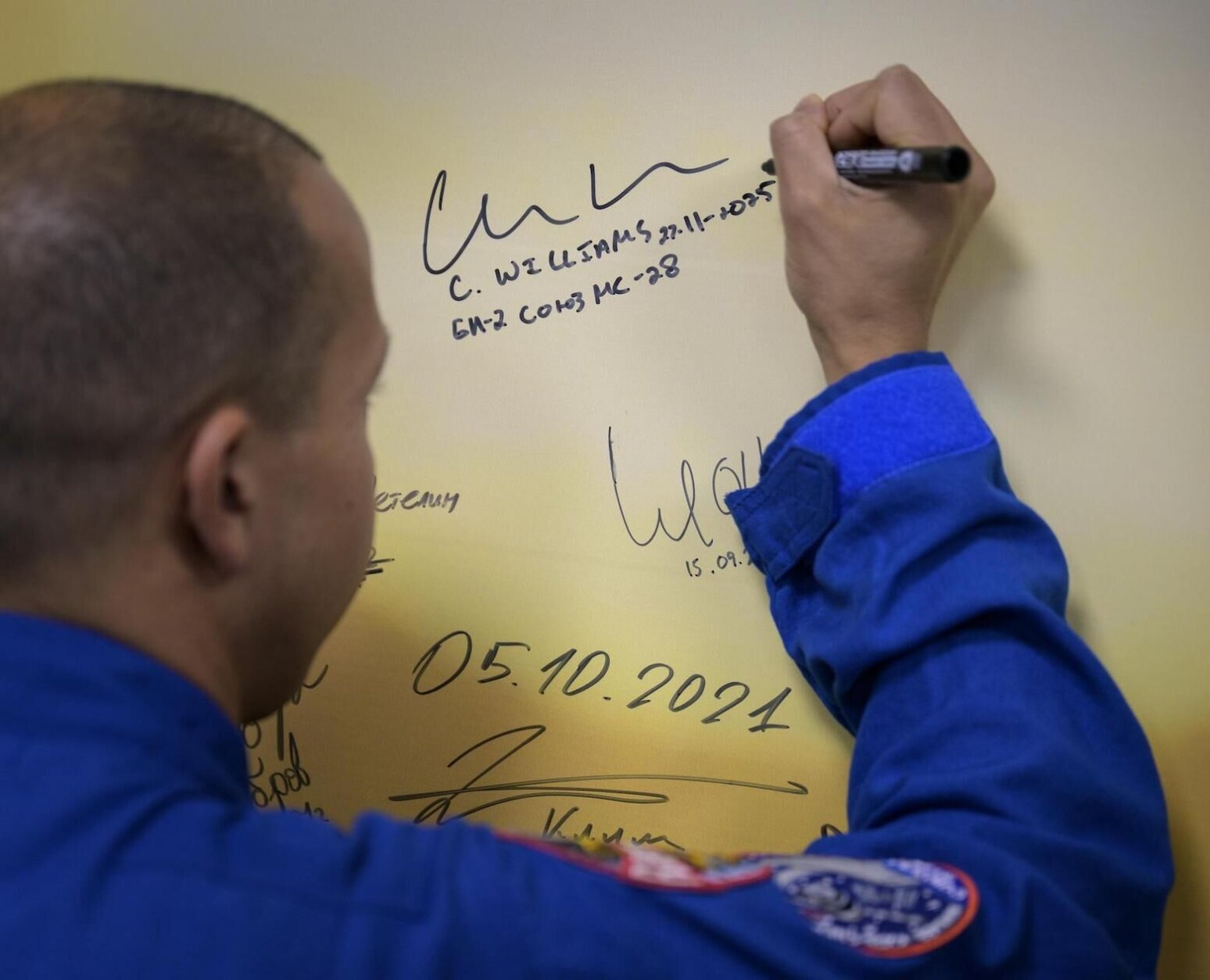
“I was helping to do some work on an experiment where we’re looking at the physics of different noncondensable fluids at different temperatures, and helping to set up that experiment, and that’s going to help inform us how we can store different fuels for future space travel,” he said.
Williams also put his medical knowledge to the test recently in a biology experiment, where they looked at ultraviolet light and how it affects the formation of biofilms, which helps scientists learn about water purification.
Beyond completing experiments, Williams said he himself is somewhat of a broader science experiment on the conditions of space on the human body.
“We’re looking at things like how does microgravity affect the human body. How do our bones get affected by weightlessness, which can help us not only understand future space travel, but help us understand things like aging on Earth and folks that have limited mobility, how their bones might get it get impacted,” he said.
Williams grew up in Potomac, Maryland, and credits the D.C. area with fostering his love of science and dreams of becoming an astronaut.
He attended the magnet program at Montgomery Blair High School in Silver Spring, Maryland.
“The science education that I got there was just absolutely unparalleled. And it really helped me, from a young age, realize the extent of what you could do as a scientist,” Williams said.
He told WTOP that he took advantage of the “immense resources” in the D.C. area. He got an internship at the Navy Research lab in D.C., where he worked with a professional astronomer.
“Not that many places have opportunities like that for high schoolers to work as a scientist,” Williams said.
“Nobody in my family was a scientist, and seeing that as a high schooler. What does a scientist do? That was something that gave me the confidence to think that maybe this is something that I could pursue as a career.”
He also said growing up in an incredibly diverse area with people from all over the world has prepared him to work aboard the Space Station with an international crew.
“I’m standing right now in the Japanese module. I’m staring at the European module. The station is a collaboration with the Russian Space Agency. So you’re working with folks from all over the world, and just the diversity of the Washington area, I think, was really helpful in being prepared to work with people from all sorts of different backgrounds, and to be able to thrive in that kind of environment,” Williams said.
Working in the area also inspired him to change career paths and get into the medical field. In between college and graduate school, he volunteered at the Rockville Volunteer Fire Department, where he got his certification as an EMT.
“I really loved the fact that at the end of the day, you had directly and immediately helped somebody. And so I kind of got this bug in my head that medicine is something that was really interesting to me,” Williams said.
He would go on to work as a medical physicist in the Radiation Oncology Department at the Brigham and Women’s Hospital, Boston, and Dana-Farber Cancer Institute, where he helped develop new image guidance techniques for cancer treatments.
Now aboard the space station, he puts all his past experiences to the test as a science “Swiss Army knife” from 7:30 a.m. to 7:30 p.m.
“It’s honestly one of the things I think is most fun about being an astronaut is you really are a jack of all trades. I was working on fixing or maintaining the water reclamation system this morning, I’m going to be doing some science in a glove box tomorrow, and it just keeps it exciting, because it’s not the same thing every day,” Williams said.
When he isn’t working, he is exercising to maintain his muscle mass and is sleeping in his quarters.
“It’s about the size of a telephone booth. But it’s your own sort of room,” Williams said.
The “mummylike” sleeping bag stands on the wall of the room.
“Because of weightlessness, being floating on the wall is just about the same as lying down on a bed,” Williams said. “It’s actually been some of the most comfortable sleep of my life.”
He has also delved into the world of photography while aboard the space station snapping shots of the curvature of the Earth and major landmarks.
“You can plainly see entire countries … and it’s one of those things where it’s looking out the window, it’s hard to capture just the scale and just beauty of our planet,” Williams said.
He has taken photos of the Aurora Borealis as well as large cities and their lights.
“I’ve actually gotten a couple of good pictures of D.C. already. I took one right after the big snowstorm that we just had and it’s really cool because you could see the whole area blank and white but the outlines of the city streets become very clear,” Williams said.
Williams is scheduled to return to Earth this summer.
Get breaking news and daily headlines delivered to your email inbox by signing up here.
© 2026 WTOP. All Rights Reserved. This website is not intended for users located within the European Economic Area.