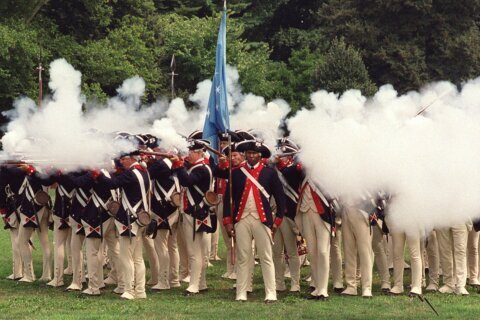
As the United States marks its 250th anniversary, WTOP presents “250 Years of America,” a multipart series examining the innovations, breakthroughs and pivotal moments that have shaped the nation since 1776.
The American Petroleum Institute is proud to partner with WTOP to bring you this series.
Energy powers almost everything we do, yet we rarely stop to consider where it all began.
Before the mid-19th century, Americans drew nearly all their energy directly from the natural world around them.
Wood heated homes, cooked meals and fueled small industries. Transportation depended on the muscle of horses and oxen, or the wind in a ship’s sails. Waterwheels turned along rivers and streams.
It was wood, water and muscle that first formed the backbone of the nation’s energy system.
A wood-fueled nation
In early America, wood was indispensable.
Vast forests covering the landscape provided an endless source of fuel for homes and small industries.
It’s estimated that wood from land clearing alone accounted for more than half of all fuel used between 1850 and 1860. But how did wood go from forests into the hands of everyday people?
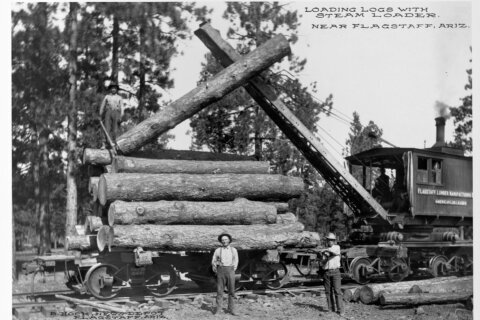
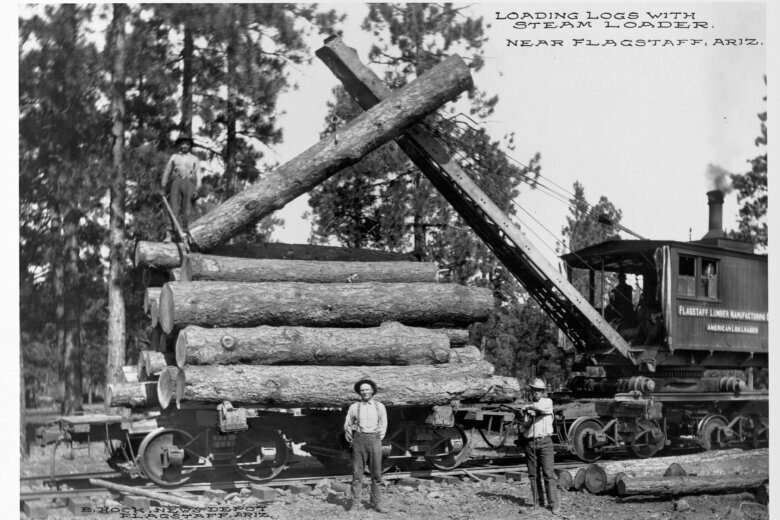
The process began with woodcutters selecting and taking down trees during the winter months, when sap content was lowest, making the wood easier to split.
Workers used simple tools like axes and saws. Logs were cut into pieces and dragged by horses or oxen to processing areas, where they were split, stacked and prepared for use.
Industries were strategically located near forests to maintain lower operational costs. In urban areas, wood merchants established yards where they stored and sold processed firewood, supplying homes and businesses.
The entire system, from forest management to delivery, created an economic network.
From rivers to power
Waterpower was the other pillar of early American energy, with rivers carrying boats and powering mills.
Rivers functioned as engines, turning the wheels that ground grain, sawed timber, pressed oil and processed cloth.
Waterwheels transformed flowing streams into consistent energy, gradually taking over jobs that once had to be carried out by people or through animal labor.
For farmers, mills were crucial lifelines.
Some traveled as far as 50 miles to have their grain ground, which was worth the effort to save hours of hand labor.
Mills were so central to daily life that towns competed aggressively to attract them, offering free land, tax exemptions and even cash incentives. In some areas, a town without a mill was considered incomplete or even uncivilized.
Water powered more than just machines. It fueled the communities that grew around it, helping Americans thrive and encouraging economic activity along the banks of rivers and streams.
But waterpower had significant limitations. It relied on seasonal flows and proximity to rivers, meaning energy could not be moved beyond the immediate area.
Over time, technological advances reshaped the energy landscape. Steam-powered machines, fueled by wood and then by coal, marked the start of industrialization.
By the early to mid-20th century, coal was being replaced by oil and natural gas.
The transition to fossil fuels was inevitable as Americans looked for more reliable and powerful ways to fuel a nation. Still, America’s early energy system — powered by forests, rivers, wind and muscle — laid the foundation for the nation.
The country’s energy story began not underground, but in the landscape itself.
Get breaking news and daily headlines delivered to your email inbox by signing up here.
© 2026 WTOP. All Rights Reserved. This website is not intended for users located within the European Economic Area.