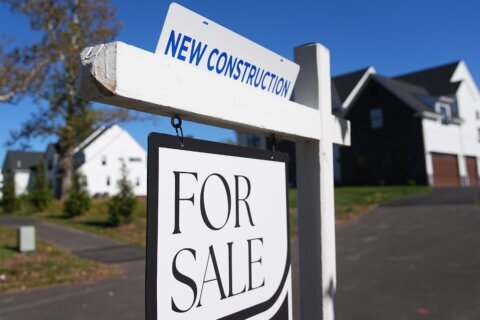
Hawaiʻi will need nearly 60,000 additional housing units by 2050 to meet future demand driven largely by an aging population and to prevent younger residents from getting squeezed out of the housing market.
Residents age 65 or older will need 44,000 of the new units, according to a new report released by AARP Hawaiʻi, which also said the housing shortage is driving up prices and pushing younger residents to leave the state.
The “Housing Needs Gap Analysis for the State of Hawaiʻi” report — based on 2024 U.S. Census data — framed meeting the projected housing demand as a strategy to address long-term workforce and community health needs.
“It’s not just about kūpuna needing affordable housing. When a lack of affordable housing forces young working families to leave Hawaiʻi, the impacts are felt across generations,” Keali‘i Lopez, state director of AARP Hawaiʻi, said in a statement. “The question becomes not only where our children and grandchildren will live, but who will care for our aging parents and grandparents if families can no longer afford to stay.”
The report estimated future housing needs by income category and age bracket. For the aging population, some of whom may have limited financial resources, the report said meeting their needs will require “prioritizing homes that support aging in place and smaller households.”
The proportion of the state’s population age 65 and older grew from 16% in 2016 to over 21% in 2024. A study from the University of Hawaiʻi Mānoa’s Economic Research Organization projected that a quarter of the state’s residents will be 65 or older by 2035.
Those demographic changes mean that by 2035, 29% of new housing statewide will be needed for kūpuna aged 65 to 84, said the analysis, which was done by Econorthwest, a Portland, Oregon consulting firm. By 2050, those 85 and older will need 40% of the new housing.
To meet the housing needs of people 65 and older, just under a third of new units will need to be affordable for those earning less than $63,900, or 60% of the area median income, the report said.
Between 2014 and 2024, the state did add 43,000 new housing units, or an increase of 8%. However, over that period, the total number of new households grew more, by 9.5%.
The need for more housing is most pressing in the near future, the report said: About two-thirds of the additional 60,000 housing units will be needed by 2035 to meet demand.
The greatest total of units needed is in Honolulu – 48,299 units by 2050. However, Kauaʻi has the greatest need relative to its existing housing stock; the county needs 5,390 new housing units by 2050, an 18% increase over its current supply, the report said.
Forcing Younger Residents Out
The housing shortage is forcing residents aged 20 to 30 to move to the continent, the report said, echoing other researchers. Hawaiʻi has the country’s third worst retention rate of that age bracket, the report said, behind only Alaska and Wyoming.
Citing U.S. Census data from 2023, the report said nearly half of those born in Hawaiʻi who were then between 20 and 30 were living in other states.
Lena Staton, a Central Maui resident, saw her son move off island when he was 20. He went to Kentucky, where he could afford to buy land and build a home, things out of reach back home.
“They built a house recently and they’re on 4 acres,” she said. “You know, in Kentucky, that’s nothing. But for an island boy coming from Hawai‘i, it’s like a dream.”
He is unlikely to move back, Staton said.
Younger residents moving out of state leaves fewer people to take jobs caring for and serving elderly residents. And without more affordable housing, it is harder for those who have moved to return.
“This age group is a vital part of the workforce, and concerns arise about maintaining services and other sectors amid this decline,” the report said.
Neighbor island residents increasingly have to travel to Oʻahu for specialized medical treatment unavailable closer to home, and the report said that trend “will continue without sufficient affordable housing for the working-age and younger-age cohorts, and without a workforce to support an aging population.”
___
This story was originally published by Honolulu Civil Beat and distributed through a partnership with The Associated Press.
Copyright © 2026 The Associated Press. All rights reserved. This material may not be published, broadcast, written or redistributed.