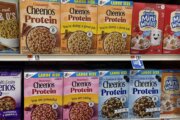
Move over protein, there’s a new hot nutrient — fiber! The social media trend of fibermaxxing focuses on eating more fiber at meals and snacks. Like all trends, it can be done correctly. Yet many on social media are doing it incorrectly — and even dangerously. Below you’ll find out more about the fibermaxxing trend, new research on high fiber foods and the recommended ways to get in your daily recommended fiber needs.
[SEE: Best Fiber Supplements Recommended by Pharmacists]
What Is Fibermaxxing?
The idea of fibermaxxing is to meet and even exceed your daily fiber goals. With nine out of 10 Americans falling short on meeting their dietary fiber needs there is certainly plenty of room for improvement. Plus, getting enough fiber regularly has been shown to have numerous health benefits.
“Accumulated scientific evidence suggests that higher dietary fiber intake is associated with reduced risk of heart disease, diabetes, certain cancers and obesity,” explains Yanni Papanikolaou, lead scientist and president of Nutritional Strategies, an evidence-based nutrition research group. Further, Papanikolaou says evidence shows that boosting your daily amount of dietary fiber can have benefits on gut bacteria, specifically by promoting the growth and flourishing of good bacteria. In contrast, if you have poor gut microbiota health, it has been linked to lower immunity and increased risk of several diseases.
[READ: How to Fact-Check Health Information on Social Media]
How Much Fiber?
According to the Academy of Nutrition and Dietetics, women should aim for about 25 grams of fiber per day, while men should aim for about 38 grams. To calculate more exact numbers, the recommendation is 14 grams of fiber for every 1,000 calories. Americans consume on average only 15 grams of fiber per day, so upping fiber is certainly a smart idea.
Current U.S. dietary patterns show that Americans are not meeting recommendations for diet quality and several nutrients, especially dietary fiber, all of which can have negative effects on public health and disease incidence.
As many people think more is better, some influencers are going all out on fibermaxxing with not only foods like vegetables, fruit, beans, peas, lentils, nuts and seeds at meals and snacks, but also by adding various fiber supplements, which gets them above the recommended daily fiber amount.
“Like so many TikTok trends, this one has the potential for harm if not approached properly,” says dietitian Rosanne Rust, co-author of the forthcoming cookbook “The GLP-1 Kitchen” and founder of Chew the Facts. Rust explains that many of the trending videos propose “fibermaxxing” to help treat bloating, however most people aren’t aware of how much fiber they are eating before they adopt this trend and then add 20 grams of fiber (or more) to their diet overnight. “Adding too much fiber to your diet too quickly can result in slower motility, constipation and even more bloating,” Rust warns.
[READ: Viral TikTok Nutrition Trends: Which Should You Avoid?]
The Power of Fiber
Papanikolaou’s research group recently published research on beans (a high fiber food), and they continue to work on new studies.
“I hypothesized that canned and dried beans would be associated with beneficial outcomes, but I was surprised to see how large the benefits were in terms of nutrient intake and diet quality,” says Papanikolaou. “Our study showed that adults consuming about two servings of canned and dried beans per day had a 25% improvement in total diet quality compared to adults avoiding beans.”
In Papanikolaou’s study, adding beans to American eating patterns significantly helped close gaps in many under consumed nutrients, including fiber.
“In our study, adults who consumed two servings of beans per day had 77% more daily fiber versus adults avoiding beans,” says Papanikolaou. Plus, the study showed that individuals who consumed beans had improved weight-related outcomes: Bean consumers weighed about 5.5 pounds less and had waist sizes that were about 1 inch less compared to those who avoided beans.
Recommended Ways to Increase Your Fiber
The key is to gradually increase your fiber intake using whole foods.
Week 1: Rust recommends adding only 5 grams of fiber daily from food the first week and adding more weekly until you reach your fiber goal. For example, for the first week start by adding two more servings of fruit and vegetables a day and one cup of some type of whole grain.
Week 2: Rust recommends incorporating higher fiber foods into meals, such as adding ½ cup of beans into a salad or a tablespoon of chia seeds into yogurt.
To get a better idea of how much fiber are in various foods, Rust outlined the following high fiber foods for easy reference:
— Most fruits and vegetables provide about 1 to 2 grams of fiber per half cup. Some can even offer 3 to 4 grams per half cup (like raspberries, peas, cauliflower, squash).
— Whole grain ready-to-eat cereals can provide anywhere from 2 to 8 grams of fiber per cup, so check the Nutrition Facts labels.
— Two slices of whole grain bread provide about 4 grams of fiber.
— Every 1-cup of cooked oatmeal, barley or quinoa provides about 5 grams of fiber.
— Each half cup of legumes (beans or peanuts) adds 7 to 8 grams of fiber.
— One tablespoon of chia seeds provides between 3 to 5 grams fiber, depending on the brand.
— Every quarter-cup of nuts provides 3 grams fiber.
Hydrate: In addition, drinking enough fluids and hydrating is essential when adding fiber. Fluids help fiber work properly in the gut and not drinking enough can result in gastrointestinal issues like constipation and cramping.
According to dietitian Liz Weiss, founder of Liz’s Healthy Table and co-author with Rust of “The GLP-1 Kitchen,” balance matters. “If someone becomes fixated on fiber and fills up on high-fiber foods at every meal, they may unintentionally crowd out other essentials, like protein.” The reverse is also true, explains Weiss: If you’re only focused on protein, you might miss out on fiber. The goal isn’t perfection in one category; it’s variety across the board, which is what supports lasting health.
Who Should Not Try Fibermaxxing
Fibermaxxing isn’t right for everyone.
“People with certain medical conditions — including inflammatory bowel diseases or those recovering from gastrointestinal surgery — often need to limit or modify their fiber intake,” says Weiss. This is because high amounts of fiber can be difficult for their systems to manage and may worsen symptoms.
Further, Weiss warns against this trend for young children who tend to have smaller appetites and higher nutrient needs relative to their size. “Overloading their diets with fiber could leave less room for the protein, healthy fats and micronutrients their growing bodies rely on,” says Weiss.
Even for healthy adults, it’s important to view fiber as one piece of a much large nutrition puzzle.
“If you’re not sure how much fiber is right for you — or how to increase it safely — a registered dietitian nutritionist (RD or RDN) can help guide you,” says Weiss. “Trends may come and go, but a well-balanced, whole-food diet will always stand the test of time.”
Bottom Line
If you’re trying to meet your daily fiber needs, aim to increase your fiber slowly over time by adding fiber-filled foods to your healthy eating plan and making sure to drink plenty of fluids.
More from U.S. News
What to Pack in Your Hospital Bag Before a Surgery or Procedure: A Checklist
Factors That Can Weaken Your Immune System
Mood Swings: Recognize Symptoms and Explore Potential Causes
Fibermaxxing: The Latest Nutrition Trend originally appeared on usnews.com