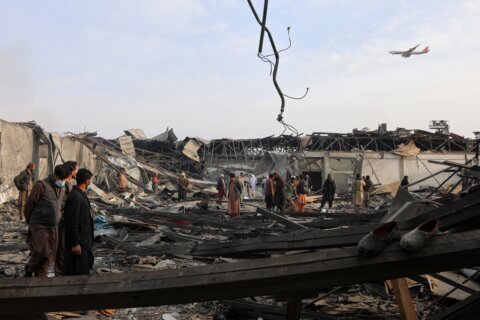
On Tuesday, in Manchester, England, a suicide bomber killed 22 people and injured many more during an Ariana Grande concert. Many of the concert-goers were tweens and teens. The youngest victim was an 8-year-old girl.
As many struggle to come to terms with the tragedy, kids as well as parents grapple with their own concerns and fears. It’s challenging for parents to know where to start in talking about this with kids. As investigation continues into the bombing, there are no easy answers or simple reassurances that can be given.
[See: 10 Concerns Parents Have About Their Kids’ Health.]
Still, it’s important to recognize that how you, as the parent, talk to your kids about tragedy can help them process it. Here are a few things to keep in mind:
Be honest. Cut through the misinformation. Spend time together with your children to learn what’s happening from reliable news sources. Talk about what you know that is also age-appropriate to share, and have open discussions about what your kids know as well.
Answer what is being asked. We, as adults, sometimes have a tendency to talk about things too much, especially if we are feeling overwhelmed or scared ourselves. Instead, really listen to the questions being asked and answer them as they come up. Keep it simple.
Children process things in different ways. A 9-year-old will not process information the same way as a 16-year-old. Be mindful of these differences and make sure to talk about things in an age-appropriate way.
[Read: Talking to Kids About Scary News.]
Validate worries and concerns. Worry and fear stemming from tragedy are normal and understandable. Every child will have a different reaction. Recognize that your child’s feelings are valid, and provide support.
Decrease exposure to media. We are bombarded with information, from television, social media and newspapers. While your children may have access to mobile devices, it’s important to control their exposure, including in your own home, so kids aren’t overwhelmed by the constant barrage.
Work to promote understanding and safety. Risks are an inherent part of life. However, it’s also important to talk about ways to be safe as a family. In this case, talk about what you would do if you got separated at a concert. Have a plan of action. Discuss where you would meet or who you would call. Talk about specific strategies for staying safe, while being careful not to fixate on worst-case-scenarios that could increase kids’ fears. For perspective, talk about how — more times than not — the world is a safe place.
[See: How to Be a Better Listener.]
Be present and listen. When tragedy strikes, be prepared to have an ongoing conversation, rather than expecting to talk about it only once. Your child may ask questions at random times and when you least expect them. Take a deep breath and answer as best you can.
More from U.S. News
9 Things to Do or Say When a Loved One Talks About Taking Their Life
Am I Just Sad — or Actually Depressed?
10 Ways to Broach the Subject of Sex With Your Teen
Talking to Your Children About Tragedy originally appeared on usnews.com