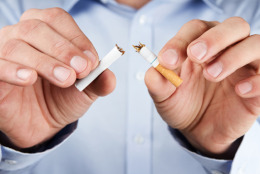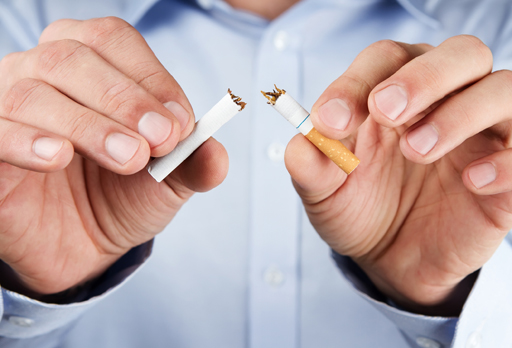
Dr. Assil Saleh of Foxhall Internists in D.C. says smoking has been linked to cardiovascular disease and an increased risk of cancer. While most smokers know they should quit, many find it easier said than done.
Dr. Warren Levy, president and chief medical officer of Virginia Heart in Fairfax, Va., says it often takes a big medical scare for smokers to get the message. He says the key to quitting is getting support from others.
(ThinkStock)
ThinkStock

Thinkstock
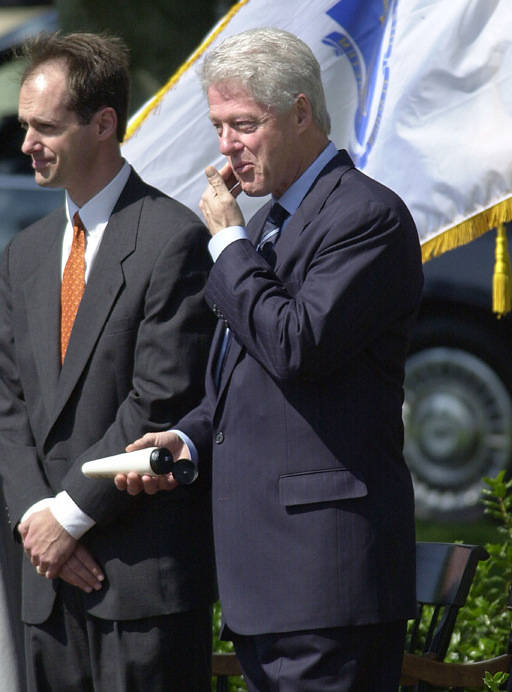
Dr. Howard Brooks with Skin Cosmetic Dermatology in Georgetown says sunscreen is a must in the heat of summer and the chill of winter. He says even on days when it is snowing or cloudy, "you can still get the harmful rays that can cause skin cancer and premature aging." He recommends applying SPF 30 daily and notes many moisturizers and body lotions contain sun protection.
Left: Former U.S. President Bill Clinton applies sunscreen at the Milton Academy Commencement ceremonies June 6, 2003 in Milton, Massachusetts. (Photo by Douglas McFadd/Getty Images)
Photo by Douglas McFadd/Getty Images

This is another one of those year-round must-dos. Many people don't drink enough water in winter and often don't think they need a lot since they aren't sweating as much. But Dr. Kimbrough says we actually lose a lot of fluid when we breathe, and the dry air in winter has an effect. He says it's a good idea to keep a bottle or glass of water handy and sip on it throughout the day.
(ThinkStock)
ThinkStock
Thinkstock
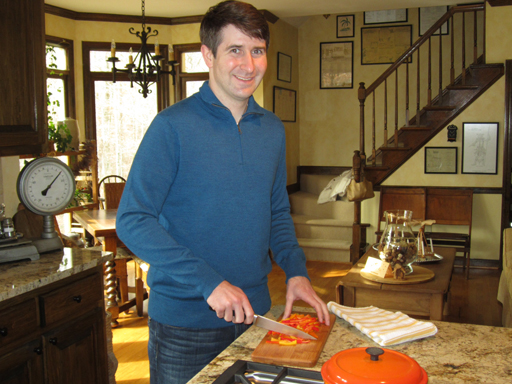
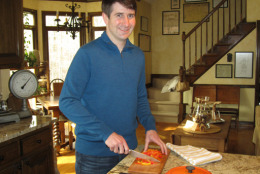
Forget crash diets. Make a series of eating adjustments instead and let them build over time. Focus on gradually cutting back on salt and sugar and adding more vegetables to your meals. Dr. Kimbrough says try to eat vegetarian one or two days a week and avoid processed food. He says if you can't pronounce an ingredient, maybe you should eat something else.
Left: Dr. Will Kimbrough prepares a meal in his kitchen. (Courtesy of Will Kimbrough)
Courtesy of Will Kimbrough

Dr. Barry DiCicco with the Northern Virginia Sleep Center in Fairfax, Va. says most adults need seven to eight hours of sleep a night. Most people make sleep "a low priority on their to-do list," he says. He adds that sleep deprivation increases the risk of heart attack, stroke, high blood pressure and diabetes, so be mindful of your "sleep hygiene."
Dr. DiCicco recommends getting into a routine and unplug. Do something to take your mind of work and turn off, or turn away from, smartphones and computers an hour before bed. The light from these digital devices can suppress the release of the sleep-promoting hormone melatonin.
(ThinkStock)
ThinkStock
ThinkStock

Thinkstock

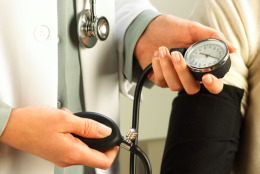
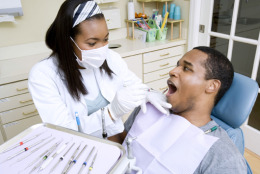
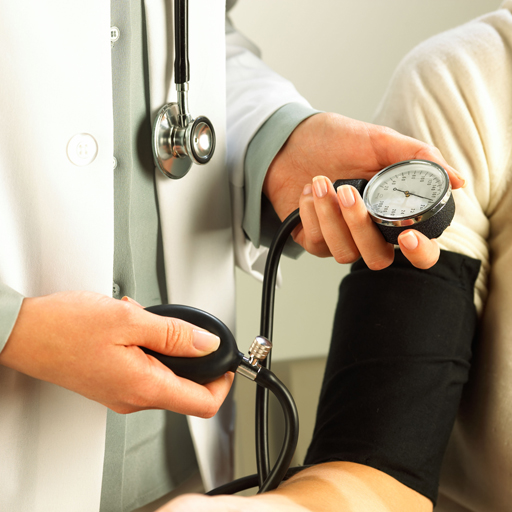
Doctors say it is the ultimate in preventative care. Dr. Angela Marshall says think of it like getting a tune-up for your car. "You don't wait until the car breaks, you take it in for regular maintenance," she says. An annual physical gives you the ability to monitor trends, like an uptick over the years in cholesterol or blood glucose. With an annual check-up, Marshall says you can keep small problems from getting out of hand.
(ThinkStock)
ThinkStock