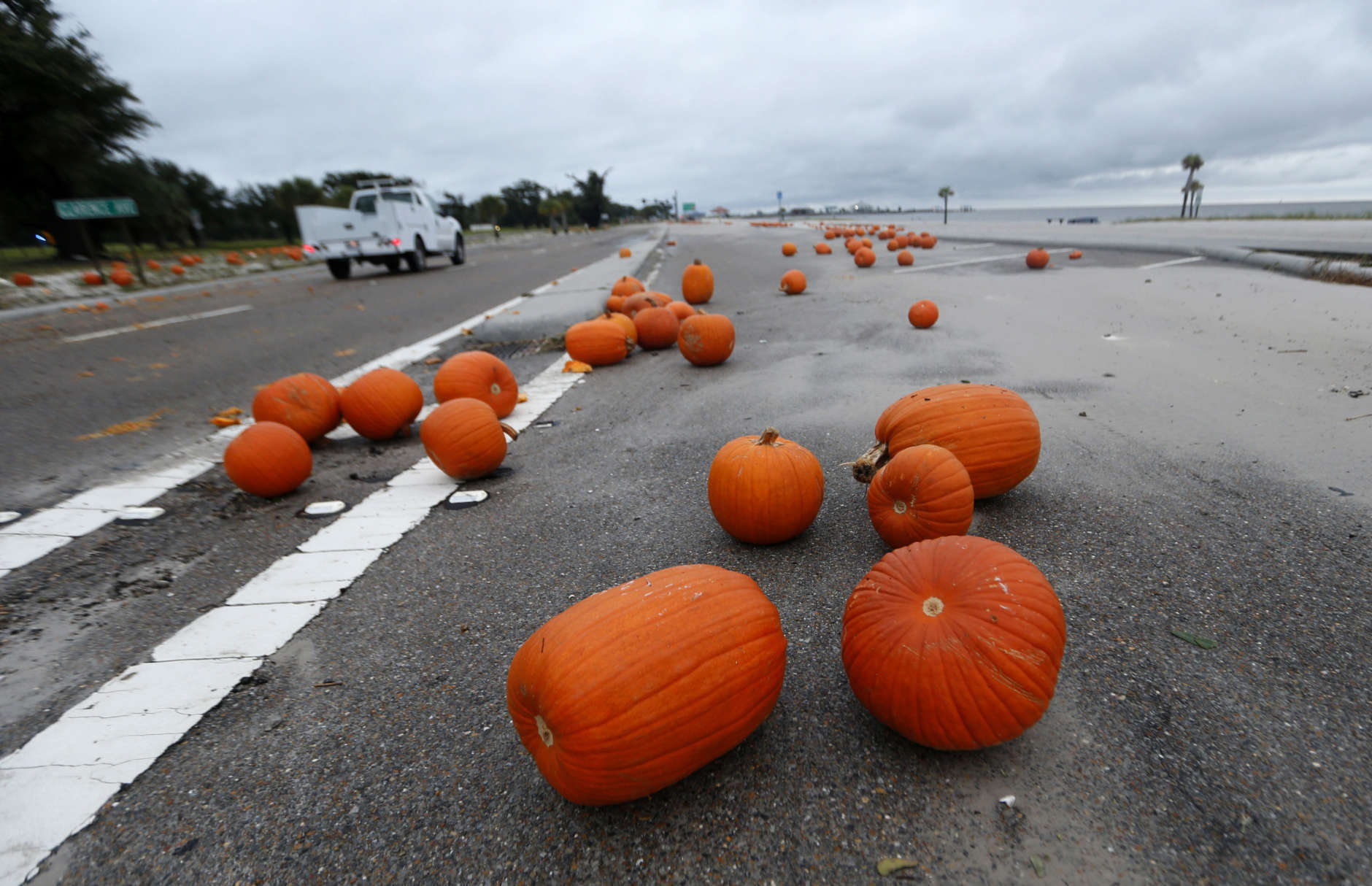
AP Photo/Gerald Herbert
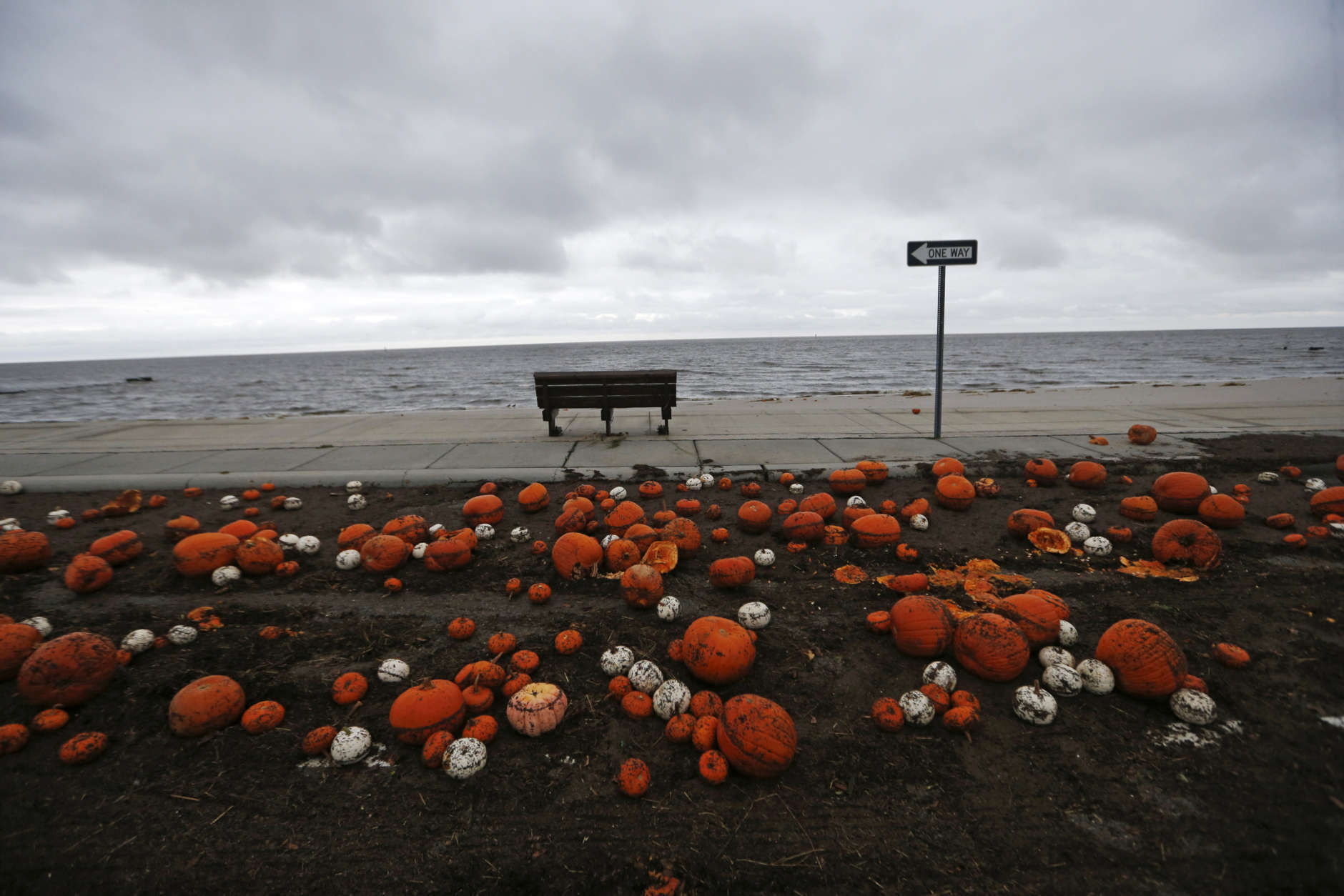
AP Photo/Gerald Herbert
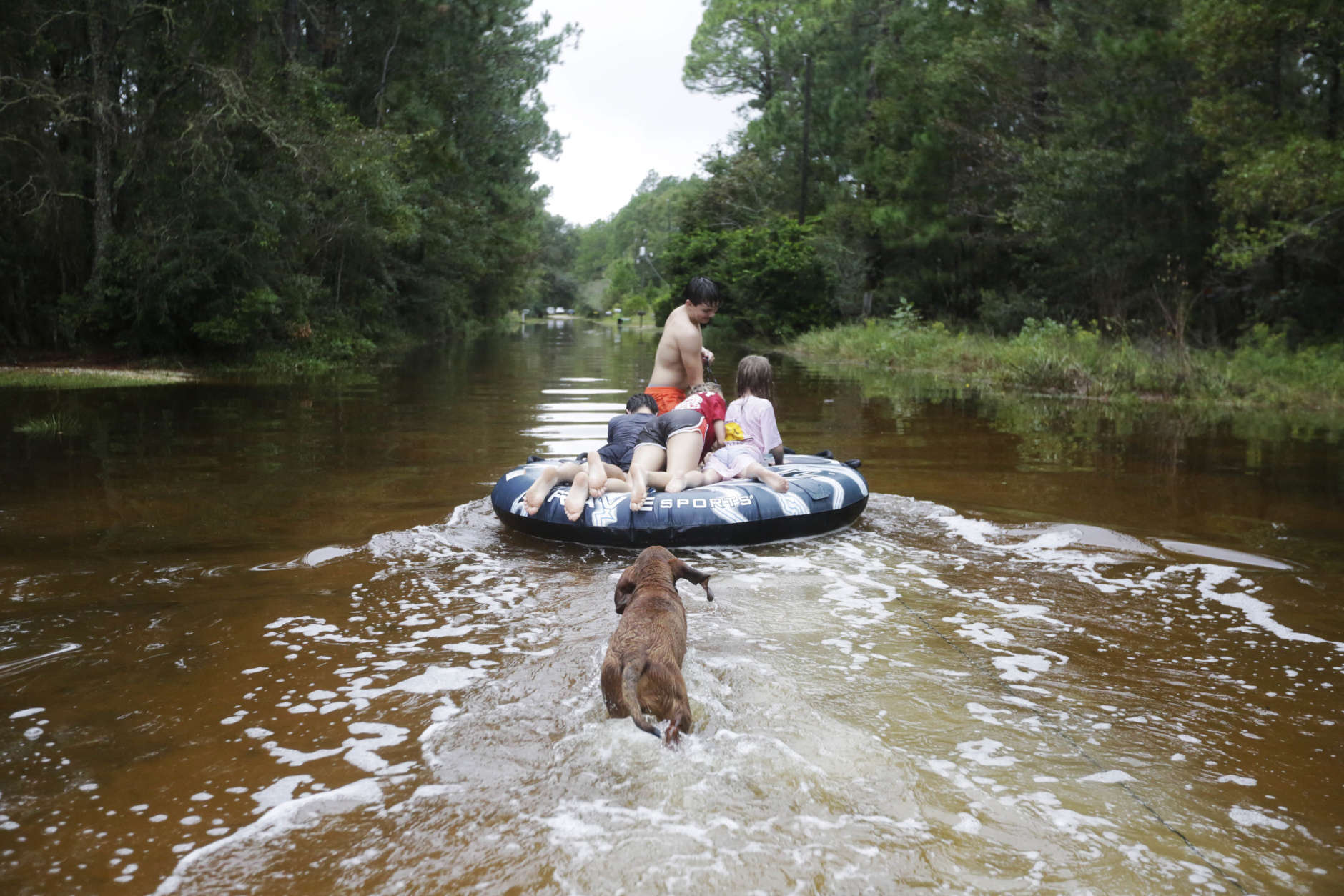
AP Photo/Brynn Anderson

Photo by Mark Wallheiser/Getty Images
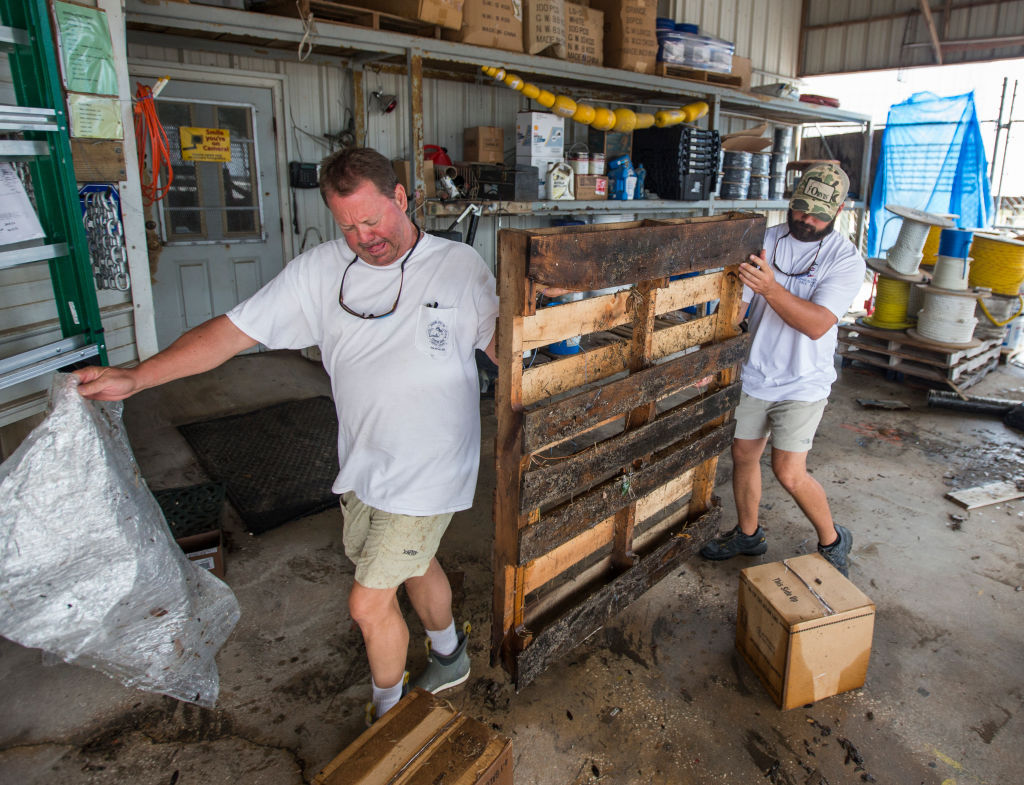
Photo by Mark Wallheiser/Getty Images

Photo by Mark Wallheiser/Getty Images
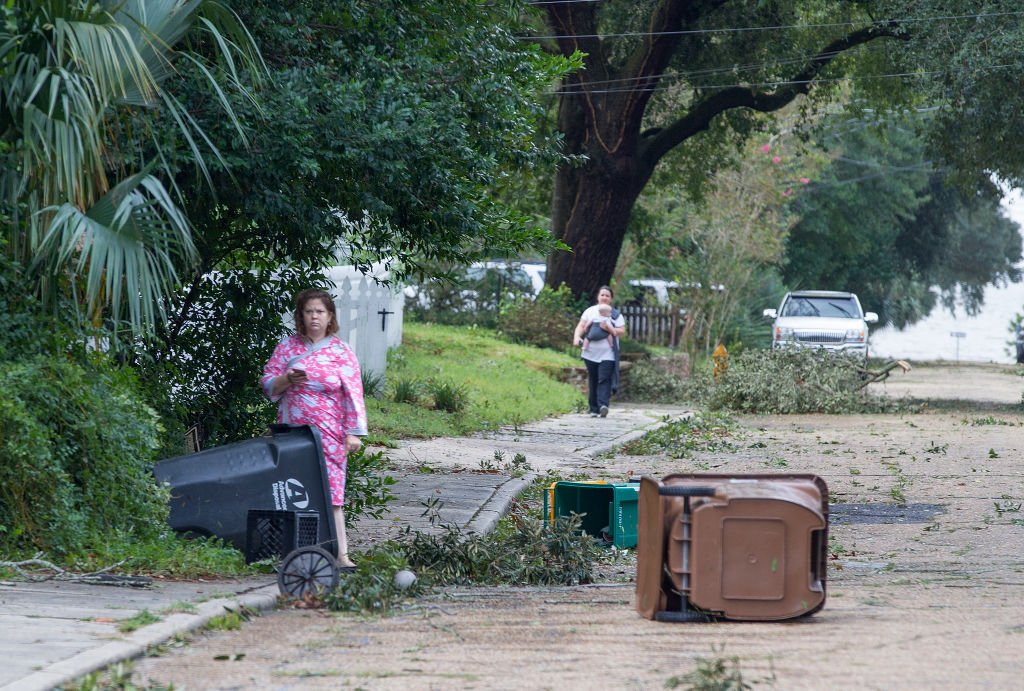
Photo by Mark Wallheiser/Getty Images

Photo by Mark Wallheiser/Getty Images
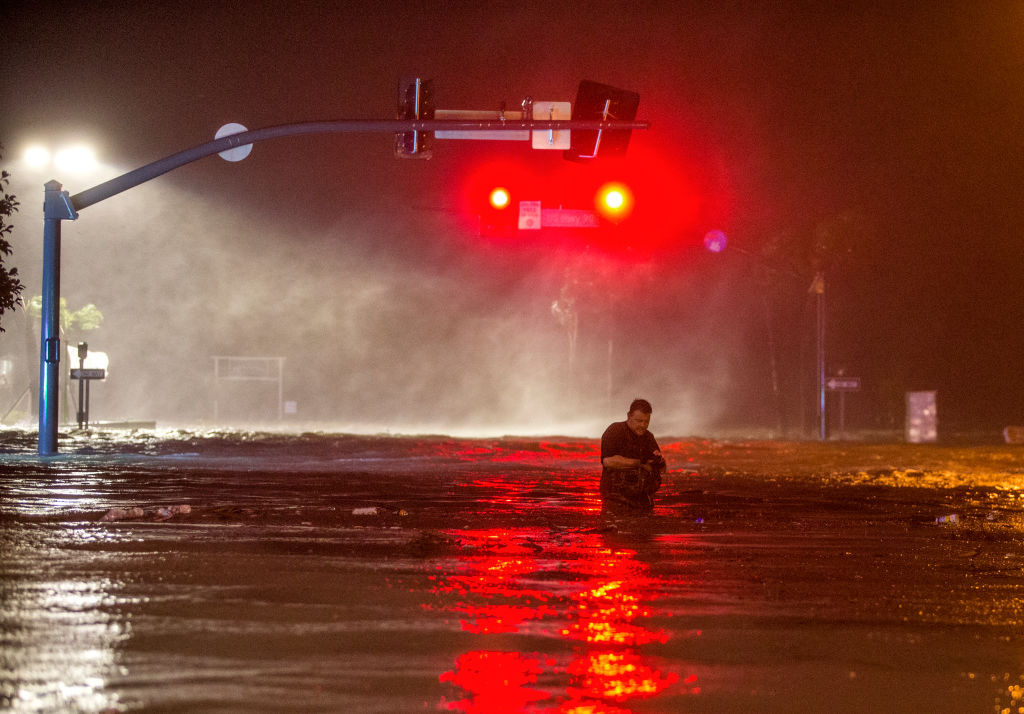
Photo by Mark Wallheiser/Getty Images
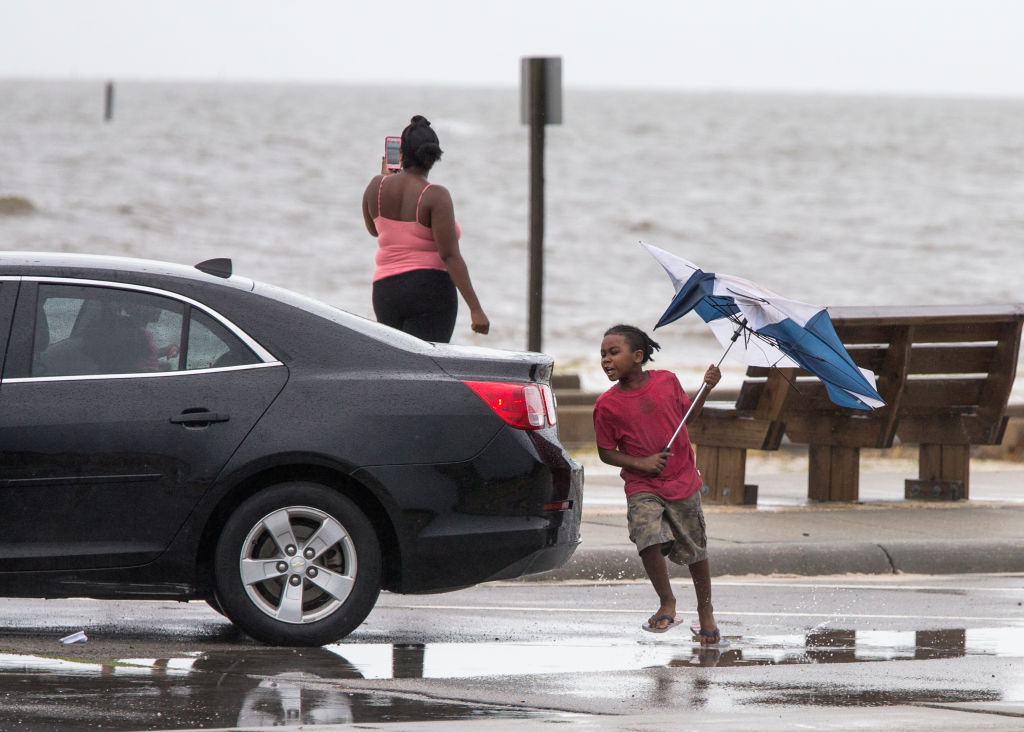
Photo by Mark Wallheiser/Getty Images
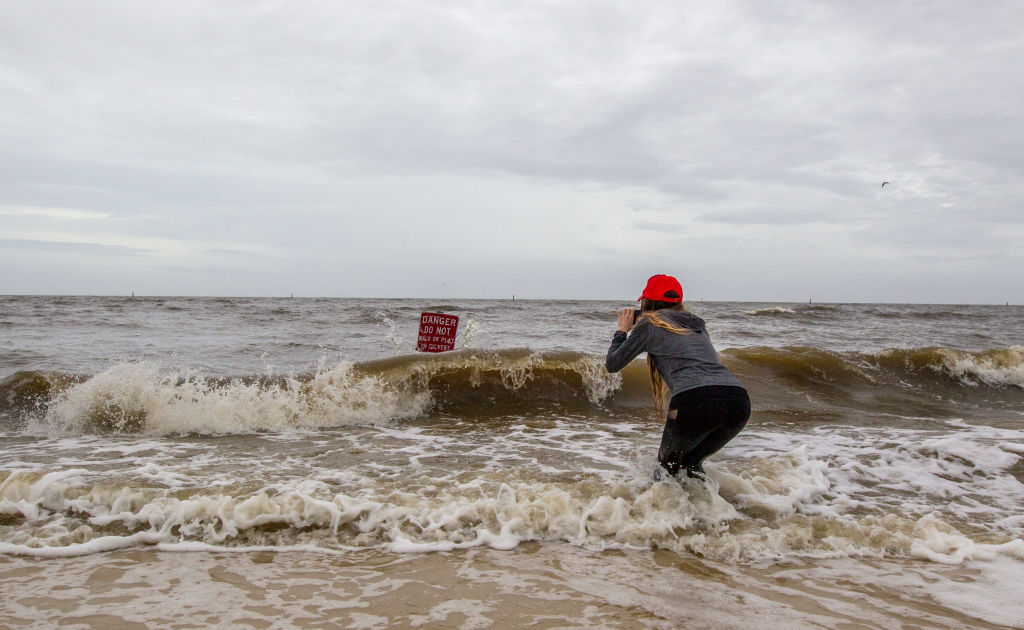
Photo by Mark Wallheiser/Getty Images

Photo by Sean Gardner/Getty Images

Photo by Sean Gardner/Getty Images
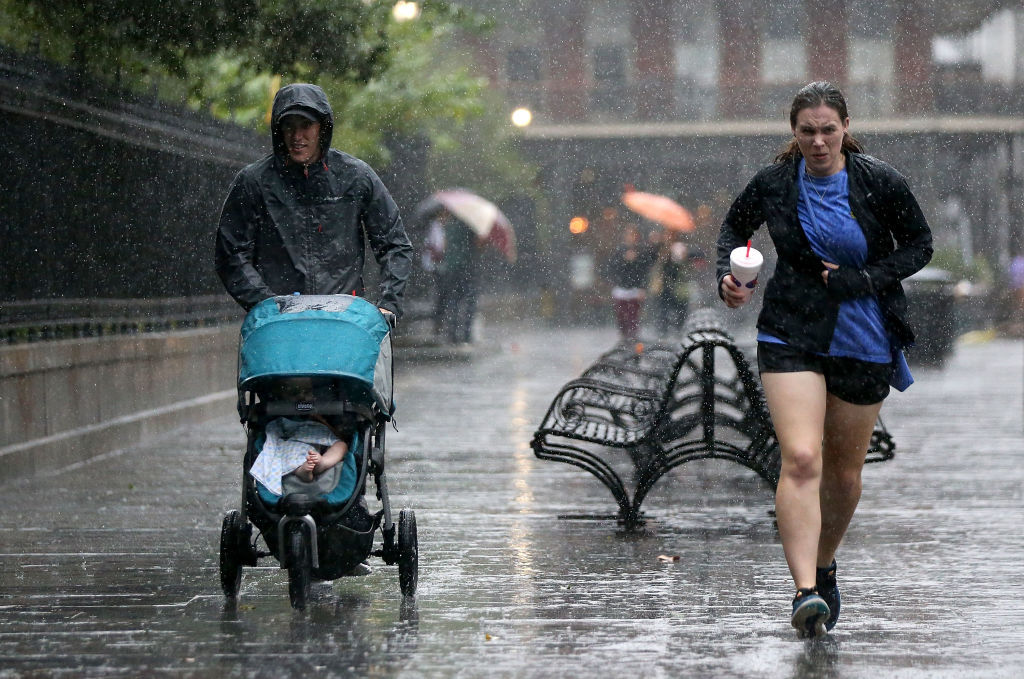
Photo by Sean Gardner/Getty Images
AP Photo/Brynn Anderson

AP Photo/Brynn Anderson
AP Photo/Brynn Anderson
AP Photo/Brynn Anderson
AP Photo/Jeff Amy
AP Photo/Brynn Anderson
AP Photo/Brynn Anderson
AP Photo/Gerald Herbert
Nick Tomecek/Northwest Florida Daily News via AP
Nick Tomecek/Northwest Florida Daily News via AP
AP Photo/Brynn Anderson
Nick Tomecek/Northwest Florida Daily News via AP
AP Photo/Jeff Amy
AP Photo/Brendan Farrington
AP Photo/Brynn Anderson
AP Photo/Moises Castillo
AP Photo/Moises Castillo
AP Photo/Moises Castillo
AP Photo/Moises Castillo
John Fitzhugh/The Sun Herald via AP
AP Photo/Moises Castillo
AP Photo/Moises Castillo
AP Photo/Moises Castillo
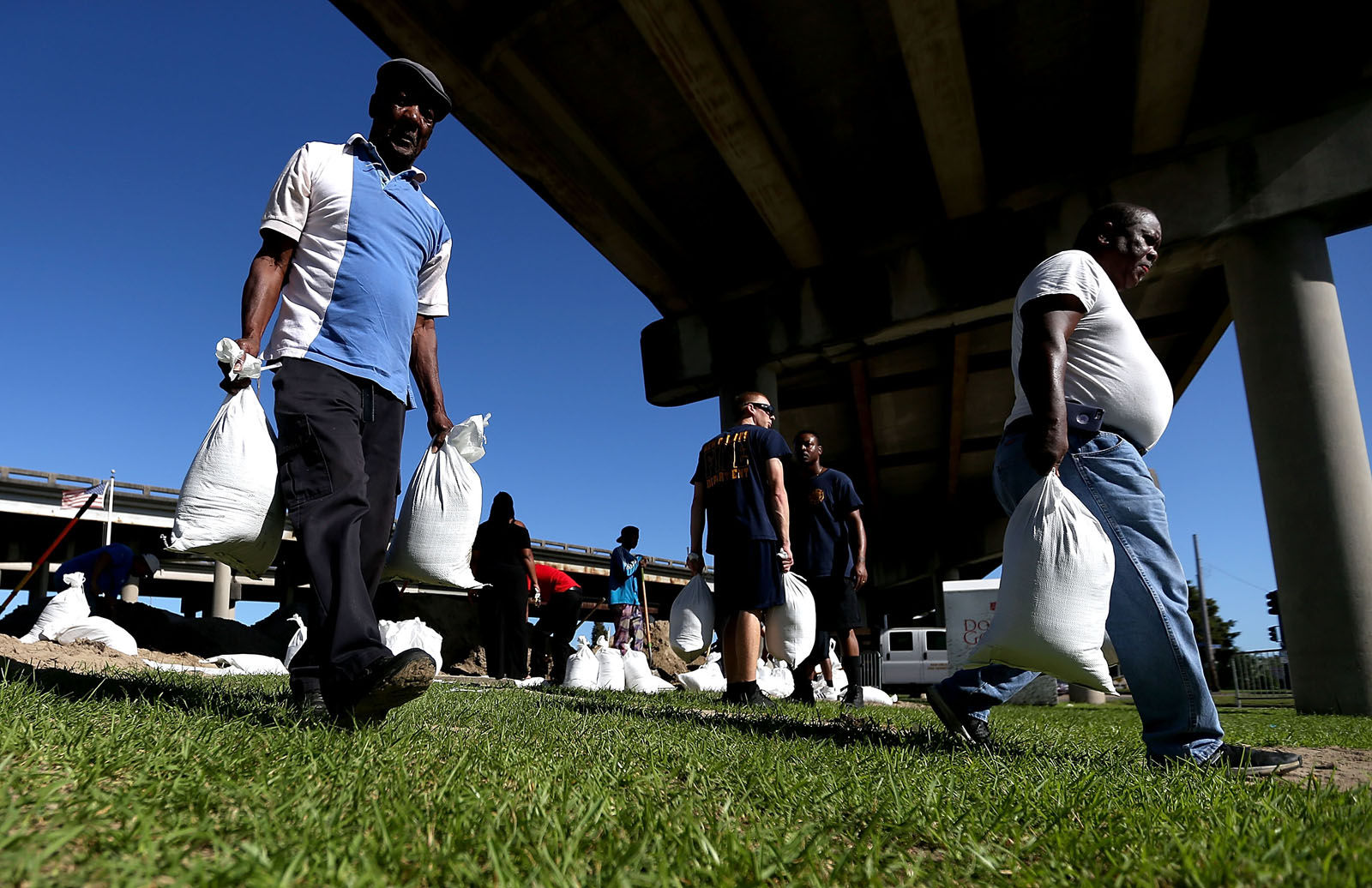
Photo by Sean Gardner/Getty Images

Photo by Sean Gardner/Getty Images
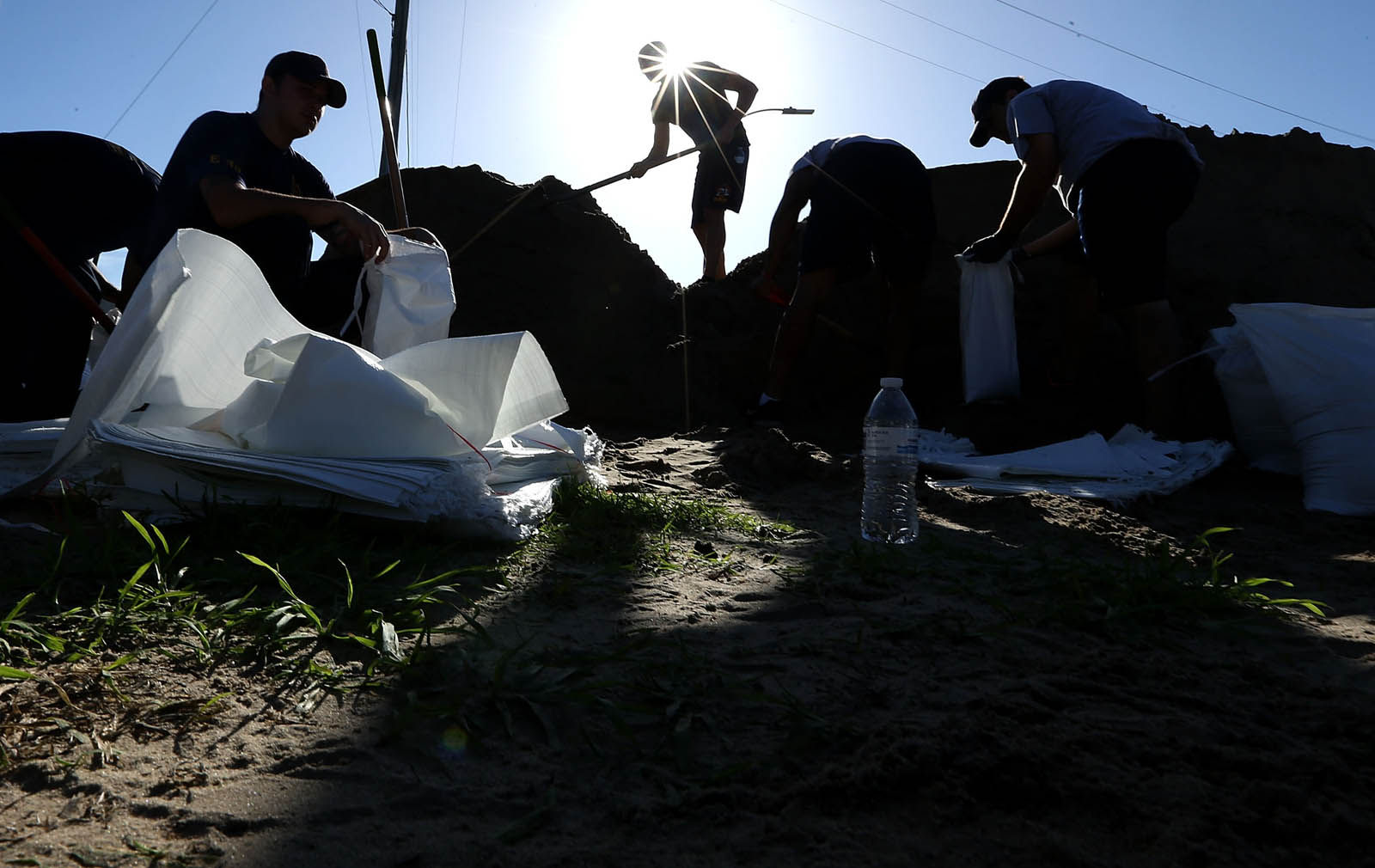
Photo by Sean Gardner/Getty Images
AP/p.holm



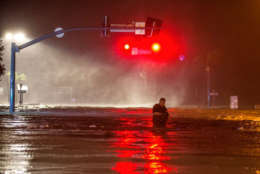
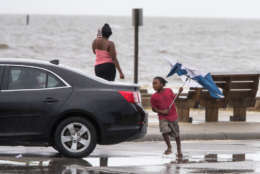
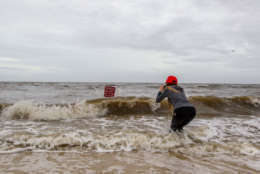





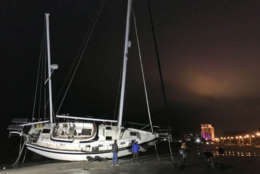


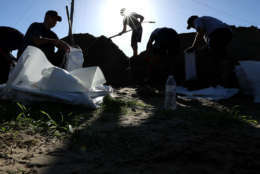
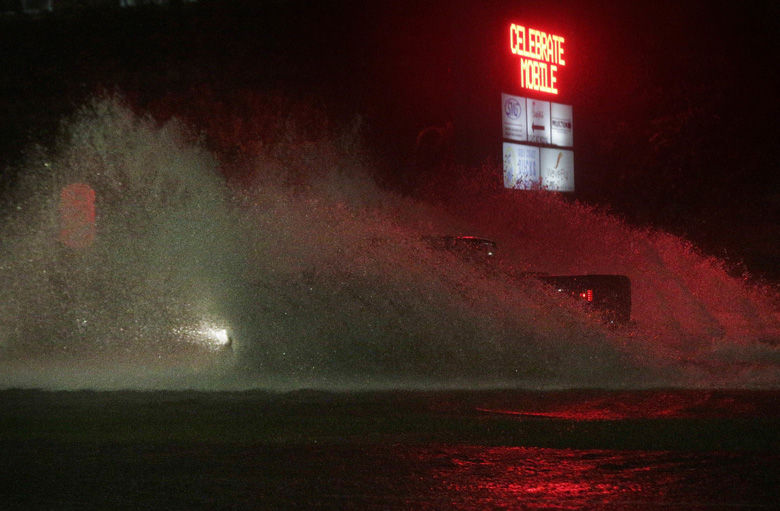
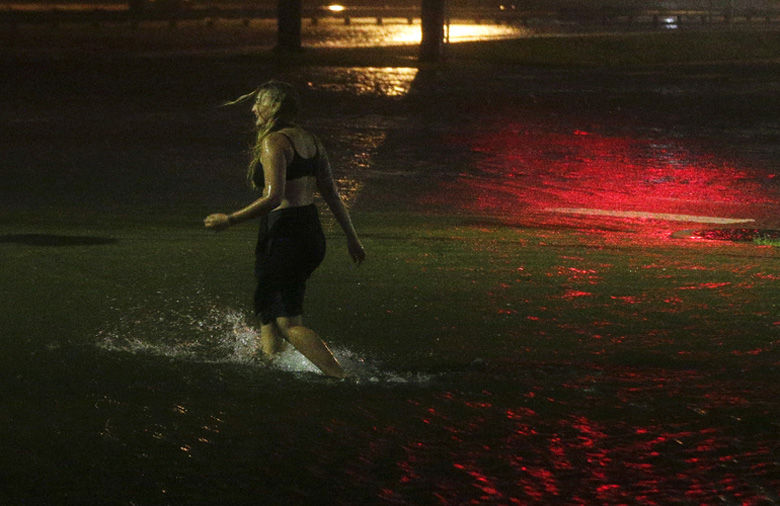
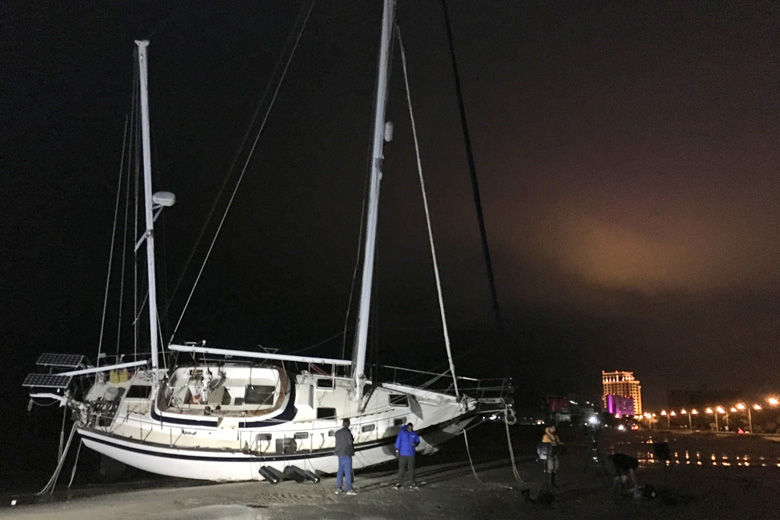
WASHINGTON — Nate, which weakened to a tropical depression, flew over the central Gulf of Mexico on Saturday, reducing in strength as it moved inland over Mississippi and Alabama.
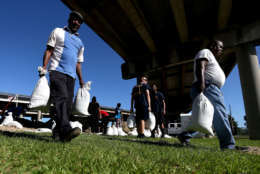
Forecasters predicted the storm would hit the U.S. Gulf Coast sometime during Saturday night. Louisiana, Mississippi and Alabama have declared states of emergencies.
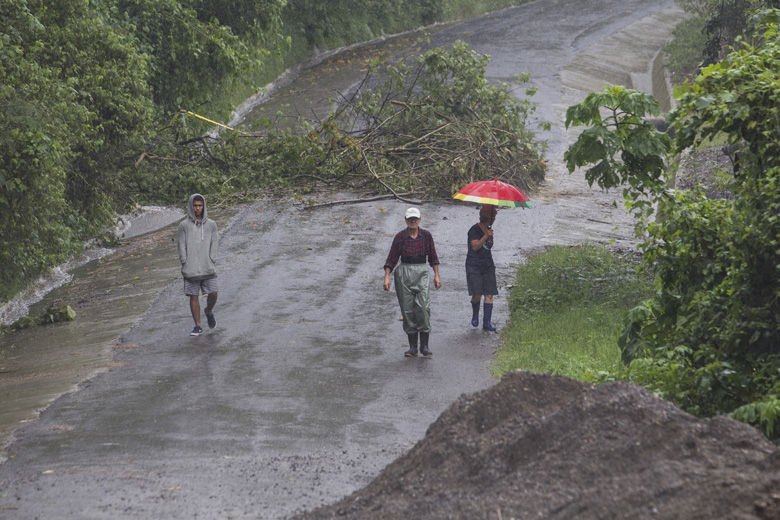
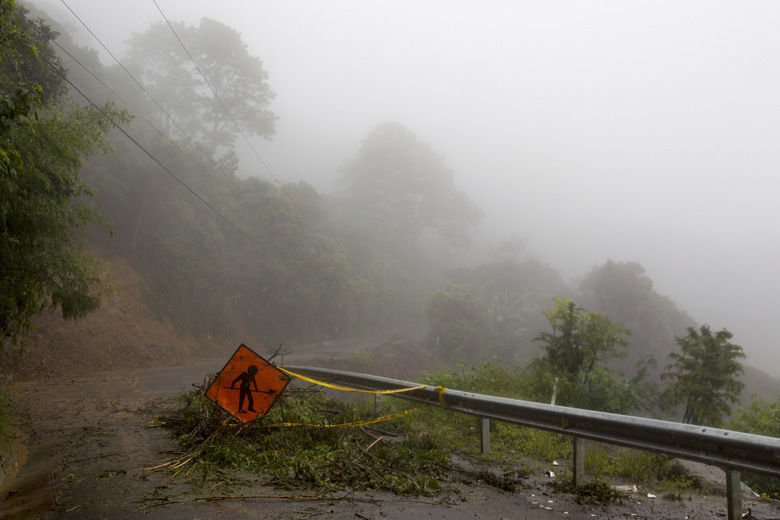
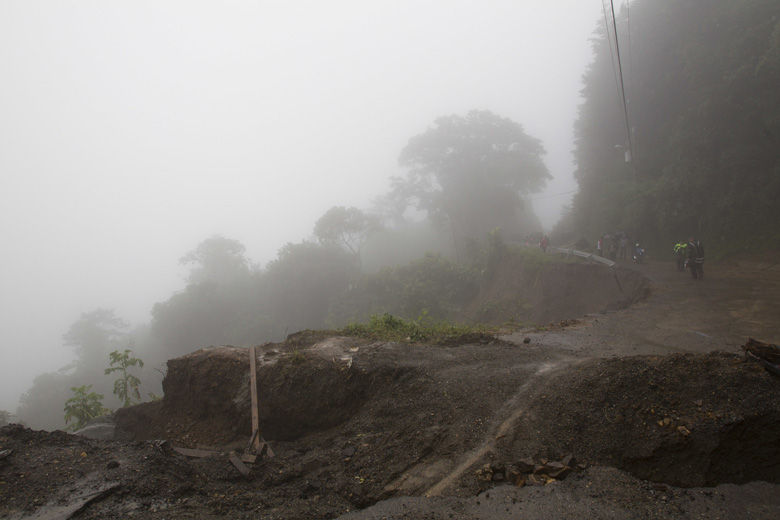
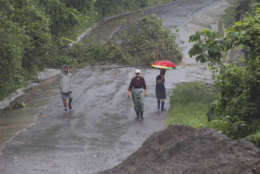
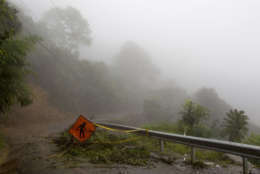
Hurricane Nate has already killed 21 people in Central America.