DUBAI, United Arab Emirates (AP) — Israel kept up its campaign of targeting Iran’s leaders on Wednesday, killing the country’s intelligence minister, and an Iranian offshore natural gas field was struck in a sign of the war’s mounting pressure – from both sides — on the region’s economic lifeblood: energy.
Iran has been taking aim at its Persian Gulf neighbors’ energy facilities since the war started on Feb. 28, and has made the Strait of Hormuz shipping channel — through which one-fifth of the world’s oil travels — nearly impassable. On Wednesday, Iran struck a province of Saudi Arabia where many oil fields are located, and it threatened to ratchet up strikes against oil and gas infrastructure in Qatar and the United Arab Emirates, too.
The price of oil surged another 5% to over $108 a barrel on international markets, increasing the price of gasoline and other goods, and putting pressure on consumers and economies around the world. The price of Brent crude, the international benchmark for oil, is now up close to 50% since the start of the war.
As the Trump administration looks for ways to boost oil supplies and lower prices, the Treasury Department on Wednesday eased sanctions on Venezuela, saying U.S. companies will be allowed to do business with the country’s state-owned oil and gas company.
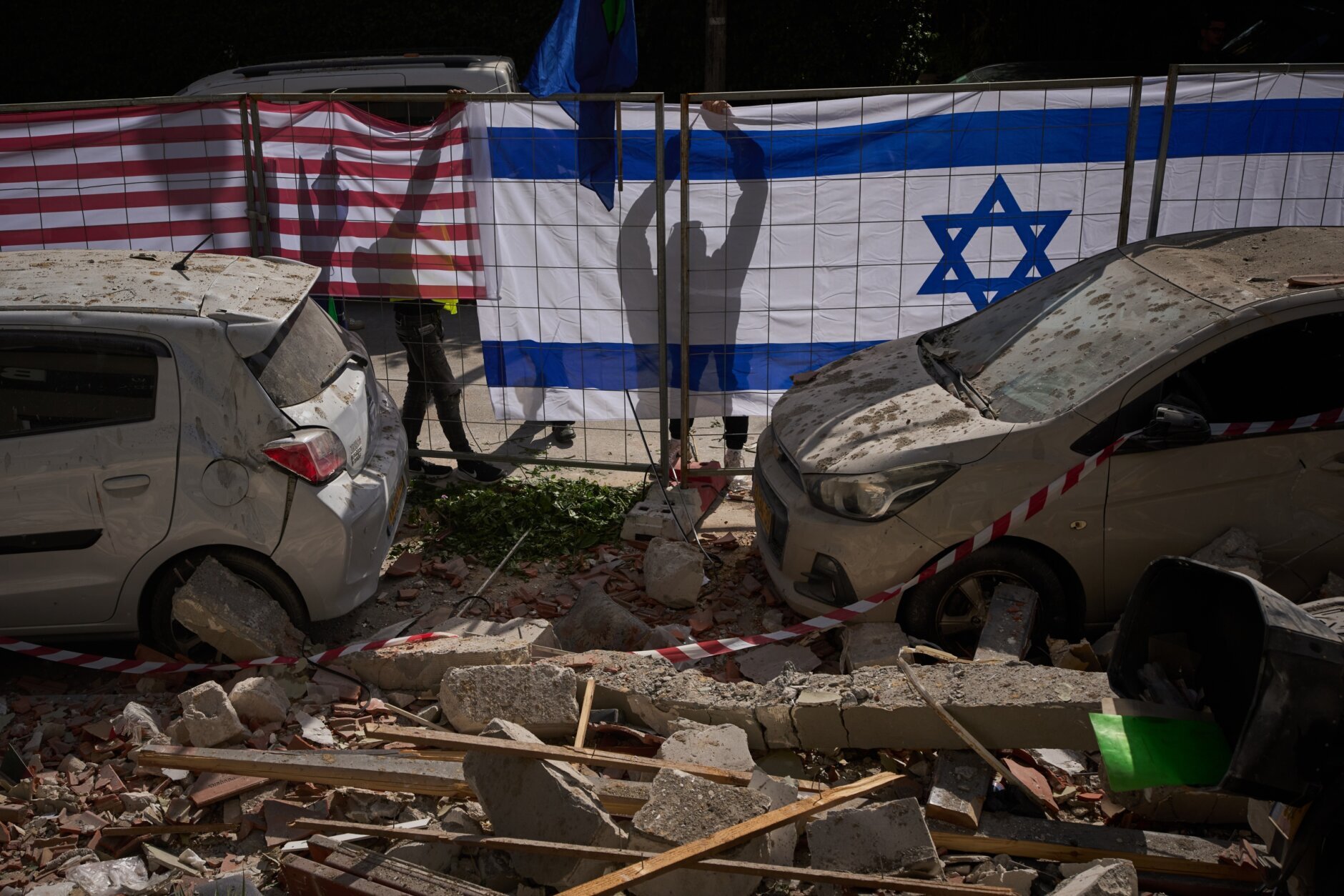
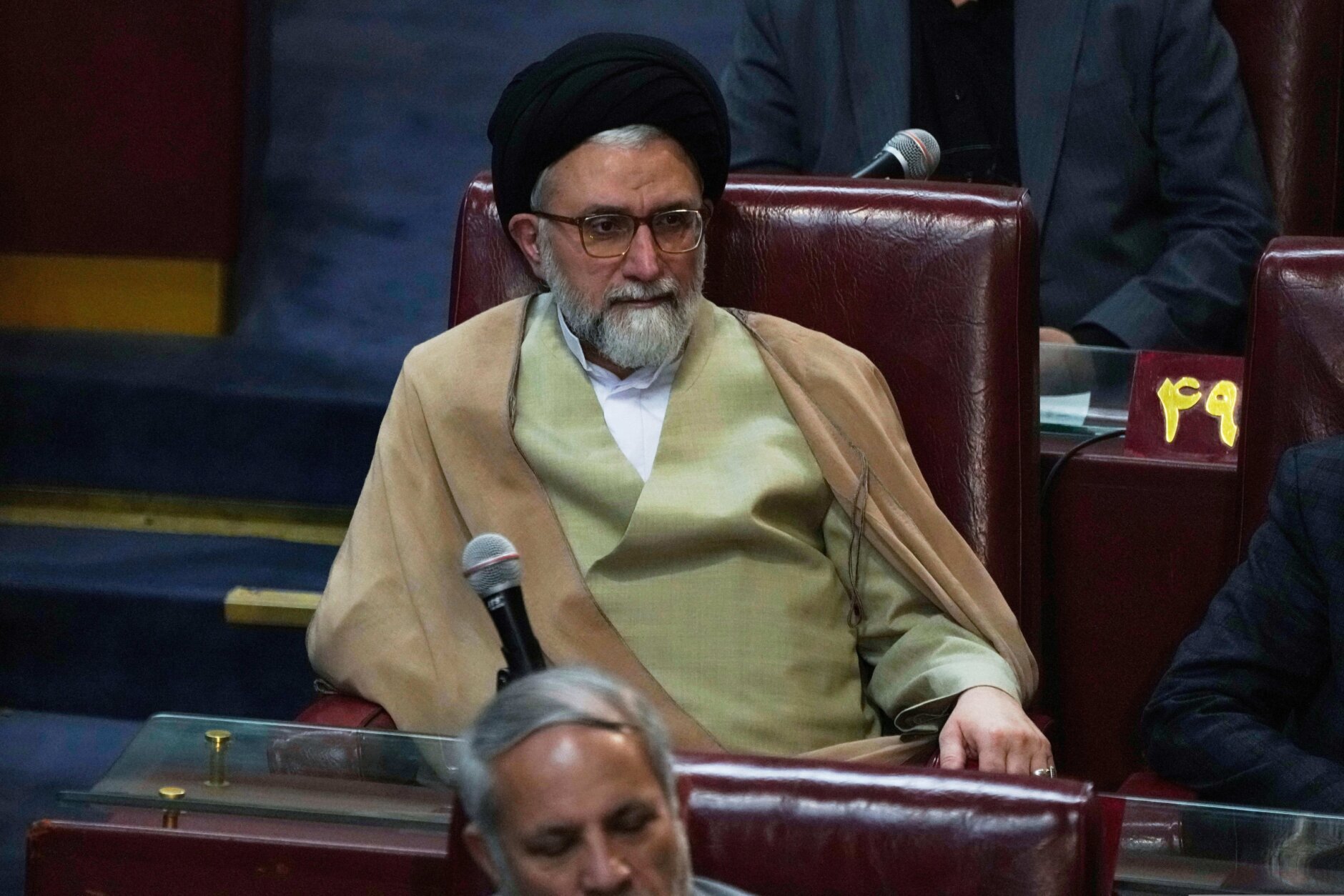
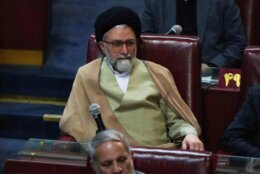
Israeli Defense Minister Israel Katz said Iranian Intelligence Minister Esmail Khatib had been killed in an overnight strike and promised “significant surprises” to come. Iran retaliated by unleashing attacks against its Persian Gulf neighbors and Israel, where two people were killed near Tel Aviv.
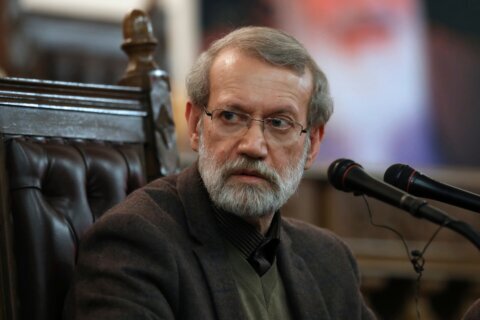
Iranian state television confirmed the killing of Khatib, who the U.S. sanctioned in 2022 for alleged cyber-related activities against the U.S. and its allies. Iranian President Masoud Pezeshkian calling Khatib’s killing “an unfair assassination.” A day earlier, Israel killed top Iranian security official Ali Larijani and the head of the paramilitary Revolutionary Guard’s Basij force, Gen. Gholam Reza Soleimani.
It wasn’t immediately clear who led the attack on Iran’s massive South Pars natural gas field, although Qatar, which shares the field with Iran, blamed Israel.
Iran keeps up strikes on Gulf countries’ oil facilities
Iran has been targeting the energy infrastructure of its Gulf Arab neighbors, as well as military bases, as part of a strategy to drive up oil prices and put pressure on the U.S. and Israel to back down.
Iran attacked Saudi Arabia’s vast Eastern Province, home to many of its oil fields, as well as Kuwait, Bahrain, Qatar and the United Arab Emirates on Wednesday.
Iran has vowed to continue to crimp shipping traffic through the Strait of Hormuz, which leads from the Persian Gulf to the open ocean. Since the war started, a few ships have gotten through — some Iranian, but also vessels from India, Turkey and elsewhere. Iran insists the waterway is open, just not to the U.S. or many of its allies.
U.S. President Donald Trump has expressed growing frustration that no allies have stepped forward to send ships to help open the strait. On Tuesday, he posted on social media: “WE DON’T NEED THE HELP OF ANYONE!”
Iraq, which paused operations at its main oil terminal on the Persian Gulf last week, said Wednesday it had reached a deal with the autonomous northern Iraqi Kurdish administration to begin exporting 250,000 barrels of crude oil daily via pipeline to a port in Turkey.
Saudi Arabia is also bypassing the Strait of Hormuz, sending some of its oil by pipeline across the country to be shipped from a Red Sea port.
Iran launches multiple-warhead missiles at Israel
Responding to the killing of Larijani, the paramilitary Revolutionary Guard said Wednesday it had targeted central Israel with multiple-warhead missiles that have a better chance of evading defense systems. Footage filmed by The Associated Press showed at least one such missile releasing a cluster of munitions over Israel.
Larijani was a senior policy adviser to the late Supreme Leader Ali Khamenei on strategy in nuclear talks with the Trump administration. He was sanctioned by the U.S. Treasury in January for his role “coordinating” Iran’s violent suppression of nationwide protests. Gen. Soleimani was also sanctioned by the U.S. and other nations for his role in suppressing dissent for years.
Israel’s airports authority said Wednesday that three private aircraft at Ben Gurion International Airport were damaged in recent days by shrapnel after Iranian missiles were intercepted. Airport traffic across the region has been severely curtailed since the war started.
Renewed strikes in Iran
The Iranian judiciary’s Mizan news agency said an airstrike hit a courthouse complex in Larestan, a county in southern Iran, and that at least eight people were killed. More than 1,300 people have been killed in Iran since the conflict started, according to the Iranian Red Crescent.
Mizan also reported that Iran executed a man on charges of spying for Israel’s Mossad intelligence agency. The report identified him as Kourosh Keyvani and alleged he “provided images and information on sensitive locations” to Israel.
Sweden’s Foreign Ministry condemned what it said was the execution of a Swedish citizen on Wednesday in Iran. The citizen, whose name was not made public, was arrested last year but additional details were not available.
Israel pressures Hezbollah in Lebanon
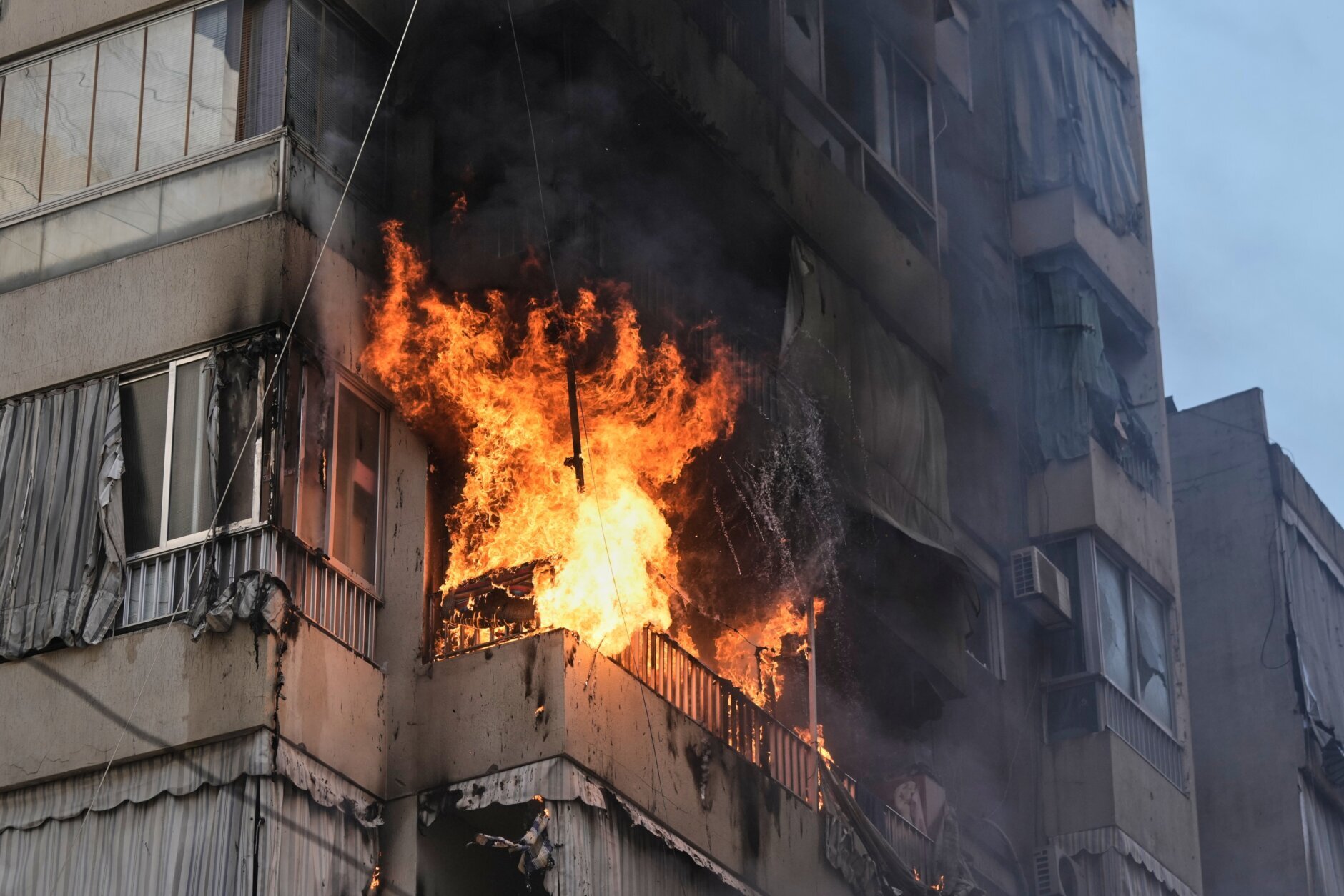
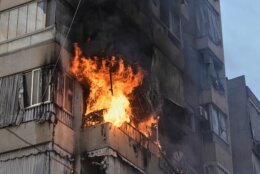
In Lebanon, Israel kept up intense pressure on Iran-backed Hezbollah militants, hitting multiple apartment buildings in Beirut and killing at least a dozen people. Hezbollah began firing rockets into northern Israel after the war in Iran had begun.
Israel flattened an apartment building in central Beirut about an hour after issuing an evacuation notice — the fourth time the building was targeted. Israel’s military claimed it was being used by Hezbollah to store “millions of dollars intended to finance its activities,” without providing evidence.
Overall, 10 people were killed in Israeli airstrikes in central Beirut, according to Lebanon’s Health Ministry. Another two people were killed in an airstrike in Lebanon’s western Bekaa Valley, it said.
Israeli strikes have displaced more than 1 million Lebanese — roughly 20% of the population — according to the Lebanese government, which says 912 people have been killed and 2,221 wounded.
In Israel, 14 people have been killed by Iranian missile fire. At least 13 U.S. military members have been killed.
___
Magdy reported from Cairo and Keaten from Geneva. Associated Press writers Qassim Abdul-Zahra in Baghdad, David Rising in Bangkok, Stefanie Dazio in Berlin, and Bassem Mroue and Sally Abou AlJoud in Beirut contributed to this report.
Copyright © 2026 The Associated Press. All rights reserved. This material may not be published, broadcast, written or redistributed.